
Choosing between silicone and latex bottle nipples is a decision that directly impacts your baby’s daily comfort, feeding success, and overall safety. While both materials are widely available on e-commerce platforms in the Philippines, they serve different feeding styles and require distinct maintenance routines. Silicone is a synthetic, highly durable, and hypoallergenic material that resists heat and wear, making it a popular choice for busy households. Latex, made from natural rubber, offers a softer, more flexible texture that closely mimics the feel of a mother’s breast, though it degrades much faster under tropical heat and frequent sterilization. Ultimately, the right choice depends on your baby’s physical tolerance, your preferred sterilization method, and how often you are willing to inspect and replace the nipples.
Key Differences Between Silicone and Latex Nipples
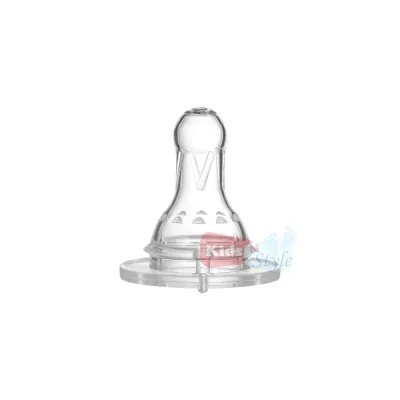
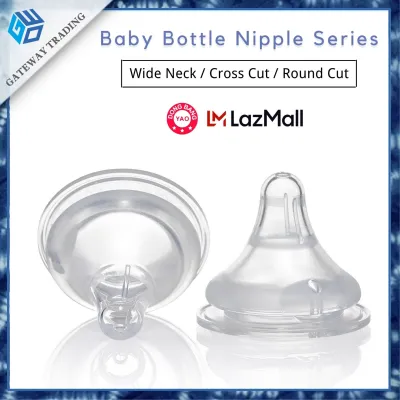
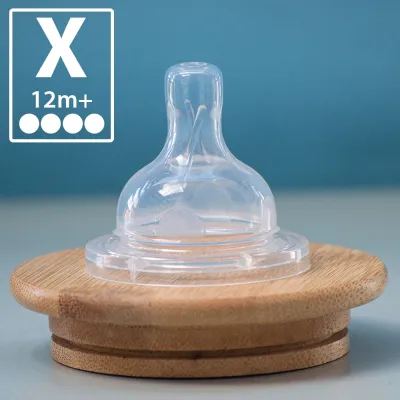
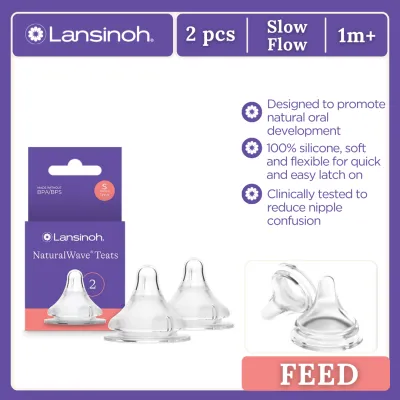
To make the best choice for your baby, it helps to understand the physical and tactile differences between these two common materials. Silicone nipples are easily recognizable by their clear, transparent appearance. They are firm to the touch, holding their molded shape even under strong suction. Because silicone is non-porous, it does not readily absorb odors, colors, or flavors from breast milk, infant formula, or dishwashing soaps. This makes silicone highly stable over months of continuous use, maintaining its clean look and neutral taste without warping.
Latex nipples, on the other hand, are made from natural rubber sap, giving them a distinct golden-brown or amber color. They are significantly softer and more pliable than silicone, stretching easily in response to your baby’s sucking movements. However, this natural elasticity comes with a trade-off in structural integrity. Latex is a porous material, meaning it can gradually absorb oils from milk and retain odors over time. Under the humid and warm conditions common in the Philippines, latex nipples can lose their shape, stretch out, or become sticky much faster than their silicone counterparts.
Products mentioned in this guide
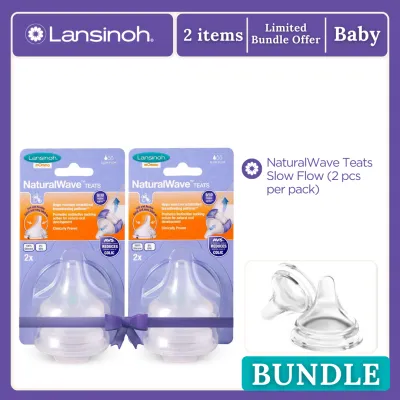
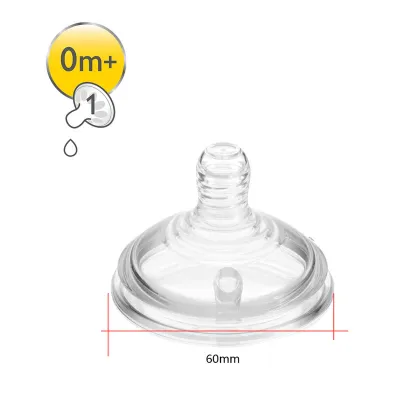
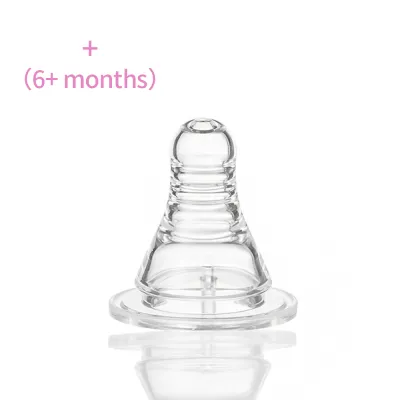
Prices are valid at publication and may change. Please refer to the product page for the latest price.
Evaluating Safety and Allergy Risks
Safety is the primary concern for any parent selecting a nipple for baby bottles. Because latex is harvested from rubber trees, it contains natural proteins that can trigger allergic reactions in sensitive infants. A latex allergy can manifest as redness, swelling, a persistent diaper rash, or skin irritation around the baby’s mouth after feeding. If you observe any of these signs, you must stop using latex nipples immediately and consult a pediatrician or healthcare professional for a proper assessment. For families with a history of allergies, starting with silicone is often the safer, more conservative path.

Silicone is a medical-grade, synthetic elastomer that is inherently hypoallergenic. It does not contain natural rubber proteins, making it exceptionally safe for babies with sensitive skin or suspected allergies. When purchasing either material, it is crucial to inspect the product packaging to verify safety claims. Look for clear labels indicating that the product is free from Bisphenol A (BPA) and Bisphenol S (BPS), as these chemical compounds can pose health risks. In the Philippines, reputable baby brands display certification marks or compliance labels on their boxes, which you should cross-reference before purchasing from online marketplaces.
Before introducing any new feeding equipment, especially if your baby has shown signs of oral sensitivity or skin irritation, a quick consultation with your pediatrician can provide peace of mind. A professional can help you distinguish between a simple feeding aversion and an actual allergic reaction to the nipple material. Always prioritize verified packaging information over unbranded, cheap alternatives that lack clear material disclosures.
Durability, Maintenance, and Sterilization
The tropical climate of the Philippines, characterized by high humidity and ambient heat, plays a significant role in how bottle nipples age. Silicone is highly heat-resistant, easily withstanding temperatures well above boiling point. This makes silicone nipples compatible with almost all sterilization methods, including traditional boiling, electric steam sterilizers, and modern UV sterilizing cabinets. Because silicone does not degrade under ultraviolet light or intense steam, it remains a low-maintenance option for parents who prioritize rigorous hygiene routines.
Latex, conversely, is highly sensitive to heat, sunlight, and moisture. Frequent exposure to boiling water or steam sterilizers accelerates the breakdown of natural rubber, causing the material to soften, swell, and lose its structural integrity. Furthermore, UV sterilizers can rapidly degrade natural latex, making it brittle or sticky within a short period. If you choose latex, you must carefully read both the nipple packaging and your sterilizer’s manual to ensure compatibility. Often, gentle washing with warm, soapy water followed by air-drying in a shaded area is recommended for latex, which may not align with households that prefer high-heat sanitization.
Regardless of the material, you should never rely solely on a calendar date to replace a nipple for baby bottles. Instead, perform a daily physical inspection before every feeding session. Look for clear signs of degradation: silicone may become cloudy, cracked, or torn, while latex will typically become sticky, discolored, swollen, or soft enough to collapse under light pressure. If you notice a micro-tear or if the feeding hole has stretched, discard the nipple immediately to prevent choking hazards. While a silicone nipple might cost slightly more upfront—often ranging from ₱150 to ₱300 per pack—its longer lifespan generally offers better long-term value compared to latex, which requires frequent replacement every few weeks.
Feeding Experience and Baby's Preference
A baby’s acceptance of a bottle often comes down to how the nipple feels in their mouth and how easily they can control the milk flow. Latex nipples are highly flexible and offer low suction resistance, meaning they compress and expand easily as the baby sucks. This high flexibility closely mimics the natural movement of the breast during breastfeeding, making latex a popular choice for babies who struggle to transition from direct latching to bottle-feeding. The soft, warm texture of natural rubber can feel more familiar to a newborn.
Silicone nipples, being firmer, require a bit more active sucking effort from the baby. While this firmness helps the nipple maintain its shape and prevents it from collapsing during vigorous feeding, some breastfed infants may initially reject it due to its stiffer texture. If your baby is struggling, look for observable cues such as pushing the bottle away, crying during feeds, or milk leaking from the corners of their mouth. These signs can indicate that the material is too stiff, or conversely, that the flow rate is incorrect.
It is important to separate the nipple material from its flow rate. Even the best material will fail if the flow is too fast or too slow for your baby’s developmental stage. Most brands offer nipples categorized by age ranges or flow speeds (such as slow, medium, or fast flow). When transitioning your baby, keep the flow rate consistent while experimenting with different materials. If your baby shows persistent frustration, try adjusting the nipple shape or flow rate before switching materials entirely.
Decision Framework: Which Nipple Should You Choose?
To simplify your decision, consider your household’s daily routine, sterilization setup, and your baby’s specific needs. Choosing silicone is highly recommended if you want a durable, long-lasting option that can withstand daily steam or UV sterilization without wearing out. It is also the ideal choice if your baby has sensitive skin or a family history of allergies, as medical-grade silicone is completely hypoallergenic and free from natural rubber proteins.
On the other hand, you should choose latex if your baby is highly resistant to bottle-feeding and prefers an ultra-soft, flexible texture that closely mimics breastfeeding. However, if you opt for latex, you must be prepared to replace the nipples frequently—often every four to six weeks—and avoid exposing them to high-heat sterilizers or UV light that can cause rapid degradation. If your baby shows signs of oral aversion, such as refusing both materials or showing distress during feeds, the issue may lie in the flow rate or the physical shape of the nipple rather than the material itself.
Before finalizing your purchase on any online marketplace, verify the compatibility of your chosen nipples with your existing bottle brands and sterilizing equipment. Some specialized cleaning agents or UV sterilizers carry explicit warnings against use with natural rubber. Taking a few moments to check these details ensures a safe, comfortable, and cost-effective feeding journey for both you and your baby.
Frequently Asked Questions (FAQ)
Can I mix silicone and latex nipples for the same baby?
While it is physically possible to alternate between silicone and latex nipples, it is generally not recommended. Babies are highly sensitive to texture, and switching between a firm silicone nipple and a very soft latex nipple can cause nipple confusion or feeding frustration. Additionally, alternating materials makes it harder to track wear and tear, increasing the risk of using a degraded latex nipple that should have been discarded. If you must switch, monitor your baby closely for any delayed allergic reactions or changes in their feeding pace.
How do I know when it is time to throw away a bottle nipple?
You should throw away a bottle nipple immediately if it shows any physical signs of wear. For silicone, look for cloudiness, fine cracks, or tears around the tip or base. For latex, watch out for stickiness, swelling, a dark or discolored appearance, or a nipple that collapses and fails to return to its original shape. Additionally, if milk pours out in a steady stream instead of dripping slowly, the feeding hole has stretched, posing a serious choking hazard. Always follow the manufacturer’s maximum recommended lifespan, even if the nipple looks intact.
Are all silicone nipples the same in terms of softness?
No, not all silicone nipples are identical. Manufacturers use different proprietary silicone formulations, wall thicknesses, and molding techniques to create varying levels of flexibility. Some premium silicone nipples are specifically engineered with ultra-soft zones or matte textures to mimic the feel of skin, while others are designed to be firmer to prevent collapse. When shopping, check the product descriptions and packaging details to find a silicone nipple that matches your baby’s preferred level of firmness.

Community discussion
Share your experience or ask a question. Comments are reviewed before publication.