
Choosing the right chupone for baby bottle feeding is one of the most frequent decisions parents face. When comparing silicone and latex bottle nipples, the choice generally comes down to a balance between durability and texture. Silicone nipples are highly durable, hypoallergenic, and exceptionally resistant to heat, making them a long-lasting and safe option for most households. Latex nipples, while softer and more closely mimicking the natural flexibility of skin, degrade rapidly under tropical heat and humidity, and they carry a risk of triggering latex allergies.
Understanding how these materials perform under daily sterilization and feeding routines helps you make an informed choice. In a warm, humid climate, environmental factors can accelerate the wear and tear of feeding gear. By evaluating the safety profiles, physical limits, and wear signs of both materials, you can ensure a consistent, comfortable, and secure feeding experience for your little one.
Material Basics: Silicone vs. Latex
Silicone is a synthetic, man-made polymer known for its clarity, firmness, and structural stability. When you inspect a silicone chupone for baby bottle use, you will notice it is completely transparent and smooth to the touch. This material maintains its shape even under heavy pressure, which prevents the nipple from collapsing easily during vigorous feeding sessions. Because it is non-porous, silicone does not readily absorb odors, flavors, or colors from breast milk or infant formula.
Products mentioned in this guide
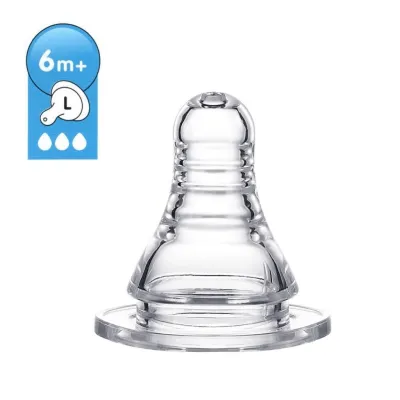
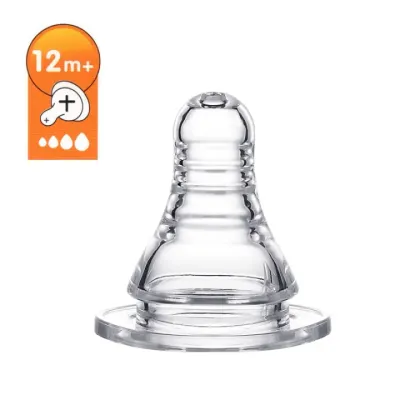
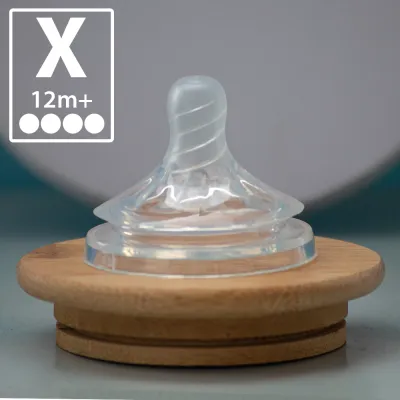
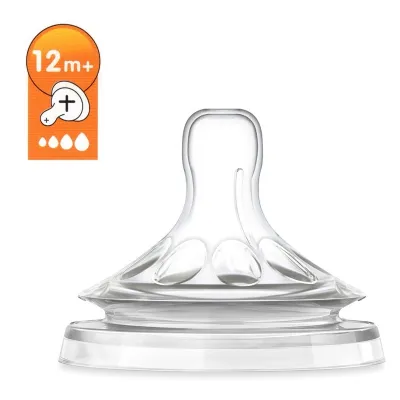
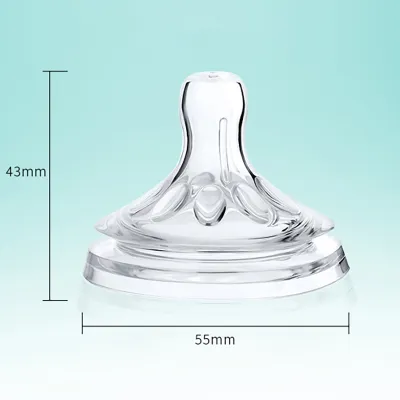
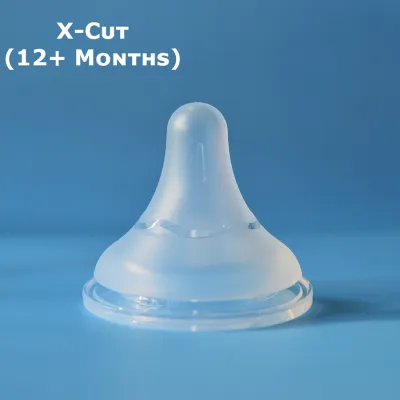
Prices are valid at publication and may change. Please refer to the product page for the latest price.
Latex, on the other hand, is a natural rubber product harvested from organic sources. This origin gives latex nipples their characteristic golden-brown or amber hue and a distinctively matte, slightly textured surface. Latex is significantly softer and more pliable than silicone, stretching easily with minimal force. However, this high flexibility means latex has lower density and shape retention, making it more prone to flattening or collapsing when a baby sucks enthusiastically.
The manufacturing processes for these two materials create distinct physical profiles that affect how they behave in your kitchen. Silicone is molded under high-temperature conditions to create a highly stable, inert product that remains consistent over time. Latex is processed using natural rubber compounds, resulting in a material that is highly elastic but inherently unstable when exposed to environmental elements like sunlight, oils, and moisture.
Safety and Allergy Risks
Safety is the primary concern when selecting feeding equipment, and the two materials present very different risk profiles. Latex allergies are a significant consideration for infants, especially those with a family history of allergies or sensitive skin conditions like eczema. A latex allergy can manifest as redness, swelling, hives, or localized irritation around the baby’s mouth after feeding. If you observe any of these signs, you must stop using latex nipples immediately and consult a pediatrician or healthcare professional.

Silicone is widely recognized as a hypoallergenic material, making it a suitable choice for babies with highly sensitive skin or suspected allergies. Because medical-grade silicone is synthetic and inert, it does not contain the natural proteins found in rubber that trigger allergic reactions. This chemical stability ensures that the material does not leach harmful substances into the milk, providing peace of mind for parents prioritizing a low-risk feeding setup.
Regardless of the material you choose, verifying product safety claims on the packaging is an essential step before purchase. Look for clear labels indicating that the chupone for baby bottle is BPA-free, phthalate-free, and compliant with food-grade safety standards. In the local market, check the packaging for manufacturer details, batch numbers, and official safety certifications. Avoid purchasing unbranded or unlabeled feeding products from unregulated online marketplaces, as these may not meet basic safety guidelines.
Durability, Heat Resistance, and Lifespan
The tropical climate of the Philippines, characterized by high humidity and warm ambient temperatures, puts feeding gear to a rigorous test. Silicone excels in these conditions due to its outstanding heat resistance. It can easily withstand the high temperatures of electric steam sterilizers, microwave sterilizing bags, and boiling water on a stove without warping, melting, or losing its structural integrity. This thermal stability makes silicone highly durable and easy to maintain over months of daily use.
Latex is highly sensitive to heat, ultraviolet light, and moisture, which causes it to degrade much faster than silicone. When subjected to frequent boiling or steam sterilization, natural rubber begins to break down, losing its elasticity and becoming sticky or gummy. Exposure to the natural oils in breast milk and infant formula also accelerates this degradation. Consequently, latex nipples have a significantly shorter lifespan and require much more frequent replacement to ensure feeding safety.
While silicone is highly resistant to heat, it is susceptible to damage from sharp baby teeth. Once a baby starts teething, they can easily puncture or tear a silicone nipple if they bite down hard during a feed. Latex, being highly elastic, can sometimes resist initial bite punctures slightly better, but once a tear begins, it spreads rapidly. Rather than relying on a fixed calendar date, caregivers should inspect both types of nipples daily for physical damage, stretching, or changes in texture.
Feeding Experience and Texture
The physical texture of the nipple plays a major role in how easily a baby accepts a bottle, especially during the transition from breastfeeding. Latex nipples are exceptionally soft and warm up quickly to match the temperature of the milk and the baby’s mouth. This flexibility closely mimics the natural feel of a mother’s breast, which can make latex highly appealing to newborns or babies who are resistant to bottle-feeding.
Silicone nipples are naturally firmer and cooler to the touch, which some babies may initially reject if they are accustomed to a softer feel. However, many modern silicone nipples feature textured surfaces or ultra-soft zones designed to replicate natural flexibility. The firmness of silicone also ensures a highly consistent flow rate, as the feeding hole does not stretch or enlarge easily over time, helping to prevent the baby from choking on an unexpectedly fast flow of milk.
Another factor that influences baby acceptance is taste and odor. Latex has a distinct, slightly sweet rubbery smell and taste that some infants find off-putting, leading to nipple refusal. Silicone is completely odorless and tasteless, ensuring that the baby only tastes the breast milk or formula. If your baby is highly sensitive to smells, a silicone chupone for baby bottle is often easier to introduce without causing feeding disruptions.
Decision Framework: Which Nipple Should You Buy?
To choose the right chupone for baby bottle feeding, you can use a simple, condition-based decision framework that matches your household’s priorities and your baby’s specific needs.
You should choose silicone if:
- You want a highly durable product that lasts through months of frequent sterilization.
- Your baby has sensitive skin, eczema, or a family history of latex allergies.
- You prefer a material that is completely odorless, tasteless, and easy to clean without absorbing milk residues.
- You use high-heat sterilization methods, such as electric steam sterilizers or boiling water, on a daily basis.
You should choose latex if:
- Your baby consistently rejects firmer silicone nipples and prefers an ultra-soft, highly flexible texture.
- There are no known latex sensitivities or allergies in your family.
- You are willing to monitor the nipples closely and replace them frequently as they degrade.
Before making a final purchase, always verify if your baby has any specific medical feeding needs, such as cleft palate or severe reflux, which may require specialized nipple shapes or flow rates. Consulting a pediatrician or a lactation consultant can provide valuable guidance tailored to your baby’s developmental stage.
Cleaning, Sterilization, and Replacement Signs
Proper maintenance is crucial to extend the life of your bottle nipples and protect your baby from harmful bacteria. For silicone nipples, you can safely use boiling water, steam sterilizers, or UV sterilizers. However, you must check the manufacturer’s instructions, as some UV sterilizers can cause clear silicone to turn slightly yellow over time, even though this color change does not usually affect the safety of the material.
Latex nipples require much gentler care to prevent rapid deterioration. Avoid exposing latex to prolonged boiling or high-heat steam cycles, and never place them in UV sterilizers, as ultraviolet light rapidly degrades natural rubber. Instead, wash them thoroughly with mild baby bottle cleanser and warm water, and sterilize them according to the manufacturer’s specific temperature limits. Always allow latex nipples to air-dry completely in a cool, well-ventilated area away from direct sunlight to prevent mold growth in humid conditions.
Regular inspection is the key to knowing when to discard and replace a chupone for baby bottle. For both materials, perform a pull test before every feed by tugging firmly on the bulb of the nipple; if you notice any tiny cracks, tears, or structural weakening, discard it immediately. For latex, look out for signs of swelling, a sticky or tacky texture, or a dark, discolored appearance, which indicate the rubber is breaking down. For silicone, watch for cloudiness, permanent discoloration, or an altered flow rate caused by an enlarged feeding hole.
Frequently Asked Questions (FAQ)
Can I mix silicone and latex nipples for the same baby?
Alternating between silicone and latex nipples is generally not recommended because of the significant differences in texture and flexibility. A baby develops a specific sucking pattern based on the firmness of the nipple they use most frequently. Switching back and forth can confuse the baby’s latch, leading to inefficient feeding, increased air intake, or nipple refusal. To maintain feeding consistency and support a secure latch, it is highly practical to choose one material that your baby accepts well and stick with it.
Do silicone nipples cause more gas or colic than latex?
The material of the nipple itself does not cause gas or colic; instead, these issues are related to the nipple’s flow rate and the bottle’s venting system. If a nipple flows too quickly or collapses during feeding, the baby may swallow excess air, leading to gas and discomfort. To minimize colic, ensure you are using the correct flow rate for your baby’s age and check that the bottle’s anti-colic valves are clean and functioning properly. A secure, airtight latch around the base of either a silicone or latex chupone for baby bottle is an effective way to prevent air ingestion.

Community discussion
Share your experience or ask a question. Comments are reviewed before publication.