
Choosing between silicone and latex bottle nipples is a key decision for parents as their babies grow and transition to larger sizes. This choice is not about finding a single, universally superior material, but rather about matching the physical properties of each option to your baby’s developmental stage, latch style, and your household’s daily cleaning routine. As babies reach the stage where they require a faster flow, their sucking strength increases, making the durability and flexibility of the nipple material highly important. By evaluating how each material handles daily wear, sterilization, and your baby’s unique feeding cues, you can select the most comfortable and practical option for your child.
Silicone vs. Latex: Core Material Differences
Silicone and latex have distinct physical and structural characteristics that affect how they perform during feeding. Silicone is a clear, synthetic polymer that is firm to the touch and highly resistant to temperature changes. It maintains its shape and transparency even after months of regular use, making it a popular choice for parents who prefer a durable, long-lasting material. Because it is synthetic, silicone is also hypoallergenic and does not contain natural rubber proteins.
Latex, on the other hand, is made from natural rubber, which gives it a distinct amber or yellow-tinted appearance. It is significantly softer and more flexible than silicone, closely mimicking the natural texture and elasticity of skin. However, this natural composition makes latex more susceptible to wear and tear. Under the pressure of repeated stretching, suction, and exposure to fats in milk or formula, latex gradually loses its elasticity and can become weak over time.
Products mentioned in this guide
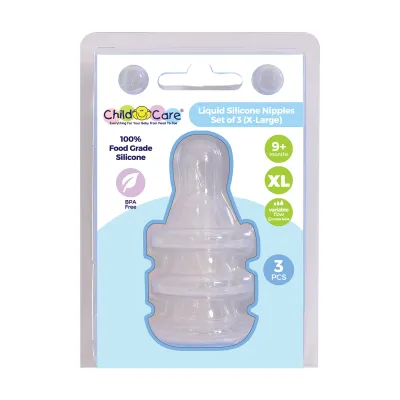
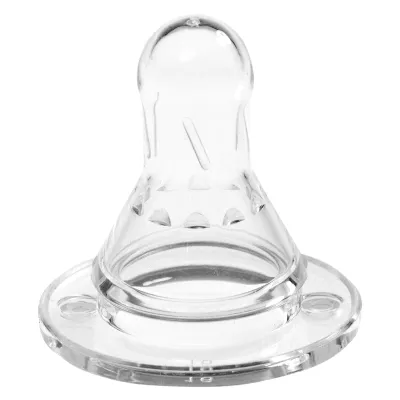
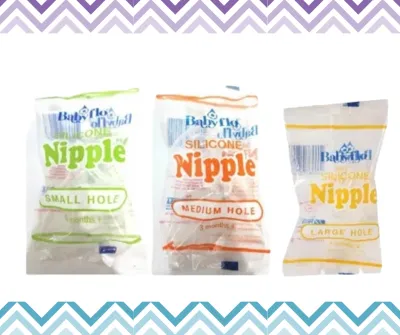
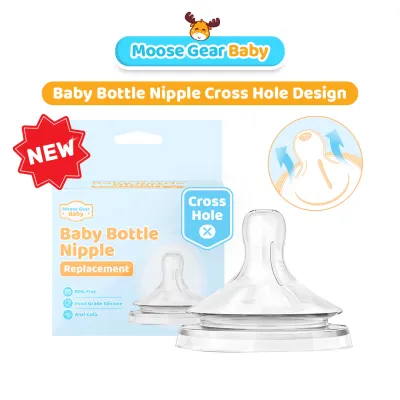
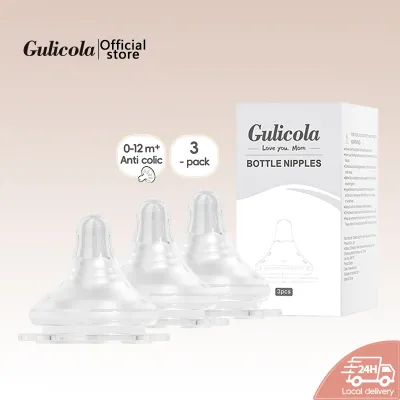

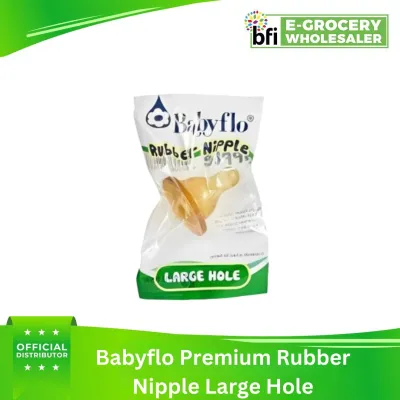
Prices are valid at publication and may change. Please refer to the product page for the latest price.
When purchasing nipples, parents should always read the manufacturer’s labels carefully rather than relying solely on visual inspection. Some modern silicone nipples are designed with matte finishes or slight tints that can mimic the look of latex, while some latex nipples may have coatings that alter their natural feel. Checking the packaging ensures you know exactly what material you are introducing to your baby’s feeding routine.
Feeding Performance, Safety, and Allergy Checks
Your baby’s latch preference and physical comfort are primary factors when choosing between these two materials. Because silicone is firmer, it requires more active jaw movement and suction from the baby to maintain a steady flow. This firmness can be highly beneficial for older babies who have developed strong sucking patterns and might otherwise collapse a softer nipple. Conversely, some babies, especially those transitioning from breastfeeding, may reject the firmness of silicone and prefer the soft, pliable texture of latex, which molds more easily to the shape of their mouth.

Safety considerations must also guide your choice, particularly regarding allergies. Because latex is a natural rubber product, it carries an inherent risk of triggering allergic reactions in sensitive infants. Parents should monitor their baby closely for any signs of localized skin irritation, redness, swelling, or hives around the mouth after feeding with a latex nipple. If you suspect a latex sensitivity or have a family history of latex allergies, it is best to consult a pediatrician before introducing latex nipples to your baby’s routine.
Heat resistance is another critical safety boundary that varies significantly between the two materials. Silicone has high thermal stability, allowing it to withstand extreme temperatures without warping or releasing chemicals. Latex is much more sensitive to heat and can degrade rapidly if exposed to high temperatures for extended periods. Before sterilizing any nipple, parents must verify the specific heat tolerance limits printed on the manufacturer’s packaging to prevent material damage.
Navigating "Large" Sizes and Flow Rates for Older Babies
As infants grow, their nutritional needs and swallowing capabilities change, requiring a transition to larger nipple sizes with faster flow rates. However, nipple sizing is not standardized across different brands. A “large” size in one brand may deliver a significantly faster flow than a “large” in another. When evaluating options such as baby flo nipples large, parents should consult the brand’s specific flow rate charts to understand how the size aligns with their baby’s developmental stage and the thickness of the liquid being offered.
Rather than relying strictly on age recommendations, parents should observe their baby’s feeding cues to determine if a size transition is necessary. If the flow rate is too slow for your baby’s developmental stage, they may show signs of frustration during feeding, suck aggressively, collapse the nipple, or fall asleep before finishing their bottle. Conversely, if the flow rate is too fast, you may observe the baby choking, coughing, gulping rapidly, or experiencing milk spilling from the corners of their mouth.
Transitioning to a larger size should be a gradual process. Introduce the larger nipple during a feed when your baby is calm and alert, allowing them to adjust to the increased flow. Monitor their swallowing rhythm and overall comfort. If they struggle to manage the faster flow, it is safer to revert to the previous size and attempt the transition again a few weeks later, allowing their coordination to develop further.
Sterilization, Daily Care, and When to Replace
Proper maintenance and sterilization are essential to keep baby bottle nipples hygienic and safe. In the warm and humid climate of the Philippines, moisture control is particularly important to prevent the growth of mold and bacteria on feeding equipment. Silicone nipples are highly compatible with various sterilization methods, including boiling water, electric steam sterilizers, and UV sterilizers. However, parents should always check the manufacturer’s manual, as some silicone designs with integrated plastic valves may have specific temperature limits.
Latex nipples require much more delicate care due to their natural composition. They are highly sensitive to UV radiation, which can break down the natural rubber molecules and cause the material to become brittle, sticky, or discolored. If you use a UV sterilizer, it is generally recommended to avoid placing latex nipples inside. Boiling latex is acceptable, but it must be done strictly within the manufacturer’s recommended time limits to prevent the rubber from softening and warping.
Regardless of the material, parents must inspect every nipple daily before feeding. Look for clear, observable signs of wear that indicate a nipple is no longer safe to use. For silicone, check for cloudy discoloration, fine cracks, tears, or punctures. For latex, look for stickiness, swelling, a tacky texture, deep discoloration, or a loss of elasticity where the nipple fails to spring back after being gently stretched. Because degraded nipples can tear apart during feeding, presenting a severe choking hazard, stop use immediately and replace the nipple if any structural damage is found.
Final Decision Guide: Which Nipple Should You Buy?
To finalize your decision, consider your family’s specific lifestyle, sterilization setup, and your baby’s physical responses to different textures.
Choose silicone if you prioritize a highly durable, low-maintenance option that can withstand frequent high-heat or UV sterilization. Silicone is ideal for parents who want nipples that maintain their shape over several months of use and for babies who prefer a firmer, more consistent texture during feeding.
Choose latex if your baby consistently rejects firmer silicone options, prefers a highly flexible and soft texture that mimics natural feeding, and has no known latex sensitivities. Keep in mind that choosing latex requires a commitment to more frequent inspections and replacements, especially in humid environments.
Before making a purchase, verify compatibility if you plan to mix brands, such as fitting baby flo nipples large onto a different bottle collar system. A loose or improper fit can cause leaks or interfere with the bottle’s venting system. If your baby has a complex medical history, feeding difficulties, or suspected allergies, always consult a pediatrician or a pediatric feeding specialist to guide your choice.
Frequently Asked Questions (FAQ)
Can I use large Flo nipples on other bottle brands?
Using nipples from one brand on the bottle collars of another is generally not recommended unless the manufacturer explicitly states they are compatible. Even if a nipple appears to fit, minor differences in collar threading and diameter can prevent a completely leak-proof seal. This can lead to milk leaking during feeding or air escaping incorrectly, which may increase your baby’s gas intake. Always check for a secure, tight fit and test the bottle with water first before feeding your baby.
How do I safely test a new nipple material for my baby?
When switching between silicone and latex, introduce the new material gradually during a daytime feed when your baby is alert and not overly hungry. Observe their latch, sucking rhythm, and comfort levels closely. Watch for any signs of oral or skin irritation, especially when introducing latex. If your baby shows persistent discomfort, struggles to latch, or exhibits any skin redness, discontinue use of the new material and revert to the previous nipple type while consulting your pediatrician.
Why does my silicone nipple keep collapsing during feeding?
A collapsing silicone nipple is usually caused by a vacuum buildup inside the bottle rather than a defect in the material itself. Check the anti-colic vent or valve at the base or rim of the nipple to ensure it is not blocked or stuck together by dried formula residue. Additionally, ensure you have not screwed the bottle collar on too tightly, as this can compress the venting system and prevent air from entering the bottle to equalize the pressure.

Community discussion
Share your experience or ask a question. Comments are reviewed before publication.