
Choosing the right teat for your baby’s bottle is a key decision in their early development. The choice between silicone and latex Avent teats often comes down to balancing your baby’s comfort with your daily maintenance routine. While both materials serve the same essential purpose, they differ significantly in texture, longevity, and how they respond to sterilization.
Silicone is a synthetic, hypoallergenic material known for its durability, firm texture, and high heat resistance. It stands up exceptionally well to frequent sterilization, making it a highly practical choice for busy households. On the other hand, latex is a natural rubber product that offers a much softer, more flexible feel that closely mimics the natural breast. However, latex degrades much faster than silicone and carries a small risk of allergic reactions.
To make the best choice, you must weigh your baby’s latching preferences against the practical realities of cleaning and replacement. In warm, humid environments, these material differences become even more pronounced, affecting how long each teat remains safe for use. This guide will help you navigate these factors so you can select the safest and most durable option for your little one.
Products mentioned in this guide
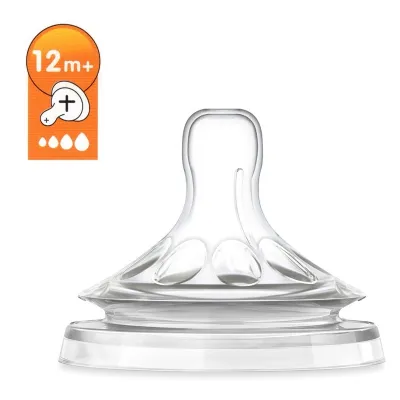
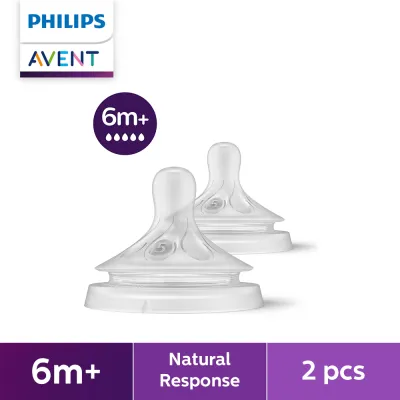
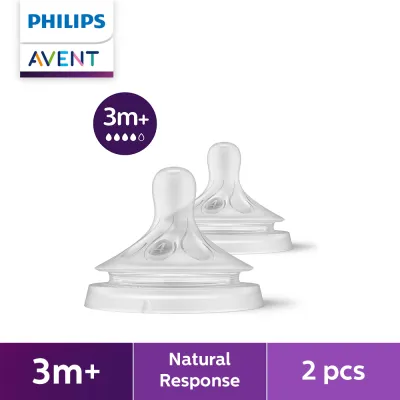
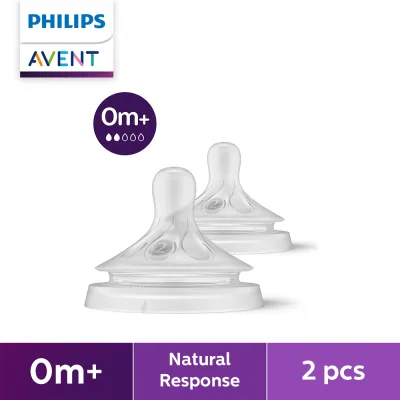
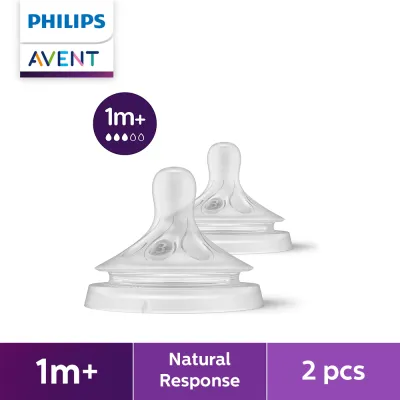
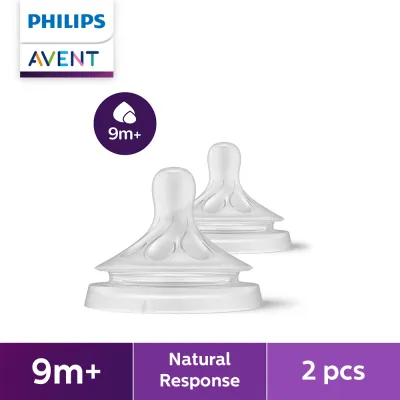
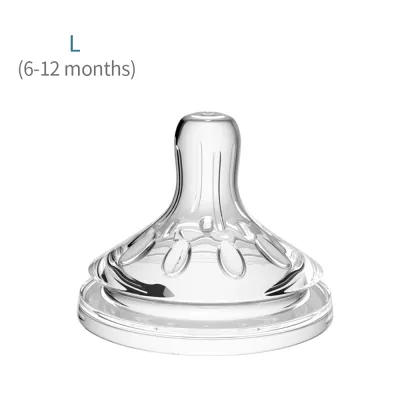
Prices are valid at publication and may change. Please refer to the product page for the latest price.
Understanding the Core Differences: Silicone vs Latex
Understanding the physical and sensory differences between silicone and latex is the first step in choosing the right teat. Visually, the two materials are easy to tell apart. Silicone teats are completely clear and transparent, maintaining a clean and modern appearance. Latex teats have a distinct amber or golden-yellow tint, which is a natural characteristic of harvested rubber sap.
The tactile differences are even more significant for a feeding infant. Latex is incredibly soft, highly flexible, and stretches easily in response to your baby’s sucking motions. This high level of elasticity can make the transition from breastfeeding to bottle-feeding smoother for some infants, as the material mimics the natural movement of skin. Silicone is noticeably firmer and holds its molded shape more rigidly, requiring your baby to apply consistent pressure to maintain a steady flow.
Odor and taste also play a role in how your baby accepts a bottle. Silicone is completely inert, meaning it does not retain odors or tastes from milk, dish soap, or sterilizing agents. Latex, being a natural organic material, can sometimes carry a faint rubbery scent or taste. While many babies do not mind this, highly sensitive infants may reject a latex teat because of its distinct flavor. When purchasing, always check the product packaging to verify material purity and ensure no artificial scents have been added to mask the natural rubber smell.
Evaluating Safety and Allergy Risks
Safety is the top priority for any parent, and understanding the potential health risks associated with each material is crucial. The primary safety concern with latex is the risk of natural rubber latex allergies. Although relatively rare, a latex allergy can develop over time with repeated exposure. Caregivers must closely monitor their infants for any signs of sensitivity, such as redness around the lips, skin irritation, hives, or persistent fussiness during and after feeding. If you observe any of these symptoms, discontinue use immediately and consult a qualified pediatrician.

Silicone serves as an excellent, widely recommended hypoallergenic alternative. Because it is a synthetic polymer, it does not contain the plant proteins responsible for natural rubber allergies. This makes silicone a safer baseline choice if your family has a history of allergies or if your baby has highly sensitive skin. Regardless of the material you choose, always verify that the product packaging explicitly states the teats are BPA-free and BPS-free to protect your baby from harmful chemical leaching.
When shopping online, it is easy to encounter counterfeit or substandard feeding products. To ensure your baby’s safety, do not rely solely on the claims made in third-party e-commerce product listings. Instead, look for recognized safety certification marks printed directly on the physical packaging or cross-reference the product details on the manufacturer’s official website. Taking this extra step ensures that the teats have undergone rigorous quality control checks before reaching your home.
Comparing Durability and Sterilization Compatibility
How a teat handles daily cleaning and sterilization is a major factor in its overall durability. In tropical climates with high humidity, thorough sterilization is essential to prevent the growth of harmful bacteria and mold on feeding equipment. Silicone is highly heat-tolerant and can withstand repeated exposure to boiling water, steam sterilizers, and UV sterilization systems without losing its structural integrity. However, you should always cross-reference the teat manufacturer’s maximum temperature limits with the specific settings of your sterilizer to avoid accidental damage.
Latex is far more sensitive to environmental factors and high heat. Frequent exposure to boiling water or steam sterilization accelerates the breakdown of natural rubber, causing the material to become sticky, soft, and structurally weak. In humid conditions, degraded latex can become porous, creating microscopic crevices where moisture and milk residue can trap, potentially leading to mold growth. If you choose latex, you must be prepared for a more delicate cleaning routine and a much shorter product lifespan.
Bite marks and physical wear also differ between the two materials. As babies grow and begin teething, they often bite down on the teat during feeds. Latex is highly resistant to immediate tearing due to its elasticity, but over time, constant biting will cause it to stretch out of shape and lose its flow control. Silicone, while firmer, is more prone to sudden, clean splits if punctured by sharp baby teeth.
To maintain a safe feeding routine, establish a regular checklist to observe material degradation. For latex, look for swelling, a sticky texture, discoloration, or a teat that collapses easily during feeding. For silicone, check for cloudy discoloration, fine cracks around the tip, or a sudden increase in flow rate. If you notice any of these changes, the teat is no longer safe and must be replaced immediately.
Decision Guide: Choosing the Right Teat for Your Baby
Choosing between silicone and latex does not require finding a universal winner; instead, it requires matching the material to your household’s specific needs and lifestyle.
You should choose silicone teats if your baby has sensitive skin or a family history of allergies. Silicone is also the ideal choice if you prefer a low-maintenance, highly durable option that can withstand daily high-heat sterilization. It is particularly well-suited for tropical environments where high humidity can quickly degrade natural rubber. While silicone teats may require a slightly higher initial investment, their long lifespan often makes them more economical over time, reducing the frequency of replacements.
You should choose latex teats if your baby is highly sensitive to texture, struggles to latch onto firmer silicone surfaces, or is transitioning from breastfeeding. Latex can provide the familiar, soft comfort your baby needs to feed successfully. However, choosing latex means committing to a more rigorous inspection routine and accepting the added cost of purchasing replacements more frequently, which can impact your monthly baby care budget in ₱.
Before finalizing your purchase, especially when shopping on online marketplaces, always verify the product details. Confirm the material type, flow rate, and age recommendation printed on the official brand packaging upon delivery. Ensuring these specifications match your baby’s current developmental stage is vital for a safe and comfortable feeding experience.
Daily Inspection: When to Throw Away a Damaged Teat
Establishing a daily inspection routine is a simple yet highly effective way to prevent choking hazards and ensure ongoing feeding safety. Before every feed, take a moment to wash your hands thoroughly and inspect the teat. Gently pull the bulb of the teat in all directions, stretching it slightly to reveal any hidden micro-tears, weak spots, or structural damage that might not be visible at a glance.
Even if a teat looks perfectly fine, you must adhere to the manufacturer’s recommended replacement intervals. Over time, constant exposure to milk fats, saliva, and cleaning detergents will weaken both silicone and latex, even if no visible damage is present. Replacing teats on a regular schedule ensures that the flow rate remains consistent and the material remains hygienic.
Never attempt to extend the life of a damaged teat, even temporarily. A compromised teat can easily tear completely during a feed, presenting an immediate choking hazard or causing your baby to swallow excessive air, leading to painful colic. Always consult the product insert for proper disposal guidelines, and discard damaged teats immediately to keep your baby safe.
Frequently Asked Questions (FAQ)
Can I switch between silicone and latex teats for the same baby?
Yes, you can switch between the two materials, but your baby may need time to adjust to the change. Because silicone is firm and latex is highly flexible, your baby will experience a different sensation and flow dynamic when switching. Monitor your baby closely during the transition for any signs of frustration, latch issues, or skin sensitivity. If your baby shows persistent discomfort or refuses the bottle, it is best to stick to the material they prefer.
Do silicone and latex teats fit the same Avent bottles?
Compatibility depends entirely on the specific bottle system rather than the teat material itself. Avent offers different bottle ranges, such as the Natural and Anti-colic lines, which feature different collar sizes and venting designs. A silicone teat designed for the Natural bottle will not fit an Anti-colic bottle collar, and vice versa. Always check the compatibility guidelines printed on the teat packaging to ensure it matches your existing bottle system before making a purchase.

Community discussion
Share your experience or ask a question. Comments are reviewed before publication.