
When looking for an avent nipple replacement, parents in the Philippines often find themselves choosing between the traditional feel of latex and the modern durability of silicone. While latex is known for its soft, flexible texture that closely mimics the natural feel of skin, silicone has largely become the industry standard due to its hypoallergenic properties, resistance to high temperatures, and long-lasting structure. Making the right choice for your baby involves understanding how these materials behave under daily use, verifying what options are currently supported by the manufacturer, and observing your baby’s unique feeding patterns.
Choosing the correct nipple material is not just about comfort; it directly impacts your baby’s feeding safety, latch development, and overall health. Because every infant has a unique sucking strength and oral structure, a material that works perfectly for one baby might cause frustration or feeding difficulties for another. By understanding the physical characteristics of both silicone and latex, you can make an informed decision that supports your baby’s developmental stage and ensures a smooth, stress-free feeding routine.
Silicone vs. Latex: Understanding the Material Differences
Silicone is a synthetic, medical-grade material that has become the dominant choice for modern baby bottles and pacifiers. It is highly durable, clear, and completely tasteless and odorless, which helps prevent babies from developing a preference that might interfere with breastfeeding. Because silicone is a firm material, it retains its shape exceptionally well over time, even when subjected to vigorous sucking, frequent washing, and high-heat sterilization.
Products mentioned in this guide
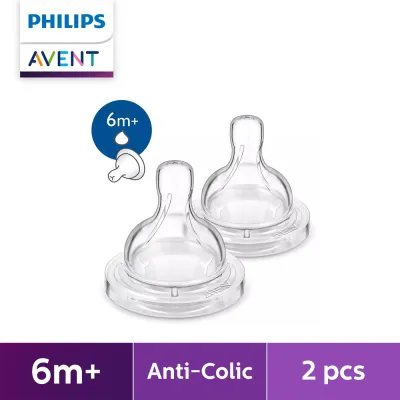
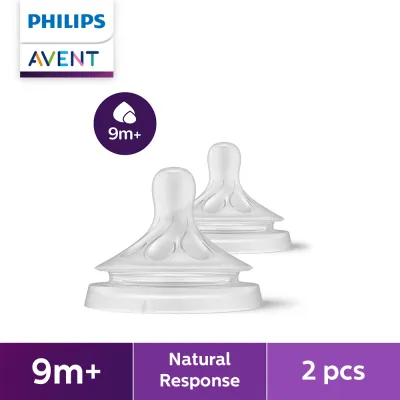
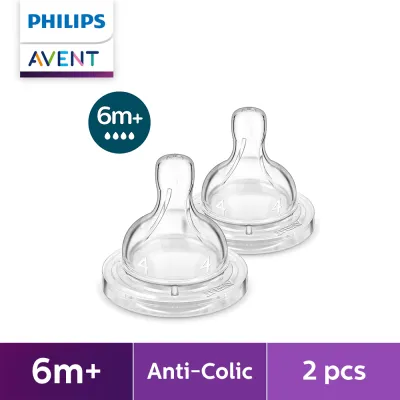
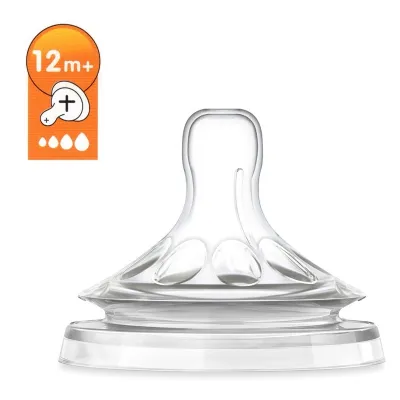
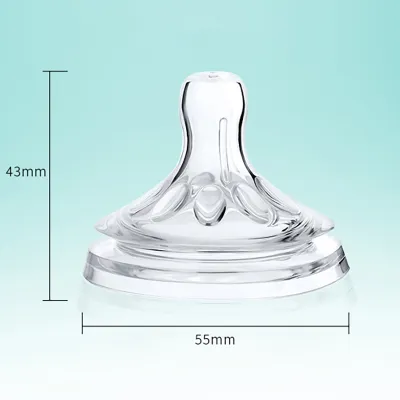
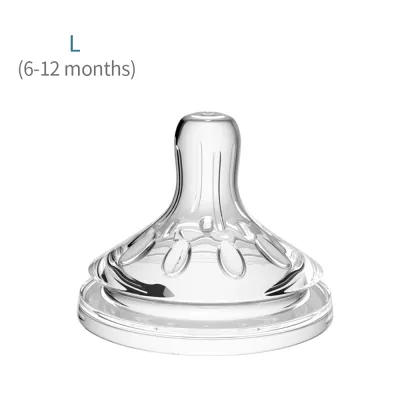
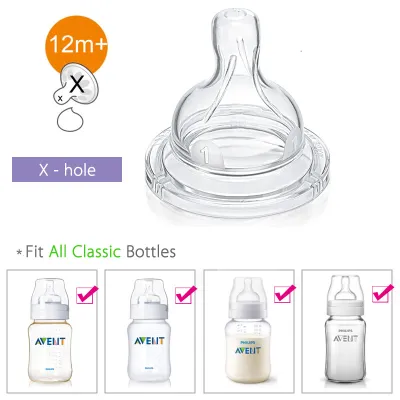
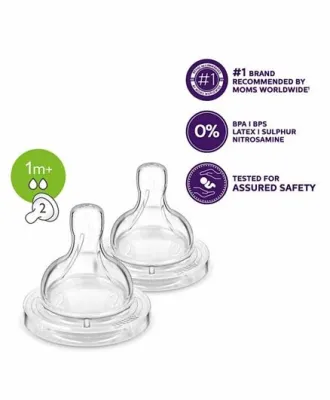
Prices are valid at publication and may change. Please refer to the product page for the latest price.
Latex, on the other hand, is a natural rubber material derived from the sap of rubber trees. It is characterized by its golden-brown color, distinct natural scent, and incredibly soft, flexible texture. Many parents find that babies who struggle to latch onto firmer silicone nipples accept latex more readily because its elasticity closely mimics the natural movement and warmth of a mother’s breast during feeding.
However, the natural properties of latex come with significant trade-offs in terms of durability and safety. Latex is highly sensitive to heat, sunlight, and lipids, meaning it degrades much faster than silicone when exposed to breast milk, infant formula, and routine cleaning. Over time, latex nipples can become sticky, swollen, or cracked, requiring much more frequent replacement to prevent physical hazards.
Allergies are another critical factor when evaluating latex. Natural rubber latex contains proteins that can trigger allergic reactions in sensitive infants, ranging from mild skin irritation to severe respiratory distress. Caregivers must carefully inspect product packaging for latex allergy warnings and consult a pediatrician immediately if they suspect any sensitivity or if there is a family history of latex allergies.
The physical texture of the nipple also plays a vital role in how your baby latches and swallows. A softer latex nipple compresses easily, which may benefit newborns or infants with a weaker suck who require less effort to draw milk. Conversely, a firmer silicone nipple provides consistent structure, encouraging active jaw movement and helping to prevent the nipple from collapsing during intense feeding sessions.
Verifying Material Options for Avent Replacement Nipples
Before purchasing replacement parts, it is essential to verify which materials are actively manufactured and distributed by the brand. Over the years, many major baby brands, including Philips Avent, have transitioned almost entirely to medical-grade silicone for their nipple lines. This shift is primarily driven by the material’s superior hygiene profile, hypoallergenic nature, and compatibility with modern steam and UV sterilization appliances.

To ensure you are buying genuine products that meet strict safety standards, always check official brand websites, authorized physical retailers, and reputable distributors in the Philippines. Counterfeit baby products are highly prevalent on unverified e-commerce platforms and online marketplaces. These imitation products often use sub-standard materials that may contain harmful chemicals, lack proper safety certifications, or tear easily, presenting a severe choking hazard to your baby.
When verifying authentic Avent products, pay close attention to the packaging and physical markings. Genuine Avent replacement nipples are sold in sealed, high-quality packaging that features clear batch codes, official distributor labels, and detailed material specifications. If a seller claims to offer latex Avent nipples, proceed with extreme caution; older latex models may have been discontinued, and any remaining stock could be expired, degraded, or counterfeit.
Additionally, check the physical characteristics of the nipple itself. Authentic Avent silicone nipples are crystal clear, smooth to the touch, and feature the brand’s logo and flow rate number molded directly into the base. If the material appears cloudy, has an unusual chemical odor, or lacks precise molded details, do not use it and contact the manufacturer or an authorized dealer for verification.
Choosing the Right Avent Nipple Based on Feeding Needs
Once you have verified the material, the next step is selecting the correct nipple design and flow rate to match your baby’s developmental stage. Nipple flow rates are categorized by numbers or stages, which correspond to the size and number of holes in the nipple tip. Newborns require a very slow, controlled flow to prevent them from swallowing too much air or choking, while older, more active feeders need a faster flow to keep up with their growing appetite.
The thickness of the liquid you are feeding also dictates your choice of nipple. Expressed breast milk is naturally thin and flows easily, making standard slow-flow nipples suitable for early stages. Prepared infant formula can be slightly thicker, and specialized anti-reflux or thickened feeds may require a variable-flow or Y-cut nipple to prevent the opening from clogging and causing frustration during feeds.
Avent offers distinct product lines, such as the Natural Response and the Anti-colic (formerly Classic+) ranges, which are designed with different feeding philosophies in mind. The Natural Response nipples are engineered to release milk only when the baby actively sucks, mimicking the natural breastfeeding rhythm, while the Anti-colic nipples feature an integrated valve system to reduce wind and discomfort. These lines are not interchangeable; a Natural Response nipple will only fit a Natural bottle ring, and using the wrong combination will result in leaks and poor feeding performance.
Caregivers must remain highly observant of how their baby behaves during feeds to determine if the current flow rate is correct. If the flow is too fast, your baby may choke, cough, sputter, swallow excessively, or have milk constantly leaking from the corners of their mouth. If the flow is too slow, you may notice your baby sucking frantically, showing signs of frustration, collapsing the nipple, or falling asleep before consuming a full feed.
Cleaning, Sterilizing, and Knowing When to Replace
Maintaining a strict cleaning and sterilization routine is vital to protect your baby’s developing immune system and prolong the lifespan of your replacement nipples. After every feeding session, disassemble the bottle completely and wash the nipple in warm, soapy water using a soft-bristled brush. Avoid using harsh abrasive pads or pushing the brush through the nipple hole, as this can easily tear the delicate silicone or latex material.
Sterilization methods must strictly align with the manufacturer’s instructions provided in the product manual. While silicone is highly resilient and can safely undergo boiling, steam sterilization, and UV sterilization, latex is extremely sensitive to heat and light. Exposing latex to high temperatures or UV rays for extended periods will cause the material to degrade rapidly, making it sticky, weak, and unsafe for use.
In the tropical and highly humid climate of the Philippines, proper storage is critical to prevent the growth of mold, mildew, and bacteria. After sterilizing, allow the nipples to air-dry completely on a clean, elevated rack in a well-ventilated area. Once dry, store them in a clean, covered container away from direct sunlight, damp areas, and heat sources to preserve the integrity of the material.
Regardless of the material you choose, you must inspect the nipple thoroughly before every single feed. Gently pull the bulb of the nipple in all directions to check for micro-tears, cracks, or thinning. Discard the nipple immediately if you observe any signs of wear, such as discoloration, a sticky or tacky texture, swelling, or if milk flows out in a continuous stream instead of a steady drip.
Frequently Asked Questions (FAQ)
Can I mix silicone and latex nipples for the same baby?
It is generally recommended to stick to one nipple material to ensure a consistent feeding experience and avoid nipple confusion. Mixing materials can make it difficult to identify potential latex allergies, as any adverse reactions might be hard to trace if the baby is constantly switching between silicone and latex. If you are considering switching materials or are unsure which is best for your baby’s development, consult a pediatrician or a lactation consultant for professional guidance.
How often should I replace Avent silicone nipples?
Although medical-grade silicone is highly durable, manufacturers generally recommend replacing bottle nipples every three months for hygiene and safety reasons. However, this timeframe is a general guideline rather than a fixed rule. You must inspect the nipple daily and replace it immediately if you detect any physical damage, thinning, changes in flow rate, or if your baby’s feeding habits indicate they have outgrown the current stage.

Community discussion
Share your experience or ask a question. Comments are reviewed before publication.