
When baby-proofing your home, selecting the right corner protector involves more than just picking a material off the shelf. There is no single “safest” material for every situation; the most suitable choice depends on your baby’s developmental stage, the type of furniture, and the specific impact risks in your living space. Effective protection relies on matching the material’s physical properties to your furniture’s surface, ensuring proper installation, and committing to regular inspections. This guide compares silicone, foam, and plastic options to help you make an informed, condition-based decision for your home.
As your little one transitions from crawling to those first unsteady steps, low-lying coffee tables, TV consoles, and dining table corners present immediate hazards. While it is tempting to buy the first multi-pack of protectors you find on an online marketplace, a mismatched material can easily fail. A protector that peels off too quickly or crumbles under tiny teeth can transition from a safety solution into a choking hazard. By understanding how silicone, foam, and plastic behave under daily wear and tropical humidity, you can establish a practical barrier against sharp edges.
Understanding Material Properties and Impact Absorption
Every material handles physical impact differently, and matching these properties to your baby’s mobility level is key to effective baby-proofing. Silicone is valued for its rubber-like flexibility and low-profile design. It does not compress as deeply as foam, but it offers excellent rebound elasticity, making it suitable for absorbing localized bumps without adding bulky layers. Because silicone is naturally slip-resistant and highly pliable, it conforms well to smooth, non-porous surfaces like glass, metal, or polished stone where thick padding might look out of place or fail to stick.
Products mentioned in this guide
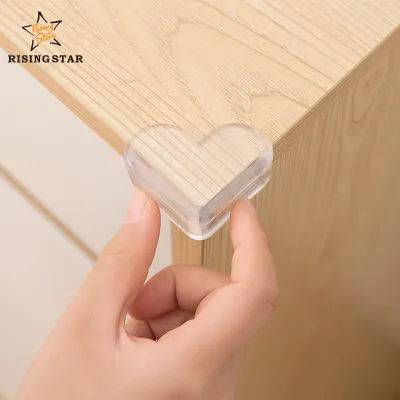
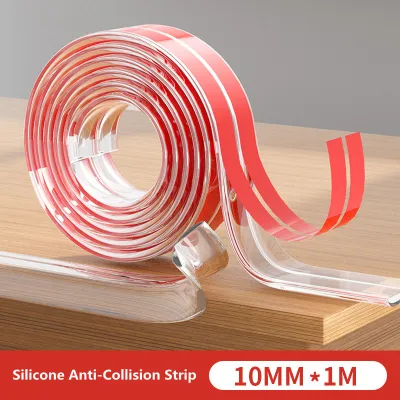
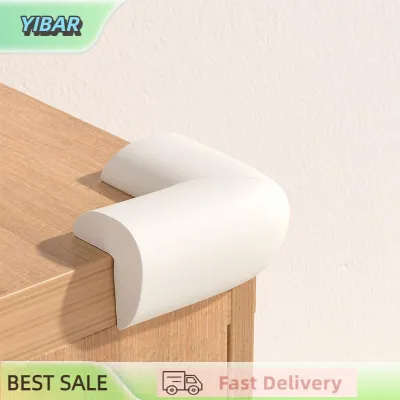
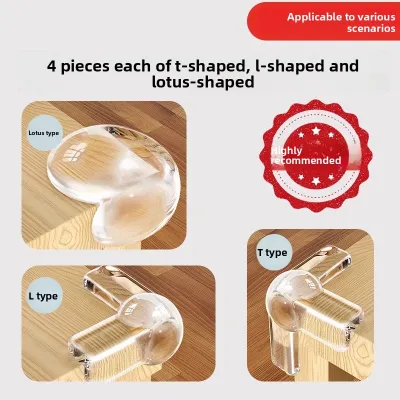
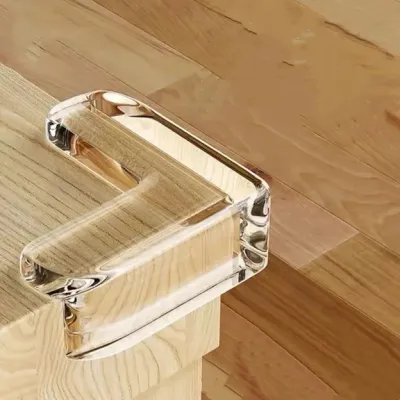
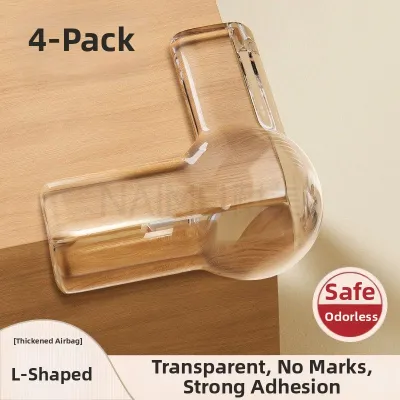
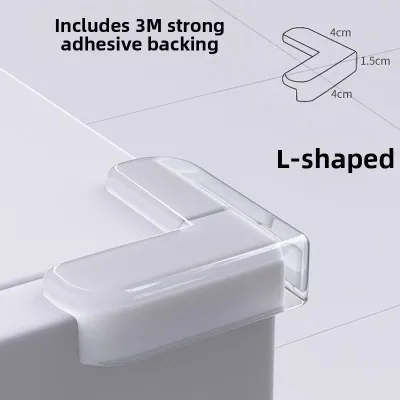
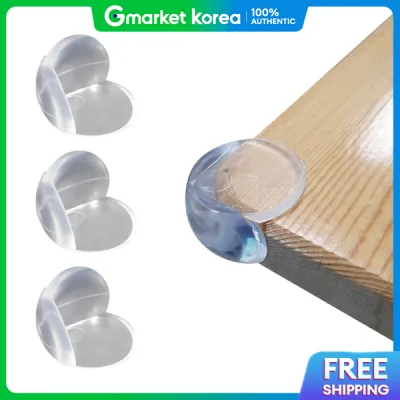
Prices are valid at publication and may change. Please refer to the product page for the latest price.
Foam corner protectors, typically made from expanded rubber or soft polymers, provide a thick physical barrier against sharp edges. A key characteristic of foam lies in its high compressibility, which allows it to absorb and distribute the force of an impact over a wider surface area. This makes foam highly suitable for low-lying, heavy wooden furniture where a falling toddler might land with significant force. However, this thickness also means foam protectors stick out significantly, making them easier for curious hands to grab, pull, or bite.
Plastic corner protectors, often made from clear polyvinyl chloride (PVC) or rigid polycarbonate, offer a firm, structural shield rather than a soft cushion. Instead of absorbing the impact through compression, rigid plastic deflects the force and rounds off an otherwise sharp corner. These protectors are highly durable and maintain their shape even under heavy pressure or repeated bumps from vacuum cleaners and toys. They are well-suited for heavy wooden desks or cabinets where soft padding would interfere with the furniture’s daily use or look too obtrusive.
Safety and Choking Hazard Considerations
A major safety consideration of any corner protector is not just how well it cushions a blow, but whether it stays attached to the furniture. When a protector detaches, it immediately becomes a choking hazard, especially for teething babies who explore their environment by chewing. Adhesive strength is highly dependent on surface compatibility; a tape that holds fast to finished wood might slide off glass or peel away from textured laminate. In warm, humid environments, standard adhesives can soften and lose their grip over time, requiring parents to check the bond frequently.

Material degradation is another critical factor to monitor as your baby grows. Soft foam is susceptible to tearing, and a teething baby can bite off small chunks, presenting a choking risk. If you notice any bite marks, crumbling edges, or peeling sections on a foam protector, it must be replaced immediately. Rigid plastic, while immune to chewing, can occasionally crack or snap if subjected to heavy impact or if the material degrades from exposure to direct sunlight. Regularly inspect plastic protectors for sharp, splintered edges that could cause cuts.
Before purchasing any baby-proofing products, always verify the manufacturer’s age recommendations and warning labels on the packaging. Look for clear indications regarding small-parts hazards and instructions on proper placement. Many manufacturers specify weight limits or age ranges during which their adhesives are most effective. Avoid buying unbranded, bulk-packaged protectors that lack clear safety instructions or material disclosures, as these may not meet basic consumer safety guidelines.
Durability, Maintenance, and Aesthetic Fit
Maintaining a clean and hygienic environment around your baby-proofing installations requires understanding how each material handles moisture and cleaning agents. Silicone is straightforward to clean, as its non-porous surface resists water, dust, and sticky spills. You can wipe it down with a damp cloth and mild soap without worrying about water damage or material breakdown. This moisture resistance is particularly beneficial in tropical climates where high humidity can encourage mold growth under poorly sealed protectors.
Foam protectors require more careful maintenance because their porous structure can trap dust, liquids, and crumbs. If a drink spills on a foam protector, the liquid can seep into the material, making it difficult to sanitize thoroughly and potentially weakening the adhesive backing from underneath. Additionally, foam is vulnerable to peeling attempts; once a baby discovers they can pinch and pull the soft material, the protector’s lifespan decreases dramatically.
For parents concerned about preserving the aesthetic appeal of their living space, clear plastic and silicone options offer a discrete solution. Transparent protectors allow the natural wood grain or color of your furniture to show through, making the baby-proofing measures less visually disruptive. Colored or opaque foam protectors, while highly visible and useful for highlighting hazards, can clash with your home decor. However, clear plastic can yellow over time when exposed to UV light from nearby windows, so you may need to replace them periodically to maintain a clean look.
Decision Framework: Which Material Fits Your Furniture?
Selecting the right corner protector requires analyzing the specific furniture pieces in your home rather than buying a single material in bulk. To make the most appropriate choice, evaluate the material of the furniture, its location, and how your family uses the space daily.
Choose silicone if you are protecting glass coffee tables, smooth metal bed frames, or modern minimalist furniture. Silicone’s flexibility allows it to wrap cleanly around thin glass edges, and its high-grip texture ensures a firm bond on non-porous surfaces. It is also a practical choice if you want a low-profile barrier that does not catch on clothing or blankets as you walk past.
Choose foam if you have heavy, sharp-edged wooden dining tables, TV consoles, or low shelves where newly crawling babies or toddlers are learning to stand. The deep cushioning of foam provides the necessary impact absorption for high-velocity bumps. Foam is also suitable for rougher, unfinished wood surfaces where a thicker adhesive layer can fill in minor surface irregularities.
Choose plastic if you need rigid, transparent protection for heavy wooden desks, dining table corners, or cabinets where thick foam would prevent drawers from opening or alter the furniture’s utility. Clear plastic protectors keep the corners rounded without drawing attention to the baby-proofing, making them well-suited for formal living areas or home offices.
Before applying any protector, verify the condition of your furniture’s surface. If the wood is antique, freshly painted, or finished with a delicate veneer, standard high-strength adhesives can strip away the paint or varnish upon removal. For these delicate surfaces, look for specialized, low-residue adhesives, or consider alternative baby-proofing methods like fabric corner guards or temporary foam bumpers that do not rely on permanent chemical bonds.
Installation and Ongoing Inspection Checklist
Proper installation is the foundation of any baby-proofing strategy. Even a durable corner protector will fail if the surface is not prepared correctly before application. Begin by thoroughly cleaning the furniture corner with rubbing alcohol or mild soap and water to remove dust, grease, and polish residues. Allow the surface to dry completely; any trapped moisture, especially in humid climates, will compromise the adhesive’s ability to cure. Apply the adhesive firmly, pressing down on all sides for at least thirty seconds, and allow it to cure for the manufacturer-recommended time—usually twenty-four hours—before letting your baby near it.
To ensure ongoing safety, establish a routine weekly inspection of all corner protectors in your home. Perform a quick “pull and pinch” test on each guard:
- Check Adhesion: Gently tug the protector to ensure the edges are not lifting or peeling away from the furniture.
- Inspect Material Integrity: Pinch soft foam protectors to check for bite marks, tears, or crumbling sections.
- Look for Cracks: Examine rigid plastic guards for hairline fractures or sharp edges caused by accidental impacts.
- Clean Surrounding Areas: Wipe away any dust or sticky residue that has accumulated around the borders of the adhesive tape.
If a protector becomes loose, damaged, or shows signs of material fatigue, stop using it immediately. Do not attempt to reattach a failing protector with household glue or unverified tape, as this can damage your furniture or create a chemical hazard for your child. Consult the manufacturer’s instructions for safe removal, clean off the old adhesive residue entirely, and apply a fresh, authorized replacement guard.
Frequently Asked Questions (FAQ)
Can I use double-sided tape instead of the included adhesive?
It is recommended to use only the adhesive supplied by the manufacturer, as it has been specifically tested for compatibility with that protector’s material. Standard household double-sided tape often lacks the shear strength required to withstand a toddler’s pulling forces or the impact of a collision. If you must use a third-party tape, verify its safety specifications, weight ratings, and surface compatibility. Ensure it is labeled non-toxic, as your baby may attempt to chew on the edges of the protector where the adhesive is exposed.
At what age can I remove corner protectors?
Rather than relying on a strict age limit, base your decision to remove corner protectors on your child’s physical development, spatial awareness, and motor control. Most children develop stable walking patterns, better balance, and an understanding of physical boundaries between the ages of two and three. Once your child can navigate around furniture without frequent stumbles and shows no interest in peeling or chewing the guards, you can begin removing them. Monitor their behavior closely after removal to ensure they do not struggle with the newly exposed corners.
Are there non-toxic certifications I should look for?
When shopping for corner protectors, carefully read the product packaging and labels for material safety disclosures. Look for clear claims indicating the product is free from harmful chemicals, such as BPA-free, phthalate-free, lead-free, and flame-retardant-free. Because babies often bite or chew on these guards, verifying these material standards helps ensure that no harmful substances are ingested. Avoid products that do not list their material composition or lack clear safety compliance labels on the packaging.

Community discussion
Share your experience or ask a question. Comments are reviewed before publication.