
Choosing between silicone and foam table edge stoppers comes down to balancing your toddler’s developmental habits with the physical properties of each material. While foam offers deep impact cushioning for high-velocity bumps, silicone excels in durability, bite resistance, and ease of cleaning. In tropical environments like the Philippines, where high humidity and heat can affect adhesive performance and material degradation, making the right choice requires looking closely at how your child interacts with their surroundings. Neither material is a substitute for active caregiver supervision, but selecting the correct protector significantly reduces the risk of minor injuries on sharp furniture corners.
Core Safety Differences: Impact Absorption vs. Choking Hazards
To evaluate the safety of any table edge stopper, you must look beyond the marketing claims and examine the physical specifications of the product. Foam protectors are typically made from expanded rubber or soft plastics like NBR (nitrile butadiene rubber). This material is highly compressible, meaning it excels at absorbing the kinetic energy of a toddler running or falling into a sharp corner. When shopping, check the manufacturer’s packaging for density and thickness ratings. Thicker, high-density foam is ideal for low-level coffee tables or TV consoles where a falling child might strike their head with significant force.
Silicone, on the other hand, is a denser, firmer elastomer. While it does not compress as deeply as thick foam, it provides excellent localized protection against cuts and bruises from sharp edges. The primary safety advantage of silicone lies in its structural integrity. High-quality, food-grade silicone is incredibly difficult for a child to tear or bite apart. When evaluating silicone protectors, inspect the product details for tear-resistance ratings. This is crucial because a toddler’s sharp primary teeth can easily puncture weaker materials, creating small, detached pieces that present a severe choking hazard.
Products mentioned in this guide
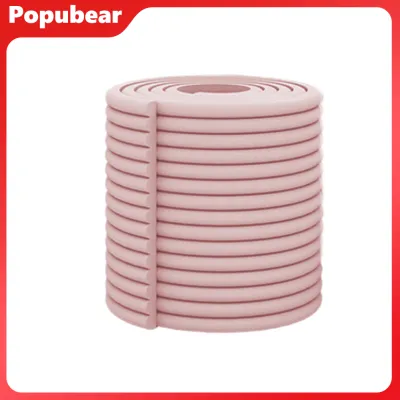
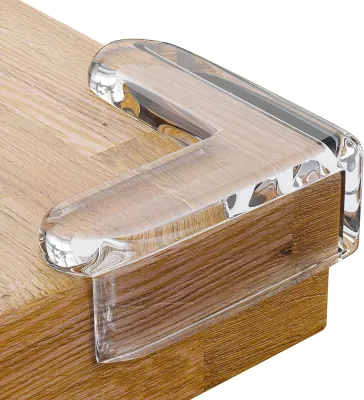
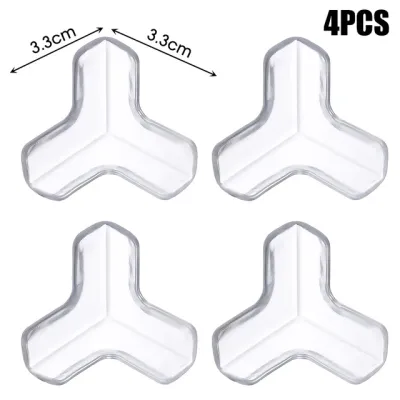
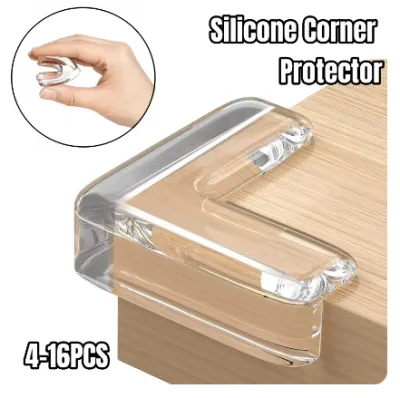
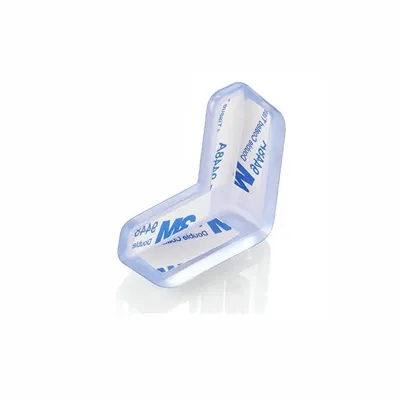

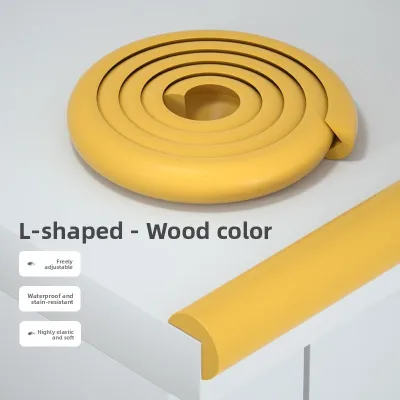

Prices are valid at publication and may change. Please refer to the product page for the latest price.
Regardless of the material you choose, always review the manufacturer’s age recommendations and safety certifications on the packaging. Many edge guards are designed for specific developmental stages, such as crawling infants or walking toddlers. Look for explicit choking hazard warnings, especially on smaller corner guards that might detach if the adhesive fails. Remember that no edge protector is completely child-proof; you must regularly inspect the installation to ensure the guards remain firmly attached and free of damage.
Durability and Toddler Behavior: Peeling, Biting, and Wear
A toddler’s interaction with their environment is highly tactile, often involving picking, pulling, and teething. Foam edge guards are highly susceptible to these behaviors. Because foam is soft and porous, a determined toddler can easily dig their fingernails into the material, leading to crumbling, denting, or peeling. If your child is currently teething, they may view a soft foam bumper as a chew toy. Biting into foam not only destroys the protector but also risks the child swallowing small, synthetic particles. If you observe your child biting or picking at a foam guard, it is time to remove it immediately.

Silicone table edge stoppers offer far superior resilience against physical wear. The material’s elastic properties allow it to stretch and bend without losing its original shape or tearing. Even if a teething toddler attempts to chew on a silicone guard, the material typically resists puncture and remains intact. This makes silicone the preferred choice for households with active “pickers” who systematically try to peel away anything stuck to the furniture.
The durability of both materials is heavily dependent on the adhesive backing used to secure them. In warm, humid climates, standard double-sided adhesives can soften, lose their grip, and slide off the furniture. Before purchasing, verify the adhesive type recommended by the manufacturer. Some brands include heavy-duty acrylic adhesives designed to withstand both humidity and a toddler’s pulling force. Always check the manufacturer’s guidelines to ensure the adhesive is compatible with your specific table finish, as some strong adhesives can strip paint, varnish, or wood veneer upon removal.
Maintenance, Cleaning, and Aesthetic Fit
Maintaining a hygienic environment around your toddler is a daily challenge, and your choice of edge protector can make this task easier or harder. Foam is naturally porous, meaning it can absorb liquids, drool, spilled milk, and dust. Over time, these trapped substances can lead to bacterial growth or unpleasant odors if not cleaned promptly. Cleaning foam requires gentle wiping with a damp cloth and mild soap, as harsh chemical cleaners can degrade the material, causing it to harden or crumble prematurely.
Silicone is non-porous and water-resistant, making it exceptionally easy to clean. You can wipe away food spills, sticky juices, and drool with standard household disinfectants or soap and water without damaging the material. This makes silicone protectors highly suitable for dining tables, high chairs, and kitchen countertops where food contact is frequent.
Aesthetic impact is another key consideration for many parents. Foam protectors are thick, opaque, and highly visible, often coming in solid colors like brown, black, or grey. While they can be matched to wood or dark furniture, they generally stand out and alter the look of your living space. Silicone protectors are widely available in clear, transparent designs. These clear guards allow the natural beauty of your wood, glass, or metal furniture to show through, making them much more discreet. However, you should monitor clear silicone over time, as exposure to sunlight and humidity can cause some lower-quality silicone to yellow or become cloudy, signaling that it may need replacement.
Comparison Matrix: Silicone vs. Foam Edge Protectors
To help you quickly evaluate these two materials, the following matrix summarizes their key performance characteristics based on observable traits and typical household conditions.
| Feature | Silicone Edge Protectors | Foam Edge Protectors |
|---|---|---|
| Impact Cushioning | Moderate; best for preventing cuts and minor bruises on sharp edges. | High; thick, dense material absorbs heavy impacts from falls. |
| Bite & Pick Resistance | High; extremely difficult for toddlers to tear, bite, or peel apart. | Low; prone to crumbling, denting, and tearing under biting or picking. |
| Cleaning Ease | High; non-porous surface wipes clean easily and resists liquids. | Moderate to Low; porous surface can trap dirt, drool, and spills. |
| Aesthetic Profile | Discreet; transparent options blend well with most furniture styles. | Highly visible; bulky, opaque profiles that alter furniture appearance. |
| Ideal Furniture Types | Glass, metal, and modern dining tables where discretion is preferred. | Heavy wooden tables, low coffee tables, and sharp masonry corners. |
How to Choose the Right Table Edge Stopper for Your Home
Selecting the right table edge stopper requires analyzing your specific household setup, your furniture materials, and your child’s current developmental stage. There is no one-size-fits-all solution, and many parents find that a combination of both materials works best in different areas of the home.
Choose Silicone if:
- Your toddler is in an active teething phase and tends to bite or pick at household objects.
- You are baby-proofing a dining table, kitchen island, or any surface where food and drinks are regularly spilled.
- You want to protect glass, metal, or modern minimalist furniture where bulky foam guards would look unsightly.
- You require a low-profile guard that blends into the background while still covering sharp, pointed corners.
Choose Foam if:
- Your child is learning to walk and frequently loses their balance, requiring maximum impact cushioning against low-lying, sharp edges.
- You are protecting heavy, rustic wooden furniture or sharp stone hearths where thick padding is necessary to prevent serious impact injuries.
- Your toddler does not show a tendency to bite, chew, or pick at foam materials.
- The aesthetic impact of thick, colored bumpers is not a primary concern for your living space.
Verify first if:
- You are applying adhesives to antique, delicate, or freshly painted furniture. Strong adhesives can cause permanent damage to delicate finishes upon removal. Always test a small, inconspicuous area of the furniture with the adhesive before applying the protector fully.
- You are dealing with high-humidity areas in your home. Check the adhesive manufacturer's specifications to ensure the tape can withstand tropical moisture levels without slipping. If the adhesive begins to fail, replace it immediately to prevent the guard from falling off and becoming a hazard.
Frequently Asked Questions (FAQ)
Are clear silicone edge protectors completely invisible on glass tables? (FAQ)
While clear silicone edge protectors are designed to minimize visual impact, they are not completely invisible. Light refraction through the thick silicone, combined with the visible lines of the double-sided adhesive tape underneath, makes them detectable upon close inspection. However, they remain the most discreet option available for glass and modern furniture, especially when compared to bulky, opaque foam alternatives.
How often should I replace foam or silicone edge guards? (FAQ)
There is no fixed timeline for replacing edge guards, as wear depends entirely on your home’s environment and your child’s behavior. You should inspect the guards weekly and replace them immediately if you observe signs of degradation. For foam, look for crumbling, deep bite marks, or peeling edges. For silicone, check for tearing, yellowing, or hardening. Regardless of material, if the adhesive backing loses its grip and the guard slides easily, it must be replaced to maintain safety.
Can I use double-sided tape instead of the adhesive provided with the stoppers? (FAQ)
It is highly recommended to use the specific adhesive provided or recommended by the manufacturer. Table edge stoppers are engineered to work with adhesives that match their specific material weight and flexibility. Generic double-sided tape may not bond correctly to silicone or foam, leading to premature failure when a toddler pulls on the guard. If you must replace the adhesive, look for heavy-duty acrylic tapes specified for baby-proofing products and follow the installation instructions carefully.

Community discussion
Share your experience or ask a question. Comments are reviewed before publication.