
The safest material for a baby suction bowl depends on how you use, clean, and heat it, as food-grade silicone, BPA-free plastic, and stainless steel each offer distinct safety profiles. Food-grade silicone is highly flexible and heat-resistant, stainless steel is exceptionally hygienic and durable, and high-quality plastic provides a lightweight, budget-friendly option. Rather than searching for a single, universally perfect material, safety relies on verifying manufacturer certifications, checking for chemical additives, and matching the bowl’s properties to your baby’s weaning stage.
In warm, humid environments like the Philippines, choosing materials that resist mold, dry quickly, and withstand frequent sterilization is essential for maintaining daily hygiene. By understanding the unique characteristics of each material, you can make an informed decision that keeps your baby’s meals safe and stress-free.
Key Safety Markers to Check on Any Baby Suction Bowl
Before focusing on a specific material, look closely at the packaging and product labels for food-contact safety certifications. Look for recognized regulatory markers such as FDA compliance or LFGB certification, which indicate the material has undergone testing for chemical migration. These standards ensure that the materials used do not transfer harmful substances to your baby’s food during preparation or feeding.
Products mentioned in this guide
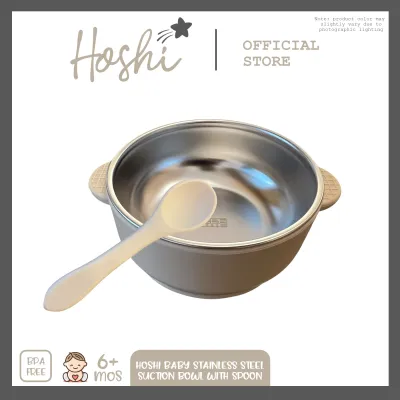
Prices are valid at publication and may change. Please refer to the product page for the latest price.
Examine the material identification codes, often stamped on the bottom of the bowl or listed in the product manual. For plastics, look for the recycling triangle; safer food-use plastics typically carry the number 2 (HDPE) or number 5 (PP), while you should generally avoid numbers 3 (PVC) and 7 (other, unless explicitly certified as baby-safe and BPA-free). Understanding these codes helps you avoid materials that may degrade quickly under heat.
Verify that the manufacturer explicitly states the product is free from harmful chemical compounds. This includes checking for “BPA-free,” “BPS-free,” “PVC-free,” and “phthalate-free” labels, as these industrial chemicals can leach into warm food if present in low-grade materials. Reliable brands will openly share these specifications on their packaging or official websites.
Pay close attention to the suction base itself, as it is frequently made of a different material than the main bowl body. A stainless steel or rigid plastic bowl often utilizes a silicone or thermoplastic elastomer suction ring, which requires its own separate safety and heat-resistance verification. Ensure that all detachable parts are made from non-toxic, food-grade materials.
Always locate the manufacturer’s specified temperature limits and safety symbols. Look for the distinct embossed icons for microwave safety, dishwasher safety, and sterilization limits, as exceeding these thresholds can cause materials to degrade, warp, or release unwanted compounds. Following these guidelines preserves the structural integrity of the bowl over time.
Evaluating Silicone Suction Bowls for Weaning
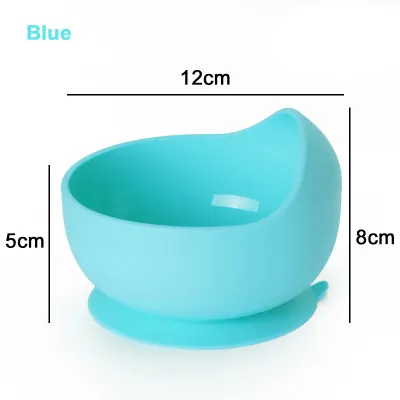
Food-grade silicone has become a popular choice for baby tableware due to its soft texture and impressive thermal endurance. It can typically withstand high temperatures, making it compatible with steam sterilizers, boiling water, and top-rack dishwasher cycles. However, you must always verify the manufacturer’s exact temperature limits before exposing the bowl to extreme heat.

The natural flexibility of silicone makes it highly drop-resistant, which is ideal when your baby is learning to self-feed. While a flexible bowl will not crack or shatter when tossed from a high chair, it can sometimes bend under heavy pressure, requiring a strong suction base to maintain stability on your feeding tray. This flexibility also makes it gentle on developing gums and teeth.
When shopping, verify whether the product is made of 100% pure food-grade silicone or a silicone blend. Some lower-cost options contain plastic fillers that compromise the material’s safety and heat resistance; you can perform a simple pinch test by twisting a flat section of the silicone—if white streaks appear, it likely contains fillers. Pure silicone will retain its solid color throughout the twist.
In humid tropical climates, silicone requires diligent maintenance to prevent the buildup of soap residue, food odors, and stubborn stains. Strong-colored purees, such as squash or carrots, can easily stain silicone if left unwashed, so prompt rinsing with mild, fragrance-free dish soap is highly recommended. Ensuring the bowl dries completely in a well-ventilated area helps prevent mold growth.
Assessing Plastic Suction Bowls for Daily Use
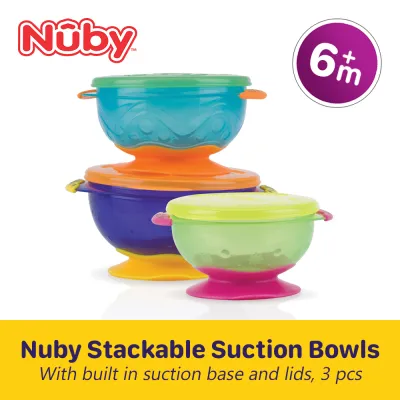
Modern plastic suction bowls, particularly those made from polypropylene, offer a lightweight and highly practical solution for busy households. They are exceptionally drop-resistant and easy to pack for travel, making them a convenient option when feeding your baby on the go or at a relative’s house. Their rigid structure also makes them easy for little hands to hold.
However, plastic is susceptible to physical wear and tear over extended periods of use. As your baby begins using metal or rigid plastic spoons, the surface of the bowl can develop deep scratches, which can harbor bacteria and become difficult to sanitize thoroughly, even with regular washing. Inspecting the bowl regularly for these micro-scratches is crucial for maintaining hygiene.
To maintain the integrity of a plastic bowl, you must strictly adhere to its microwave and dishwasher safety limits. Heating plastic beyond its recommended temperature can cause the material to warp, degrade, or slowly break down, which may shorten its usable lifespan. If you choose to microwave plastic, ensure it is explicitly labeled as microwave-safe.
In terms of affordability, plastic suction bowls are often the most budget-friendly option on the market. Prices typically range from around ₱150 to ₱400, making them highly accessible, though you should factor in the cost of more frequent replacements when the material shows signs of scratching or wear. This makes them a practical short-term choice for early weaning.
Considering Stainless Steel Suction Bowls
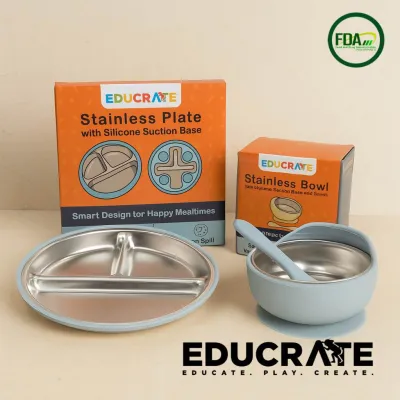
Stainless steel suction bowls, usually crafted from food-grade 304 or 316 stainless steel, are highly valued for their exceptional durability and hygiene. Unlike plastic, stainless steel is virtually unbreakable and highly resistant to deep scratching, ensuring a smooth, non-porous surface that does not harbor bacteria or retain food odors. This makes it an excellent long-term investment.
One important consideration when using stainless steel is its high temperature conductivity. Because metal transfers heat rapidly, serving very hot food can make the exterior of the bowl warm to the touch; many designs mitigate this risk by incorporating a double-walled insulated structure or a protective outer silicone sleeve. Always test the food temperature before offering the bowl to your baby.
The inherent weight of a stainless steel bowl is generally heavier than plastic or silicone alternatives. While this weight adds a premium feel, it requires a highly effective suction base to prevent the bowl from sliding or tipping on smooth high chair trays and wooden dining tables. The added weight can actually help stabilize the bowl during enthusiastic self-feeding.
Because stainless steel cannot form a suction seal on its own, these bowls rely on an integrated or removable silicone outer base. When purchasing, verify how easily this base can be detached for thorough cleaning, as moisture can easily get trapped between the metal bowl and the silicone suction ring, leading to mold growth in humid conditions. Keeping these parts dry is key to their longevity.
Choosing the Right Material for Your Baby's Weaning Stage
Selecting the right suction bowl depends heavily on your baby’s current developmental stage and feeding method. For early weaning with smooth purees, a lightweight plastic or soft silicone bowl works exceptionally well, as parents typically handle the spoon and feed the baby directly. These materials are gentle and easy to manage during the initial transition to solids.
If you are practicing baby-led weaning, where your baby handles solid chunks of food and practices self-feeding, a sturdy silicone or stainless steel bowl with a powerful suction base is highly beneficial. These materials withstand the enthusiastic banging, scooping, and dropping that naturally occur as motor skills develop. A strong suction seal prevents the entire meal from ending up on the floor.
Consider your primary feeding environment when building your tableware collection. A lightweight plastic bowl is highly convenient for travel and daycare, while a durable stainless steel or heavy-duty silicone bowl is ideal for daily, long-term use at home. Having a mix of options ensures you are prepared for any feeding scenario.
Creating a mixed-material shortlist allows you to balance safety, convenience, and budget. For instance, you might use silicone bowls for warm meals that require microwave heating, and stainless steel bowls for cold fruits or yogurt snacks to keep them cool during warm afternoons. This approach maximizes the benefits of each material type.
Regardless of the material you choose, establish a regular inspection and replacement schedule. Inspect the bowls weekly for signs of physical damage, such as deep scratches in plastic, tearing in silicone, or a loss of suction power in the base, and replace any item that can no longer be thoroughly sanitized or secured to the table. Prioritizing regular checks ensures a safe feeding experience throughout your baby’s weaning journey.
Frequently Asked Questions (FAQ)
Can I put all silicone suction bowls in the microwave?
No, you cannot assume all silicone suction bowls are safe for microwave use. While pure food-grade silicone is highly heat-resistant, many suction bowls feature integrated plastic bases, suction release tabs, or hidden metal rings that can melt or spark in the microwave. Always check the manufacturer’s packaging for the microwave-safe symbol and verify the maximum temperature threshold before heating.
How do I know if a plastic suction bowl is truly BPA-free?
To verify that a plastic suction bowl is truly BPA-free, look for clear resin identification codes (such as number 5 for polypropylene) and third-party safety certifications on the packaging. Avoid relying solely on front-of-pack marketing claims; instead, check the manufacturer’s official website for detailed material specifications or contact their customer service to confirm compliance with international food safety standards.
Why does my stainless steel bowl not stick to the table?
A stainless steel bowl cannot create a suction seal on its own because metal is rigid and non-porous; it relies entirely on an attached silicone or rubber suction base. If your bowl is not sticking, ensure that both the suction base and the table surface are completely clean, dry, and free of dust or grease. Additionally, verify that the table surface is smooth and non-porous, as textured wood or matte finishes will prevent the suction cup from maintaining a vacuum seal.

Community discussion
Share your experience or ask a question. Comments are reviewed before publication.