
Transitioning your baby from a bottle or breast to a cup is a major developmental milestone. As you browse local baby boutiques or online marketplaces, you will notice that spout cups come in a variety of materials. Choosing the safest spout cup material for your baby requires balancing safety certifications, durability, and your child’s current developmental stage. There is no single “perfect” material that fits every baby; instead, silicone, plastic, and stainless steel each offer distinct advantages and maintenance requirements.
In a warm and humid tropical climate, practical factors like mold prevention, ease of cleaning, and temperature retention become just as important as chemical safety. This guide breaks down everything you need to know to select a safe, durable, and practical spout cup that supports your baby’s transition to independent drinking.
Evaluating Safety Labels and Material Certifications
When evaluating any baby feeding product, safety certifications should always be your first checkpoint. Do not rely solely on marketing claims on the front of the packaging. Instead, turn the box over and look for recognized food-grade certification markings. In many regions, a symbol depicting a wine glass and a fork indicates that the material is certified safe for food contact.
Products mentioned in this guide
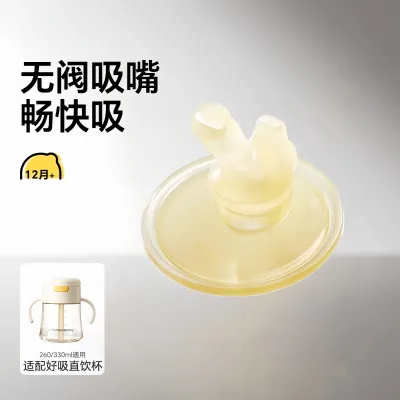
Prices are valid at publication and may change. Please refer to the product page for the latest price.
Chemical safety is a primary concern. You should actively verify that any plastic or silicone components are labeled as BPA-free (Bisphenol A). However, modern safety standards go beyond just BPA. Look for products that also explicitly claim to be BPS-free (Bisphenol S) and phthalate-free. These chemicals are plasticizers that can potentially leach into liquids, especially when exposed to heat during sterilization or when left in warm environments.
Age recommendations provided by the manufacturer are calibrated to your baby’s physical capabilities and safety needs. A cup designed for a 12-month-old might have a harder spout or a faster flow rate that could cause a 6-month-old to choke. Always check the packaging for the recommended age range and read any specific safety warnings regarding usage.
It is vital to understand that material names alone do not guarantee safety. Just because a product is labeled “silicone” or “stainless steel” does not mean it is free from low-quality fillers. Unbranded or extremely cheap products may bypass rigorous testing. To protect your baby, look for reputable brands that provide transparent manufacturing details and comply with international food safety standards.
Comparing Silicone, Plastic, and Stainless Steel Spouts
To choose the right cup, you must understand how silicone, plastic, and stainless steel perform in daily use. Each material handles wear, cleaning, and impact differently, which directly affects both safety and convenience.

Silicone Spouts: Softness and Care Requirements
Silicone is highly favored for early transition cups because of its exceptional softness and flexibility. The texture closely mimics a bottle nipple or breast, which can make the transition much easier for a hesitant baby. It is gentle on sensitive, swollen gums, providing comfort rather than discomfort when your baby bites down.
However, the soft nature of silicone means it requires diligent inspection. You must establish a daily routine of checking the spout for tiny tears, bite marks, or structural degradation. Active chewers can easily puncture silicone, creating small pieces that could pose a choking hazard. Furthermore, silicone is prone to harboring mold in its crevices. In humid climates, moisture can easily trap inside the valve or the base of the spout, leading to black mold spots that are difficult to remove.
Cleaning silicone requires care. While high-quality silicone is generally heat-resistant, you must consult the manufacturer’s instructions regarding sterilization limits. Over-sterilizing or using harsh chemicals can cause the silicone to become sticky, brittle, or cloudy, indicating that the material is breaking down and needs to be replaced.
Plastic Spouts: Durability and Label Checks
Plastic spout cups are popular due to their lightweight design and affordability. Hard plastic spouts are highly durable and bite-resistant, making them an excellent choice for older babies who have developed teeth and tend to chew on everything. Unlike silicone, a hard plastic spout will not tear or puncture under the pressure of emerging baby teeth.
Despite their durability, plastic cups require strict label checks. Because plastic is a synthetic polymer, ensuring it is free from harmful chemicals like BPA, BPS, and phthalates is non-negotiable. You should also verify if the plastic is top-rack dishwasher safe or if it can withstand steam sterilization, as some plastics warp or leach chemicals when exposed to extreme heat.
Plastic also has a shorter lifespan compared to stainless steel. Over time, daily washing, dropping, and scrubbing will cause the plastic to develop scratches, cloudiness, or a lingering odor. Scratches on the inside of a plastic cup are not just cosmetic issues; they create microscopic pockets where bacteria can hide and multiply, even after thorough washing. Once a plastic cup shows signs of heavy scratching or cloudiness, it should be retired.
Stainless Steel Spouts: Hygiene and Weight Considerations
Stainless steel is widely regarded as one of the most hygienic materials available for baby cups. Its non-porous surface does not scratch easily, meaning there are no hidden crevices for bacteria to colonize. It is also completely resistant to absorbing odors or stains, which is a common issue with plastic cups used for juices or milk. Additionally, stainless steel is excellent at maintaining liquid temperatures, keeping water cool and refreshing during hot days.
The primary trade-off with stainless steel is its weight and impact resistance. Stainless steel cups are significantly heavier than plastic or silicone alternatives. A younger baby who is still developing motor skills may find it difficult to lift and hold a full stainless steel cup independently. Furthermore, when a toddler inevitably drops or throws a stainless steel cup, the impact can dent the cup, damage flooring, or cause minor injuries if it lands on a tiny foot.
When purchasing a stainless steel cup, look for food-grade markings such as 304 or 18/8 stainless steel, which indicate high-quality, rust-resistant composition. You must also pay close attention to the lid and sealing mechanisms. While the body of the cup is steel, the spout and internal valves are almost always made of silicone or plastic. You must inspect these seals regularly to ensure they remain airtight and free from mold.
Matching the Spout Material to Your Baby’s Developmental Stage
Selecting the right spout cup is not a one-size-fits-all decision; it depends heavily on your baby’s age, physical development, and teething status. Matching the material to their current stage ensures a safer and more comfortable drinking experience.
For babies in the early transition stage, typically around 6 months of age, soft and flexible materials are the priority. At this stage, babies are still accustomed to the sucking reflex. A soft silicone spout feels familiar and is gentle on their delicate gums. Since they are just learning to grasp objects, a lightweight cup—either silicone or lightweight plastic—with dual handles is ideal to help them build grip strength without frustration.
As your baby enters the active teething phase, usually between 8 and 12 months, their chewing instinct intensifies. If they continue to use a soft silicone spout, they may quickly chew through it. During this phase, you should evaluate bite-resistant options. Hard plastic spouts or reinforced, thick silicone spouts are much better suited to withstand sharp new teeth. You must inspect the spout daily for any signs of material degradation or loose pieces.
By the toddler stage, which begins around 12 months and beyond, your child’s motor skills and independence are rapidly developing. They can handle heavier objects, making stainless steel cups an excellent, long-lasting investment. Toddlers are highly active and prone to dropping their cups during play, so choosing a durable, drop-resistant material like stainless steel or heavy-duty, BPA-free plastic ensures the cup survives daily wear and tear while supporting their transition to open-cup drinking.
Cleaning, Sterilization, and Replacement Guidelines
Proper maintenance is the key to ensuring any spout cup remains safe for your baby. No matter how high-quality the material is, poor hygiene practices can quickly turn a safe cup into a health hazard.
Always defer to the specific product’s instruction manual before sterilizing. Different materials have vastly different heat tolerances. While some silicone and stainless steel components can handle boiling water or steam sterilizers, certain plastics may warp or degrade. Furthermore, UV sterilizers, while highly convenient, can accelerate the aging process of certain plastics and silicone, causing them to become brittle, yellow, or crack prematurely.
Daily disassembly is non-negotiable. You must completely take apart every single component of the spout cup, including the spout, collar, straw, and any internal silicone valves or sealing rings. Wash each part thoroughly in warm, soapy water using specialized small brushes to reach into tight crevices. In humid environments, leaving these parts assembled or slightly damp is an open invitation for mold to grow. Allow all parts to air-dry completely in a well-ventilated area before reassembling them.
Knowing when to discard a spout cup or its parts is crucial for your baby’s safety. Establish clear stop-conditions: immediately throw away any silicone spouts that show bite marks, tears, or persistent discoloration. For plastic cups, replace them if they become heavily scratched, cloudy, or warped. If you detect any mold spots that do not wash away after thorough scrubbing and sanitizing, do not risk your baby’s health—discard the affected part immediately.
Frequently Asked Questions (FAQ)
Can I boil a silicone spout to sterilize it?
Whether you can boil a silicone spout depends entirely on the manufacturer’s specific temperature limits and guidelines. While high-quality, food-grade silicone is generally capable of withstanding boiling temperatures, some lower-grade silicones or hybrid designs with plastic collars may warp or degrade. Always check the product packaging or manual to verify the maximum temperature limit and the recommended boiling duration, which is typically limited to a few minutes to prevent material damage.
Are hard plastic spouts bad for a baby's teeth?
Hard plastic spouts are not inherently bad for a baby’s teeth, but their impact depends heavily on usage habits and your baby’s teething stage. Prolonged, continuous sucking on a hard spout—especially when used as a comfort pacifier throughout the day—can potentially affect oral development. If you have specific concerns about your baby’s dental alignment or teething patterns, it is always best to consult a pediatric dentist for personalized guidance.

Community discussion
Share your experience or ask a question. Comments are reviewed before publication.