
Choosing the right breast pump is one of the most significant decisions you will make during your breastfeeding journey. The ideal pump depends on your feeding frequency, daily mobility, and budget. While silicone breast pumps serve primarily as passive collectors to catch natural let-down, manual breast pumps offer excellent portability and physical control for occasional use. Electric breast pumps provide the high efficiency, automated suction, and speed required for frequent or exclusive pumping routines.
In a tropical climate like the Philippines, where commuting through warm weather, navigating busy work schedules, or managing occasional power interruptions are part of daily life, selecting the right tool can make a substantial difference. Understanding how these three distinct pump types operate, clean, and fit into your lifestyle will help you build a practical, stress-free feeding routine.
Understanding the Three Main Types of Breast Pumps
Silicone breast pumps are simple, one-piece devices made entirely of food-grade silicone. Unlike traditional pumps, they do not require manual pumping or electrical power to extract milk. Instead, they rely on continuous, gentle suction created by squeezing the bulb of the pump and applying it directly to the breast. This design makes them highly effective for catching the natural let-down reflex on one breast while your baby nurses on the other, preventing precious milk from being lost into a disposable breast pad. They are also useful for relieving mild engorgement when you are on the go and do not need a full expression session.
Products mentioned in this guide
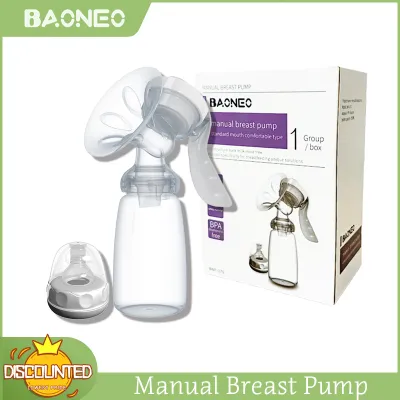
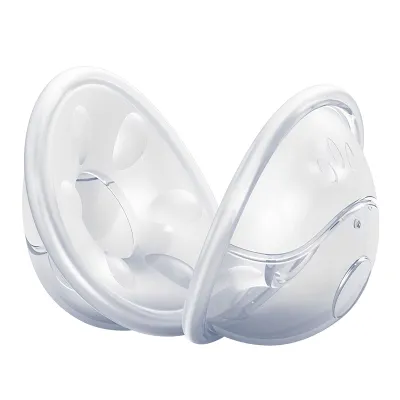
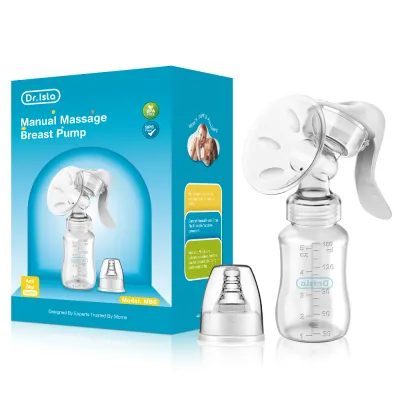

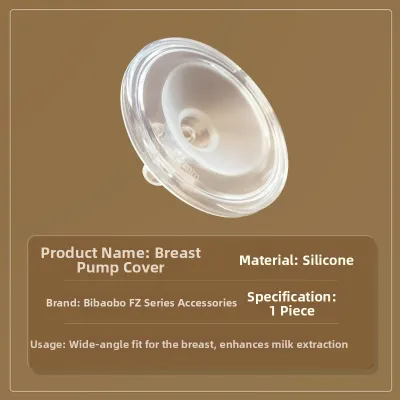
Prices are valid at publication and may change. Please refer to the product page for the latest price.
Manual breast pumps are hand-operated devices that consist of a plastic flange, a collection bottle, and a manual handle or lever mechanism. You control the suction strength and the speed of the pumping cycle yourself by squeezing the handle. This manual control allows you to mimic your baby’s natural sucking pattern quite closely. Because they do not require batteries or an electrical outlet, manual pumps are highly portable, completely silent, and easy to pack into a diaper bag for occasional use when away from your baby for a few hours.
Electric breast pumps utilize a motorized unit to automate the suction and release process, offering a highly efficient way to express milk. These pumps are available in single or double configurations and typically feature adjustable suction levels and distinct expression modes designed to stimulate let-down before transitioning to a deeper expression phase. Electric pumps are the standard choice for parents who pump frequently, those returning to full-time office work, or anyone who is exclusively pumping to build and maintain a robust milk supply.
Key Comparison Dimensions for Your Daily Routine
When evaluating breast pumps, portability and discretion are crucial factors, especially if you commute daily or pump in a shared office space. Electric pumps, while highly efficient, can be bulky to transport and produce a noticeable humming sound from the motor, though modern wearable models have improved discretion significantly. Manual pumps are entirely silent and lightweight, fitting easily into a standard handbag without requiring a power source—a major advantage during unexpected power outages. Silicone pumps are the ultimate discreet option, as they are completely silent, have no moving parts, and can easily be tucked away in a small pouch.

Setup and cleaning time can vary dramatically between pump types, which is an important consideration in humid tropical environments where keeping parts dry and sterile is vital to prevent mold growth. Electric pumps often feature multiple small components, including valves, membranes, connectors, and tubing, all of which must be disassembled, washed, and sterilized after each use. Manual pumps have fewer parts, making them faster to clean and reassemble. Silicone pumps are the easiest to maintain, consisting of a single molded piece of silicone that can be washed, sterilized, and dried in a fraction of the time required for multi-part systems.
Hands-free capability is another major lifestyle consideration for busy parents who need to multitask. Silicone pumps are naturally hands-free once the suction is established on the breast, though they can be vulnerable to being kicked off by an active baby. Electric pumps can be used hands-free when paired with a specialized pumping bra, or if you opt for wearable, tubeless models that fit directly inside your regular nursing bra. Manual pumps, by contrast, require continuous manual operation of the handle, meaning at least one of your hands will be occupied throughout the entire pumping session.
Milk yield and efficiency depend heavily on the type of pump and how often you use it. Electric pumps are designed for maximum efficiency, using automated cycles to stimulate multiple let-downs and empty the breasts thoroughly in a short amount of time. Manual pumps can also yield a significant amount of milk, but the process requires physical effort and hand stamina, which can limit the length and frequency of your sessions. Silicone pumps do not actively pump or stimulate milk production; they rely on your body’s natural let-down reflex to collect milk passively, meaning their yield is generally lower and highly dependent on your body’s natural response.
Budget and Long-Term Value Considerations
Your financial plan is a key factor when deciding on a breast pump system. Silicone pumps represent the lowest upfront investment, making them an incredibly affordable and low-risk entry point for any breastfeeding parent. Manual pumps occupy a mid-tier price range, offering a balance of active expression and affordability without breaking the bank. Electric pumps require the highest initial investment, with double electric and wearable models sitting at the top of the price spectrum. It is always best to check current retail prices in ₱ at local baby boutiques or online marketplaces to find options that fit your budget.
Beyond the initial purchase, you must factor in the cost of ongoing maintenance and replacement parts. Electric and manual pumps rely on consumable silicone parts, such as duckbill valves, diaphragms, and membranes, which naturally stretch and wear out over time. These parts must be replaced every few months to maintain proper suction and hygiene. Silicone pumps, being single-piece items, have no consumable parts to replace, making their long-term maintenance cost virtually zero unless the silicone itself becomes damaged or degraded.
Additionally, consider the hidden costs of supporting accessories that complete your pumping setup. Regardless of the pump you choose, you will likely need milk storage bags or bottles, specialized cleaning brushes, and a steam or cold-water sterilizer suitable for baby gear. If you opt for a standard electric pump, a hands-free pumping bra is an essential accessory to purchase. For manual and silicone pumps, a simple storage cap or stopper is useful to prevent accidental spills of your collected milk.
How to Choose the Right Pump for Your Lifestyle
Choose a silicone pump if you want a simple, low-cost tool to catch leaking milk from the opposite breast while direct feeding your baby. It is also excellent for relieving mild engorgement without stimulating excess milk production, or as a low-stress introduction to milk collection.
Choose a manual pump if you plan to breastfeed directly most of the time but need a reliable, quiet, and highly portable option for occasional outings, travel, or as a backup during power interruptions. It is perfect for parents who do not mind the physical effort of hand-pumping for short sessions.
Choose an electric pump if you are returning to office work, plan to pump exclusively, or need to build and maintain a robust milk supply. The automated efficiency of a double electric pump saves valuable time and energy, making it the most practical choice for daily, high-frequency use.
Verify first if you have specific medical conditions, flat or inverted nipples, or severe engorgement that might require specialized equipment. Always check the manufacturer’s sizing guides for flanges, as an incorrect fit can cause pain and reduce milk output. If you are unsure which path to take or experience persistent discomfort, consult a certified lactation professional for personalized guidance.
Frequently Asked Questions (FAQ)
Can I use a silicone breast pump and an electric pump at the same time?
Yes, you can use a silicone pump on one breast to catch the passive let-down while using a single electric pump on the other breast. To do this safely, ensure the silicone pump is securely suctioned to avoid spills if you move. Always check the manufacturer’s instructions for both devices, and verify that the electric pump’s flange fits your breast correctly to prevent friction or tissue damage during simultaneous use.
Do I need more than one type of breast pump?
Many parents find that a combination of pump types works best as their daily routines evolve. For example, you might use a double electric pump as your primary tool when returning to work, while keeping a lightweight manual pump in your diaper bag for travel or commutes. A silicone pump can remain at home on your nightstand for quick, passive collection during late-night direct feedings. Budgeting for a primary electric pump alongside a low-cost manual or silicone backup offers maximum flexibility.

Community discussion
Share your experience or ask a question. Comments are reviewed before publication.