
Choosing the right breast milk collector is one of the most personal decisions you will make during your breastfeeding journey. The ideal choice depends on how often you plan to express milk, where you will be using the device, and your personal comfort preferences. While some parents find that a simple, portable manual collector fits their occasional needs, others rely on the speed and automation of an electric model to maintain their daily supply. Understanding how each option aligns with your lifestyle will help you make a practical and stress-free choice.
To find the device that best supports your breastfeeding goals, it is helpful to evaluate your daily routine, your physical comfort, and the practical environments where you will be expressing milk. Both manual and electric collectors have distinct advantages, and many parents even find value in using both at different stages of their nursing journey.
Assessing Your Pumping Routine and Goals
Before exploring specific devices, take a moment to define your primary pumping frequency and goals. If you plan to breastfeed directly most of the time and only need to express milk occasionally—such as for a rare night out or to relieve temporary engorgement—your requirements will differ significantly from someone who plans to return to full-time work or exclusively express milk. Frequent pumping demands a system that maximizes efficiency and minimizes physical effort over consecutive sessions.
Products mentioned in this guide
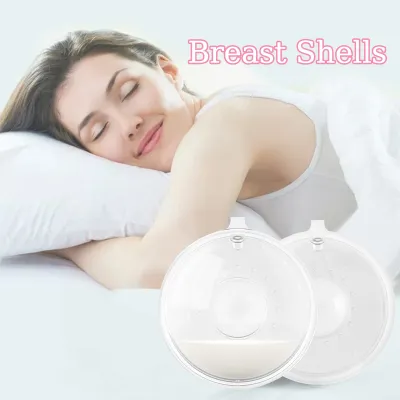
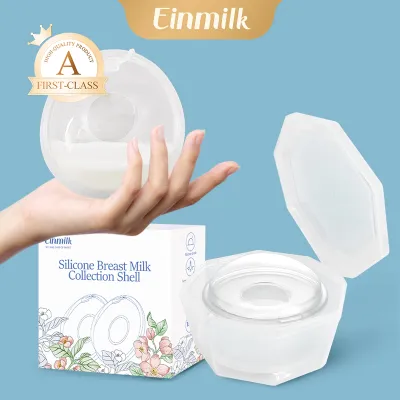
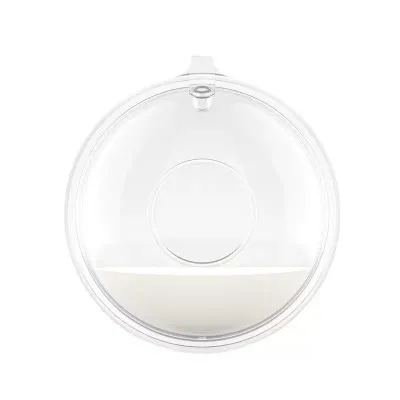



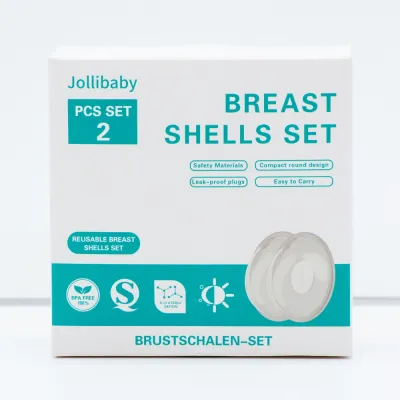
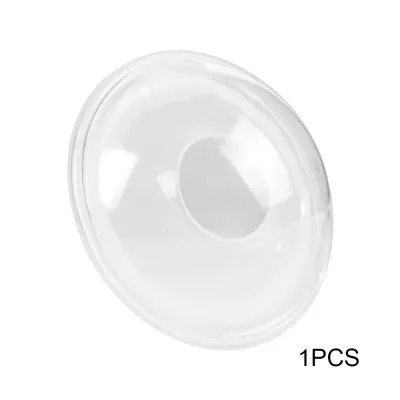
Prices are valid at publication and may change. Please refer to the product page for the latest price.
Your daily environment also plays a major role in this decision. Consider where you will spend most of your day, whether at home, in an office, or traveling. In tropical climates where daily commutes can be warm and humid, carrying heavy equipment can quickly become exhausting. Privacy is another factor; some workplaces offer dedicated, private lactation rooms with power outlets, while other environments might require a highly discreet, silent option that does not rely on electricity.
Finally, establish a realistic budget that accounts for both the upfront purchase and long-term maintenance. While it is tempting to focus solely on the initial price tag, remember that breastfeeding is a journey that can span several months or years. Factor in your long-term feeding plans to determine whether investing in a more robust, feature-rich device now will save you time and effort in the long run.
Manual Breast Milk Collectors: Features and Ideal Scenarios
Manual breast milk collectors rely entirely on manual compression to create suction. With a manual pump, you control the speed, rhythm, and suction strength directly with your hand. This tactile feedback allows you to mimic your baby’s natural nursing pattern closely, adjusting the pressure instantly if you experience any discomfort or sensitivity.

One of the greatest advantages of a manual collector is its complete independence from power sources. There are no batteries to charge, no cords to untangle, and no need to search for an electrical outlet. This makes manual pumps exceptionally reliable during travel, outdoor activities, or unexpected power interruptions. Additionally, because they have no motor, manual collectors operate in complete silence, allowing you to express milk discreetly in shared spaces or next to a sleeping baby.
However, manual pumping requires continuous physical effort. Repetitive hand squeezing can lead to hand and wrist fatigue, especially during longer sessions or when trying to express milk from both sides. Because you can generally only pump one breast at a time, the process takes longer than using a double electric system, which may not be practical if you have a highly demanding schedule.
Manual collectors are ideal for parents who need occasional relief, those who want to build a modest milk stash without a significant upfront investment, or those who need a lightweight backup device for travel. They are also excellent for catching letdown on one breast while your baby nurses on the other, ensuring that no drop of milk goes to waste.
Electric Breast Milk Collectors: Features and Ideal Scenarios
Electric breast milk collectors utilize an electrically powered motor to generate automatic suction. These devices do the physical work for you, offering automated suction cycles that transition from a rapid stimulation mode to a deeper expression mode. Most modern electric models allow you to customize the speed and vacuum strength to find the most comfortable and productive settings for your body.
Efficiency is the primary benefit of an electric system. Double electric pumps allow you to express milk from both breasts simultaneously, which can significantly cut your pumping time in half. This automated, consistent suction is highly effective at stimulating milk production and maintaining a robust supply, making it a preferred choice for those who are physically separated from their babies for extended periods.
On the other hand, electric collectors come with a few logistical considerations. They are generally heavier, bulkier, and noisier than manual alternatives, though many modern wearable options are designed to fit directly inside your bra for hands-free use. You must also manage power requirements, ensuring you have access to fully charged batteries, a USB power bank, or a reliable wall outlet during your sessions.
An electric collector is highly suited for parents returning to work, those who are exclusively expressing milk, or anyone managing a low milk supply. The hands-free, wearable electric models are particularly helpful for busy parents who need to multitask around the house or manage office tasks while expressing milk.
Head-to-Head Comparison: What to Check Before Buying
When comparing manual and electric breast milk collectors, looking at key specifications and practical features on product labels will help you make an informed choice. The table below summarizes the fundamental differences between the two types.
| Feature | Manual Breast Milk Collectors | Electric Breast Milk Collectors |
|---|---|---|
| Power Source | None (manual hand operation) | Rechargeable battery, USB, or AC wall outlet |
| Noise Level | Completely silent | Low to moderate motor hum |
| Portability | Highly portable, lightweight, and compact | Moderately portable; wearable models are compact |
| Setup & Cleaning | Very simple; few parts to wash | More complex; multiple parts, valves, and tubing |
| Ideal Use Case | Occasional use, travel, catching letdown | Daily use, returning to work, exclusive pumping |
Beyond the basic mechanics, compare the initial retail prices and the ongoing cost of replacement parts in ₱ across local baby boutiques and online marketplaces. Manual pumps generally feature a lower upfront cost and require fewer replacement parts over time. Electric pumps represent a larger initial investment, and you will need to budget for periodic replacements of silicone valves, membranes, and tubing to maintain optimal suction.
Always verify the flange sizing options available for any model you consider. A properly fitting breast shield or flange is essential for both comfort and efficient milk extraction; an incorrect size can cause pain and reduce your milk output. Check the product packaging or the manufacturer’s website to ensure they offer the specific flange size you need, or check if compatible silicone inserts are available to customize the fit.
Finally, research the availability of replacement parts before making your purchase. In humid tropical climates, silicone parts can wear out or develop mold if not dried completely, making easy access to spare valves and membranes crucial. Opt for brands that sell individual replacement components locally so you do not experience unexpected downtime in your pumping routine.
Making the Final Decision: Which Type Works for You?
To choose the right device, match your specific daily circumstances to the strengths of each collector type. A manual breast milk collector is likely your best option if you pump only once or twice a week, operate on a tight budget, or travel frequently to areas where electricity is unreliable. Its simplicity, low cost, and ease of cleaning make it a highly practical tool for casual use.
Conversely, an electric breast milk collector is the logical choice if you need to express milk multiple times a day, have limited time to spend on each session, or need to keep your hands free to work or care for your baby. The automated efficiency of an electric system is unmatched when it comes to supporting a busy, daily pumping routine.
Keep in mind that neither option may be suitable if you have severe physical limitations, such as severe carpal tunnel syndrome, or if specific medical conditions require specialized, hospital-grade rental equipment. If you are unsure which path to take, check if your employer offers lactation support programs, or consult a certified lactation specialist who can provide personalized guidance tailored to your anatomy and feeding goals.
Hygiene, Safety, and Maintenance Guidelines
Maintaining strict hygiene is vital to protect your baby’s health and ensure the safety of your expressed milk. Always read the manufacturer’s manual for specific sterilization instructions, as different materials have unique temperature limits. While some silicone and plastic parts can withstand boiling water or steam sterilization, others may warp or degrade, especially when subjected to high-heat UV sterilizers.
Before every use, inspect all components thoroughly. Check the tubing, valves, and membranes for any signs of wear, tears, or mold growth. In warm, humid environments, moisture can easily trap inside narrow tubing or behind small valves; if you spot any black spots or persistent moisture that cannot be cleaned, replace those parts immediately to prevent contamination.
Understanding the difference between open-system and closed-system electric pumps is also essential for long-term hygiene. A closed-system pump features a physical barrier that prevents milk from entering the tubing and motor, protecting the mechanism from mold and bacteria. Open-system pumps lack this barrier, meaning the tubing must be monitored and cleaned with extreme care to prevent moisture buildup.
Lastly, listen to your body during every session. Pumping should never be painful; if you experience persistent pain, nipple damage, or notice signs of infection such as localized redness, warmth, or fever, stop using the device immediately. Adjust your settings, verify your flange size, and consult a healthcare professional or a lactation consultant to address the issue safely.
Frequently Asked Questions (FAQ)
Can I use a manual and electric pump interchangeably?
Yes, you can use manual and electric pumps interchangeably to suit different situations throughout your day. Many parents use an electric pump at work for speed and efficiency, while keeping a manual collector in their diaper bag for quick relief or travel. When switching between devices, ensure that the flange size remains consistent and comfortable across both models. Monitor your physical comfort and milk output closely, and refer to each manufacturer’s guidelines to ensure you are using and cleaning the parts correctly.
Do I need a hands-free pumping bra with an electric collector?
While not strictly mandatory, a hands-free pumping bra is highly recommended if you use a standard electric pump and want to multitask or relax during your sessions. If you choose to use one, ensure that the bra holds the breast shields securely against your skin without shifting, as proper flange alignment is crucial for efficient milk flow. Avoid overly tight bras or straps, as excessive pressure on the breast tissue can restrict milk ducts and reduce your overall output.
Community discussion
Share your experience or ask a question. Comments are reviewed before publication.