
The best toothbrush for a 6-month-old baby depends on whether their first teeth have actually cut through the gums. If your baby is still in the pre-eruption stage or has highly swollen, tender gums, a food-grade silicone finger brush is an excellent tool to soothe discomfort and wipe away milk residue. Once the first tiny teeth emerge fully, transitioning to an extra-soft-bristled infant toothbrush with a wide choke guard is necessary to effectively sweep away plaque and prevent early tooth decay.
In the warm, humid climate of the Philippines, keeping these early oral care tools clean and dry is just as critical as choosing the right design. Both options have distinct advantages, and many parents find that a combination of both tools provides the most comfortable and hygienic transition into a lifelong brushing routine.
Understanding Your 6-Month-Old's Oral Care Needs
At six months, your baby’s mouth is undergoing rapid changes. This is typically the age when the first primary teeth—usually the lower central incisors—begin their journey to the surface. You might notice your little one drooling more than usual, constantly chewing on their fists or toys, and showing signs of mild irritability due to tender, swollen gums.
Products mentioned in this guide
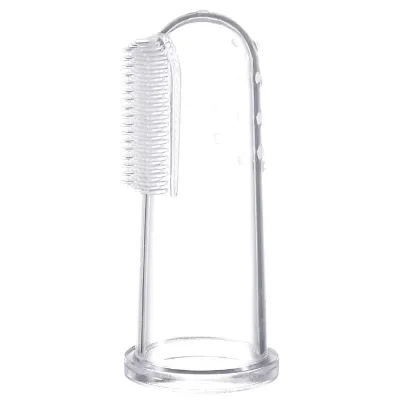
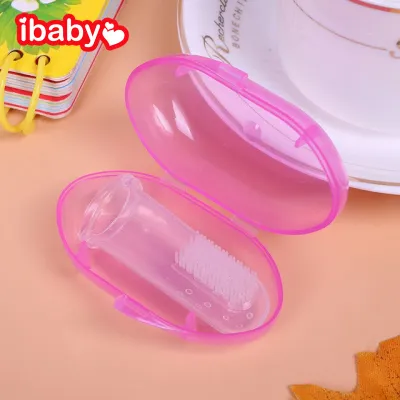
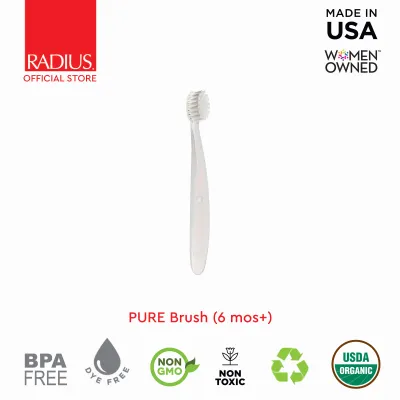
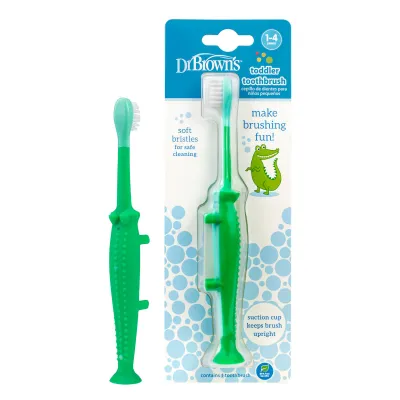
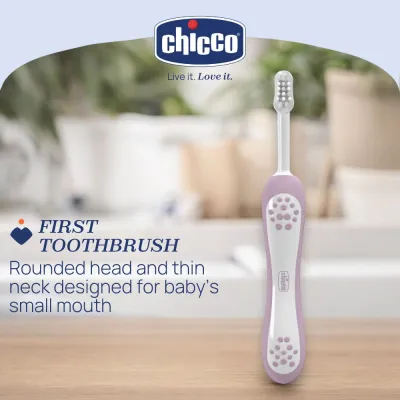
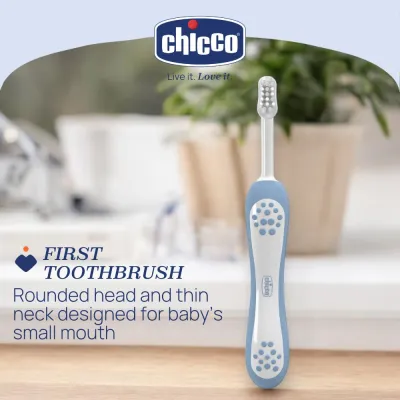
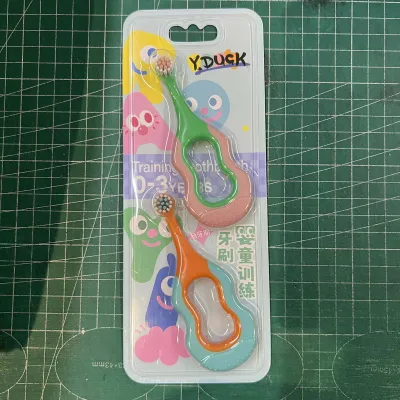
Prices are valid at publication and may change. Please refer to the product page for the latest price.
Even before those first white specks break through the gumline, oral hygiene is essential. Milk residue from breast milk or infant formula can accumulate on the tongue and gums, creating an environment where bacteria can thrive. Cleaning the mouth early not only keeps the oral cavity fresh but also desensitizes your baby to having objects placed in their mouth, making future brushing sessions much easier to manage.
Every infant responds differently to oral stimulation. Some babies welcome the gentle pressure of a finger massage on their gums, while others might pull away, gag, or fuss when any tool is introduced. Observing these behavioral cues helps you determine which texture and approach will work best without causing distress.
In tropical environments, high humidity levels mean that any moisture left on baby products can encourage microbial growth. Therefore, understanding how to clean and store these early oral care tools is just as vital as recognizing when to use them. Establishing a simple, stress-free routine at this stage lays a healthy foundation for their developing primary teeth.
Silicone Finger Brushes: Pros, Cons, and Best Use Cases
A silicone finger brush is a small, flexible sleeve designed to fit snugly over an adult’s index finger, featuring tiny, soft silicone bumps or ridges on one side. This tool is highly favored by parents during the initial stages of teething because it offers unmatched tactile feedback. When you place your finger in your baby’s mouth, you can feel exactly how much pressure you are applying, ensuring you do not accidentally hurt their sensitive gums.

The primary advantage of a silicone finger brush is its ability to soothe teething discomfort. The soft silicone ridges gently massage inflamed gums, providing relief that babies often welcome by biting down on your finger. It is also highly effective at wiping away milk film from the tongue and the inner cheeks, making it an excellent starter tool for pre-eruption oral hygiene.
However, silicone finger brushes have distinct limitations. Because silicone nubs lack the fine, flexible structure of traditional bristles, they cannot reach into the tight crevices around fully erupted teeth or effectively sweep away stubborn plaque. Once a tooth has fully emerged, relying solely on a silicone brush may leave plaque behind, increasing the risk of early childhood caries.
When shopping for a silicone finger brush, safety and material quality must be your top priorities. Always verify that the product packaging explicitly states it is made from 100% food-grade silicone and is free from bisphenol A (BPA), phthalates, and other harmful chemicals. Additionally, check if the brush features a built-in finger guard or a textured grip that prevents the sleeve from slipping off your finger and becoming a choking hazard.
Proper maintenance of silicone brushes is crucial, especially in warm, humid climates. Because silicone can attract dust and lint, these brushes must be washed thoroughly with mild baby-safe soap and warm water after every use. Ensure they are allowed to air-dry completely in a well-ventilated area, away from direct sunlight, to prevent mold or mildew from developing in the finger cavity.
Soft-Bristled Infant Toothbrushes: Pros, Cons, and Best Use Cases
As soon as your baby’s first teeth fully break through the gumline, it is time to introduce a soft-bristled infant toothbrush. These brushes are specifically engineered to clean the unique shapes of tiny primary teeth. They feature a very small brush head covered in ultra-fine, rounded nylon bristles that can slide into the microscopic gaps between the tooth and the gumline to sweep away food particles and plaque.
The main benefit of a soft-bristled brush is its superior cleaning efficiency. Unlike silicone, nylon bristles bend and flex, allowing them to clean the chewing surfaces and sides of the teeth thoroughly. Introducing a bristled brush early also helps your baby get used to the sensation of real bristles, which is a critical step in transitioning to independent brushing later in toddlerhood.
Despite their cleaning power, bristled brushes can sometimes be too stimulating or abrasive for highly inflamed gums. If your baby is actively cutting a new tooth and their gums are red and swollen, the friction of nylon bristles might cause discomfort, leading to resistance or crying during brushing sessions.
To ensure safety, look for infant toothbrushes that feature an extra-soft or ultra-soft bristle rating. The brush head should be small enough to fit comfortably in a 6-month-old’s mouth without hitting the back of their throat. Most importantly, select a model equipped with a wide, circular choke guard—often a removable shield or a wide, flat handle design—that physically prevents the brush from being pushed too deep into the baby’s mouth.
In the Philippines, the humid weather requires extra care when storing bristled brushes. After brushing, rinse the bristles thoroughly under running water to remove any remaining toothpaste or debris, shake off the excess water, and store the brush upright in an open cup. Never cover a wet toothbrush or store it in a closed container, as the trapped moisture creates a breeding ground for bacteria and mold.
How to Choose the Right Option for Your Baby
Deciding between a silicone finger brush and a soft-bristled toothbrush does not have to be an all-or-nothing choice. A practical decision framework involves matching the tool directly to your baby’s current physical development. If no teeth have erupted yet, or if you only see swollen bumps where teeth are about to emerge, start with the silicone finger brush to clean the gums and soothe teething pain.
Once the white edges of the lower central incisors are clearly visible and have fully emerged from the gumline, transition to the soft-bristled infant toothbrush. If your baby has a mix of fully erupted teeth and highly sensitive, swollen areas where other teeth are still cutting through, you can successfully combine both tools. Use the soft-bristled brush to clean the visible teeth, and use the silicone finger brush to gently massage the sore, toothless areas of the gums.
Always let your baby’s reactions guide your approach. If they cry, gag, or tightly close their mouth when you introduce a bristled brush, do not force it. You can temporarily revert to a silicone finger brush or even a clean, damp, soft washcloth wrapped around your finger for a few days before trying the bristled brush again. Keeping the experience positive and stress-free is far more important than forcing a perfect brushing technique at six months.
Safe Brushing Practices and When to Consult a Professional
Establishing a safe, comfortable brushing routine requires the right positioning and a gentle touch. To brush your 6-month-old’s teeth safely, cradle their head gently in your lap or sit them on your lap facing away from you while leaning their head back against your chest. This position gives you a clear view of their mouth and keeps their head stable, reducing the risk of sudden movements that could cause the brush to poke their throat.
Always read and follow the manufacturer’s instructions on the product packaging regarding sterilization and care. While some silicone finger brushes can be boiled or placed in a steam sterilizer, many nylon-bristled infant toothbrushes cannot tolerate high heat, which can warp the plastic handle or damage the bristles. Clean the tools according to the specific guidelines provided by the brand to maintain their structural integrity.
While mild discomfort is normal during teething, certain symptoms warrant professional attention. Stop the brushing routine and consult a pediatric dentist or pediatrician if you notice bleeding gums that do not stop, persistent white patches on the tongue or inner cheeks that do not wipe away (which could indicate oral thrush), or if your baby experiences extreme pain and refuses to eat. A professional can evaluate your baby’s oral health and provide personalized guidance for their development.
Frequently Asked Questions (FAQ)
Can I use a regular adult toothbrush for my 6-month-old?
No, you should never use a regular adult toothbrush for a 6-month-old baby. Adult toothbrushes have heads that are far too large for an infant’s tiny mouth, which can easily cause gagging or injury to the delicate oral tissues. Furthermore, the bristles on adult brushes are typically much stiffer and coarser than those on infant brushes, which can scratch and damage your baby’s sensitive gums. Adult handles also lack the essential choke-guard designs that prevent accidental deep insertion and choking.
How often should I replace my baby's toothbrush or finger brush?
You should generally replace your baby’s toothbrush or silicone finger brush every three months, or sooner if you notice visible signs of wear and tear. For bristled brushes, replace them immediately if the bristles begin to fray, flare outward, or lose their shape, as worn bristles cannot clean effectively and can irritate the gums. For silicone finger brushes, inspect them regularly for any tears, cracks, or discoloration, and replace them immediately if the material begins to degrade. It is also highly recommended to replace any oral care tool after your baby recovers from an illness to prevent reinfection.
Do I need to use toothpaste for a 6-month-old baby?
At six months of age, the primary goal of oral care is the physical removal of milk residue and plaque. Before introducing any toothpaste, check the product labels for age suitability and consult your pediatric dentist or pediatrician for specific recommendations tailored to your baby’s needs. If a fluoride or training toothpaste is recommended by your healthcare provider, use only a tiny, minimal smear—no larger than a single grain of rice—and ensure you gently wipe away any excess after brushing, as infants at this age cannot spit.

Community discussion
Share your experience or ask a question. Comments are reviewed before publication.