
Selecting the right oral cleaner for your baby is a developmental milestone that changes as your child grows. From the first weeks of life through the toddler years, your baby’s oral cavity undergoes rapid changes that require different cleaning tools. Matching the right tool to your baby’s current teething stage ensures effective cleaning, protects sensitive oral tissues, and helps establish positive oral hygiene habits early on.
In warm, humid environments like the Philippines, maintaining the hygiene of these oral care tools is especially critical. High humidity can encourage mold and bacterial growth on damp surfaces, making the choice of material and ease of cleaning top priorities for parents. By understanding what to look for at each stage of development, you can confidently select products that keep your baby’s mouth clean and healthy.
Understanding Your Baby's Teething and Oral Development Stages
Teething is a dynamic process that varies significantly from one baby to another. While many infants experience their first tooth eruption around six months of age, some may show signs of teething as early as three months, while others might not get their first tooth until closer to their first birthday. Because of this wide variation, it is best to select oral care products based on observable developmental milestones rather than age alone.
Products mentioned in this guide
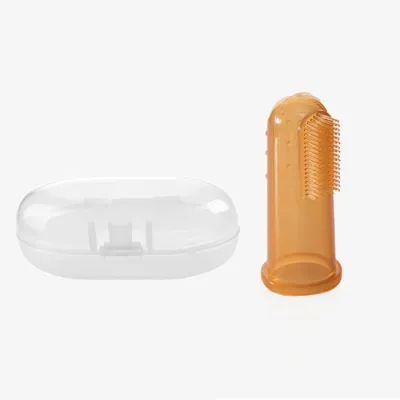
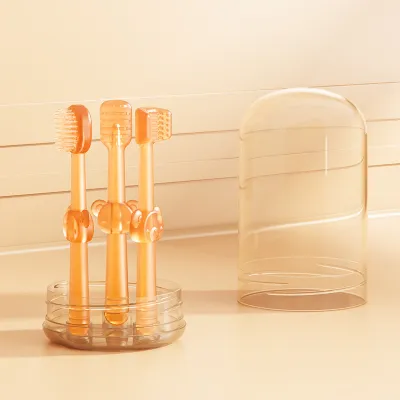

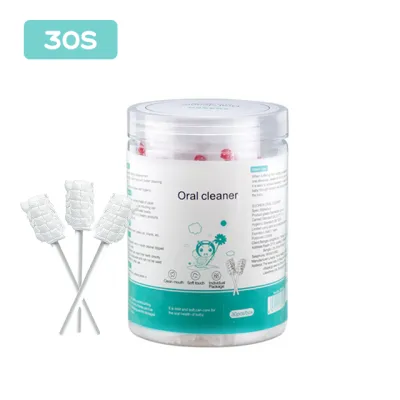
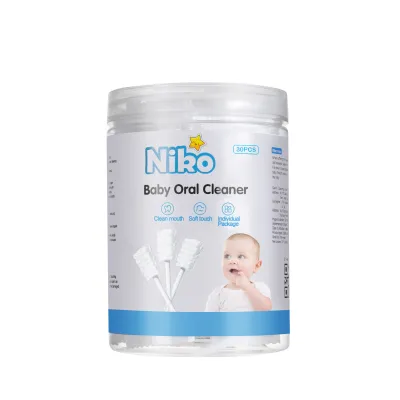
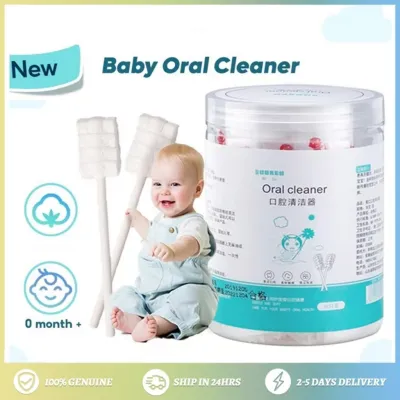
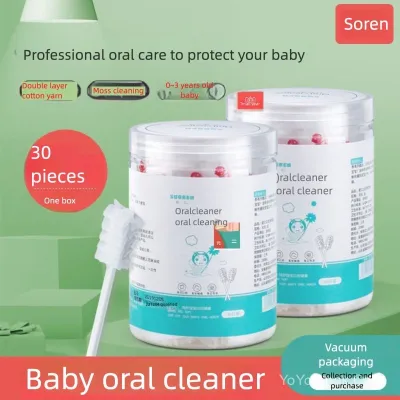
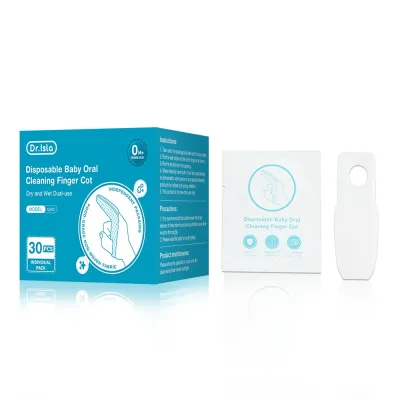
Prices are valid at publication and may change. Please refer to the product page for the latest price.
Before any teeth appear, your baby’s gums still require regular attention. During this pre-teething phase, you may notice your baby drooling excessively, rubbing their gums with their hands, or showing increased irritability. These are common signs of gum sensitivity as the primary teeth begin to move beneath the surface. Cleaning the gums during this stage helps remove milk residue and prepares your baby for the sensation of daily oral care.
As the first tooth breaks through the gum line, the oral environment changes. This transition requires a shift from simple gum wiping to tools that can clean actual tooth surfaces. You will need to inspect your baby’s mouth regularly to spot the very first white tips of emerging teeth, which usually appear in the lower front of the mouth. Once these teeth are visible, plaque can begin to accumulate, making a more structured cleaning routine necessary.
Eventually, as your baby transitions to solid foods and develops more teeth, their oral care needs will resemble those of an older child. The arrival of the first molars, typically around the first year or later, introduces deep grooves where food particles can easily become trapped. Recognizing these transitions allows you to upgrade your baby’s oral cleaner at the right time, ensuring their growing teeth remain protected.
Matching Oral Cleaner Types to Each Developmental Phase
Matching the design of an oral cleaner to your baby’s specific developmental phase is essential for both safety and comfort. A tool that is too large or rigid can cause discomfort, trigger the gag reflex, or even damage delicate oral tissues. Conversely, a tool that is too soft or simple may fail to clean newly erupted teeth effectively.

When evaluating different oral cleaners, consider how the size, shape, and texture of the product align with your baby’s current mouth capacity. Newborns and young infants have very shallow oral cavities, meaning any tool inserted into their mouth must be slim and highly flexible. As the jaw grows and teeth emerge, the cleaning tools must become more robust to handle the physical demands of cleaning enamel while remaining gentle on the surrounding gums.
Pre-Teething and Early Gum Care (Newborn to First Tooth)
During the pre-teething stage, the primary goal of oral care is to gently cleanse the gums and tongue of milk buildup, which can sometimes lead to oral thrush if left unmanaged. For this phase, the most suitable tools are extremely soft, non-abrasive materials that can conform to the natural shape of your baby’s gums. Clean, damp cotton gauze wrapped around your finger or specialized single-use oral wipes are excellent options for this early stage.
Silicone finger brushes are also popular for pre-teething care. When evaluating a silicone finger brush, look for a single-piece design made from highly flexible, soft silicone. It is crucial to verify that the product has no small, detachable parts that could pose a choking hazard. The textures on the brush should be very mild, designed more for gentle gum stimulation and massage rather than scrubbing.
Using these early oral cleaners requires close attention and care. Always perform gum cleaning when your baby is calm and alert, and never allow your baby to hold or play with a finger brush or wipe independently. Continuous caregiver supervision is mandatory during every oral care session to ensure the tool is used safely and does not slip too far into the baby’s mouth.
First Teeth Eruption and Transition (First Tooth to Several Teeth)
The emergence of the first tooth marks a significant transition in your baby’s oral care routine. While silicone finger brushes can still be useful for massaging sore gums, they are no longer sufficient on their own once tooth enamel is exposed. You will need to transition to tools that can effectively sweep away plaque from the front, back, and sides of the new teeth.
An infant toothbrush with ultra-soft nylon bristles or a textured silicone cleaner with specialized cleaning nubs is ideal for this transitional phase. When choosing an infant toothbrush, verify that the brush head is exceptionally small—ideally covering no more than two small baby teeth at a time. The neck of the brush should be flexible to absorb excess pressure, and the bristles must be labeled as ultra-soft to protect the delicate, newly formed enamel.
As you introduce these new tools, you must adjust your cleaning technique. Instead of the wiping motion used on the gums, use gentle, circular motions on the tooth surfaces. Avoid applying heavy pressure, as the gums surrounding an emerging tooth are often highly sensitive and prone to irritation. Keep the sessions short and positive to help your baby adapt to the feel of bristles.
Multiple Teeth and Toddler Stage (One Year and Beyond)
As your baby approaches their first birthday and begins consuming a wider variety of solid foods, their dentition will expand rapidly. With multiple teeth now present, including the potential arrival of the first molars, a more comprehensive cleaning tool is required. This stage demands a transition to a dedicated toddler toothbrush designed to navigate a more crowded oral environment.
When selecting a toddler toothbrush, look for a compact, rounded brush head that can easily reach the very back of the mouth where molars emerge. The bristles should remain soft but can be slightly denser than those on an infant brush to handle the textured surfaces of chewing teeth. Always check the product packaging to verify that the brush is rated for your child’s specific age group, as these ratings correspond to head size and bristle stiffness.
Handle design becomes increasingly important during the toddler stage. Look for toothbrushes with ergonomic handles that offer a secure grip for the caregiver, who will still perform the primary brushing. At the same time, the handle should be chunky enough for small hands to hold, allowing your toddler to practice gripping the brush under your direct supervision as they begin to show interest in self-brushing.
Key Features to Check When Buying Baby Oral Cleaners
When shopping for an oral cleaner for baby, it is easy to be overwhelmed by the variety of options available in local baby boutiques and online marketplaces. To ensure you select a safe and effective product, keep a practical checklist of physical and material attributes in mind before making a purchase.
- Material Safety: Always verify that the oral cleaner is made from non-toxic, food-grade materials. Look for clear labeling on the packaging indicating that the product is free from Bisphenol A (BPA), phthalates, and PVC. Since these tools go directly into your baby's mouth, verifying these material standards is a critical first step.
- Choke-Guard Designs: For any toothbrush or cleaner that your baby might handle, look for built-in safety features such as a wide barrier ring or a choke-guard handle. These designs prevent the brush from being pushed too deep into the throat if the baby makes a sudden movement, reducing the risk of gagging or airway obstruction.
- Age and Developmental Guidelines: Always check the manufacturer's recommended age range on the packaging. While developmental milestones should guide your choice, these age guidelines provide a helpful baseline for head size and bristle density. Avoid buying a brush designed for older children, as the bristles may be too stiff for an infant's gums.
- Ergonomics and Fit: If you are choosing a finger brush, ensure it fits snugly on your index finger without slipping, yet is easy to remove. For toddler brushes, look for non-slip rubber grips that allow you to maintain precise control even when the brush gets wet during use.
Safety, Hygiene, and Maintenance Guidelines
Proper maintenance of your baby’s oral cleaner is just as important as choosing the right type. Because these tools are used in the mouth, they can easily harbor bacteria, yeast, and mold if not cleaned and stored correctly. This is especially true in tropical climates where high humidity levels can slow down drying times.
Always refer to the manufacturer’s instructions for specific cleaning and sterilization guidelines. Many silicone finger brushes can be sterilized in boiling water, steam sterilizers, or the top rack of a dishwasher. However, nylon-bristled toothbrushes should never be boiled or microwaved, as extreme heat can warp the plastic and damage the bristles, compromising their safety and effectiveness.
After each use, rinse the oral cleaner thoroughly under warm running water to remove all traces of milk, food particles, or saliva. Shake off excess water and store the tool upright in a clean, well-ventilated area to air-dry completely. Avoid storing oral cleaners in closed plastic containers, travel cases, or damp bathroom cabinets, as these enclosed spaces trap moisture and create an ideal environment for mold to grow in silicone crevices.
Inspect your baby’s oral cleaners regularly for signs of wear and tear. For silicone tools, look closely for micro-tears, discoloration, or a sticky texture, which indicate the material is breaking down. For bristled brushes, check for frayed, bent, or loose bristles. Replace any oral cleaner immediately if you spot these signs of damage, or at least every three months as recommended by dental professionals.
Finally, pay close attention to your baby’s reaction during oral care. If your baby exhibits severe distress, persistent gagging, or if you notice bleeding gums, stop using the current tool immediately. These signs may indicate that the brush is too large, the bristles are too stiff, or that there is an underlying dental issue. In such cases, consult a pediatric dentist or your pediatrician for personalized guidance.
Frequently Asked Questions (FAQ)
Can I use a regular adult toothbrush for my baby?
No, you should never use an adult toothbrush for a baby. Adult toothbrushes have much larger heads that cannot fit comfortably or safely inside an infant’s small mouth, posing a significant choking and gagging risk. Additionally, the bristles on adult brushes are far too stiff and dense, which can easily scratch your baby’s delicate gums and damage newly emerging tooth enamel.
How often should I replace my baby's silicone finger brush?
You should replace a silicone finger brush at the first sign of wear, such as micro-tears, discoloration, or a change in texture. Even if the brush appears to be in good condition, it is best to follow the manufacturer’s recommended replacement timeline, which is typically every three to four months, to maintain optimal hygiene and prevent material degradation.
Is it safe to use teething gels with oral cleaners?
Before combining teething gels with an oral cleaner, always check the gel manufacturer’s specific application instructions and age limits. Applying teething gel directly to an oral cleaner can sometimes cause the gel to be washed away too quickly by saliva, or it may lead to accidental over-application, which can cause excessive numbing in your baby’s mouth. It is generally safer to apply teething gels sparingly with a clean finger according to the product’s guidelines.
Community discussion
Share your experience or ask a question. Comments are reviewed before publication.