
Deciding on the right breastfeeding equipment is one of the most important choices you will make as a new mother in the Philippines. The ideal choice between a silicon breast pump and an electric pump depends on your daily routine, pumping frequency, mobility needs, and budget, rather than one option being universally superior. A silicon breast pump is excellent for occasional use, catching natural let-down while nursing, and offering maximum portability. In contrast, an electric breast pump is designed for exclusive pumping, building a substantial milk stash, or maximizing milk expression efficiency during short breaks at work. By understanding how each tool fits into your lifestyle, you can create a stress-free feeding journey for you and your baby.
Understanding the Core Differences
To make an informed decision, it is essential to understand how these two devices function. A silicon breast pump is typically a one-piece, manual suction device made of flexible, food-grade material. It relies on a gentle, continuous vacuum created by squeezing the body of the pump and pressing it against the breast. There are no moving parts, cords, or motors involved in its operation.
On the other hand, an electric breast pump is a motorized device designed to automate the milk expression process. It utilizes an electric motor to create alternating cycles of suction and release, mimicking a baby’s natural nursing rhythm. These pumps are available in single or double configurations and feature adjustable suction levels and speed settings. While the term “silicon” in a manual pump refers to its physical material and simple vacuum mechanism, “electric” refers to the motorized power source that drives the automated extraction.
Products mentioned in this guide
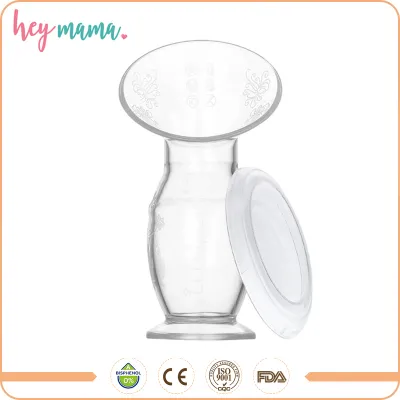
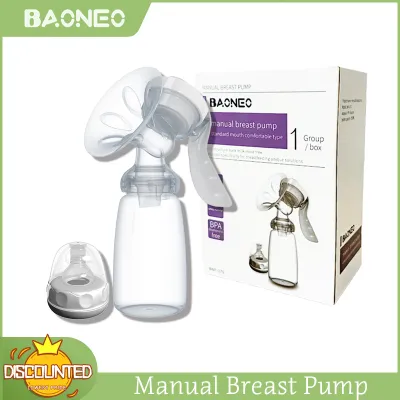
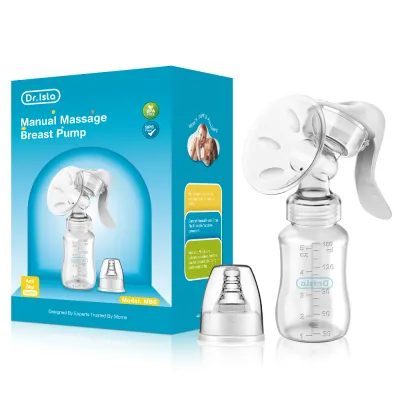


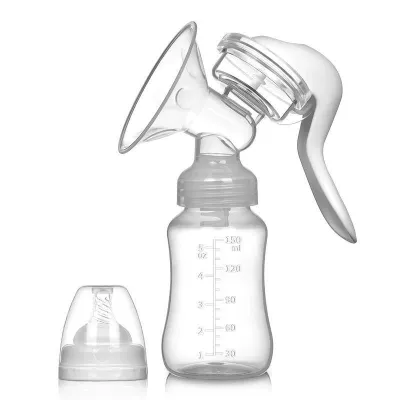
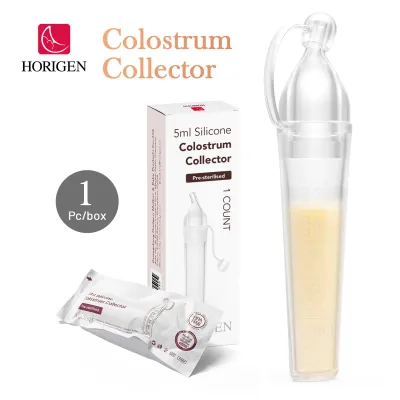
Prices are valid at publication and may change. Please refer to the product page for the latest price.
Key Comparison Dimensions for Your Lifestyle
Evaluating how each pump fits into your daily routine will help you choose the option that best supports your breastfeeding goals.

Portability and Discretion
When commuting through busy streets or working in shared office spaces in the Philippines, portability and discretion become top priorities. A silicon breast pump is incredibly lightweight, compact, and fits easily into a standard diaper bag without adding bulk. It operates in complete silence, allowing you to collect milk discreetly anywhere without needing a power outlet or carrying spare batteries. Electric pumps, while increasingly compact, still require a motorized unit, tubing, and a power source. Even wearable, battery-operated electric models carry some weight and produce a noticeable humming sound, which might feel less private in quiet environments.
Efficiency and Time
If your primary goal is to empty your breasts quickly and efficiently, an electric pump is generally more effective. Electric models allow you to express milk from both breasts simultaneously in a fraction of the time, making them ideal for busy mothers with limited break windows. A silicon breast pump, while highly efficient at catching leaking milk from one breast while your baby nurses on the other, is not designed for rapid, high-volume expression. It relies heavily on your body’s natural let-down reflex rather than active, motorized stimulation to draw out milk.
Suction Control and Comfort
Comfort during pumping is crucial for maintaining a healthy milk supply. Electric breast pumps offer customizable settings, allowing you to adjust both the speed and strength of the suction to match your comfort level. This is particularly helpful if you experience nipple sensitivity or engorgement. With a silicon breast pump, the suction level is controlled manually by how hard you squeeze the silicone bulb before applying it to your breast. This manual control requires some practice to find a comfortable, secure seal, and the suction remains relatively static until the vacuum is manually released.
Cleaning and Assembly
The tropical climate and high humidity in the Philippines make quick drying and easy sterilization major factors in your daily routine. A silicon breast pump consists of a single piece of molded silicone, making it incredibly easy to wash, sterilize, and dry. There are no hidden crevices, valves, or tubes where moisture can trap and encourage mold growth. Electric pumps consist of multiple small parts, including flanges, backflow protectors, valves, membranes, and tubing. Washing and sterilizing these components after every session requires more time, and ensuring every part is completely dry in humid weather is essential to maintain hygiene and protect the motor.
Budget and Long-Term Value Considerations
The initial financial investment is a significant deciding factor for many families. A silicon breast pump is highly affordable, typically costing between ₱300 and ₱1,500, making it an accessible option for budget-conscious parents. Electric breast pumps represent a much larger initial investment, with prices ranging from ₱2,000 for basic single electric models to upwards of ₱15,000 for high-end double electric or wearable systems.
Beyond the upfront cost, you must also consider long-term maintenance expenses. Electric pumps require periodic replacement of consumable parts, such as silicone valves, membranes, and tubing, to maintain optimal suction. These replacement parts can add to your ongoing expenses over months of use. Additionally, electric models may require rechargeable batteries or consume electricity, whereas a silicon breast pump has no ongoing operational costs and virtually no parts that require frequent replacement. Before purchasing, it is wise to check current prices on official brand websites or authorized online stores in the Philippines and verify the manufacturer’s warranty terms.
Decision Framework: Which Pump Fits Your Routine?
To finalize your decision, consider how your daily activities and feeding plans align with the strengths of each pump type.
Choose a Silicon Breast Pump if:
- You want a simple, budget-friendly tool to catch leaking milk on one side while your baby nurses on the other.
- You need a highly portable, silent, and wireless backup pump for travel, quick errands, or power outages.
- Your daily routine allows you to nurse directly most of the time, requiring only occasional milk collection.
Choose an Electric Pump if:
- You are returning to a full-time job and need to express milk efficiently during short office breaks.
- You are exclusively pumping or need to build a large freezer stash of breast milk.
- You require adjustable suction settings to manage sensitive nipples, engorgement, or specific milk expression needs.
Consider Using Both if:
- Your routine involves a mix of direct breastfeeding and regular pumping. You can use the electric pump at work to maintain your supply, and keep the silicon breast pump at home to catch let-down during night feedings, maximizing your daily milk collection with minimal extra effort.
Safety, Hygiene, and Manufacturer Checks
When selecting any breastfeeding product, safety and hygiene must come first. Always verify that the pump is made from 100% food-grade silicone and carries a certified BPA-free label on the packaging. Because these devices come into direct contact with breast milk, using high-quality, non-toxic materials is essential for your baby’s health.
Before using your pump for the first time, read the manufacturer’s instruction manual carefully. While boiling, steam sterilization, and UV sterilizers are common methods for sanitizing baby gear, some materials may degrade or warp under extreme heat or specific UV wavelengths. Following the exact guidelines provided by the manufacturer ensures the longevity of your pump and prevents accidental damage.
Regularly inspect your pumping equipment for signs of wear and tear. Stop using any pump immediately if you notice visible tears, cracks, persistent discoloration, or mold in hard-to-reach areas. If you experience persistent pain, bruising, or skin irritation during or after pumping, stop use immediately and consult a certified lactation professional or healthcare provider to ensure proper fit and technique.
Frequently Asked Questions (FAQ)
Can I use a silicon breast pump and an electric pump together?
Yes, combining both pumps is a highly effective way to optimize your milk collection routine. Many mothers find it useful to place a silicon breast pump on one breast to catch the natural let-down while using a single electric pump on the other breast. This dual approach helps save time and prevents precious milk from leaking into nursing pads. However, always monitor your overall milk supply and avoid excessive pumping sessions that could lead to breast tissue irritation or an unwanted oversupply.
How do I know if the flange size is correct for either pump?
Finding the correct flange size is determined by the diameter of your nipple, not the overall size of your breast. A properly fitting flange allows your nipple to move freely in the tunnel without rubbing against the sides, ensuring comfortable and efficient milk expression. Before purchasing an electric pump or a silicon breast pump, measure the base of your nipple in millimeters. Many reputable brands offer printable measuring guides and sell different flange sizes or silicone inserts to help you achieve a secure, comfortable seal.

Community discussion
Share your experience or ask a question. Comments are reviewed before publication.