
Choosing the right storage cabinet for toys in a Philippine nursery requires balancing accessibility, safety, and resistance to local tropical conditions. The ideal solution adapts to your child’s developmental stages while keeping playthings organized and clean. Parents should focus on modular, stable, and easy-to-clean designs that can withstand high humidity and daily wear.
In the Philippines, the nursery environment presents unique challenges. High humidity levels during the rainy season can affect various furniture materials, leading to mold growth or structural warping if the wrong materials are chosen. Additionally, dust accumulation in urban areas means that storage solutions must be easy to maintain and clean.
When planning your nursery layout, the toy storage cabinet should not be an afterthought. It serves as a central hub for your child’s daily activities, supporting their cognitive development by teaching them how to categorize, access, and put away their belongings. A well-chosen cabinet fosters independence from an early age, allowing babies and toddlers to safely explore their environment under caregiver supervision.
Products mentioned in this guide
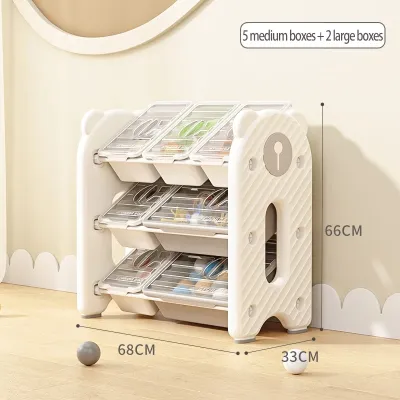
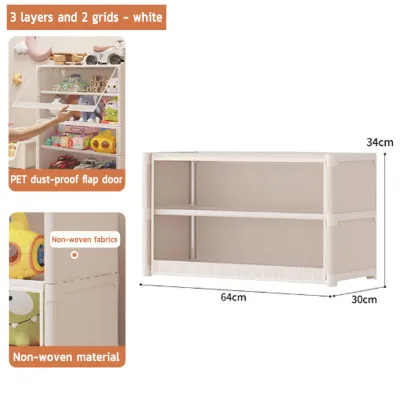
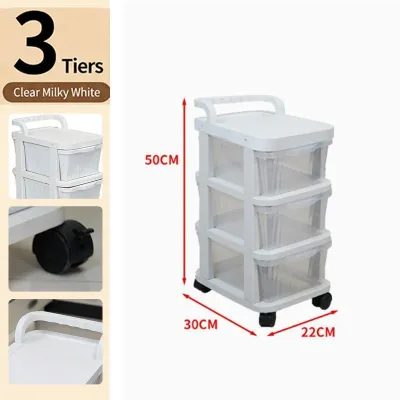
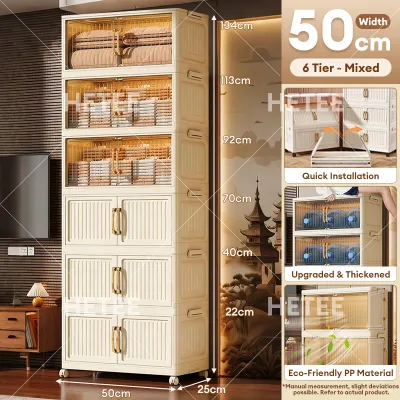
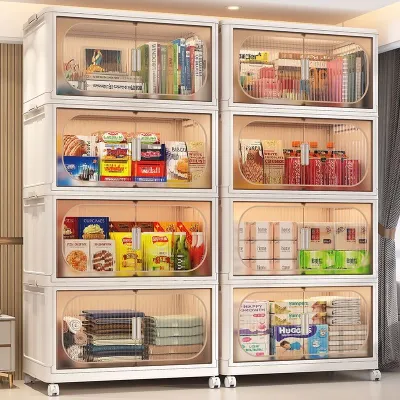
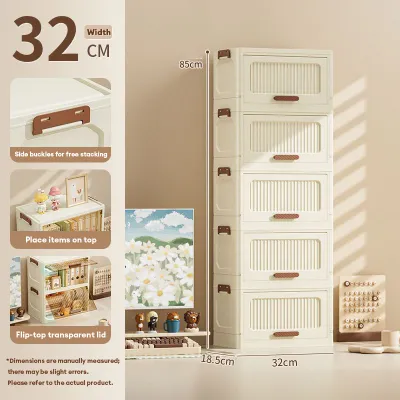
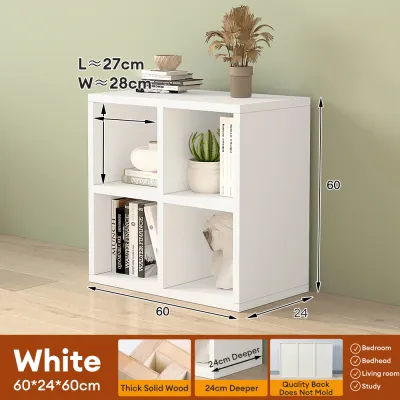
Prices are valid at publication and may change. Please refer to the product page for the latest price.
To make an informed decision, parents must evaluate several critical factors, including physical dimensions, material composition, safety features, and long-term adaptability. This guide provides a comprehensive framework to help you select a storage cabinet that meets these requirements while fitting seamlessly into your home and budget.
Essential Features for Nursery Storage Solutions
When evaluating a storage cabinet for toys, the physical design must accommodate both the immediate needs of parents and the developmental milestones of a growing child. For infants, parents handle all the organizing and retrieval, meaning top-shelf accessibility is highly convenient for keeping frequently used items within arm’s reach. However, as your baby transitions into a toddler, the lower sections of the cabinet must be safe and accessible for them to reach independently.
Height is a primary consideration for encouraging self-directed play. A cabinet that stands too tall poses a tipping hazard if a child attempts to climb it to reach a desired toy. Ideally, the primary toy storage compartments should be situated at or below your child’s eye level, which typically ranges from 50 to 80 centimeters for toddlers. This height allows them to see, select, and return toys without straining or risking a fall.
Material durability is another critical factor, particularly given the tropical climate of the Philippines. High humidity can cause untreated solid wood to warp and can lead to mold growth in poorly ventilated spaces. Engineered woods, such as medium-density fiberboard (MDF), are common in nursery furniture but must feature high-quality, water-resistant edge banding to prevent moisture from causing the material to swell or crumble. High-grade, BPA-free plastics and rust-resistant metal frames offer excellent moisture resistance, making them highly durable and easy to sanitize in humid environments.
Ease of cleaning is essential for maintaining a hygienic nursery. Dust, drool, spilled milk, and art supplies will inevitably find their way onto the storage cabinet. Smooth, non-porous surfaces that can be quickly wiped down with a damp cloth and mild, baby-safe detergent are highly preferred. Avoid cabinets with intricate carvings, deep grooves, or textured finishes, as these areas tend to trap dust, pet dander, and grime, which can trigger allergies in sensitive infants.
Weight capacity and structural integrity must be verified to ensure the cabinet can safely support your child’s growing toy collection. While plush toys are lightweight, children’s books, wooden building blocks, and interactive electronic toys can accumulate significant weight. Check the manufacturer’s specifications for the maximum weight limit of each shelf, drawer, or bin. A sturdy cabinet should feature a broad, stable base and robust joinery that does not wobble or sag when fully loaded.
Comparing Common Cabinet Styles and Configurations
Nursery toy storage comes in various configurations, each offering distinct advantages and trade-offs depending on your daily routine and your child’s age. Understanding these differences allows you to choose a style that balances visual order for adults with functional accessibility for children.

Open shelving with removable bins is one of the most popular configurations for early childhood spaces. This design typically features a low wooden or plastic frame that holds angled, open-top bins. The primary advantage of this style is high visibility; toddlers can easily see all their options, which encourages independent choice and reduces frustration. Removable bins also allow parents to bring a single container of toys to a play mat and easily gather them up for cleanup. However, open bins offer no protection against dust, and the exposed toys can create a visually cluttered environment that some parents find overwhelming.
Closed-door cabinets provide a clean, minimalist aesthetic by keeping toys completely out of sight when not in use. This style is highly effective at reducing visual clutter in multi-purpose spaces where the nursery also serves as a guest room or home office. Closed cabinets also protect toys from dust and household allergens. The trade-off is that young children cannot see what is inside, which may lead them to lose interest in certain toys or repeatedly open every door to find what they want. Additionally, cabinet doors introduce the risk of pinched fingers if they are not equipped with safety features.
Multi-tier drawer units, particularly those made of lightweight plastic or fabric, offer a highly organized approach to toy storage. Drawers are excellent for categorizing smaller items, such as building blocks, puzzle pieces, and art supplies. Plastic drawers are highly durable, moisture-resistant, and easy to wash. Fabric drawers are soft and lightweight, eliminating the risk of injury if dropped, but they can absorb moisture and odors in humid climates, requiring periodic airing out and cleaning to prevent mustiness.
Combination bookshelf-cabinet hybrids offer a versatile, long-term solution. These units typically feature open bookshelves on the upper half and closed cabinets or deep drawers on the lower half. This configuration allows parents to display books, decorative items, or toys that require supervision on the upper shelves, while keeping safe, everyday toys accessible in the lower compartments. This hybrid design transitions exceptionally well as your child grows, easily converting from nursery storage to a school-age bookcase and study organizer.
When choosing between these styles, consider your child’s current developmental stage. Infants and young toddlers benefit most from open, accessible bins that facilitate sensory exploration and simple cleanup routines. As children grow older and develop better categorization skills, closed cabinets and drawers become more practical, helping them learn to organize their belongings systematically while maintaining a tidy living space.
Safety Standards and Stability Checks to Verify
Safety is the absolute priority when selecting any furniture piece for a nursery. Because babies and toddlers are naturally curious and constantly testing their physical limits, toy storage cabinets must meet strict safety standards to prevent accidents and injuries.
The most critical safety hazard associated with nursery cabinets is tipping. As toddlers learn to pull themselves up, stand, and climb, they may use cabinet shelves or open drawers as steps to reach items on top. This can cause even heavy furniture to tip forward, posing a severe risk of entrapment or injury. To mitigate this risk, any cabinet placed in a nursery must be securely anchored to the wall. Parents should verify that the cabinet includes a heavy-duty wall-anchoring kit, or purchase certified aftermarket anti-tip straps. Always follow the manufacturer’s instructions precisely, securing the anchors directly into wall studs rather than simple drywall or plaster.
Edge softness and corner design are vital for protecting active, wobbly toddlers. Look for cabinets that feature rounded corners and smooth, chamfered edges. Sharp, 90-degree corners on wooden or metal furniture can cause painful bumps or cuts if a child falls against them. If you must use a cabinet with sharp edges, temporarily install soft silicone or foam corner guards to cushion potential impacts, ensuring they are securely adhered so the child cannot pull them off and present a choking hazard.
Hinge safety mechanisms are essential for any cabinet with doors or lids. Standard hinges can slam shut quickly, pinching delicate fingers or trapping hands. Ensure that any closed-door cabinet or toy chest is equipped with soft-close hinges or safety lid dampers. These mechanisms slow down the closing action, preventing the door or lid from slamming shut under its own weight. Additionally, look for designs that feature finger-clearance gaps around the edges of doors and drawers to provide an extra layer of protection.
Verifying non-toxic finishes is crucial, as infants and toddlers frequently explore objects by chewing or licking them. All paints, varnishes, stains, and laminates used on the cabinet must be certified lead-free and non-toxic. Look for manufacturer labels indicating compliance with international safety standards, such as low-VOC (volatile compounds) certifications. If a product description does not explicitly state that the finishes are safe for children, contact the manufacturer to verify before making a purchase. Avoid vintage or second-hand wooden cabinets unless you can confirm they have not been painted with lead-based paints.
Caregivers must maintain regular supervision during playtime and routinely inspect the storage cabinet for signs of wear. Check periodically that wall anchors remain tight, screws are secure, and hinges function smoothly. If any part of the cabinet becomes loose, cracked, or damaged, stop using it immediately and restrict access until it can be repaired or replaced.
Assessing Your Space and Long-Term Storage Needs
Before purchasing a toy storage cabinet, a thorough assessment of your nursery’s physical space and your family’s long-term storage requirements is essential. Taking the time to measure and plan prevents the frustration of buying a unit that is too large, too small, or impractical for your daily routine.
Begin by measuring the available floor space in the nursery. Use a measuring tape to determine the maximum width, depth, and height that the room can comfortably accommodate. Be sure to account for door swings, closet door clearances, and the space required to fully extend drawers or pull out storage bins. Ensure the cabinet does not block air conditioning vents, wall outlets, or natural light sources. In the Philippines, maintaining proper air circulation is vital for preventing mold growth, so avoid pushing large cabinets flush against damp exterior walls; leave a small gap of a few centimeters to allow air to flow freely.
Next, categorize your child’s current toy volume and anticipate future accumulation. It is easy to underestimate how quickly toys accumulate through gifts from family and friends. Group toys by size and type—such as soft plush toys, board books, building blocks, and small rattles—to determine the mix of storage compartments you need. A modular storage system that allows you to add, remove, or reconfigure bins and shelves is highly beneficial, as it can adapt to changing toy sizes over time.
Plan for the long-term transition of the furniture. A high-quality storage cabinet is an investment that should serve your child beyond infancy. During the first year, the cabinet might hold diapers, swaddles, and baby wipes. By year three, it will store finger paints, picture books, and building blocks. By school age, the same unit should be capable of organizing textbooks, art supplies, and school gear. Choosing a classic, neutral design rather than an overly babyish theme ensures the cabinet remains aesthetically appropriate as your child’s tastes evolve.
Finally, evaluate your budget ranges in Philippine Pesos (₱). High-quality, solid wood cabinets are a significant financial investment but offer exceptional durability and can be passed down through generations. On the other hand, modular plastic units and engineered wood cabinets are highly functional, lightweight, and budget-friendly options that perform exceptionally well during the early childhood years. Weigh the initial cost against the expected lifespan of the cabinet to find the best value for your family’s needs.
Frequently Asked Questions (FAQ)
How can I childproof an existing toy storage cabinet?
To childproof an existing cabinet, start by securing it to the wall using heavy-duty anti-tip straps or L-brackets screwed directly into wall studs. Next, install drawer stops to prevent children from pulling drawers completely out of the frame, which can cause them to fall on their feet. Use magnetic or latch-style child safety locks on all cabinet doors to prevent access to restricted items. Apply soft silicone corner guards to any sharp edges, and ensure all screws and hardware are tightened securely. Regularly inspect the cabinet for splintering wood, peeling paint, or loose parts, and address these issues immediately to maintain a safe environment.
When is it appropriate to transition from open bins to closed cabinets?
The transition from open bins to closed cabinets typically aligns with your child’s cognitive and motor development. Open bins are ideal for infants and toddlers under three years old, as they require visual cues to identify their toys and benefit from simple, one-step cleanup routines. Around the age of three or four, children develop better memory, categorization skills, and fine motor control. At this stage, they can understand that toys are stored behind doors or inside drawers even when out of sight. Transitioning to closed cabinets at this point helps teach advanced organizing habits, protects toys from dust, and allows you to maintain a more streamlined, clutter-free nursery environment.

Community discussion
Share your experience or ask a question. Comments are reviewed before publication.