
Choosing between a seated activity walker and a push walker is a major milestone decision for parents navigating the early stages of their child’s mobility. Each device serves a distinct purpose in a child’s physical development, and selecting the wrong style can lead to frustration or safety concerns. Matching the gear to your child’s developmental readiness ensures both a fun experience and a supportive environment for motor skill progression.
Understanding how your child moves right now is the key to making a safe, practical choice. While one option offers a secure, seated environment for a baby who is just learning to sit upright, the other serves as a mobile support system for an active toddler eager to take their first independent steps.
Seated Activity Walkers vs. Push Walkers: The Core Differences
Seated activity walkers are designed as enclosed, fabric-lined seats suspended within a rigid plastic or metal frame. This frame is mounted on a wide, wheeled base that allows the baby to move around by pushing off the floor with their feet. The front of the frame typically features an interactive tray filled with toys, buttons, and lights to keep the child entertained while they remain upright.
Products mentioned in this guide
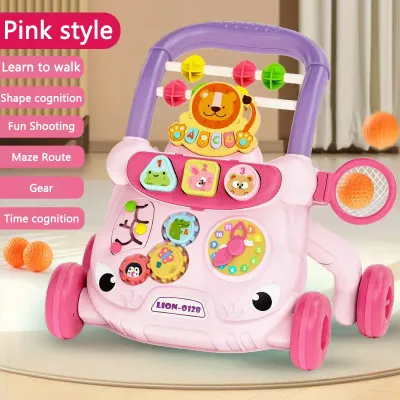
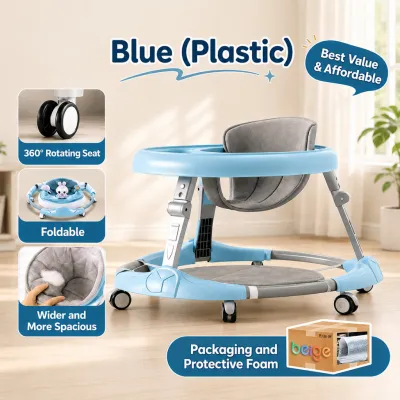
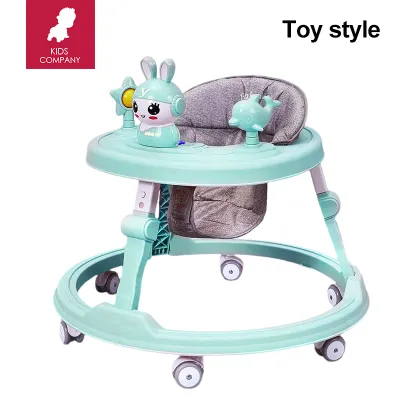
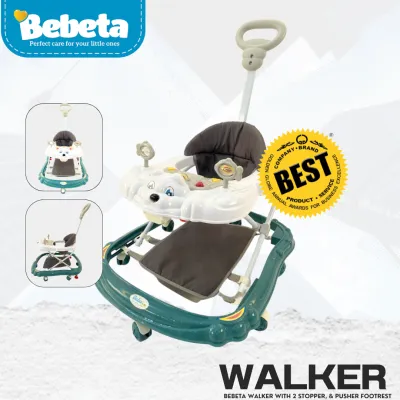
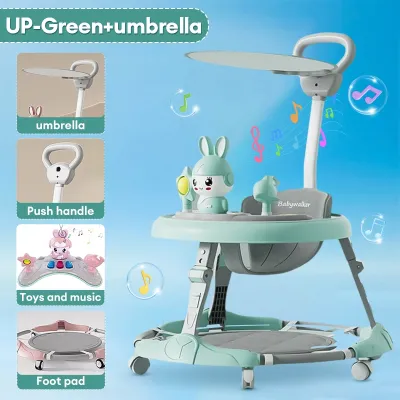
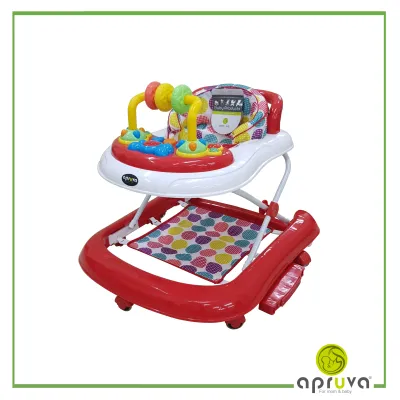
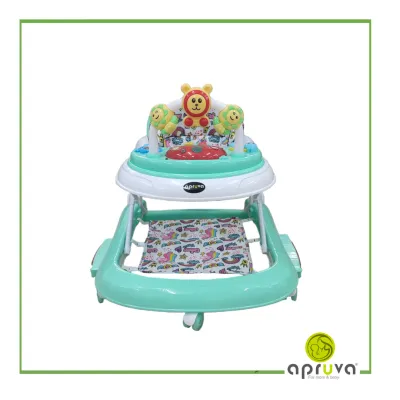
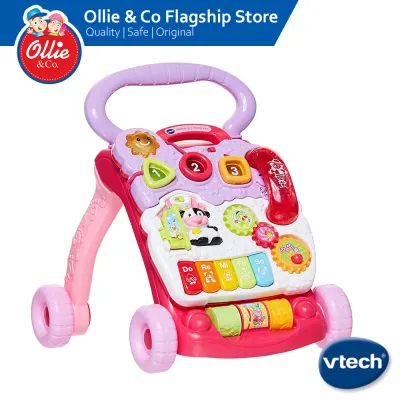
Prices are valid at publication and may change. Please refer to the product page for the latest price.
In contrast, push walkers are walk-behind toys designed for toddlers who are already transitioning to independent standing. These devices consist of a sturdy vertical frame, a handlebar, and a set of wheels, requiring the child to stand upright behind the walker and push it forward to move. Instead of supporting the child’s weight, a push walker acts as a balancing aid as they practice taking steps.
The primary developmental focus of each style is fundamentally different. Seated walkers prioritize stationary entertainment and supported leg movement, keeping the child contained in a secure area. Push walkers focus on active balance, core strength, and the natural mechanics of independent walking, helping toddlers learn to bear their own weight.
When to Consider a Seated Activity Walker
A seated activity walker is typically suitable for babies who have achieved the milestone of sitting up unassisted but are not yet strong enough to pull themselves up to stand or take steps. At this stage, their core muscles are developed enough to hold their head and torso upright without slumping, but they still require full physical support to remain in a standing position.

When evaluating seated walkers in a store or on an online marketplace, you must verify several key features on the product packaging. Look for models with adjustable seat heights, which ensure your baby’s feet can rest flat on the floor rather than just their toes touching the ground. A wide, flared base is also essential to prevent the unit from tipping over if the baby leans heavily to one side.
Safety boundaries are critical when using a seated walker, especially in multi-level homes or houses with raised entryways and verandas. You must ensure there are secure barriers or gates blocking access to stairs, steps, or uneven thresholds. Additionally, limit your baby’s time in the seat to short intervals, such as fifteen to twenty minutes per session, to encourage other forms of floor play like crawling. Always check the manufacturer’s weight and height limits printed on the box to ensure the device can safely support your child.
When to Consider a Push Walker
A push walker is designed for toddlers who are actively transitioning to independent walking. This stage is marked by the child pulling themselves up to stand using furniture, cruising along walls, and attempting to take supported steps with your assistance. If your child is already showing a strong desire to stand and walk, a push walker can provide the physical feedback they need to build confidence.
When shopping for a push walker, look for features that help manage the speed and stability of the device. Adjustable wheel resistance is a vital feature to verify, as it allows you to tighten the wheels so the walker does not roll away too quickly on smooth floors. A weighted base is also important to prevent the walker from flipping backward when your toddler pulls themselves up using the handlebar.
Using a push walker requires a clear, unobstructed path free of loose rugs, electrical cords, and small toys that could cause trips. In tropical climates, high humidity can make polished tiles or smooth concrete floors slick, so you must ensure the walking surface is completely dry before use. Close supervision is necessary to guide your child as they learn to steer and stop the walker safely.
Comparing Developmental Benefits and Safety Checks
The physical demands of these two walker types impact your child’s motor skill development in very different ways. Seated walkers support the child’s body weight, which means the baby does not have to engage their core muscles or practice balancing to stay upright. This can sometimes lead to toe-walking habits, as the child scoots forward rather than practicing a natural heel-to-toe stride.
Push walkers, on the other hand, require the child to bear their own weight, engage their core, and actively balance while moving. This design encourages natural hip alignment and helps build the leg strength needed for independent walking. Because the child must actively grip the handlebar and coordinate their steps, push walkers offer a more direct path to independent mobility.
Before purchasing any walker, you should perform a thorough safety verification check on the physical product or its packaging. Look for non-slip rubber grips on the wheels to ensure traction on smooth indoor surfaces. Verify that the device has a low center of gravity to resist tipping, and check for clear safety compliance marks from recognized testing authorities.
| Feature | Seated Activity Walker | Push Walker |
|---|---|---|
| Ideal Mobility Stage | Sits unassisted; cannot pull to stand | Pulls to stand; cruising or taking supported steps |
| Primary Skill Targeted | Leg strength (scooting), fine motor play | Balance, core strength, independent stepping |
| Weight Support | Fully supported by a suspended fabric seat | Self-supported; child bears their own weight |
| Key Safety Checks | Height adjustment, wide base, stair barriers | Wheel resistance, weighted base, non-slip wheels |
| Best Floor Types | Flat, single-level indoor floors | Dry tiles, hardwood, low-pile rugs |
Making Your Final Decision: Which Walker Fits Your Child?
To make the right choice for your family, assess your child’s current physical milestones rather than relying solely on age recommendations. Choose a seated activity walker if your baby can sit independently, enjoys interactive toy trays, and needs a supported environment for short periods of play. This option keeps them contained and entertained while you supervise nearby.
Opt for a push walker if your toddler is already pulling to stand, cruising along furniture, and actively trying to take steps. This style supports their natural drive for independence and helps them master the balance required for walking. It also transitions well into a toy they can push around long after they have learned to walk on their own.
If your child cannot sit unassisted yet, or if they are already walking confidently without any support, neither walker may be necessary. Introducing a walker too early can strain developing muscles, while using one too late offers little developmental benefit. Always cross-check the manufacturer’s specific age, weight, and developmental milestone guidelines on the product label before introducing any new gear to your home.
Frequently Asked Questions (FAQ)
Do pediatricians recommend seated or push walkers?
Many pediatricians and child development experts advise caution when using seated walkers due to safety risks near stairs and the potential for delayed natural walking habits. Push walkers are generally viewed more favorably because they encourage active weight-bearing and balance. However, you should always consult your pediatrician to discuss your child’s specific physical development and get personalized advice.
Can a push walker be used on tiles and hardwood floors?
Yes, a push walker can be used on tiles and hardwood floors, but you must check the wheel material and resistance settings first. Look for wheels with rubber traction strips to prevent slipping on polished indoor surfaces. Adjusting the wheel friction to its tightest setting will help slow down the walker, ensuring it does not roll too quickly for an early walker.

Community discussion
Share your experience or ask a question. Comments are reviewed before publication.