
Can Toddlers Under 3 Safely Take Scott's DHA Gummies?
While Docosahexaenoic Acid (DHA) is a crucial omega-3 fatty acid that supports early brain development and visual acuity, Scott’s DHA Gummies are generally not safe or recommended for toddlers under the age of three. The primary concern is not the nutritional content itself, but rather the physical format of the supplement. Gummy vitamins pose a significant physical hazard to young children who have not yet fully developed their chewing and swallowing capabilities.
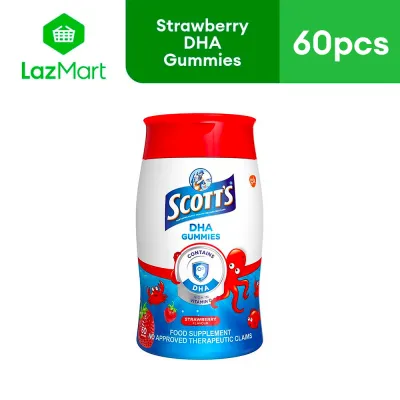
Manufacturer guidelines on the packaging of Scott’s DHA Gummies explicitly state that the product is intended for children aged three years and older. Parents must strictly adhere to these age limits, as they are established based on developmental milestones and safety standards. Giving these gummies to a child under the age limit printed on the label exposes them to unnecessary physical risks.
Every child develops oral motor skills at an individual pace, but children under three are universally at a higher risk of choking on firm, chewy substances. Even if a toddler seems to chew table foods well, the unique elasticity and stickiness of a gummy supplement present a distinct mechanical challenge that their small mouths are not yet equipped to handle safely.
Products mentioned in this guide
![Scotts DHA Gummies Strawberry + Orange 60s [Pack of 2] Helps Support Brain Development](https://img.lazcdn.com/g/p/57c252d1cbab5822cf70bdee533730fd.png_400x400q80.png_.webp)

![[BUY 2 TAKE 1] Scotts DHA Gummies Strawberry and Orange 60s (Pack of 2) get 1 FREE Scotts Pastilles 50s](https://img.lazcdn.com/g/p/9b77b2adc3db029f7f791b72e2261a33.jpg_400x400q80.jpg_.webp)




Prices are valid at publication and may change. Please refer to the product page for the latest price.
Before introducing any new dietary supplement, vitamin, or modified food to a child under three, parents should consult a qualified pediatrician. A professional evaluation ensures that your child’s nutritional needs are met safely without exposing them to physical hazards, and helps determine if supplementation is actually necessary for their specific growth stage.
Choking Hazards: Why Gummy Texture Matters for Young Toddlers
Between 12 and 36 months of age, a toddler’s chewing mechanism is still highly immature. They are transitioning from a simple vertical mashing motion with their tongue and gums to a complex, lateral rotary chewing motion. This advanced motion is required to grind down tough, fibrous, or highly elastic textures before swallowing.

Most toddlers do not have their second set of molars, which typically erupt between 20 and 33 months of age. Without these flat, grinding teeth, a young toddler cannot easily break down a dense, rubbery gelatin or pectin gummy into a safe, swallowable paste. Instead, they are highly likely to attempt to swallow the gummy whole or in large, partially chewed chunks.
A toddler’s trachea, or windpipe, is extremely narrow—roughly the diameter of their pinky finger. If a sticky, elastic gummy is swallowed prematurely, it can easily slide over the epiglottis and become lodged in the airway. Because gummies are moist and flexible, they can conform to the shape of the trachea, creating a tight seal that completely blocks airflow and is exceptionally difficult to dislodge with standard coughing reflexes.
If a pediatrician has evaluated your child and explicitly approved the use of a gummy supplement near the age of three, strict safety protocols must be followed. The child must always sit completely upright in a secured highchair or booster seat during consumption. They should never be allowed to eat a gummy while lying down, walking, running, or playing.
Direct, uninterrupted adult supervision is mandatory during the entire time the child is consuming the supplement. Caregivers must watch the child’s face and breathing closely, ensuring they are calm and not laughing, crying, or talking while chewing. Sudden inhalations during these activities can easily draw a partially chewed gummy directly into the airway.
How to Read the Label: Age Limits, Dosage, and Ingredients
When purchasing Scott’s DHA Gummies, the first step is to carefully examine the physical packaging. Locate the “Directions for Use” or “Suggested Dosage” section, which typically specifies that the product is designed for children aged 3 and above. Never bypass this warning, regardless of how advanced you believe your toddler’s chewing skills to be.
Next, examine the supplement facts panel to understand the exact amount of DHA and EPA provided per serving. Toddlers have specific daily nutritional limits, and exceeding these recommended amounts through concentrated supplements can lead to adverse effects. Always verify that the dosage matches the specific recommendations provided by your pediatrician for your child’s weight and age.
Parents must also scrutinize the inactive ingredients list for added sugars, glucose syrup, and sweeteners. Sticky gummies leave a sugary residue on newly erupted primary teeth. This residue can rapidly lead to dental caries (tooth decay) in toddlers, especially if the supplement is consumed daily without immediate teeth brushing afterward.
Check the label for potential allergens, including fish oil derivatives, specific gelatin sources (such as bovine or porcine), and artificial colors or flavors. If your child has a known sensitivity or allergy to seafood, fish-derived DHA supplements must be avoided unless cleared by an allergist or pediatrician.
The tropical climate in the Philippines presents a unique challenge for storing gummy vitamins. High ambient temperatures and humidity can cause gelatin-based gummies to melt, clump together, or degrade in quality. Melted or fused gummies pose an even greater choking hazard because their shape and texture become unpredictable. Always store the container in a cool, dry place below 25°C or 30°C as specified on the label, and keep it tightly sealed and out of reach of children.
Safe DHA Alternatives if Gummies Are Not Recommended
For toddlers under three who require DHA supplementation, liquid drops or specialized pediatric emulsions are highly recommended alternatives. These liquid formats completely eliminate the physical choking hazard associated with chewy gummies, allowing for safe and easy swallowing.
Liquid DHA can be administered directly into the child’s mouth using a calibrated dropper, or easily mixed into familiar foods. In Filipino households, mixing the drops into a warm bowl of lugaw (rice porridge), mashed avocado, or unsweetened yogurt is an excellent way to mask any natural fishy odor or taste.
Another practical alternative is using high-quality DHA softgels designed for infants or toddlers. Rather than having the child chew the softgel, parents can use a clean, sterilized needle to pierce the outer shell and squeeze the liquid oil directly onto a spoon or into a small portion of pureed food, discarding the empty gelatin shell immediately.
Even when choosing liquid or drop alternatives, parents must carefully read the product packaging to verify that the formulation is specifically approved for infants or toddlers under three. Check the dosage instructions to ensure you are administering the correct volume, as concentrated drops can vary significantly in potency.
Incorporating natural, whole-food sources of DHA into your toddler’s diet is often the safest and most beneficial approach. Appropriately prepared, low-mercury fish such as salmon, local sardines (tamban), or mackerel can be introduced. Ensure the fish is thoroughly deboned, cooked until soft, and finely flaked or mashed before serving to prevent choking.
When to Consult Your Pediatrician Before Starting Supplements
A pediatrician is the best resource to determine whether your toddler actually requires a DHA supplement. They can evaluate your child’s overall dietary intake, growth patterns, and developmental milestones to decide if their current diet provides sufficient omega-3 fatty acids without the need for commercial vitamins.
Direct professional consultation is mandatory if your toddler has a history of food allergies, particularly to fish or shellfish, or suffers from chronic gastrointestinal issues. A doctor can recommend hypoallergenic or plant-derived DHA alternatives (such as algae-based drops) that are safe for sensitive systems.
If you are uncertain about your child’s oral motor development or if they have a history of frequent gagging or choking on textured foods, a pediatrician or a pediatric speech-language pathologist can assess their chewing readiness. Never assume a child is ready for chewable vitamins based solely on their age or weight.
Frequently Asked Questions (FAQ)
Can I cut the gummy into smaller pieces for my 2-year-old?
No, cutting a gummy into smaller pieces does not make it safe for a two-year-old. The primary hazard lies in the physical properties of the gummy itself—its sticky, elastic, and rubbery texture. Even small pieces can easily stick to the throat or conform to the shape of a toddler’s narrow airway, creating a dangerous obstruction that is difficult to clear.
Instead of attempting to modify a product designed for older children, parents should strictly adhere to the manufacturer’s age guidelines. Choose a liquid, drop, or food-based DHA source that is developmentally appropriate and completely free of choking risks.
How much DHA does a toddler under 3 actually need daily?
Daily DHA requirements for toddlers under three are highly individualized and depend on factors such as age, weight, and overall dietary habits. Because there is no single universal dosage, parents should refer to established pediatric nutritional guidelines or consult their pediatrician for a personalized recommendation.
Relying solely on the serving size printed on a supplement bottle can be misleading, as those guidelines are often formulated for older children. A pediatrician can help calculate the precise dosage your toddler needs, ensuring they receive the benefits of DHA without the risk of over-supplementation.
What are the common side effects of DHA supplements in toddlers?
While DHA is generally well-tolerated by young children, some toddlers may experience mild, temporary side effects when starting a supplement. These can include mild digestive upset, loose stools, gas, or fishy-tasting burps, which are particularly common with oil-based fish supplements.
If you observe persistent digestive issues, skin rashes, hives, or any changes in your child’s breathing or behavior, stop administering the supplement immediately. Consult your pediatrician to rule out an allergic reaction or sensitivity to the product’s ingredients.

Community discussion
Share your experience or ask a question. Comments are reviewed before publication.