
When shopping for a star nest for baby, the absolute priority must always be safety. The most critical safety features to verify before buying include a completely firm and flat base mattress, highly breathable and hypoallergenic fabrics, and a secure construction free of loose drawstrings, ribbons, or soft, plush side walls. While these popular textile pods offer a cozy space for daytime lounging, they are not designed for unsupervised or overnight sleep. Ensuring these physical specifications are met protects your infant from serious sleep-related hazards, especially in warm, tropical climates.
Understanding the Safety Risks of Baby Sleeping Nests
A baby sleeping nest, often searched for as a star nest for baby, is a portable, fabric-walled pod designed to cradle an infant during supervised awake times. These items have gained massive popularity among parents seeking a cozy, cushioned spot for their infants to rest nearby while caregivers manage daily household tasks. However, it is vital to understand that these products are designed for lounging and supervised relaxation, not as primary sleep environments.
The primary safety risks associated with soft, padded sleep environments include suffocation, the rebreathing of carbon dioxide, and Sudden Infant Death Syndrome (SIDS). When an infant is placed on a soft, plush surface, their heavy head can sink, potentially compromising their airway. If the baby rolls over or shifts their head to the side, their nose and mouth can easily become obstructed by the padded side walls or a soft mattress pad, leading to rapid suffocation.
Products mentioned in this guide
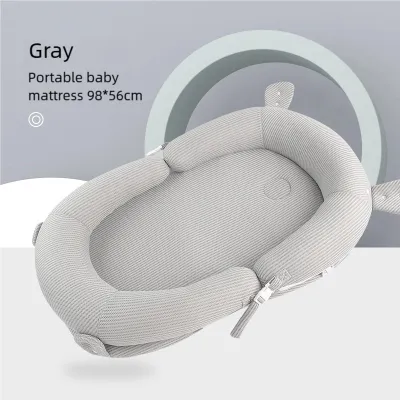
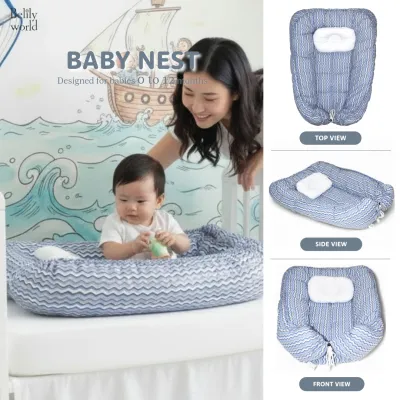
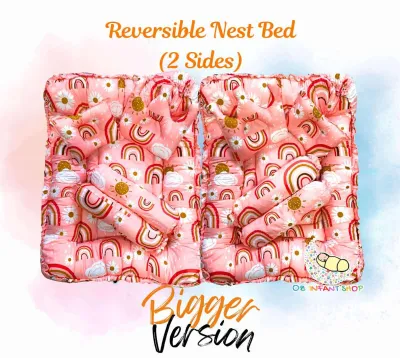
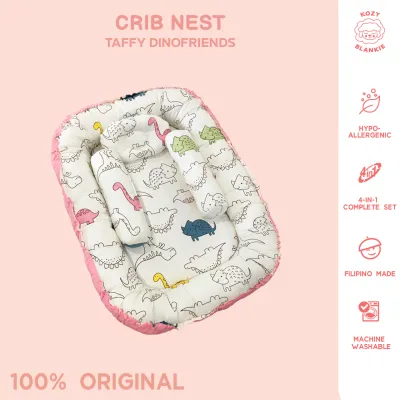
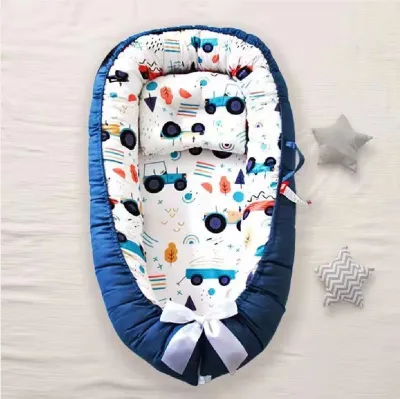
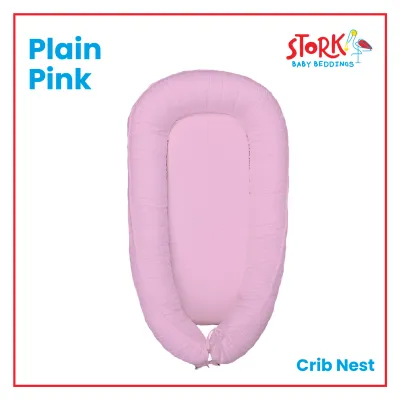
Prices are valid at publication and may change. Please refer to the product page for the latest price.
Furthermore, high and poorly ventilated side walls can trap exhaled carbon dioxide. When a baby breathes in this pocket of stale air, they rebreathe their own carbon dioxide, which can lead to hypoxia and silent respiratory distress. Because of these critical physiological risks, the global pediatric consensus remains clear: infants require a flat, firm, and entirely unobstructed sleep surface for all unsupervised sleep, including both daytime naps and nighttime sleep.
Consequently, while a baby sleeping nest is an excellent tool for daytime, supervised lounging on the floor, it must never be used as a substitute for a standard crib, cot, or bassinet. Understanding this distinction is the first and most important step in protecting your baby from preventable sleep-related accidents.
Critical Safety Features to Verify Before Purchase
To ensure you select a safe model, you must carefully evaluate the physical and material attributes of any nest before making a purchase.

Base Firmness and Flat Sleep Surface
The central resting area of the nest is the most critical component for maintaining an open airway. This base pad must be completely flat and exceptionally firm. A simple test you can perform is to press your hand firmly into the center of the mattress pad; when you release the pressure, the surface should immediately spring back to its original shape without leaving an indentation.
If the mattress pad conforms to the shape of your hand or sinks under light pressure, it is too soft for an infant. Avoid nests that utilize memory foam, thick polyester fiberfill, or overly plush padding in the base. These materials can easily contour around a baby’s face if they happen to roll over or tilt their head, creating a high risk of suffocation.
Additionally, check if the base pad is removable and how it responds to washing. Some low-quality foam or fiber inserts can warp, clump, or buckle after being laundered, creating dangerous lumps or uneven surfaces. Always follow the manufacturer’s care instructions, and inspect the base after every wash to ensure it remains perfectly flat and firm.
Breathable Materials and Side Wall Design
In the tropical climate of the Philippines, high humidity and warm temperatures make breathability a top priority for baby gear. When evaluating a nest, look for moisture-wicking, natural fabrics such as 100% organic cotton, bamboo-derived textiles, or specialized 3D mesh. These materials help regulate the baby’s body temperature and prevent overheating, which is a known risk factor for SIDS.
The side walls of the nest require equal scrutiny. They should be firm enough to act as a clear boundary to prevent the baby from rolling out, but they must not be excessively high or plush. High, heavily padded borders trap warm air inside the nest, creating a microclimate that can cause your baby to overheat rapidly.
To mitigate this risk, look for designs that incorporate mesh panels or breathable zones along the inner side walls. This ensures that even if your baby shifts and presses their face against the side of the nest, air can still flow freely through the fabric, reducing the risk of suffocation and carbon dioxide rebreathing.
Secure Construction Without Loose Parts
A safe baby nest must have an incredibly secure and robust construction. Carefully inspect all seams, stitching, and zippers to ensure they are durable and tightly sewn. Loose seams can allow the inner polyester stuffing or foam to escape, presenting an immediate choking or inhalation hazard to your little one.
Strictly avoid nests decorated with buttons, tassels, loose ribbons, or long drawstrings. While these elements might look aesthetically pleasing or rustic, they pose severe choking and strangulation hazards. Drawstrings are particularly dangerous; many nests use them at the bottom to adjust the size as the baby grows, but these cords can easily wrap around an infant’s neck or limbs.
If you choose a model that features adjustable ties or buckles to close the bottom bumper, verify that the straps are very short and designed to be secured away from the baby’s reach. Many high-quality safety-conscious designs feature a dedicated fabric cover or pocket that completely encloses the adjustment mechanisms, keeping them safely hidden and inaccessible to the infant.
Safe Usage Boundaries and When to Stop
Even the most meticulously designed star nest for baby can become hazardous if used outside its safety boundaries. Adhering to strict usage guidelines is essential for keeping your infant safe.
The golden rule of baby nest usage is that they must only be used for supervised, awake lounging, resting, or tummy time. A caregiver must remain in the same room and keep a direct line of sight on the baby at all times. If your baby falls asleep while resting in the nest, you should carefully transfer them to a safe, flat sleep environment, such as a crib or bassinet, as soon as possible.
Placement of the nest is another critical factor. Always place the nest on a flat, stable, and low floor surface. Never place the nest on elevated surfaces, including adult beds, sofas, armchairs, tables, or countertops. An infant’s sudden kick, roll, or shift in weight can cause the nest to slide off the edge, resulting in severe fall injuries.
Furthermore, you must know exactly when to retire the nest. Discontinuation of the product is determined by your baby’s developmental milestones rather than a strict chronological age. You must stop using the nest immediately once your baby shows any signs of attempting to roll over, or when they can push up on their hands and knees. Once a baby gains this mobility, they can easily roll their face into the side bumpers or even roll out of the nest entirely, presenting an immediate suffocation or fall hazard.
If you are ever unsure about your baby’s sleeping habits, developmental progress, or safe sleep setup, always consult a pediatrician or a qualified healthcare professional in the Philippines. They can provide personalized, clinical guidance to ensure your baby is resting in the safest possible environment.
Verifying Labels and Manufacturer Specifications
When shopping for a baby nest—whether at a physical boutique or on online marketplaces—it is crucial to verify the manufacturer’s official specifications rather than relying on promotional marketing.
Start by examining the product’s packaging or online documentation for explicit age, weight, and height limits. Manufacturers design these products with specific developmental stages in mind, and exceeding these limits compromises the structural integrity and safety of the nest. Never assume a product is safe simply because it is marketed for babies; always seek out clear, written safety guidelines from the brand.
Look for recognized textile and safety certifications on the product labels. For example, certifications such as OEKO-TEX Standard 100 verify that the fabric components have been rigorously tested for harmful chemicals and are safe for sensitive infant skin. While safety standards for baby nests are still evolving globally, reputable brands will actively seek out independent testing to validate their safety claims.
Be cautious of relying solely on user reviews, star ratings, or social media influencer endorsements on e-commerce platforms. While these reviews can offer insights into washability or fabric softness, they rarely evaluate critical safety parameters like structural firmness or airway safety. Always prioritize official manufacturer specifications, safety warnings, and care instructions over subjective online feedback. While high-quality, certified nests may range from ₱1,500 to ₱5,000, investing in a verified, safety-tested product is always the best choice for your peace of mind.
Frequently Asked Questions (FAQ)
Can a baby sleep overnight in a sleeping nest?
No, a baby must never sleep overnight or unsupervised in a sleeping nest. Pediatric safe sleep guidelines state that overnight sleep requires a flat, firm, and bare mattress in a crib or bassinet. The soft, raised borders of a sleeping nest pose a severe suffocation and carbon dioxide rebreathing risk if the baby rolls over or turns their head during unsupervised sleep.
At what age should I stop using a baby nest?
While many manufacturers list an age range of up to 6 or 9 months, you should stop using the nest based on your baby’s developmental milestones. Discontinue use immediately as soon as your baby shows signs of rolling over, can push up on their hands and knees, or exceeds the manufacturer’s specified weight and length limits.

Community discussion
Share your experience or ask a question. Comments are reviewed before publication.