
Choosing a rocking horse for your baby is an exciting milestone that brings classic joy into your home, but it requires a careful eye for safety. While these toys are excellent for helping little ones develop balance, coordination, and core strength, not all designs are suitable for every stage of infancy or toddlerhood. Before making a purchase, parents must look beyond the charming aesthetics and actively evaluate the toy’s physical structure, material safety, and built-in protective features. By focusing on stability, non-toxic finishes, and age-appropriate support, you can ensure your child’s playtime remains both delightful and secure.
Evaluating Base Stability and Tipping Prevention
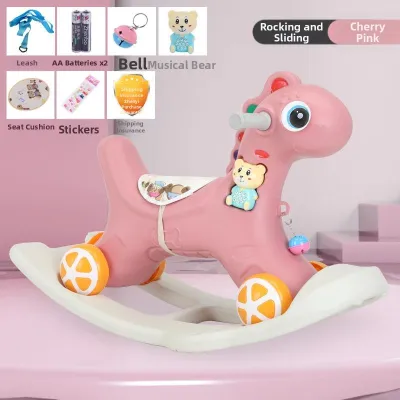
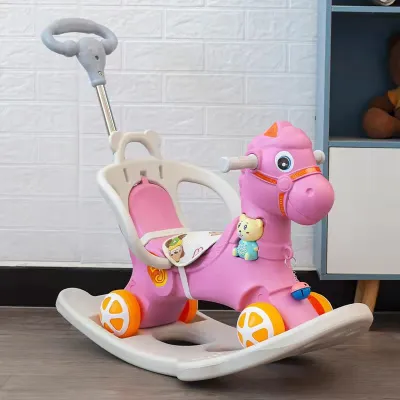
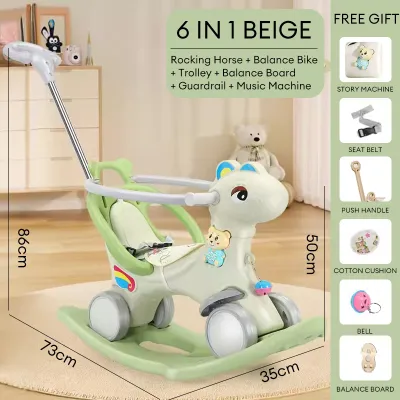
A rocking horse must withstand enthusiastic play without the risk of falling over. When evaluating a toy, start by examining the physical footprint of the base. A safe design features a wide, long base relative to the seat height, which establishes a low center of gravity and keeps the toy grounded even during vigorous rocking. If the base is too narrow or the seat is positioned too high, the toy becomes top-heavy and prone to tipping sideways when your baby leans.
Look closely at the curved rockers for built-in safety features. High-quality models often include physical anti-tip stops or limiters at the front and back ends of the curved rails. These stoppers act as physical barriers that prevent the horse from rocking too far forward or backward, significantly reducing the risk of a complete rollover. The curve of the rocker itself should be gentle and gradual; a steep, aggressive curve can cause sudden, jerky movements that make it difficult for a young child to maintain control.
Products mentioned in this guide
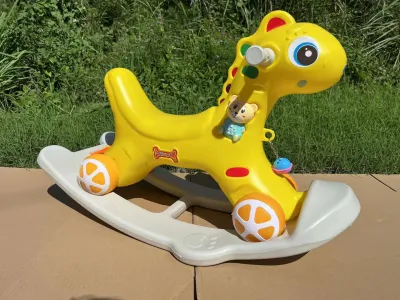
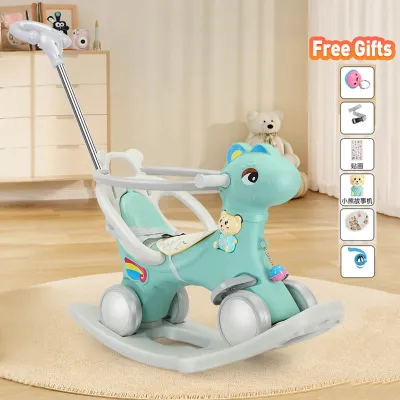
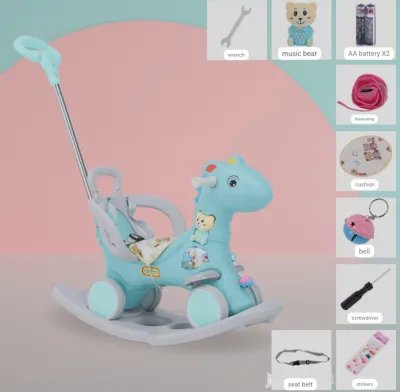
Prices are valid at publication and may change. Please refer to the product page for the latest price.
Before purchasing, always verify the manufacturer’s stated maximum weight capacity. This limit should comfortably accommodate your baby’s current weight while leaving room for near-term growth. Choosing a toy with an inadequate weight limit can compromise its structural integrity and balance, leading to unexpected tipping. Additionally, consider the surface where the toy will be used. In homes with smooth tiled or polished wooden floors, placing the rocking horse on a non-slip play mat can prevent the entire unit from sliding across the room during use.
Checking Materials, Finishes, and Choking Hazards
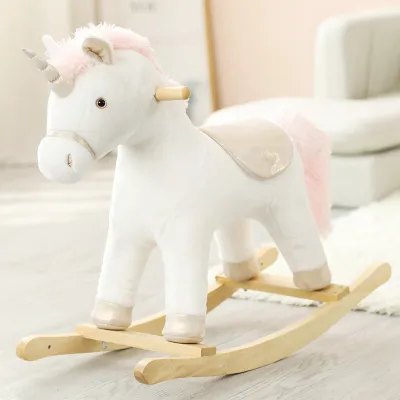
Babies interact with their toys using all their senses, which often includes chewing on the frame, handles, or fabric. If you are looking at wooden rocking horses, run your hands along the entire surface to check for a smooth, splinter-free finish. For plastic models, inspect the edges to ensure there are no sharp molding seams or rough patches that could scratch delicate skin. In warm, humid tropical climates, low-quality wood can warp or split over time, making durable, well-sealed hardwoods or high-grade, non-brittle plastics the preferred choices.

The paints, stains, and sealants used on the toy must be completely safe for oral contact. Look for products that are explicitly labeled as non-toxic, lead-free, and water-based by the manufacturer. Finishes must also resist peeling or flaking when exposed to moisture, drool, and sweat, as loose paint chips pose an immediate ingestion hazard. If you choose a plush or fabric-covered rocking horse, ensure the material is hypoallergenic, easy to spot-clean, and tightly stitched to prevent fibers from shedding.
Small decorative elements can quickly turn into choking hazards if they become detached. Inspect the horse’s eyes, mane, tail, reins, and buttons to ensure they are securely stitched, glued, or bolted down. If any decorative part feels loose or looks like it could be pulled off by a curious baby, it is best to choose a simpler, more streamlined design. Avoid models with small plastic gems, loose beads, or easily removable accessories that can fit entirely inside a child’s mouth.
Identifying Pinch Points and Entanglement Risks
A rocking horse has moving parts, which means there are potential areas where tiny fingers or toes can get caught. Carefully examine the joints, hinges, and any spring-loaded mechanisms. There should be no gaps or open spaces that narrow during the rocking motion, as these can easily pinch a child’s skin or trap their fingers. If you are considering a glider-style rocking horse, which uses a stationary base and metal suspension brackets, ensure these moving parts are completely enclosed in protective sleeves or fabric guards.
Handles and footrests must be securely anchored to the main body of the horse. Check that these attachments do not have protruding hardware, such as exposed screws, bolts, or sharp metal brackets. Smooth, rounded wooden pegs or integrated plastic grips are generally safer options that minimize the risk of scrapes and bruises. The handles should be sized appropriately for small hands, allowing your baby to maintain a firm, comfortable grip without their hands slipping off during play.
Entanglement is another critical hazard to avoid during your inspection. Avoid rocking horses that feature long decorative cords, loose strings, or reins that could wrap around a child’s neck or limbs. Keep the design clean and simple, ensuring that any fabric elements are tightly fitted and free of dangling threads. If the toy includes a fabric saddle or harness, inspect the straps to ensure they are short enough to prevent any wrapping or binding hazards.
Matching Harness Requirements to Your Baby's Development
A safety harness is a vital feature for younger babies who are still mastering their physical coordination. For infants and younger toddlers who are developing their independent balance and core strength, look for a model equipped with a secure, multi-point safety harness. This restraint helps keep your baby centered and upright in the seat, preventing them from sliding out sideways or slipping backward. A high-back seat design with padded side supports offers excellent lateral stability for babies who are still slightly wobbly.
The harness system should be highly functional and easy for caregivers to operate. Check that the straps are adjustable to accommodate different clothing thicknesses and growth spurts. The buckle should require enough finger strength or a specific double-action release so that an adult can secure it easily, but a curious toddler cannot unfasten it independently during play. Ensure the straps are made of soft, durable webbing that will not chafe your baby’s skin during active movement.
Always match the toy to your child’s actual developmental milestones rather than relying solely on the age range printed on the box. If your baby cannot sit upright completely unsupported or lacks strong neck control, they are not yet ready for a traditional rocking horse. For these early stages, a low-profile, heavily padded model with a full-surround seat is a much safer choice. As your child grows and develops excellent balance, you can transition them to an open-seat design that allows for more independent movement.
Verifying Safety Marks and Manufacturer Guidelines
Validating safety claims requires looking for official certifications and reading the fine print. Look for recognized safety certification marks on the packaging or the toy’s label, which indicate that the product has undergone testing to meet established toy safety standards. These marks provide peace of mind that the manufacturer has adhered to basic physical, mechanical, and chemical safety requirements. Avoid buying unbranded toys from unverified sources that lack clear safety labeling.
Take the time to read the manufacturer’s warning labels, assembly instructions, and supervision guidelines before letting your child play. Proper assembly is crucial; a single loose bolt can compromise the stability of the entire structure. Pay close attention to the recommended environment for use, such as placing the toy on a flat, carpeted surface rather than hard tile or near stairs. Always follow the manufacturer’s instructions regarding regular maintenance, such as tightening screws and checking for wear and tear.
Before finalizing your purchase, conduct a quick search for any product recalls or safety notices associated with the specific brand and model. Online consumer safety databases and official manufacturer websites regularly publish updates about design defects or material issues that may have emerged after the product was released to the market. Taking a few minutes to verify this information can prevent you from bringing a recalled or hazardous toy into your home.
Building Your Pre-Purchase Safety Checklist
When shopping for a rocking horse on an online marketplace or in a physical retail store, having a quick mental checklist can help you make a confident decision. Start by physically inspecting or reviewing photos of the base footprint, ensuring the rockers are wide and equipped with anti-tip stoppers. Check the materials for smooth finishes, non-toxic labels, and securely attached small parts to eliminate choking risks. Ensure there are no exposed joints or gaps that could pinch tiny fingers.
Next, verify the documentation by checking the manufacturer’s recommended age, weight limits, and safety certifications. Ensure the seat design matches your baby’s current physical abilities, opting for a secure harness system if they are still building core strength. If shopping online, read customer reviews carefully to see if other parents have reported any stability issues, peeling paint, or assembly difficulties.
Finally, remember that no built-in safety feature can replace active, close adult supervision. Always stay within arm’s reach of your baby while they are rocking, ensuring their play space is free of nearby sharp furniture edges, hard flooring, or electrical cords. By combining a well-designed, certified toy with vigilant supervision, you can create a safe and joyful play environment for your little one.
Frequently Asked Questions (FAQ)
At what age is it safe to introduce a rocking horse to a baby?
A baby is typically ready for a rocking horse once they can sit upright completely unsupported, demonstrate strong neck control, and have developed basic core strength. While some low-profile, heavily padded models are designed for older infants, always check the manufacturer’s specific minimum age, weight, and developmental guidelines for the exact model before use.
Do all rocking horses require a safety harness?
No, not all rocking horses require a safety harness. Harnesses are critical for younger babies and toddlers who lack the balance to stay upright on their own or for models with higher seats. Older children with developed coordination can safely use low-profile, highly stable rocking toys that do not feature restraints, provided they are supervised.
How can I test a rocking horse for stability before buying?
If you are shopping in a physical store, gently push the rocking horse to its maximum tilt to see if the anti-tip stoppers engage and prevent it from rolling over. When shopping on an ecommerce platform, carefully review product images of the base, check the dimensions for a wide footprint, and read customer reviews specifically looking for mentions of tipping or stability issues.

Community discussion
Share your experience or ask a question. Comments are reviewed before publication.