
Selecting the right rocking chair for baby use in the Philippines requires balancing comfort, convenience, and safety. In a tropical climate characterized by high humidity and warm temperatures, a poorly ventilated seat can cause discomfort or heat rash, while an unstable frame poses immediate physical risks. A quality rocking chair provides a secure space for your infant to rest and play under direct supervision, but finding the ideal model means looking past aesthetic designs and focusing on structural specifications. By evaluating key features such as harness systems, base stability, fabric breathability, and weight limits, you can make an informed decision that suits your home and supports your baby’s physical development.
Quick Feature Checklist for Fast Decisions
When browsing online marketplaces or visiting physical baby boutiques in the Philippines, having a quick screening tool helps you filter out substandard options. Use this checklist as a baseline framework to evaluate any rocking chair for baby before diving deeper into the manufacturer’s manual:
- Safety Restraints: Look for a secure 3-point or 5-point harness with durable, adjustable straps and a buckle that requires adult strength to release.
- Weight Capacity: Verify both the minimum and maximum weight limits to ensure the chair matches your baby's current size and offers a reasonable usage window.
- Recline Adjustability: Select a model with multiple locking recline positions rather than a single fixed angle.
- Base Stability: Choose a wide, low-profile footprint equipped with robust anti-slip rubber grips to prevent sliding on smooth tile or wood floors.
- Fabric Breathability: Prioritize open-weave mesh panels or moisture-wicking textiles that prevent heat retention in warm tropical weather.
- Portability: Opt for a lightweight, foldable frame if you need to move the chair between rooms or store it in compact living spaces.
- Ease of Cleaning: Confirm that the fabric cover is fully removable and machine-washable to handle inevitable spills and diaper leaks.
This checklist serves as a preliminary screening tool. It does not replace the necessity of verifying detailed manufacturer guidelines, checking local safety standards, or matching the specific features of the chair to your child’s physical milestones.
Products mentioned in this guide
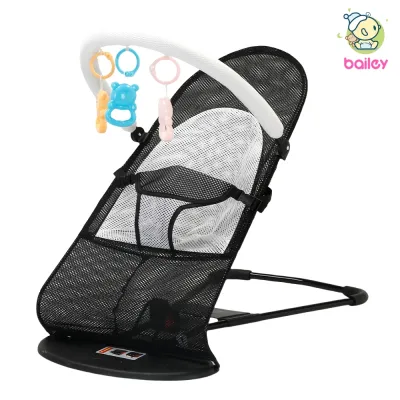
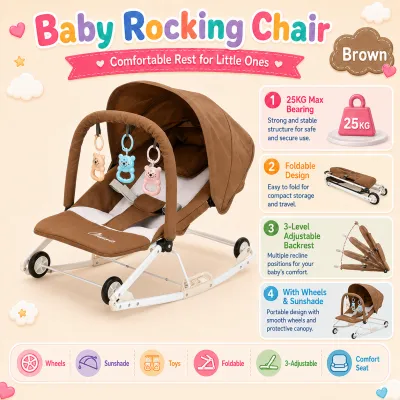
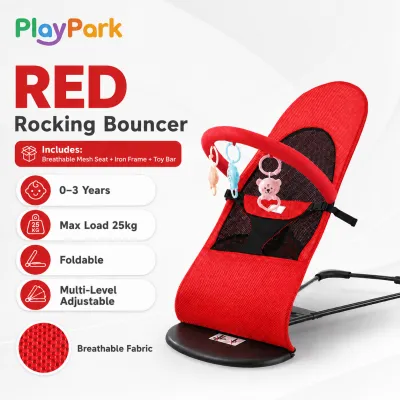
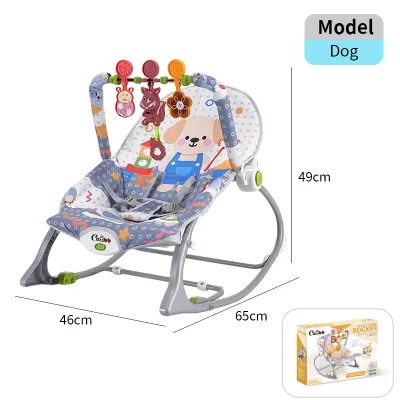
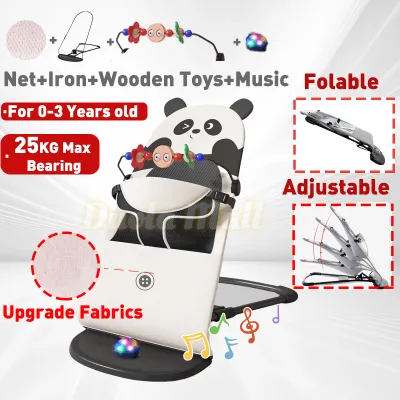
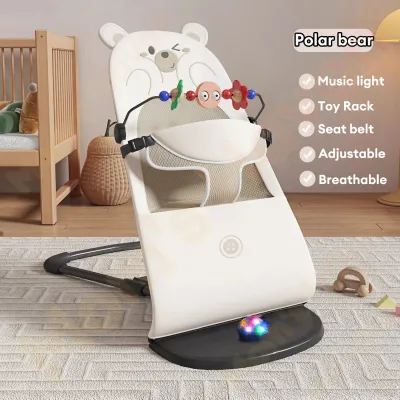
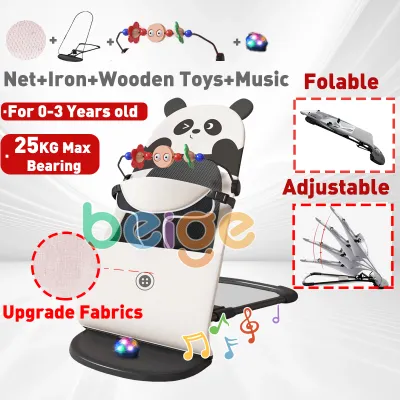
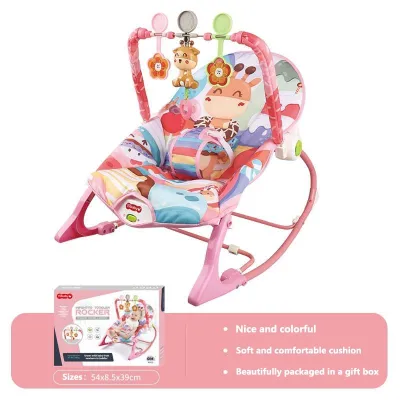
Prices are valid at publication and may change. Please refer to the product page for the latest price.
Safety Essentials: Evaluating a Rocking Chair for Baby
Structural safety is the most critical factor when choosing a rocking chair for baby. Because infants lack the strength to extricate themselves from awkward positions, the restraint system and frame design must prevent falls, tipping, and entrapment.

Harness Systems and Restraint Security
Harnesses are generally categorized into 3-point and 5-point systems. A 3-point harness secures the baby at the waist and crotch, preventing them from sliding downward out of the seat. A 5-point harness adds shoulder straps to this configuration, securing the upper torso and hips. For younger infants or highly active babies who attempt to lean forward or roll, a 5-point harness offers superior support by keeping the child’s center of gravity centered within the seat. When adjusting the harness, follow the manufacturer’s fitting instructions precisely: the straps must sit snugly against the baby’s body without restricting breathing, pinching the skin, or leaving red marks.
Base Design and Slip Resistance
The physical base of the rocking chair determines its stability. A wide, low-profile footprint distributes weight evenly and resists tipping when the baby moves. Look for frames constructed with cross-bracing, which reinforces structural rigidity. Additionally, check for thick, anti-slip rubber feet on the bottom of the frame. In many Philippine households, polished ceramic tiles, marble, or hardwood floors are common; without adequate rubber grips, the motion of the chair or the baby’s movements can cause the entire unit to slide across the floor, potentially leading to accidents.
Verifying Safety Certifications
Safety certifications and testing standards are dynamic, high-risk facts that vary by manufacturer and region. Rather than relying on generic marketing claims, locate physical compliance labels on the product tag, the frame itself, or within the official user manual. Look for recognized standard markings such as ASTM (American Society for Testing and Materials) or EN (European Standards) certifications. If a product listing claims compliance but lacks physical labels or verifiable documentation, treat the claim with caution and contact the manufacturer for verification.
Supervision and Discontinuation Indicators
No rocking chair replaces direct caregiver supervision. Never leave your baby unattended in a rocking chair, even for a brief moment. You must inspect the chair regularly for wear and tear. Stop using the rocking chair immediately if you observe any of the following conditions:
- Frayed, thin, or loose harness straps.
- Cracked plastic joints, bent metal tubes, or loose screws.
- An unstable frame that wobbles or tilts unevenly during use.
- The baby showing signs of rolling over, pushing up on hands and knees, or reaching the maximum weight limit.
Comfort and Ergonomics: Recline, Padding, and Climate Considerations
A baby rocking chair must support the natural alignment of your child’s developing spine while keeping them comfortable in varying environmental conditions.
Recline Mechanisms and Spinal Alignment
Look for chairs that offer adjustable recline angles with clear, physical locking clicks. A near-flat recline is essential for younger infants who cannot yet support their own heads, as it prevents their chin from falling forward onto their chest, which can restrict their airway. Upright positions are suitable for older infants who want to look around and interact with their environment. Avoid chairs that force a fixed, non-adjustable angle, as these do not adapt to your baby’s changing developmental needs or comfort preferences.
Padding Thickness and Support
While plush, heavy cushioning might look comfortable, excessive padding can pose safety risks. Thick, soft cushions can contour too closely around a baby’s face if they turn their head, presenting a suffocation hazard. Furthermore, overly soft surfaces do not provide the firm support needed for healthy spinal development. Choose a seat that offers firm, contoured support with moderate padding that cushions pressure points without allowing the baby to sink deeply into the material.
Fabric Choices for Humid Climates
In the Philippines, tropical humidity and high temperatures are daily realities. Heavy synthetic fabrics like standard polyester can trap heat and sweat, leading to discomfort, fussiness, and skin irritation such as prickly heat (bungang-araw). Look for rocking chairs that incorporate breathable mesh side panels or moisture-wicking fabrics to promote airflow around your baby’s back and thighs. Always verify these material properties against the product care label rather than assuming performance based on visual texture alone.
Removable Covers and Hygiene
Because baby gear is highly susceptible to spit-up, drool, and diaper blowouts, ease of cleaning is a major practical consideration. Ensure that the fabric cover is fully removable and that the seat frame can tolerate frequent disassembly. Check the manufacturer’s care instructions to confirm if the cover is machine-washable or if it requires hand washing. Avoid fabrics that shrink or warp after washing, as a tight-fitting cover can deform the frame or become impossible to reassemble safely.
Practical Features: Weight Limits, Portability, and Maintenance
Beyond safety and comfort, a rocking chair must fit seamlessly into your daily routine and household space. Evaluating operational limits and physical dimensions prevents premature wear and ensures long-term usability.
Understanding Weight Limits
Every rocking chair is engineered to operate within a specific weight range. Exceeding the maximum weight limit voids safety guarantees, stresses structural joints, and significantly increases the risk of the frame collapsing or tipping over. Conversely, placing an infant who is below the minimum weight limit into a large chair can result in poor harness fit and inadequate head support. Always check the official specification sheet for these limits and track your baby’s growth regularly to ensure they remain within the safe operating range.
Portability and Frame Weight
If you live in a multi-story home or a compact condominium, portability is a key feature. Look for chairs with foldable frames that collapse flat for easy storage under furniture or in closets. Integrated carrying handles make it easier to move the chair room-to-room while holding your baby. However, be aware of the trade-off between weight and stability: exceptionally lightweight frames may sacrifice base width or structural thickness. Ensure the chair maintains a wide, stable footprint even if it is designed for travel.
Maintenance and Longevity
To preserve the integrity of the rocking chair, establish a regular cleaning routine based on the manufacturer’s instructions. When cleaning the frame, avoid abrasive scrubbers or harsh chemical cleaners that could degrade plastic joints or strip protective coatings from metal tubes. For fabric parts, air drying is generally recommended over machine drying to prevent shrinkage and preserve elastic components. Keep the original user manual and any assembly tools in a secure, dry place so you can reference torque specifications or disassembly steps when storing the unit for future siblings.
Evaluating Electronic Features Safely
Many modern rocking chairs feature battery-powered or plug-in options, such as gentle vibration, built-in music, or automatic rocking timers. While these electronic elements can assist in soothing, they must be evaluated carefully:
- Battery Compartment: Ensure the battery compartment is secured with a screw to prevent curious siblings from accessing batteries, which pose a severe choking and chemical burn hazard.
- Cord Safety: If the chair uses an AC adapter, verify that the power cord is routed safely away from foot traffic and cannot be reached or pulled by the baby or pets.
- Controls: Look for intuitive power switches and volume limits that prevent sudden, loud noises from startling your child.
Matching Features to Your Baby’s Age and Development Stage
Your baby’s developmental stage dictates which rocking chair features are helpful and which are potentially hazardous. Aligning the chair’s specifications with physical milestones prevents developmental strain and safety risks.
Newborn Stage (0 to 3 Months)
Newborns have minimal neck strength and require complete head and lateral support. During this phase, prioritize rocking chairs that offer a deep, contoured seat with a flat or near-flat recline angle. Look for models that include a removable newborn insert or head support pillow designed specifically for the chair. Avoid upright seating angles, as the baby’s head can tilt forward, compressing their airway. At this stage, gentle, manual rocking or low-intensity vibration features are often highly effective for soothing.
Active Infant Stage (3 to 6+ Months)
As infants develop head control and begin tracking objects, their interest shifts toward interaction and play. Look for chairs with adjustable recline positions that allow the baby to sit more upright. Toy bars with dangling, soft toys can encourage reaching and hand-eye coordination. Ensure that any toy bar attachment is securely fastened and cannot be easily pulled down by the baby. The harness must be adjusted frequently during this stage to accommodate rapid physical growth and increased movement.
Transition and Retirement Milestones
Age ranges printed on baby gear packaging are general estimates and should not be used as the sole guide for suitability. Instead, monitor your baby’s physical milestones to determine when to adjust or retire the rocking chair. Use the following guidelines to manage transitions:
- Adjust to Upright: Transition the seat to a more upright recline angle only when the baby demonstrates consistent, stable head control.
- Discontinue Use: Stop using the rocking chair entirely as soon as your baby attempts to roll over, push up on their hands and knees, or sit up independently without support. At this point, the baby's increased mobility makes the chair highly susceptible to tipping.
- Short-Duration Limits: Remember that rocking chairs are intended for supervised, short-duration awake time. They should not replace a flat, firm crib mattress for extended sleep, nor should they serve as a primary seat for feeding solid foods, which requires a fully upright high chair to prevent choking.
How to Verify Specifications Before Purchase
With numerous options available on the market, verifying product specifications before finalizing your purchase protects your investment and ensures your baby’s safety.
Actionable Verification Checklist
Before checking out your online cart or paying at the register, perform these verification steps:
- Read the Official Spec Sheet: Access the manufacturer's official website to read the complete technical specifications, rather than relying solely on third-party retailer descriptions, which may contain translation errors or outdated information.
- Inspect Physical Samples: If buying from a physical store, run your fingers along the edges of the frame to check for sharp plastic molding lines, exposed screw threads, or pinch points where small fingers could get caught.
- Test the Mechanisms: Physically operate the recline adjustment, folding latches, and harness buckle. Ensure every transition is accompanied by a positive, locking click that cannot be disengaged without deliberate adult effort.
- Confirm the Return Policy and Warranty: Verify the seller's return window and the manufacturer's warranty terms in the Philippines. A reputable brand should offer clear customer service contact channels to assist with replacement parts or assembly questions.
Deconstructing Marketing Buzzwords
Marketing terms like “ergonomic,” “premium,” or “pediatrician-approved” are often used loosely to attract buyers. To make an objective decision, map these subjective labels to measurable specifications. For example, if a chair is advertised as “ergonomic,” verify if it features a contoured seat back that supports the natural curvature of an infant’s spine and offers adjustable recline angles. If a model is labeled “premium,” check if the frame is constructed from powder-coated alloy steel rather than thin plastic, and confirm if the fabric is a certified breathable textile.
If any product specifications are unclear, conflicting, or missing critical safety details, pause your purchase. Contact the manufacturer or authorized local distributor to clarify your questions before placing your baby in the chair.
Frequently Asked Questions (FAQ)
Can a baby sleep overnight in a rocking chair?
No, a baby should not sleep overnight or for unsupervised, extended periods in a rocking chair. Safe sleep guidelines recommend that infants sleep on a flat, firm, and separate surface, such as a crib, cot, or bassinet, free from soft bedding, pillows, or loose toys. Sleeping at an incline in a rocking chair increases the risk of positional asphyxia, where the baby’s heavy head falls forward, compressing the airway. If your baby falls asleep in the rocking chair, gently transfer them to a safe, flat sleeping environment as soon as possible.
How do I know if a rocking chair is too small for my baby?
Your baby has outgrown the rocking chair if they meet any of the following physical indicators, regardless of the age range listed on the packaging:
- The baby's weight meets or exceeds the manufacturer's maximum weight limit.
- The top of the baby's head reaches or extends past the top edge of the seat back, indicating a lack of head and neck support.
- The harness straps can no longer be adjusted to fit snugly, or they originate from a point well below the baby's shoulders, causing the straps to slip off.
- The baby's shoulders rise above the upper frame of the seat, or their feet hang excessively far over the lower edge, compromising weight distribution and stability.
Are vibration or music features necessary for a rocking chair?
No, electronic features like vibration, music, or automatic rocking are optional convenience additions rather than safety or developmental requirements. Many babies find gentle vibrations or soft melodies soothing, but others may ignore or dislike them. If you choose a model with these features, ensure that the electronic components do not interfere with the harness attachment points or structural integrity of the seat. Verify that the battery compartment requires a screwdriver to open, keeping small cells completely inaccessible to children.
Community discussion
Share your experience or ask a question. Comments are reviewed before publication.