
Selecting the right diaper changing table is one of the most important furniture decisions you will make for your nursery. While aesthetic appeal and storage capacity are often the first things that catch your eye, physical safety must remain your absolute priority. A secure changing area protects your baby from accidental falls, structural failures, and exposure to harmful materials during one of the most frequent daily routines of infancy.
In the Philippines, where high humidity and warm temperatures can affect the integrity of wooden furniture and adhesives over time, evaluating structural safety becomes even more critical. A table that feels sturdy in a dry, air-conditioned showroom might behave differently in a home exposed to seasonal moisture changes. Understanding exactly what physical features, material standards, and design elements to inspect before making your purchase ensures a secure environment for your growing child.
Structural Stability and Weight Capacity
The physical foundation of a changing table determines its ability to withstand the constant movement of an active baby. When evaluating a unit, begin by examining its base footprint. Tables with a wider, more spread-out base offer a lower center of gravity, which significantly reduces the risk of the unit tipping over when a baby shifts their weight. Heavier solid wood or reinforced metal frames naturally provide more resistance to accidental nudges compared to lightweight plastic or thin particleboard alternatives.
Products mentioned in this guide
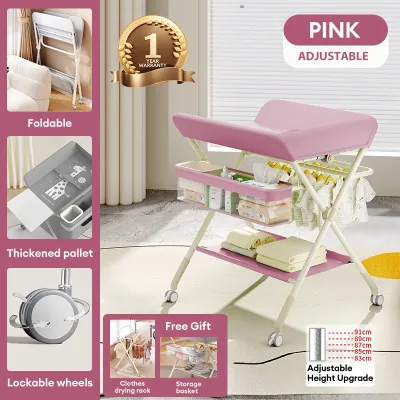
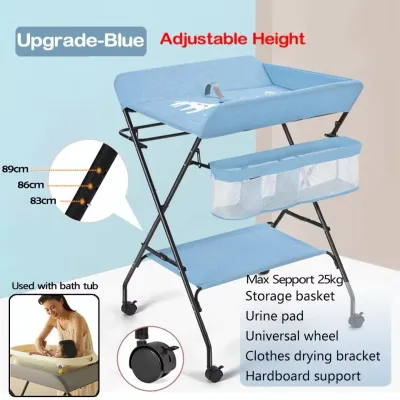
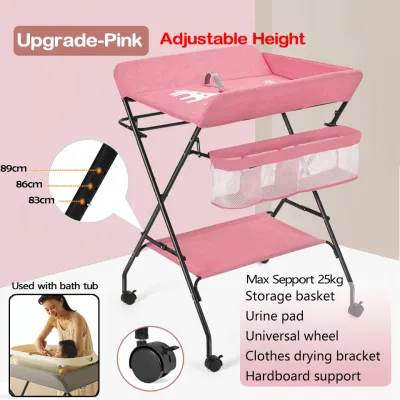
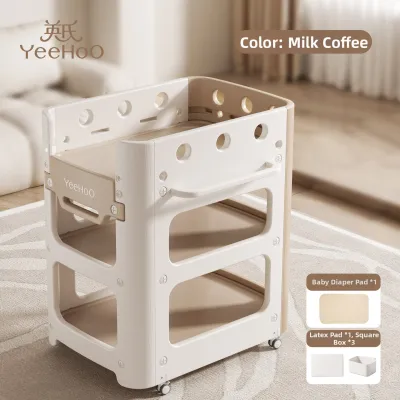
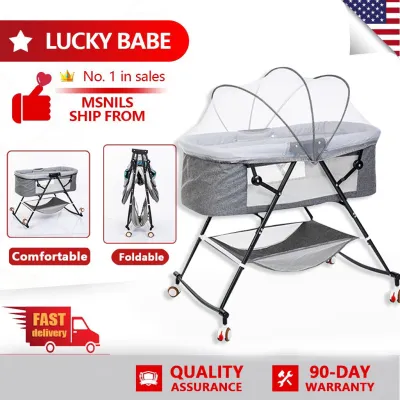
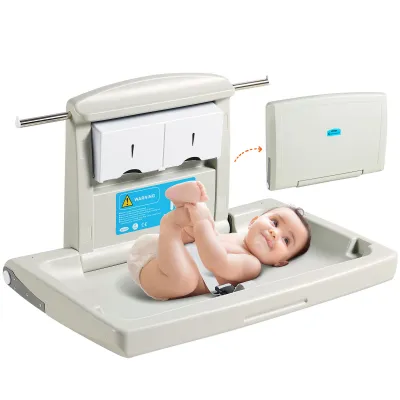
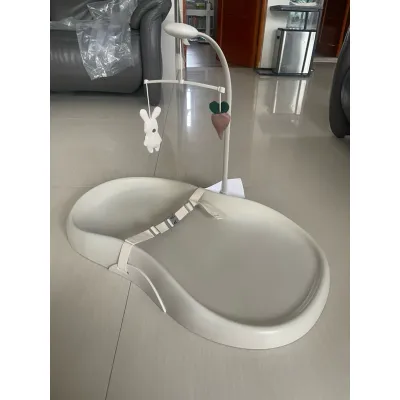
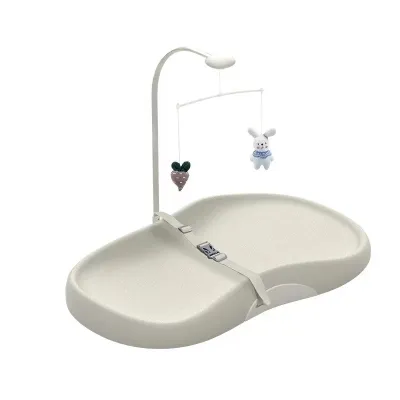
Prices are valid at publication and may change. Please refer to the product page for the latest price.
Every reputable manufacturer specifies a maximum weight limit for their nursery furniture. It is essential to locate this rating on the product packaging, retail listing, or instruction manual before buying. Do not assume a table is suitable simply because it is marketed for infants; instead, verify that the weight limit accommodates your baby’s projected growth over their first year or two of life. A limit of at least 13 to 15 kilograms is standard for many dedicated tables, but you must confirm this exact specification on the product label.
Inspect the leg design and joint construction closely for any signs of wobbling or structural weakness. In tropical climates, solid wood can expand and contract with fluctuating humidity levels, which can loosen poorly constructed joints. Look for furniture assembled with heavy-duty metal bolts, dowels, or mortise-and-tenon joints rather than simple wood screws or glue. Give the display model a firm, physical shake to test its rigidity; any swaying, creaking, or flexing indicates a weak structure that may degrade quickly under daily use.
Finally, check whether the changing table includes an anti-tip kit or wall-anchoring hardware. Because babies eventually learn to pull themselves up using nearby furniture, anchoring the table securely to the wall is a vital safety measure. If you live in a home with concrete or masonry walls, which are common in many Filipino households, plan to purchase appropriate masonry plugs and screws if the included hardware is only designed for drywall or wooden studs.
Fall Prevention: Guardrails, Contours, and Restraints
Falls represent the most common hazard associated with diaper changing surfaces, making containment features a non-negotiable part of your inspection checklist. Start by evaluating the guardrails surrounding the changing area. Safe designs feature continuous protective barriers on all exposed sides—ideally all four sides, or at least three sides if the table is designed to push flush against a wall. These rails should rise significantly above the changing surface to prevent a rolling baby from tumbling over the edge.

The changing pad itself plays a major role in fall prevention. Look for a contoured or recessed pad design, which features raised, sloping sides that naturally cradle the baby in the center of the pad. This physical contouring makes it much more difficult for an infant to roll onto their side or stomach during a diaper change. If the table comes with a pad, or if you are purchasing one separately, verify that the pad fits snugly within the table’s designated compartment with no gaps along the edges where a baby’s hand or foot could become trapped.
A reliable safety strap equipped with a secure, adjustable buckle is another essential feature to verify. The strap must be anchored directly to the wooden or metal frame of the table itself, rather than just being attached to the fabric of the changing pad. When inspecting the buckle, test its mechanism to ensure it requires a deliberate, firm press to release. This prevents the baby from accidentally undoing the strap while allowing you to secure and release it easily with one hand.
Never rely on the safety strap as a substitute for active supervision. Instead, view the strap, the contoured pad, and the high guardrails as a multi-layered defense system designed to assist you during sudden, unexpected movements. Each component must be in excellent working order before you trust the unit for daily diapering routines.
Material Safety and Physical Hazards
Babies have delicate skin and a natural tendency to explore their environment with their mouths, making material safety a critical consideration. When shopping, look for clear manufacturer declarations regarding the paints, varnishes, and finishes used on the table. Ensure the product is certified or labeled as lead-free, phthalate-free, and non-toxic. Avoid any furniture that emits a strong, lingering chemical odor, as this can indicate high levels of volatile organic compounds (VOCs) that can irritate a baby’s respiratory system.
Run your hands thoroughly over every surface of the changing table to check for physical hazards. Inspect all edges, corners, and underside areas for sharp points, rough splinters, or exposed hardware like screws and brackets. In humid environments, poorly finished wood can splinter more easily, so look for smooth, rounded corners and recessed hardware that sits flush with or below the surface of the wood.
If you are considering a folding changing table or a model with adjustable shelves and drawers, pay close attention to potential pinch points. Examine the folding hinges, drawer slides, and shelf supports to ensure there are no small gaps where a baby’s fingers or toes could get pinched during operation. Moving parts should operate smoothly and lock securely into place to prevent accidental collapse or sudden movement while the table is in use.
The materials used for the changing pad cover must also be evaluated for safety and hygiene. In warm, humid climates, moisture can quickly lead to the growth of mold, mildew, and bacteria. Choose a changing pad cover made from waterproof, non-porous materials that can be easily wiped clean and sanitized with mild soap and water. Avoid deep fabric crevices or quilted patterns that can trap moisture and organic matter, making them difficult to clean thoroughly.
Verifying Safety Certifications and Manufacturer Labels
Before finalizing your purchase, take the time to validate the product’s compliance with recognized safety standards. Look for official certification marks from independent testing laboratories on the product packaging, the retail box, or the manufacturer’s official website. These certifications indicate that the furniture has undergone rigorous testing for stability, load-bearing capacity, and material safety under simulated use conditions.
Carefully read the warning labels permanently attached to the changing table. These labels are often required by safety regulations and provide crucial information regarding proper assembly, weight limits, and age restrictions. A lack of clear warning labels or assembly instructions is a major red flag that may indicate a substandard or counterfeit product.
It is also wise to research the specific brand and model for any history of safety recalls or consumer complaints. You can search online databases maintained by consumer protection agencies or visit the manufacturer’s official support page to verify that the model you are considering has not been flagged for design defects or material failures.
Finally, review the included instruction manual. A high-quality changing table will come with a comprehensive, clearly written manual that includes step-by-step assembly diagrams, a complete parts list, and explicit safety warnings. If the instructions are vague, poorly translated, or missing entirely, the risk of incorrect assembly increases significantly, which directly compromises the structural integrity of the finished table.
Safe Placement and Ongoing Usage Rules
Even the safest changing table can become hazardous if it is placed in an unsafe location or used incorrectly. When planning your nursery layout, position the changing table far away from windows, window blind cords, electrical outlets, wall decorations, and low-hanging shelves. In the Philippines, you must also consider the placement of electric fans and air conditioning units; avoid placing the table directly in the path of strong drafts, which can cause rapid temperature drops for a wet baby, while also keeping it away from damp, unventilated corners where mold can thrive.
Establish a strict, non-negotiable rule for everyone who cares for your baby: always keep at least one hand on the baby at all times during a diaper change. Babies can roll over or shift their weight in a split second, and even the highest guardrails cannot guarantee safety if you turn your back.
To make this rule easy to follow, organize all your diapering supplies—such as clean diapers, wipes, creams, and a change of clothes—within arm’s reach of the changing surface. You should never have to step away from the table or turn your body completely around to grab an item. Utilize the table’s built-in shelves, drawers, or hanging organizers to keep these essentials organized and accessible while keeping them completely out of your baby’s reach.
Lastly, define clear stopping conditions for using the changing table. As your baby grows, their physical capabilities will change. Once your baby reaches the manufacturer’s maximum weight limit, or when they begin to actively roll, sit up, or attempt to climb out of the safety restraints, it is time to stop using the elevated table. Transitioning to diaper changes on a clean mat placed directly on the floor is the safest alternative for an older, highly mobile baby.
Frequently Asked Questions (FAQ)
Is it safe to use a regular dresser as a changing diaper table?
Using a regular dresser as a changing surface can be a practical and space-saving option, but it requires specific modifications to ensure it is safe. Standard dressers lack the built-in guardrails and secure compartments found on dedicated changing tables, which increases the risk of a baby rolling off the flat surface. To use a dresser safely, you must purchase a contoured changing pad and secure it firmly to the back or top of the dresser using the safety straps and screws provided by the pad manufacturer.
Additionally, you must anchor the dresser securely to the wall using heavy-duty anti-tip hardware. Dressers are highly prone to tipping over when multiple drawers are pulled out or when a child attempts to climb on them. Without these modifications—specifically a secured contoured pad, a functional safety strap, and robust wall anchoring—a standard dresser is not a safe substitute for a dedicated changing table.
When should I stop using the changing table?
You should stop using the changing table as soon as your baby reaches the manufacturer’s specified weight or height limit, or when they hit key developmental milestones that make elevated changes risky. Even if your baby is well under the weight limit, behavioral changes such as active rolling, sitting up, crawling, or attempting to pull themselves up using the guardrails signal that the table is no longer safe.
When these milestones are reached, the risk of a fall increases dramatically because the baby can easily bypass the safety straps and guardrails. At this stage, the safest alternative is to transition to diapering on a clean, padded mat placed directly on the floor, or inside a secure playpen, where there is zero risk of falling.

Community discussion
Share your experience or ask a question. Comments are reviewed before publication.