
Choosing between a standalone baby bed and a multi-functional bed with an attached changing table is one of the most significant furniture decisions expectant parents face. This choice shapes the visual layout of your nursery and the daily flow of diaper changes, clothing transitions, and nighttime care. A standalone baby bed offers maximum placement flexibility and a compact footprint, making it highly suitable for smaller rooms or shared master bedrooms. Conversely, a baby bed with an attached changing table consolidates sleeping, changing, and storage into a single, unified piece of furniture, offering a dedicated care station at the cost of a larger physical footprint.
In tropical environments like the Philippines, where indoor humidity levels fluctuate and room ventilation is essential for a baby’s comfort, the physical structure of nursery furniture requires careful thought. Large, solid furniture blocks can restrict airflow in tight spaces, whereas smaller, open-slat standalone beds allow air to circulate more freely. Additionally, parents must weigh the immediate convenience of integrated storage against the long-term utility of the furniture as the child grows. By evaluating your specific room dimensions, budget constraints, daily caregiving habits, and safety requirements, you can select a setup that supports your family’s needs.
Space and Layout: Will a Combo Unit Fit Your Room?
Before purchasing any nursery furniture, measuring your available floor space is the most critical step to avoid a cramped and dysfunctional room layout. A baby bed with an attached changing table is significantly longer than a standard standalone bed, often requiring an uninterrupted wall length of at least 1.5 to 1.8 meters. You must use a physical tape measure to map out these dimensions on your floor, taking into account not just the static footprint of the furniture, but also the clearance required for daily activities. For instance, if the combo unit features built-in drawers or a cabinet beneath the changing surface, you must ensure there is at least 60 centimeters of open space in front of the unit so you can open drawers fully and stand comfortably while accessing supplies.
Products mentioned in this guide
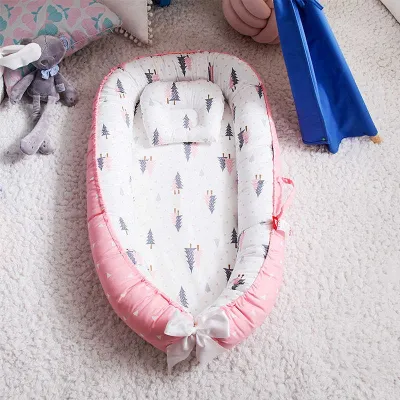

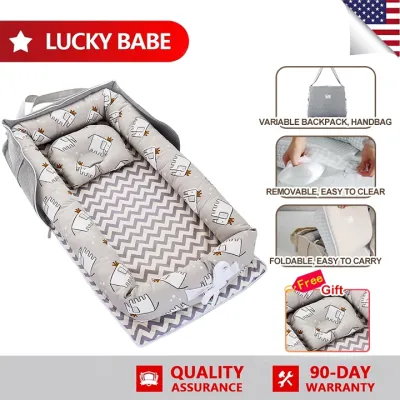

![[Free Shipping+Ready Stock]Baby Nest Multifunctional Travel Crib Cartoon Printing Newborn Mattress Bionic Bed Detachable Washable Portable Baby Upgrade Bed](https://img.lazcdn.com/g/p/c5e7e952015332cfc2505b928b750d0f.png_400x400q80.png_.webp)


Prices are valid at publication and may change. Please refer to the product page for the latest price.
Room traffic flow and architectural features also dictate which setup is viable. In many urban homes, bedrooms feature tight corners, low windows, or swinging closet doors that can easily be blocked by a large, multi-functional furniture piece. Placing a heavy combo unit too close to a window can pose safety risks as the child grows, while placing it too close to an air conditioning unit might expose the baby to direct drafts. A standalone baby bed, by contrast, offers the flexibility to be repositioned easily as your room layout changes. It can be placed parallel to a wall, tucked into a corner, or even moved temporarily to another room if needed, allowing you to maintain clear pathways and ensure that doors and windows remain fully accessible.
Budget and Value: Comparing Upfront and Long-Term Costs
Evaluating the financial aspect of your nursery setup involves comparing the immediate upfront cost in pesos (₱) against the long-term utility of the furniture. A standalone baby bed generally requires a lower initial investment in ₱, which can be highly appealing for families managing multiple preparation expenses. However, opting for a basic bed means you must factor in the additional cost of separate storage solutions, such as a chest of drawers, a diaper cart, or a standalone changing table. When you calculate the combined cost of these individual pieces, the total expense can sometimes equal or exceed the price of a single multi-functional combo unit.

The long-term value of a combo unit depends heavily on its adaptability. Infants outgrow the changing table portion relatively quickly, often within the first twelve to eighteen months, or as soon as they become too active and mobile to be changed safely on an elevated surface. If the changing table is permanently fixed to the bed frame and cannot be detached, you may find yourself with a bulky, specialized piece of furniture that occupies valuable space long after its primary function is no longer needed. Conversely, modular combo units that allow you to detach the changing topper or convert the base into a separate nightstand or dresser offer much greater longevity, though they may carry a higher initial price tag in ₱. Carefully reviewing the product specifications to see if the unit converts into a toddler bed or separate furniture pieces is essential for maximizing your investment.
Daily Convenience: Streamlining Diaper Changes and Storage
The daily routine of caring for a newborn involves frequent diaper changes, clothing updates, and soothing sessions, making ergonomic convenience a top priority for parents. An attached changing table streamlines these tasks by keeping the sleeping area and the changing surface immediately adjacent to one another. During late-night diaper changes, this proximity minimizes the distance you must carry a sleepy, fussy baby, helping to keep the transition as quiet and seamless as possible. Having a dedicated, waist-high surface also reduces the physical strain on your body, as changing a baby on a low bed or sofa can quickly lead to chronic back discomfort.
Storage organization is another area where the combo unit excels. With drawers or shelves integrated directly beneath the changing surface, essential items like diapers, wet wipes, barrier creams, and clean onesies are kept within arm’s reach. This layout is not just convenient; it is a vital safety feature, as it ensures you never have to turn your back or step away from the baby to grab a fresh diaper. If you choose a standalone baby bed, you must deliberately design your storage layout to mimic this convenience. This might involve placing a rolling utility cart next to the bed or setting up a changing pad on top of an existing dresser, ensuring that all necessary supplies remain easily accessible without compromising safety.
Safety and Stability: Verifying Build Quality and Limits
Ensuring the structural integrity and safety of your baby’s sleeping and changing environment is paramount, requiring a close inspection of build quality and manufacturer guidelines. Multi-functional combo units, because of their integrated drawers and elevated changing surfaces, can become top-heavy when fully loaded with clothing and baby gear. To prevent dangerous tipping hazards, it is essential to verify whether the manufacturer provides wall-anchoring hardware and to install it securely according to the instructions. The overall construction should feel solid and wobble-free, with high-quality joints that can withstand the high humidity levels typical of tropical climates without warping or loosening over time.
The changing surface itself must meet strict safety criteria to prevent accidental falls. Look for units that feature sturdy, raised guardrails on all four sides, or at least on the exposed sides, to create a secure barrier. While some models include safety straps to help secure the baby during changes, these straps are secondary aids and must never replace constant, hands-on supervision by a caregiver. Additionally, always consult the product manual or label to verify the manufacturer’s specified weight limits for both the bed and the changing table. Because babies grow at different rates, monitoring your child’s weight and physical development will help you determine exactly when to transition away from the elevated changing surface to a safer, ground-level alternative.
Final Decision: Which Baby Bed Setup Fits Your Needs?
Making the final choice between these two nursery setups comes down to a realistic assessment of your living space, budget, and physical comfort. A standalone baby bed is the ideal choice if you are working with a compact bedroom, prefer a highly flexible room layout, or want to keep your initial expenses in ₱ as low as possible. This setup allows you to adapt the room over time, utilizing portable changing solutions that can be stored away when not in use.
Alternatively, a baby bed with an attached changing table is highly suitable if you have a spacious nursery, value consolidated storage, and want a dedicated, permanent station for daily care. If you lean toward a combo unit, prioritize modular designs that allow the changing section to be detached or repurposed as your child grows. Most importantly, before finalizing your order on any online marketplace or in a local retail store, verify the exact height of the changing surface against your own physical measurements to ensure it provides a comfortable, ergonomic experience that protects your back during countless daily changes.
Frequently Asked Questions (FAQ)
Can I remove the changing table later and use it as a regular dresser?
Whether you can remove the changing table depends entirely on the specific design and manufacturer instructions of your combo unit. Many modular models are designed with a detachable changing topper that can be unscrewed and removed once your child outgrows diapers, leaving behind a flat surface that functions as a standard dresser or nightstand. However, some budget-friendly or non-modular units have permanently integrated frames that cannot be altered without compromising the structural integrity of the entire bed. Always check the product manual or specification sheet before purchasing to confirm if the unit supports modular conversion.
What is the ideal height for a baby changing surface?
The ideal height for a changing surface is determined by the height of the primary caregivers rather than a single universal standard. Generally, a comfortable changing surface should sit at approximately waist level, which typically ranges between 85 and 100 centimeters from the floor. To find your personal ergonomic height, stand comfortably and measure the distance from the floor to your waistline. Compare this measurement to the height specifications listed on the product label or manual to ensure you can change your baby without excessive bending or straining your back.
Community discussion
Share your experience or ask a question. Comments are reviewed before publication.