
Selecting the right feeding equipment is one of the first major decisions parents face when preparing for a newborn’s arrival. With various options lining store shelves, determining which material offers the safest and most practical experience can feel overwhelming. The reality is that no single material is universally superior; instead, safety and utility depend heavily on how you clean, handle, and maintain each bottle type.
Glass, BPA-free plastic, and silicone each present distinct physical properties, chemical stabilities, and daily maintenance needs. To build a reliable newborn baby bottle set, caregivers must evaluate these materials against their lifestyle, budget, and feeding routines. By understanding the specific characteristics of each material, you can make an informed decision that prioritizes your baby’s health and comfort.
Verifying Safety Labels and Material Grades
Before purchasing any baby bottle, verifying the safety certifications and material grades listed on the packaging is essential. Look for explicit labels indicating that the product is free from Bisphenol A (BPA), Bisphenol S (BPS), and phthalates. These chemical compounds, historically used in plastics manufacturing, are widely restricted in modern infant products due to potential health concerns.
Products mentioned in this guide
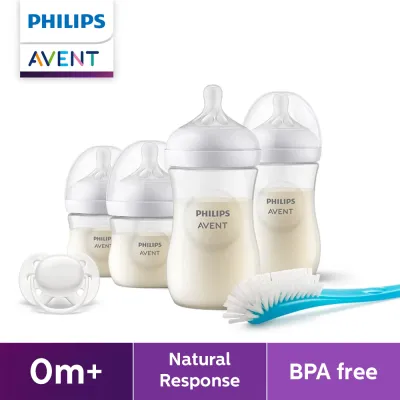
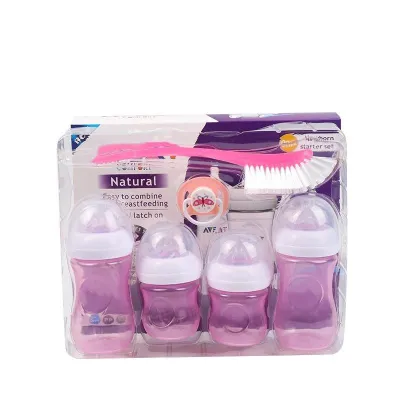
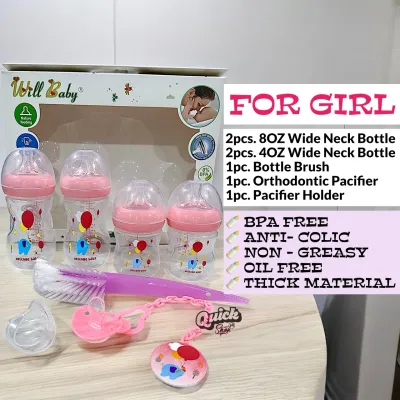
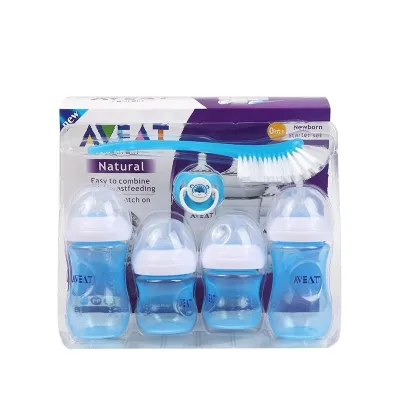
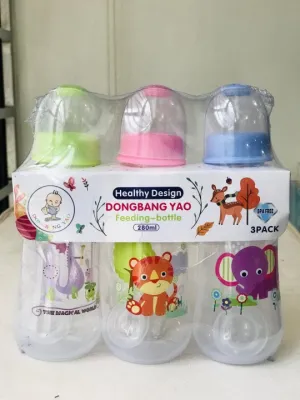
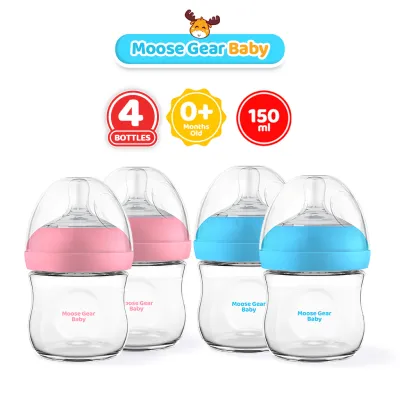
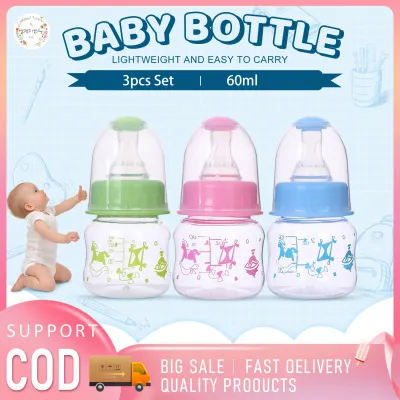
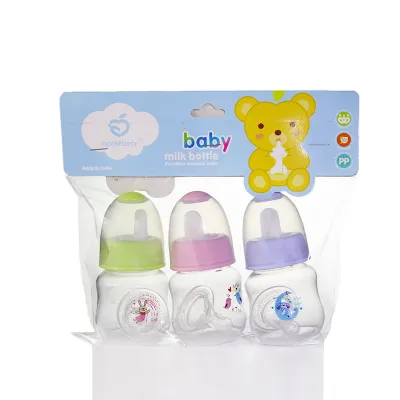
Prices are valid at publication and may change. Please refer to the product page for the latest price.
In addition to chemical-free labels, check the specific grade of the material used. For glass, borosilicate glass is the standard choice because it resists thermal shock, meaning it is less likely to crack when transitioning from cold storage to hot water. For plastics, look for high-grade options such as Polyphenylsulfone (PPSU) or Polyethersulfone (PES), which offer higher heat resistance and durability than standard Polypropylene (PP). If choosing silicone, ensure the packaging specifies 100% food-grade or medical-grade silicone.
Always verify the manufacturer’s age recommendations, typically marked as “0m+” or “newborn” on the packaging. This ensures the bottle is paired with an appropriate slow-flow nipple designed for a newborn’s developing swallowing reflex. Avoid purchasing unbranded or uncertified bottles from unregulated online marketplaces, as these products may not comply with international safety standards.
Glass Bottles: Hygiene Benefits and Handling Risks
Glass bottles have long been favored for their exceptional hygiene standards and chemical stability. Because glass is a non-porous material, it does not absorb odors, colors, or residues from breast milk or infant formula. This makes glass bottles highly resistant to bacterial buildup and exceptionally easy to clean, even after repeated use.

Another significant benefit of glass is its compatibility with high-heat sterilization methods. You can safely boil glass bottles, place them in steam sterilizers, or wash them in high-temperature dishwashers without worrying about material degradation or chemical leaching. This thermal stability provides peace of mind for parents prioritizing rigorous sanitation during the newborn’s first few fragile months.
However, glass bottles present clear practical limitations, primarily their weight and susceptibility to breakage. Glass is significantly heavier than plastic or silicone, which can cause hand fatigue during long, frequent newborn feeding sessions. More importantly, dropping a glass bottle can result in dangerous shards, posing a safety hazard in the home. This risk is particularly relevant in homes with hard tile floors, which are common in tropical climates like the Philippines.
To mitigate the risk of breakage, many parents use protective silicone sleeves. These sleeves slide over the glass body, providing a non-slip grip and absorbing shock if the bottle is dropped. Ultimately, glass bottles are ideal for supervised home feeding environments where the caregiver maintains full control of the bottle and the risk of accidental drops is minimized.
BPA-Free Plastic Bottles: Lightweight Convenience and Wear Limits
BPA-free plastic bottles are highly popular due to their lightweight design and shatterproof durability. These characteristics make them incredibly convenient for on-the-go feedings, travel, and eventual self-feeding as your baby grows. Unlike glass, a dropped plastic bottle will not shatter, making it a highly practical option for busy households.
Modern plastic bottles are typically made from PP, PES, or PPSU. While these materials are formulated without harmful bisphenols, they still require careful handling to maintain their safety profile. Caregivers must strictly follow manufacturer guidelines regarding maximum sterilization temperatures. Exceeding these temperature limits can cause the plastic to warp, degrade, or release microparticles over time.
Cleaning plastic bottles requires a gentle touch. Avoid using harsh abrasive brushes, steel wool, or coarse scrubbing pads, as these can easily scratch the soft inner walls of the bottle. Scratches create microscopic crevices where bacteria and milk proteins can accumulate, making proper sterilization difficult to achieve. Instead, use soft silicone brushes or sponge bottle brushes designed specifically for plastic feeding gear.
Because plastic is susceptible to physical wear, you must regularly inspect these bottles for signs of degradation. Over time, repeated washing and sterilization will cause plastic to become cloudy, discolored, or structurally weakened. If you observe deep scratches, persistent cloudiness, or a sticky texture, the bottle has reached its wear limit and must be replaced immediately to ensure feeding hygiene.
Silicone Bottles: Tactile Comfort and Cleaning Needs
Silicone bottles represent a modern innovation in infant feeding, offering a unique combination of flexibility and safety. Made from food-grade silicone, these bottles feature a soft, squeezable, skin-like texture. Many parents find that this tactile comfort helps ease the transition between breastfeeding and bottle-feeding, as the bottle mimics the natural feel of maternal skin.
From a safety perspective, high-quality silicone is highly heat-resistant, shatterproof, and chemically inert. It can withstand extreme temperatures, making it compatible with boiling, steam sterilization, and microwave sterilizers. Because silicone is flexible, it is also highly durable and will not crack or chip when dropped, combining the safety benefits of glass with the lightweight convenience of plastic.
Despite these benefits, silicone bottles have specific cleaning and maintenance requirements that caregivers must manage. The natural texture of silicone tends to attract dust, lint, and pet hair due to static electricity. Consequently, these bottles must be stored in clean, closed cabinets rather than left exposed on open drying racks. Additionally, silicone can absorb food odors or oily residues from breast milk if not washed promptly with warm, soapy water.
When purchasing silicone bottles, always verify that the product is made from 100% food-grade or medical-grade silicone rather than a cheap synthetic blend. After washing, ensure the bottles are dried thoroughly in a well-ventilated area. In humid, tropical environments, residual moisture trapped inside a flexible silicone bottle can encourage mold growth, making complete dryness a critical step in your daily routine.
Building a Practical Newborn Baby Bottle Set
When assembling a newborn baby bottle set, you do not have to limit yourself to a single material. Many experienced parents adopt a hybrid strategy, mixing and matching materials to suit different daily scenarios. For example, you might choose to use glass bottles for night feeds and home routines where sterilization is straightforward, while keeping lightweight plastic or silicone bottles in your diaper bag for travel and outdoor errands.
Budgeting is another practical factor to consider when planning your purchase. In the Philippines, bottle prices vary widely depending on the material and brand. Standard PP plastic bottles are generally the most budget-friendly option, often costing between ₱150 and ₱300 per bottle, though they require more frequent replacement. High-grade plastics like PPSU, along with premium glass and silicone bottles, represent a higher upfront investment, typically ranging from ₱400 to ₱900 or more per bottle. However, their durability often translates to a longer lifespan, potentially saving money over time.
When building a mixed set, pay close attention to the compatibility of nipples, collars, and venting systems. Newborns are highly sensitive to changes in nipple shape and flow rate. To avoid feeding frustration or nipple confusion, try to select bottles that utilize consistent nipple designs, or ensure that the flow rate remains uniform across different bottle bodies. Look for anti-colic venting systems that reduce air ingestion, helping to keep your baby comfortable after feeding.
Frequently Asked Questions (FAQ)
Can I mix different bottle materials in one feeding routine?
Yes, you can safely mix different bottle materials in your daily routine, provided you maintain consistency in the nipple design and flow rate. Newborns adapt quickly to specific nipple shapes and flow speeds, so changing these variables suddenly can cause feeding confusion or gas. However, babies generally adapt well to the varying weights and textures of glass, plastic, and silicone bottle bodies, as long as the nipple remains familiar and comfortable.
How often should I replace plastic or silicone bottles?
As a general guideline, standard plastic bottles should be replaced every 3 to 6 months, while high-grade plastics (like PPSU) and silicone bottles can last longer with proper care. However, you should always rely on physical inspection rather than a strict calendar schedule. Replace any bottle immediately if you notice deep scratches, persistent cloudiness, cracks, warping, or a sticky texture, as these signs indicate the material has degraded and can no longer be thoroughly sanitized.

Community discussion
Share your experience or ask a question. Comments are reviewed before publication.