
The safest and most practical cloth diaper fastener for a newborn depends on your comfort level with sharp objects and the specific fabric of your cloth diaper (lampin). For many modern parents in the Philippines, stretchy T-shaped silicone grippers or gear-shaped plastic clips offer a safe, pin-free alternative to traditional safety pins, especially when diapering an active baby in a warm, humid climate. However, traditional locking safety pins remain highly reliable for thick, tightly woven cotton prefolds that stretchier fasteners cannot easily grip.
Selecting the right fastener involves balancing ease of use, skin safety, and how well the fastener holds up against tropical humidity and frequent washing. While silicone and plastic grippers eliminate the risk of accidental pinpricks, they require specific fabric textures to hold securely. Understanding how each option interacts with newborn anatomy—such as the healing umbilical cord—will help you establish a comfortable, stress-free diapering routine.
Understanding Newborn Needs for Cloth Diaper Fasteners
Newborn babies have highly specific anatomical needs that make diapering a delicate task. During the first few weeks of life, the primary concern is the healing umbilical cord stump. Any fastener or diaper fold must sit comfortably below or clear of this sensitive area to prevent friction, moisture buildup, and irritation. A fastener that is too bulky or placed too high can press against the navel, causing discomfort or delaying the natural healing process. If you notice any unusual redness, swelling, or discharge around the navel, stop using fasteners near the area and consult a pediatrician immediately.
Products mentioned in this guide
Prices are valid at publication and may change. Please refer to the product page for the latest price.
Delicate newborn skin is exceptionally thin and prone to chafing, especially in hot and humid tropical environments. Sharp edges, rough plastic seams, or exposed metal can easily scratch or irritate a baby’s thighs and abdomen. Because newborns spend most of their time lying down, any fastener used must lie flat against the diaper fabric without creating pressure points when the baby is resting on their stomach or side. Caregivers must ensure that the fastener is fully covered by a soft outer wrap to prevent direct contact with the skin.
Securing a cloth diaper on a tiny newborn presents a unique structural challenge. Newborns have very narrow waists and slender thighs, yet their cloth diapers—often traditional cotton lampin or prefolds—can appear bulky. The fastener must be able to pull the fabric snugly around these small proportions to prevent leaks, without squeezing the baby’s gentle midsection too tightly. Finding a fastener that accommodates this bulk while maintaining a secure, low-profile fit is essential for leak prevention and baby comfort.
Evaluating the Main Types of Baby Clips and Fasteners
To secure a cloth diaper without built-in snaps or hook-and-loop closures, caregivers rely on three primary categories of fasteners. Each type utilizes a distinct mechanical approach to grip fabric layers and hold the diaper in place.

Traditional locking safety pins rely on physical penetration of the fabric, using a sharp point secured by a protective cap. Stretchy T-shaped grippers use tension and tiny claw-like teeth to grab the surface fibers of the cloth. Gear-shaped plastic grippers work in pairs, clamping down on the sides of the diaper waistband to pull the fabric taut. Understanding these mechanisms helps you choose the safest option for your family’s lifestyle.
Traditional Locking Safety Pins
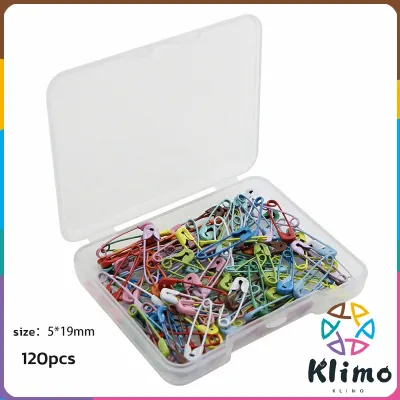
Traditional diaper pins have been a household staple for generations, valued for their reliability and strength. Unlike standard sewing pins, dedicated baby diaper pins feature a specialized locking plastic head. This safety cap requires a deliberate sliding or squeezing motion to open, preventing the pin from popping open unexpectedly while the baby moves. When shopping for these pins, caregivers must verify that the locking mechanism is sturdy and made of high-quality, rust-resistant stainless steel to withstand frequent washing and tropical humidity.
Using diaper pins safely requires a specific physical technique to protect the newborn’s skin. Always slide your fingers underneath the diaper fabric layers, placing your hand directly between the pin and the baby’s skin. This creates a physical barrier, ensuring that if the pin slips during insertion, it will press against your fingers rather than puncturing the baby. Push the pin through the fabric horizontally rather than vertically to minimize pressure against the baby’s abdomen.
One of the greatest advantages of traditional pins is their ability to penetrate thick, multi-layered fabrics. Heavy cotton prefolds or dense night-time diapers can be difficult for claw-based grippers to hold, but a sharp, sturdy pin easily secures these bulky layers. However, caregivers must regularly inspect the pins for any signs of bending, dulling, or rust. A dull pin requires excessive force to push through fabric, increasing the risk of slipping and causing accidental injury.
T-Shaped Silicone Grippers
T-shaped silicone grippers offer a modern, pin-free alternative that has gained immense popularity among eco-conscious parents. These fasteners feature a stretchy, elastic body with small, curved plastic claws at the ends of three arms. By hooking the top two arms into the sides of the diaper and pulling the third arm down to grip the crotch area, caregivers can secure the diaper under constant, gentle tension. This design completely eliminates the risk of sharp metal punctures, providing peace of mind for anxious parents.
Despite their convenience, T-shaped grippers have specific fabric compatibility limits. They rely on the tiny claws catching the loops of the fabric, making them highly effective on terry cloth, cotton prefolds, and loosely woven flannel. However, they struggle to grip very slick, tightly woven, or heavily worn fabrics that lack a textured surface. If the fabric is too smooth, the claws may slip off, causing the diaper to come undone during movement.
Because these fasteners are made of stretchy elastomer materials, they are subject to wear and tear over time. The constant tension placed on the central junction can cause the material to degrade, especially when exposed to high temperatures during sanitizing or the intense humidity of tropical climates. Caregivers must inspect the central stress points daily for micro-tears, stretching, or discoloration. If the silicone loses its elasticity or shows signs of cracking, it must be replaced immediately to prevent sudden snapping.
Gear-Shaped Plastic Grippers
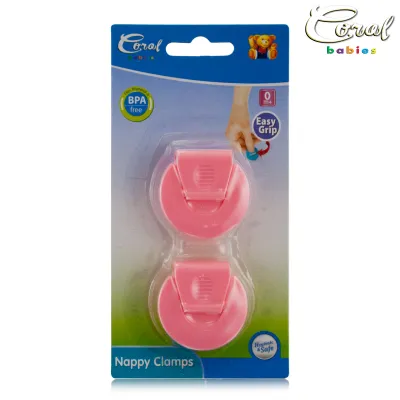
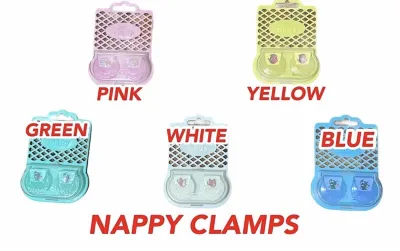
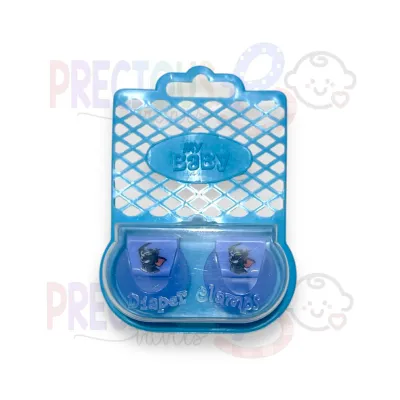
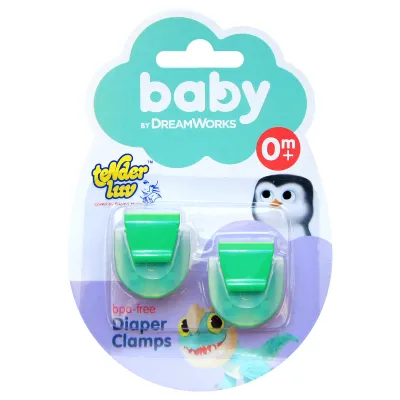
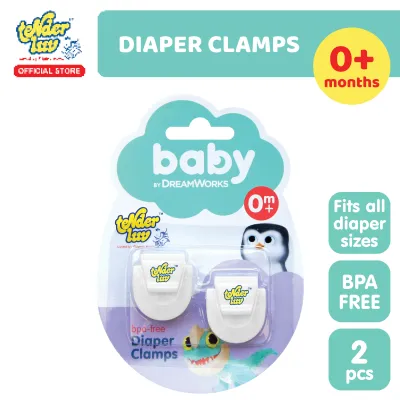
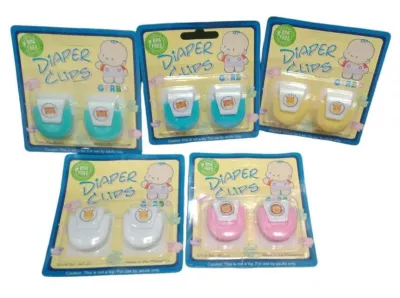
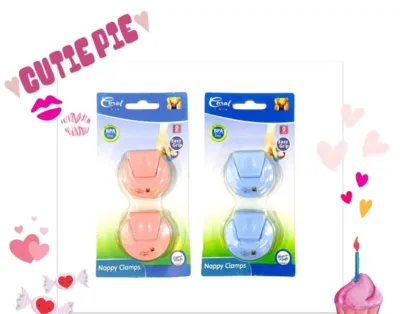
Gear-shaped plastic grippers, often sold in pairs, are designed to secure the sides of a cloth diaper independently. Instead of a single central piece, these fasteners consist of two separate clips that grip the fabric on either side of the baby’s hips. This dual-sided mechanism allows for highly adjustable positioning, making it easier to achieve a snug fit on babies with very narrow waists or unique proportions.
These compact clips are particularly well-suited for newborns because they minimize the bulk of fabric concentrated in the center of the waist. By pulling the diaper wings forward and securing them individually at the hips, you can avoid placing pressure on the healing umbilical cord stump. The low-profile design also fits neatly under waterproof diaper covers without creating uncomfortable bulges that could press into the baby’s skin when they are lying down.
Safety inspections are crucial when using gear-shaped plastic clips. The gripping teeth are made of rigid plastic, which can become brittle over time due to repeated washing, exposure to acidic wetness, or UV exposure from line-drying in the sun. Caregivers must regularly run their fingers over the plastic teeth to check for sharp, broken edges or cracks. Because these clips are small, any broken parts or detached pieces pose a severe choking hazard and must be kept far out of reach of infants.
How to Match the Fastener to Your Diapering Routine
Choosing the right fastener requires looking at your overall diapering setup, starting with the specific style of cloth diaper you use. If your routine relies on traditional, flat cotton lampin or thin muslin flats, T-shaped silicone grippers are often the most practical choice because the loose weave of the fabric allows the tiny claws to bite securely. For thick, multi-layered prefolds or fitted diapers that require significant holding power, traditional locking safety pins or sturdy gear-shaped clips may provide a more reliable hold that won’t pop loose under tension.
Caregiver dexterity and physical comfort also play a major role in selecting a fastener. Traditional safety pins require fine motor skills, steady hands, and short nails to maneuver safely around a moving baby. If you have long nails, joint pain, or find yourself anxious about using sharp objects, stretchy silicone grippers offer a much more forgiving learning curve. They can be easily applied with one hand while the other hand keeps the baby still, making the process smoother for beginners.
Your daily schedule and environment should also influence your decision. During late-night diaper changes in low-light conditions, simplicity and speed are paramount to keep the baby sleepy. Fumbling with sharp pins in the dark increases safety risks, making stretchy silicone or quick-clamping gear clips a highly practical choice for nighttime use. Conversely, for active daytime periods when the baby is stretching and kicking, the firm hold of a locked safety pin can prevent diaper sag and contain messes more effectively.
Essential Safety Checks and Maintenance
Regardless of the fastener type you choose, establishing a strict inspection routine is vital to ensure your baby’s safety. Before every single diaper change, perform a quick visual and tactile check of the fastener. For pins, ensure the metal shaft is straight, the point is sharp, and the locking cap slides smoothly without sticking. For plastic and silicone grippers, stretch the material slightly to look for hidden cracks, stress fractures, or bent teeth that could fail during use.
Proper cleaning is essential to maintain the structural integrity of your diaper fasteners, especially in warm, humid climates where mold and bacteria can thrive. Wash fasteners in warm, soapy water using a mild baby detergent, and rinse them thoroughly to remove any soap residue. Avoid using harsh chemical bleaches, fabric softeners, or boiling water, as extreme heat and strong chemicals can accelerate the breakdown of silicone, plastic, and the protective coatings on metal pins. Allow them to air dry completely in a well-ventilated area out of direct, intense sunlight.
Knowing when to discard a fastener is just as important as knowing how to clean it. Discontinue use and dispose of fasteners immediately if you notice any rust on metal pins, deep cracks in plastic clips, or significant loss of elasticity in silicone grippers. Attempting to extend the life of a damaged fastener increases the risk of skin scratches, pinpricks, or choking hazards. Always keep spare fasteners on hand so you are never tempted to use a compromised clip in an emergency.
Frequently Asked Questions (FAQ)
Can I use regular sewing pins instead of locking diaper pins?
No, you must never use regular sewing pins or standard safety pins to secure a baby’s diaper. Regular sewing pins lack a locking safety cap, meaning they can easily slide out of the fabric or spring open with the baby’s movements, leading to severe skin punctures or deep scratches. Dedicated diaper pins are specifically engineered with heavy-duty shafts and locking heads that require a deliberate, two-step motion to open, ensuring they remain securely closed even under tension.
How do I fasten a cloth diaper around an unhealed umbilical cord stump?
To protect an unhealed umbilical cord stump, fold the front waistband of the cloth diaper downward, away from the navel, before securing it. This creates a low-rise fit that leaves the stump exposed to the air, promoting faster healing and preventing friction. When applying T-shaped grippers or pins, position the fastening points lower on the hips rather than high on the waist, ensuring no part of the fastener or pulled fabric presses against or rubs the healing area. If the stump shows signs of infection, such as redness or discharge, consult a pediatrician immediately.
Are plastic grippers safe if my baby starts chewing on their diaper covers?
Plastic diaper fasteners must always be fully covered by a secure, waterproof diaper wrap or cover to keep them out of the baby’s reach. If a baby is able to access and chew on the fasteners, it poses a choking hazard and a risk of scratching their delicate gums. Regularly inspect all plastic components for teeth marks, micro-cracks, or weakened areas, and immediately replace any fastener that shows signs of wear or damage to prevent small pieces from breaking off.

Community discussion
Share your experience or ask a question. Comments are reviewed before publication.