
Starting your journey with cloth diapers, traditionally known as lampin in the Philippines, is a highly practical and rewarding decision for new parents. While the convenience of single-use disposables is undeniable, transitioning to reusable diapers offers a sustainable, cost-effective alternative that keeps your baby comfortable. This step-by-step guide is designed to help you navigate the transition smoothly, from choosing the right fabrics to mastering secure folds and establishing a hygienic laundry routine that works in a tropical climate.
Why Switch to Cloth Diapers (Lampin)? Understanding the Benefits and Realities
Choosing to use cloth diapers involves weighing several long-term benefits against the daily realities of extra laundry and a brief learning curve. One of the primary motivations for many families is environmental conservation. Disposable diapers generate a significant amount of household waste, taking hundreds of years to decompose in local landfills. By opting for reusable fabrics, you dramatically reduce your family’s weekly garbage output and contribute to a cleaner environment.
Financial savings represent another major advantage of cloth diapering. Although the upfront cost of purchasing a complete stash of reusable diapers and covers is higher than buying a few packs of disposables, the long-term savings are substantial. Over the course of your baby’s diapering years, you can save tens of thousands of Philippine Pesos (₱). These savings multiply if you preserve the diapers well and reuse them for subsequent children.
Products mentioned in this guide



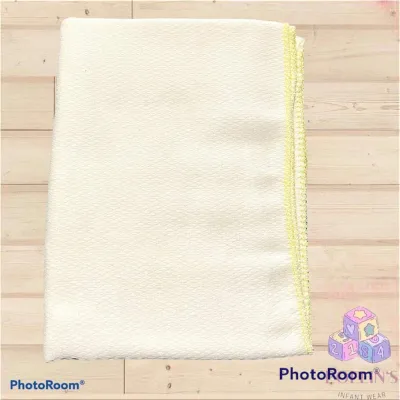
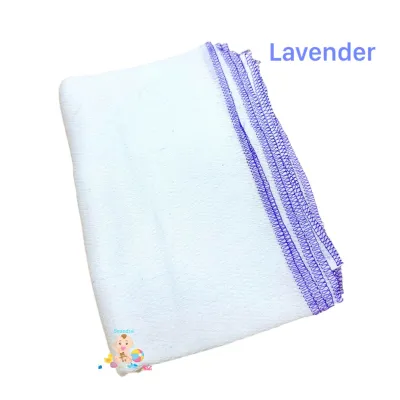
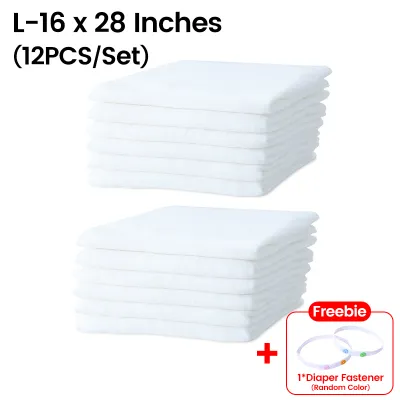


Prices are valid at publication and may change. Please refer to the product page for the latest price.
The natural breathability of cloth fabrics is also a significant comfort advantage, especially in warm, tropical climates. High-quality cotton, bamboo, and hemp fibers allow air to circulate much more freely than the plastic and synthetic backings found in disposable diapers. While cloth diapers do not guarantee the prevention of diaper rash, this enhanced breathability keeps the diaper area cooler and less prone to moisture trapment during hot afternoons.
However, parents must balance these benefits with the practical realities of the transition. Using cloth diapers means committing to regular laundry cycles, handling soiled diapers, and learning how to achieve a secure, leak-proof fit. It requires a shift in household routines, but with the right organization and a clear system, cloth diapering quickly becomes a manageable and rewarding habit.
Choosing the Right Type of Cloth Diaper for Your Baby
Selecting the best diapering system depends on your budget, lifestyle, and household laundry capacity. Modern cloth diapering offers a spectrum of choices, ranging from traditional, cost-effective fabrics to highly convenient, ready-to-wear designs.

Traditional Flats and Prefolds (Classic Lampin)
Traditional flats consist of a single, large square of woven fabric, typically made of 100% cotton, bamboo, or hemp. Prefolds are similar but feature a pre-layered rectangular design with extra thickness stitched down the middle to provide targeted absorbency. Both options are highly versatile, allowing you to customize the fold to match your baby’s specific shape, size, and wetness patterns.
Because traditional flats and prefolds do not have a built-in waterproof exterior, they must always be paired with a separate waterproof diaper cover. You fold and secure the fabric around your baby first, then fasten a polyurethane laminate (PUL) cover over it to contain all moisture.
In a humid, tropical environment, classic flats offer an unmatched practical benefit. Because they unfold into a single, thin layer of fabric, they dry exceptionally fast on an outdoor clothesline. This rapid drying time is crucial during the rainy season to prevent mildew, mold, and musty odors from settling into the fibers.
Modern Cloth Diapers (Pocket, Fitted, and All-in-One)
For parents seeking a system that closely mirrors the convenience of disposable diapers, modern alternatives are an excellent choice. Pocket diapers feature a waterproof outer shell with a soft, stay-dry inner lining that forms a pocket. You customize the absorbency by stuffing absorbent inserts—made of microfiber, bamboo, or hemp—directly into this pocket before putting the diaper on your baby.
All-in-One (AIO) diapers represent the peak of convenience in the cloth world. In an AIO design, the absorbent layers and the waterproof outer shell are stitched together as a single unit. There is no folding, stuffing, or assembly required; you simply fasten the diaper onto your baby exactly like a disposable.
While modern pocket and AIO diapers are highly convenient and easy for secondary caregivers or grandparents to use, they do come with trade-offs. They are more expensive per unit than traditional flats, and their thick, multi-layered construction means they take significantly longer to dry, which can be challenging in high-humidity areas without a clothes dryer.
Essential Supplies You Need Before You Start
Before you begin your cloth diapering journey, gathering a few essential accessories will help ensure a smooth, hygienic daily routine. Having these items prepared beforehand reduces stress and prevents unexpected leaks or laundry delays.
If you choose to use traditional flats or prefolds, you will need several waterproof diaper covers and secure fasteners. While classic safety pins are still available, modern stretchable silicone fasteners are highly recommended because they grip the fabric securely without the risk of accidentally pricking your baby’s skin.
Managing soiled diapers between wash days requires a proper storage system. A large, zippered wet bag made of waterproof PUL fabric is essential for storing wet diapers when you are away from home. For home storage, a dedicated diaper pail lined with a washable, waterproof laundry bag helps contain odors and moisture effectively.
Skin care products also require careful selection when using cloth diapers. Standard petroleum-based or high-zinc barrier creams can coat diaper fibers, leaving a greasy residue that repels liquid and ruins absorbency. Always verify that your diaper creams are explicitly labeled as cloth-safe, or use reusable microfleece liners as a protective barrier between your baby’s skin and the diaper fabric.
To protect your investment, always review the care labels and manufacturer guidelines for your specific diaper brands. Using unauthorized cleaning agents, bleach, or incompatible fasteners can damage delicate waterproof laminates and void the product’s warranty.
Step-by-Step Guide to Fitting and Fastening a Cloth Diaper
Achieving a secure fit is the most important factor in preventing leaks and ensuring your baby’s comfort. The fitting process varies slightly depending on whether you are using classic flats or modern pocket designs.
Folding and Securing Traditional Flats
Mastering a basic fold is essential when using classic cotton flats. The “origami fold” and the “angel fold” are two popular techniques for beginners because they concentrate multiple layers of fabric in the center wetness zone while keeping the fabric around the hips neat and trim.
To secure the fold, gently pull the front flap of the folded fabric over your baby’s stomach, bring the side wings forward, and hook your stretchable fastener firmly in place. Always check the tension of the diaper once secured; it should be snug enough to stay in place during movement, but loose enough that you can comfortably slide two fingers between the diaper waist and your baby’s belly.
The final, critical step when using flats is ensuring that the waterproof cover completely encloses all of the absorbent fabric underneath. If even a tiny piece of the cotton flat protrudes from the leg openings or the waist of the cover, it will act as a wick, drawing moisture outward and wetting your baby’s clothes.
Adjusting Modern Pocket or All-in-One Diapers
Modern cloth diapers are designed to grow with your baby, featuring rows of snaps on the front panel known as rise snaps. Before putting the diaper on, adjust these rise snaps to the appropriate setting to shorten or lengthen the diaper body based on your baby’s current size, weight, and development stage.
Once the rise is set, lay your baby on the open diaper, pull the front panel up over their stomach, and fasten the waist tabs securely. The waist should sit comfortably below the belly button, snug enough to prevent sagging but loose enough to allow your baby to sit and crawl comfortably.
After fastening the diaper, always run your finger around the leg openings to check the elastic leg gussets. Ensure the elastic is tucked neatly into the crease of your baby’s groin—similar to the fit of underwear—and that there are no visible gaps, as loose leg openings are the most common cause of leaks in modern diapers.
Building a Washing and Drying Routine in a Humid Climate
Establishing a reliable washing and drying routine is vital for maintaining diaper hygiene and preventing the buildup of bacteria, odors, and mineral deposits. This process requires extra attention in tropical climates where high humidity can affect drying times.
Pre-Wash and Main Wash Steps
A successful diaper laundry routine relies on a two-step washing process to ensure thorough cleaning. Start with a short pre-wash cycle using cold or warm water and a small amount of detergent to flush out urine and rinse away loose solid waste.
Following the pre-wash, run a long, heavy-duty main wash cycle using warm water and the full recommended amount of detergent for a heavily soiled load. This second cycle provides the deep cleaning necessary to remove organic residues from the dense fibers of the inserts and flats.
Before selecting your wash settings, always verify the maximum water temperature allowed on your diaper manufacturer’s care label. Using water that is too hot can melt or delaminate the sensitive polyurethane laminate (PUL) waterproof layers, destroying the diaper’s ability to contain wetness.
Drying and Storing in Humid Weather
Drying cloth diapers thoroughly in a humid climate requires strategic planning to prevent mold and mildew. Whenever the weather permits, hang your diapers on an outdoor clothesline in direct sunlight, as natural UV rays act as a mild bleach to fade stains and help sanitize the fabric.
During rainy seasons or highly humid days, hang your diapers indoors under a ceiling fan, near a dehumidifier, or in an air-conditioned room to maintain constant airflow. Positioning a standard household fan directly in front of your drying rack will speed up drying times significantly and prevent dampness.
If your diaper manufacturer’s care instructions permit, you can tumble dry the absorbent inserts on a low-heat setting to ensure they are completely dry. Never store diapers or inserts that feel even slightly cool or damp to the touch; storing damp fabrics in a closed drawer will quickly lead to ammonia buildup, mildew, and unpleasant odors.
Preventing and Managing Diaper Rash with Cloth
Keeping your baby’s skin healthy requires consistent skin care practices and an understanding of how cloth diapers interact with moisture. Because cloth diapers do not contain the super-absorbent chemical polymers found in disposables, they do not pull wetness away from the skin with the same intensity.
To minimize moisture irritation, change your baby’s diaper every 2 to 3 hours, or immediately after they have a bowel movement. Frequent changes prevent prolonged skin contact with wetness, which is the primary cause of friction and irritation.
If your baby develops a mild rash, avoid using standard petroleum-based or high-zinc barrier creams directly on the cloth diaper, as these products leave a water-repellent coating on the fibers. Instead, choose creams explicitly labeled as cloth-safe, or place a reusable microfleece liner over the diaper to act as a protective barrier.
Monitor your baby’s skin closely during any diaper rash flare-up. If the rash becomes severe, begins to bleed or blister, spreads beyond the diaper area, or does not improve after a few days of basic home care, stop home treatments immediately and consult a pediatrician for a professional diagnosis and treatment plan.
Frequently Asked Questions (FAQ)
How many cloth diapers do I need for a newborn?
For full-time cloth diapering, a general planning framework of 24 to 36 diapers is recommended if you plan to wash laundry every 2 to 3 days. You should adjust this estimate based on your washing machine’s capacity, local weather conditions that affect drying times, and whether you plan to use disposable diapers as temporary backups.
Can I use regular laundry detergent for cloth diapers?
Yes, most standard, heavy-duty laundry detergents are highly effective for cleaning cloth diapers. However, you must avoid detergents that contain built-in fabric softeners, and never use liquid fabric softeners or dryer sheets in your wash cycles, as these additives leave a water-repellent coating on the fibers that causes leaking.
What should I do if the cloth diapers start leaking?
First, check the physical fit by looking for leg gaps, ensuring the rise snaps are set correctly, and verifying that no absorbent fabric is poking out from the waterproof cover. If the fit is correct, evaluate if your baby has outgrown the current absorbency of the insert and requires an additional booster pad. If the fabric is repelling liquid immediately upon contact, the diapers may have a buildup of detergent or cream and will require a deep-cleaning strip wash according to the manufacturer’s specific guidelines.
Community discussion
Share your experience or ask a question. Comments are reviewed before publication.