
Choosing the right baby bottle for your 6 to 12-month-old is a pivotal decision as your infant transitions from passive feeding to active, independent exploration. During this developmental window, babies begin to sit up, grasp objects, and inevitably drop or throw their bottles. There is no single baby bottle material that is universally the safest or most durable for every household. Instead, the ideal choice depends on how you balance drop-resistance, teething safety, and weight against your ability to manage material-specific wear, cleaning requirements, and sterilization limits. By comparing glass, silicone, PPSU, and standard plastic, you can select a bottle that aligns with your baby’s growing independence and your daily caregiving routine.
Key Selection Criteria for Active 6 to 12 Month Olds
Between 6 and 12 months of age, infants undergo rapid physical and motor development. They transition from having their bottles held by a caregiver to grasping, shaking, and throwing objects to explore cause and effect. This active phase introduces specific physical demands on baby bottles that differ significantly from the newborn stage. Drop resistance becomes a primary safety concern, as a bottle dropped from a high chair or stroller onto hard tile floors can shatter or crack, posing immediate hazards.
Teething is another critical factor during this stage. As primary teeth begin to emerge, infants naturally chew on anything they can reach, including bottle nipples and collars. Harder materials must resist bite marks, while softer materials must be checked regularly to ensure the baby cannot bite off small pieces, which present severe choking risks.
Products mentioned in this guide
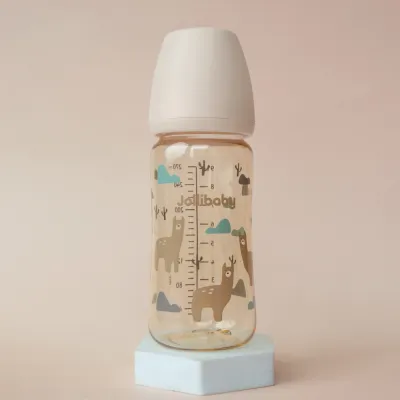
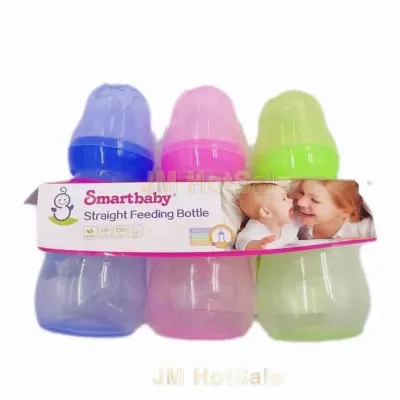
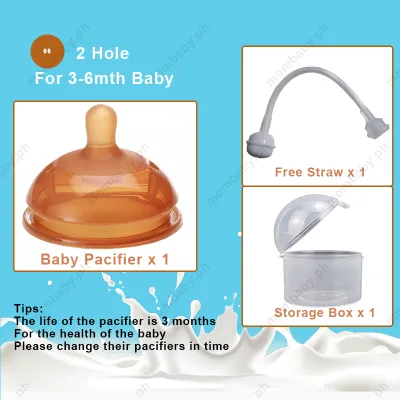
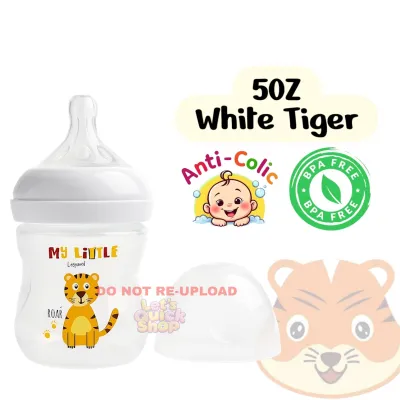
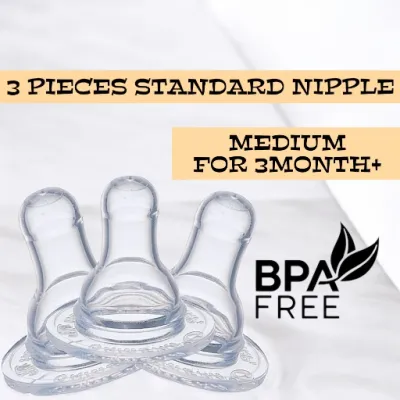
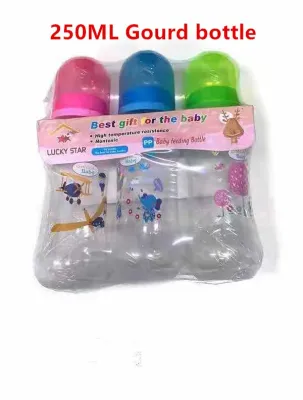
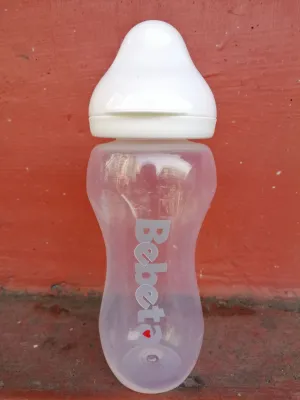
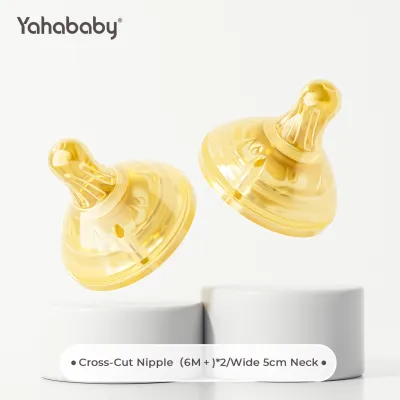
Prices are valid at publication and may change. Please refer to the product page for the latest price.
Weight and grip also dictate how easily your baby can feed independently. A bottle that is too heavy can fatigue small hands, leading to frustration or accidental drops. Conversely, a lightweight bottle with an ergonomic shape or textured surface encourages fine motor skill development.
Finally, scratch resistance is vital for long-term hygiene. In tropical, humid climates like the Philippines, micro-scratches on the interior of a bottle can easily harbor milk residue, moisture, and bacteria. Understanding how different materials respond to daily brushing and teething helps you maintain a sanitary feeding environment.
Glass Bottles: Chemical Stability vs. Shatter Risks
Glass has long been valued for its exceptional chemical stability and hygienic properties. Because glass is non-porous, it does not absorb odors, colors, or fats from breast milk and infant formula. It is highly resistant to scratching, meaning you can scrub it thoroughly with bottle brushes without creating microscopic grooves where bacteria can multiply. This makes glass an excellent option for parents prioritizing long-term material integrity and easy sanitization.

However, the primary drawback of glass for a 6 to 12-month-old is its high shatter risk. An active infant who is learning to hold their own bottle will inevitably drop it onto hard surfaces, such as kitchen tiles or outdoor pavement. To mitigate this danger, caregivers must use protective silicone sleeves. These sleeves absorb impact and help contain fragments if the glass does break, but they must be inspected regularly for tears and removed during deep cleaning to prevent moisture from trapping mold.
Weight is another important consideration. Glass bottles are significantly heavier than plastic or silicone alternatives. For a six-month-old baby still developing grip strength, holding a full glass bottle can be challenging and may lead to frequent drops.
When purchasing glass bottles, always check the product packaging to verify if they are made of borosilicate glass, which offers superior thermal shock resistance compared to standard soda-lime glass. Ensure you inspect the bottle before every feed for hairline cracks, especially around the neck and base, and discard any bottle showing signs of damage.
Silicone Bottles: Drop Resistance and Teething Safety
Silicone bottles have gained popularity as a modern, virtually unbreakable alternative to glass and plastic. Made from food-grade silicone, these bottles feature a soft, squeezable texture that many babies find comforting, as it closely mimics the feel of breastfeeding. This pliable texture also makes silicone bottles highly drop-resistant; they can be thrown from a high chair repeatedly without any risk of cracking or shattering, making them highly suitable for active infants.
Despite their durability against drops, silicone bottles present unique challenges regarding teething. Because the material is soft, a teething baby can chew on the bottle body or the integrated nipple assembly. Caregivers must establish a strict daily routine to inspect the silicone for bite marks, deep punctures, or tearing. If a baby manages to tear a piece of silicone loose, it becomes an immediate choking hazard, requiring the bottle to be discarded immediately.
Heat limits are another crucial factor to verify. While silicone is generally heat-resistant, different brands use varying formulations for their collars, caps, and bases, which may be made of standard plastics. Always consult the manufacturer’s instructions to confirm the maximum temperature limits for sterilization, especially when using steam bags, boiling water, or UV sterilizers.
Additionally, silicone is naturally prone to absorbing odors and oils from milk fats. Over time, this can lead to a cloudy appearance or a persistent soapy smell from dishwashing liquids. Managing this requires thorough washing with mild, fragrance-free detergents and ensuring the bottles dry completely in a well-ventilated area to prevent musty odors in humid conditions.
PPSU Bottles: Lightweight Durability and Heat Tolerance
Polyphenylsulfone, commonly known as PPSU, is a medical-grade thermoplastic that has become a premium choice for baby bottles. It combines the best attributes of glass and plastic, offering a lightweight profile that is easy for a 6 to 12-month-old to hold independently, alongside exceptional impact resistance. PPSU bottles are virtually shatterproof, meaning they can withstand the daily drops and tosses of an active infant without cracking.
One of the standout features of PPSU is its high heat tolerance. It can withstand repeated sterilization cycles—whether through boiling, steam, or UV light—without warping, degrading, or releasing harmful chemicals. This makes it highly durable and long-lasting, often surviving through multiple stages of a baby’s development.
When shopping for PPSU, you can easily identify the material by its natural, honey-colored or amber tint. Unlike standard clear plastics, PPSU does not easily discolor or absorb odors. However, caregivers must still monitor the bottle’s surface over time. If you notice persistent cloudiness, deep scratches from abrasive cleaning, or a sticky texture on the surface, these are signs of material degradation, indicating it is time for a replacement.
While PPSU bottles offer excellent longevity, they do come with a higher upfront cost, often priced around ₱800 to ₱1,200 per bottle in local baby boutiques and online marketplaces. Despite the higher initial investment, their extended replacement cycle compared to standard plastics often makes them a cost-effective choice for long-term use.
Standard Plastic Bottles: Affordability and Strict Wear Limits
Standard plastic bottles, typically made from polypropylene (PP) or polyethersulfone (PES), are widely available and highly budget-friendly. For families looking for accessible options, standard plastic provides a lightweight and completely shatterproof solution. This lightweight nature allows older infants to easily lift and maneuver the bottle during self-feeding, reducing the physical strain on their developing hands.
However, standard plastic bottles are prone to rapid wear and tear. The material is relatively soft compared to glass and PPSU, making it highly susceptible to micro-scratches from daily bottle brushing and teething. These microscopic scratches can harbor milk proteins and bacteria, which are difficult to clean out completely, especially in warm, humid environments. Consequently, standard plastic bottles require strict, frequent replacement cycles—typically every three to six months, or immediately upon showing signs of wear.
Heat sensitivity is another critical limitation. Standard plastics have lower maximum sterilization temperatures than PPSU or glass. Exceeding these temperature limits during boiling or steam sterilization can cause the bottle to warp, melt, or accelerate material breakdown.
When selecting standard plastic bottles, always verify the product labels to ensure they are certified BPA-free and BPS-free. Check the recycling codes on the bottom of the bottle (typically code 5 for PP) and confirm that the packaging states it is made of food-grade materials. Avoid using standard plastic bottles that show any signs of cloudiness, discoloration, or deep interior scratches.
Decision Framework: Matching Material to Your Baby's Habits
To choose the best bottle material for your 6 to 12-month-old, consider your baby’s feeding habits, physical development, and your household’s daily sterilization routine.
You should choose Silicone if your baby is highly active, frequently drops or throws objects, and prefers a soft, tactile grip that mimics breastfeeding. This option is ideal for parents who want an unbreakable bottle and are committed to performing rigorous daily inspections for bite marks and tears.
You should choose PPSU if you want a premium, lightweight, and highly durable bottle that can withstand frequent high-heat sterilization without scratching easily. This is the best fit for busy households looking for a long-lasting, low-maintenance bottle that supports independent feeding without the weight of glass.
You should choose Glass (equipped with an intact silicone sleeve) if chemical stability, scratch resistance, and easy sanitization are your absolute top priorities. This choice is best suited for environments where feeding occurs under close caregiver supervision to prevent drops on hard floors.
You should choose Standard Plastic if budget constraints make lower-cost options necessary, and you can strictly adhere to a schedule of frequent replacements and regular wear checks.
Universal Safety Checks and Maintenance Rules
Regardless of the bottle material you choose, establishing a consistent safety and maintenance routine is essential to protect your teething, active infant. Perform a daily visual and tactile inspection of all bottle components. Check the bottle body, collar, cap, and nipple for hairline cracks, deep scratches, bite marks, cloudiness, or loose fittings. Pay close attention to the nipple; if it is sticky, enlarged, or torn, replace it immediately to prevent choking hazards or flow rate issues.
When cleaning, always select appropriate, non-abrasive tools. Avoid stiff wire brushes or harsh scouring pads, which easily scratch plastic, PPSU, and silicone surfaces. Instead, use soft sponge brushes or dedicated silicone bottle brushes designed to clean gently without compromising the material’s integrity.
Sterilization must always align with the manufacturer’s specific guidelines. Do not assume that all materials can tolerate the same boiling times or steam temperatures. For instance, while a glass bottle can withstand high heat, its plastic collar or silicone nipple may have lower temperature thresholds. Always check the instruction manual before using UV sterilizers, as certain plastics can degrade faster under prolonged UV exposure.
Finally, establish clear discard conditions. Immediately throw away any bottle that shows structural damage, such as cracks in glass, deep gouges in plastic, tears in silicone, or persistent stickiness on PPSU. Regularly replacing nipples every two to three months is also recommended for active chewers.
Frequently Asked Questions (FAQ)
Can I mix different bottle materials for my 6 to 12 month old?
Yes, you can safely mix different bottle materials in your household, provided you manage their care requirements individually. When mixing brands, do not assume nipples and collars are interchangeable; using mismatched parts can cause leaks or air-venting failures. You must also adjust your sterilization routines, as glass, silicone, and plastics have different heat tolerances. Keep track of distinct replacement schedules, replacing standard plastics more frequently than durable PPSU or glass.
How do I know if a plastic or PPSU bottle is no longer safe to use?
A plastic or PPSU bottle is no longer safe to use if it exhibits persistent cloudiness, deep interior scratches, or a sticky surface texture that does not wash away. Other warning signs include permanent discoloration, a lingering sour odor from milk fats, or visible warping and changes in shape after heating. If you observe any of these physical changes, discard the bottle immediately to prevent bacterial buildup or chemical degradation.

Community discussion
Share your experience or ask a question. Comments are reviewed before publication.