
Ensuring a safe sleep environment is one of the most critical responsibilities for parents, especially during a child’s first few years of life. While a cozy kids blanket seems like a natural addition to a crib, introducing loose bedding too early poses serious safety hazards. For the first year of life, pediatric guidelines recommend keeping the sleep space completely free of loose blankets, pillows, and soft toys to prevent accidental suffocation. Understanding when and how to safely transition to a traditional blanket helps protect your child while keeping them comfortable through the night.
The primary concern with loose bedding in an infant’s crib is the risk of sudden infant death syndrome (SIDS), suffocation, and entrapment. Because babies develop motor skills gradually, they cannot easily pull a blanket away from their face if it covers their nose and mouth. By focusing on developmental milestones rather than age alone, caregivers can make informed decisions about when their child is physically ready for a blanket.
When Is It Safe to Introduce a Blanket?
Medical professionals and child safety organizations generally agree that loose blankets should not be introduced to a child’s sleep environment before they reach at least 12 months of age. During the first year, an infant’s respiratory system and motor skills are still developing rapidly. A loose blanket in the crib can easily bunch up, drape over the baby’s face, or become wrapped around their neck, leading to restricted breathing or entrapment.
Products mentioned in this guide
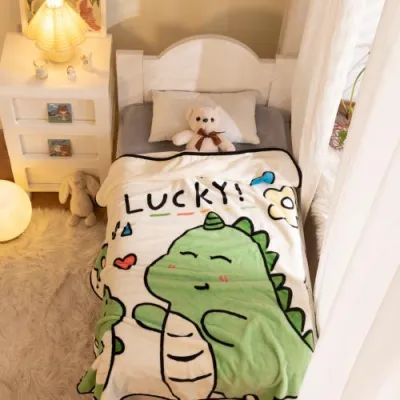
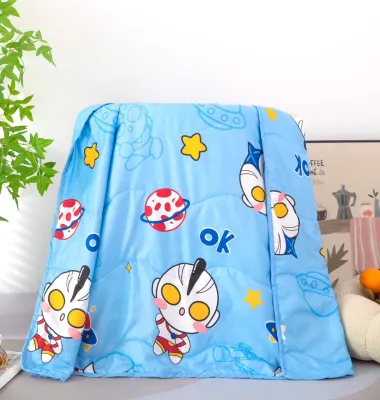
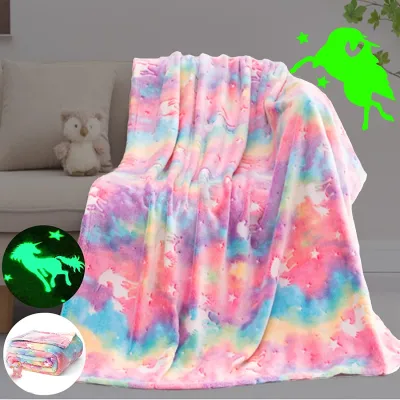

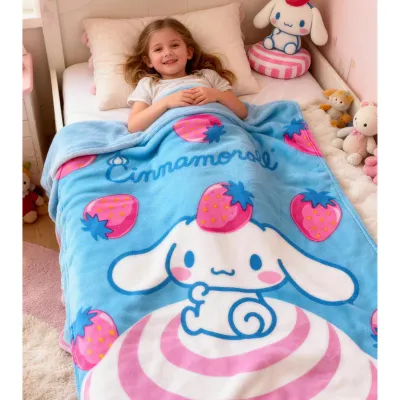
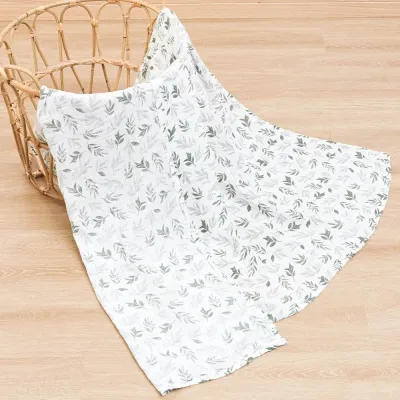

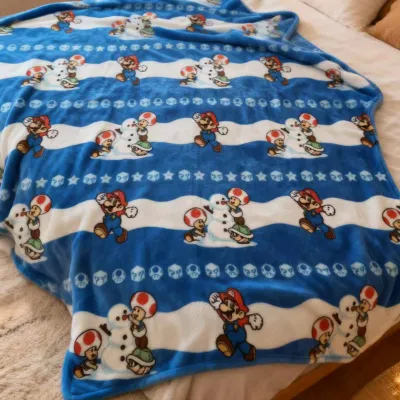
Prices are valid at publication and may change. Please refer to the product page for the latest price.
Before altering your child’s sleep environment, you must observe specific developmental milestones that indicate increased physical strength and coordination. The most critical milestone is the ability to roll over independently from back to front and front to back. Additionally, your child should be able to push up on their hands and knees, sit up without assistance, and easily manipulate objects with their hands. These physical capabilities suggest that if a blanket were to cover their face, they would have the strength and motor control to pull it away.
Even after your child reaches their first birthday, it is highly recommended to consult your pediatrician before introducing any loose bedding. A pediatrician can assess your child’s specific growth, muscle tone, and respiratory health to ensure they are ready for this transition. Furthermore, always check the specific product warning labels on any kids blanket you purchase, as manufacturers often specify age, weight, and mobility restrictions designed to prevent accidents.
Choosing Safe Blanket Features by Developmental Stage
Selecting the right bedding requires a clear understanding of your child’s current developmental stage. What is safe for a toddler can be highly hazardous for a newborn, making it essential to match the bedding style to your child’s physical abilities.

Infants Before Rolling
For newborns and young infants who have not yet begun attempting to roll over, wearable alternatives are the safest way to provide warmth. Swaddling is a traditional method that helps soothe infants by mimicking the snug feeling of the womb. However, swaddling must be done correctly, ensuring the wrap is secure around the chest but loose enough around the hips to allow natural leg movement. The moment your baby shows any signs of attempting to roll over—which can happen as early as two months—you must stop swaddling immediately to prevent them from rolling onto their stomach with their arms trapped. At this point, transitioning to a wearable blanket, also known as a sleep sack, is the ideal choice. Sleep sacks keep the baby’s arms free while providing a secure, wearable layer that cannot ride up over their face.
Older Babies and Early Toddlers
Once your child passes the 12-month mark and meets the necessary physical milestones, you can begin the transition to a small, lightweight crib blanket. At this stage, the size and breathability of the fabric are paramount. Opt for a compact blanket specifically sized for cribs rather than a larger throw blanket. The fabric should be highly breathable, such as single-layer muslin or open-weave cotton, which allows air to circulate freely. Avoid heavy, dense fabrics that can trap heat and moisture, especially in warm climates. Ensure the blanket is free of any loose threads, fringes, or open knit patterns that could catch on your child’s fingers, toes, or pacifier clips.
Toddlers and Preschoolers
As your child transitions to a toddler bed or a larger sleeping space, you can gradually introduce standard kids blankets. While toddlers have the physical strength to manage heavier bedding, you should still prioritize lightweight and breathable materials. In tropical regions where humidity and temperatures remain high, heavy synthetic blankets can quickly lead to overheating and skin irritation. Look for natural fibers like cotton or bamboo-derived fabrics that help regulate body temperature. Avoid oversized bedding, such as twin or full-sized adult blankets, which can easily wrap around a toddler’s body multiple times and cause entrapment or restricted movement during the night.
Unsafe Bedding Items to Keep Out of the Crib
Creating a safe sleep space involves knowing not only what to include but also what to strictly exclude. Many bedding products marketed for nurseries can actually introduce significant hazards to a sleeping child.
Heavy quilts, thick comforters, and weighted blankets are highly dangerous for infants and young toddlers. These items are heavy enough to restrict a child’s chest expansion, making it difficult for them to breathe deeply. They also pose a severe suffocation risk if they cover the child’s face, as a young child may lack the strength to push the heavy fabric away. Additionally, avoid any blankets that feature loose ties, long ribbons, decorative tassels, or heavy embellishments. These decorative elements can easily untangle, wrap around a child’s neck or limbs, or break off and become choking hazards.
Other common nursery items, such as crib bumper pads, loose pillows, and large stuffed animals, should also be kept out of the sleep space. Bumper pads, once popular for preventing head bumps against crib slats, are now widely recognized as suffocation and entrapment hazards that also restrict fresh air circulation. Loose pillows can easily block a baby’s airway if their head sinks into the soft material, while large stuffed toys can serve as steps for an adventurous toddler to climb out of the crib, or fall on top of a sleeping infant.
To ensure your child’s bedding is safe, regularly check for product recalls through official consumer safety channels. Always verify that all sleep products meet current safety standards by reading the manufacturer labels and certifications. Inspect the seams and fabric of your child’s blankets frequently, discarding any items that show signs of fraying, loose stitching, or wear that could compromise safety.
Transitioning from Sleep Sacks to a Kids Blanket
Moving from a wearable sleep sack to a traditional kids blanket is a significant milestone that requires a gradual, safety-first approach. Rushing this transition is unnecessary, but recognizing the signs of readiness can help you make the switch smoothly.
Your child may indicate they are ready for a traditional blanket through several observable behaviors. They might begin consistently unzipping or escaping from their sleep sacks, showing frustration at having their legs confined, or actively trying to pull loose sheets or blankets over themselves during supervised playtime. If your child is growing too tall for standard sleep sacks but is not yet ready for a loose blanket, look for sleep sacks designed with foot openings, which allow for greater mobility while keeping the torso covered safely.
When you decide to introduce a lightweight blanket, start by placing it low on your child’s chest, keeping it tucked securely under their arms. To prevent the blanket from shifting upward over their face during sleep, you can tuck the bottom and side edges firmly under the foot of the mattress. Ensure the blanket is small enough that even if it does come loose, it cannot easily cover their head. Introduce the blanket during daytime naps first, allowing you to monitor how your child interacts with the new bedding before using it overnight.
In tropical climates, managing the sleep environment is crucial to preventing overheating during this transition. High humidity and warm temperatures require careful monitoring of room ventilation. If you use air conditioning, set it to a moderate, comfortable temperature and dress your child in a single layer of breathable cotton sleepwear. If you rely on electric fans, position them to circulate air throughout the room without blowing directly onto your child, and use a very thin, single-layer muslin sheet instead of a heavy blanket. Always prioritize adjusting the room’s temperature and your child’s clothing layers over adding extra bedding to keep them comfortable.
Frequently Asked Questions (FAQ)
Can I use a muslin blanket for a newborn?
Muslin blankets are highly breathable and excellent for swaddling a newborn, provided they are wrapped securely and swaddling is stopped as soon as the baby shows signs of rolling. However, you must never leave a muslin blanket loose in the crib with an unsupervised newborn. Despite the fabric’s breathability, any loose material in the sleep space poses a serious suffocation and entrapment risk for an infant who cannot yet move independently.
Are weighted blankets safe for toddlers?
Weighted blankets are generally unsafe for infants and young toddlers due to the risk of restricted breathing and movement. The heavy weight of these blankets can press down on a young child’s chest, making it difficult for them to expand their lungs fully, and can prevent them from rolling over if they get trapped. Always consult your pediatrician before introducing any weighted sleep products, and strictly adhere to the manufacturer’s age and weight limits.
How do I know if my toddler is overheating under their blanket?
You can monitor your toddler for signs of overheating by checking their physical condition during sleep. Look for damp hair, sweating on their neck or chest, flushed cheeks, or rapid breathing. If you notice these signs, do not simply remove the blanket; instead, adjust the room’s ventilation, turn on a fan or air conditioner, or dress your child in lighter, more breathable base layers to help regulate their body temperature safely.

Community discussion
Share your experience or ask a question. Comments are reviewed before publication.