
When choosing a baby dishwashing liquid, the safest and most effective ingredients for your baby’s bottles depend heavily on whether the bottles are made of glass, plastic, or silicone. The ideal formulation relies on gentle, plant-based surfactants (such as coco-glucoside and decyl glucoside) and milk-digesting enzymes (like protease and lipase). These ingredients effectively break down stubborn milk fats and proteins without degrading your bottle materials or leaving harmful chemical residues. Conversely, you should avoid harsh sulfates (SLS/SLES), synthetic fragrances, and aggressive preservatives like parabens or methylisothiazolinone (MIT), which can scratch plastics, cling to porous silicone, and cause feeding refusal.
In the tropical climate of the Philippines, where high humidity and warm ambient temperatures accelerate bacterial growth, keeping feeding gear meticulously clean is a daily priority. However, aggressive cleaning can backfire if your dishwashing liquid chemically degrades your bottles. To protect your baby’s health and extend the lifespan of your feeding gear, you must understand how different bottle materials interact with various cleaning agents.
Why Bottle Material Dictates Your Dishwashing Liquid Choice
Baby bottles are not structurally identical, and each material demands a different level of chemical care. Glass is a non-porous, chemically inert material. It does not absorb chemical residues, odors, or oils, making it highly resistant to chemical degradation. However, glass is physically fragile and susceptible to thermal shock if subjected to extreme temperature fluctuations.
Products mentioned in this guide
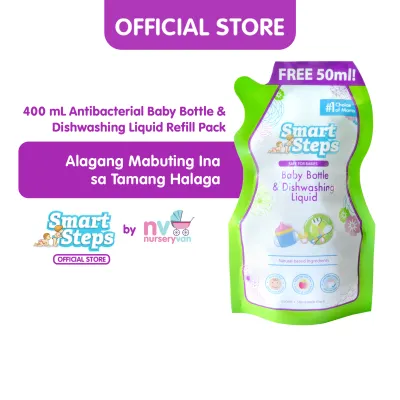
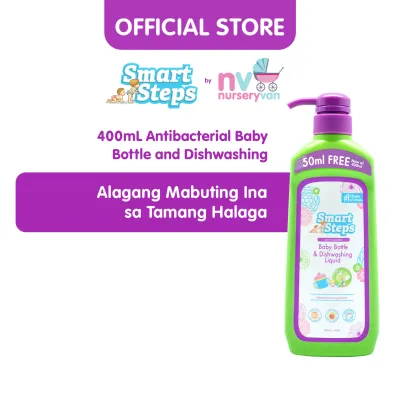
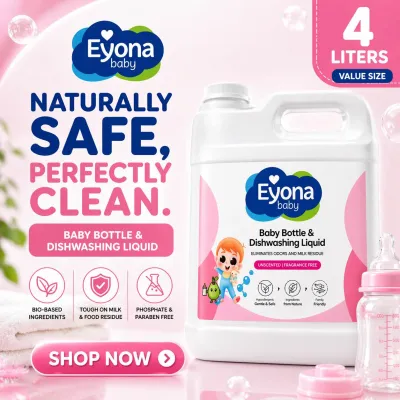
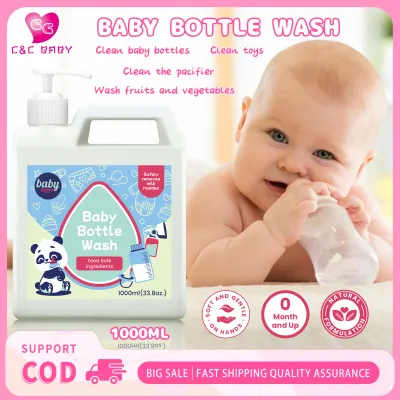
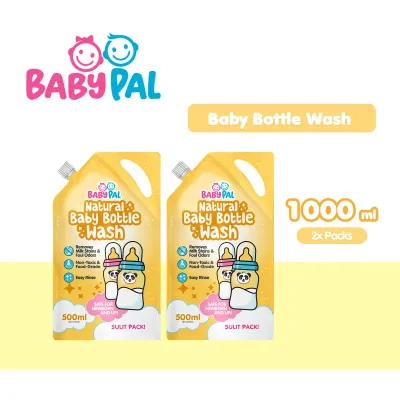
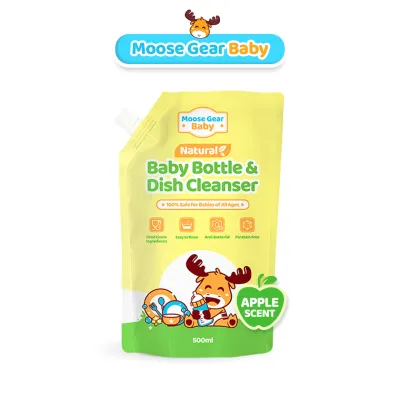
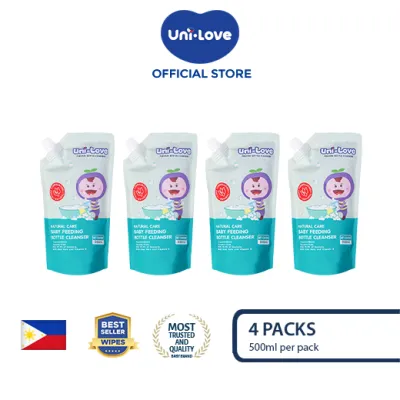
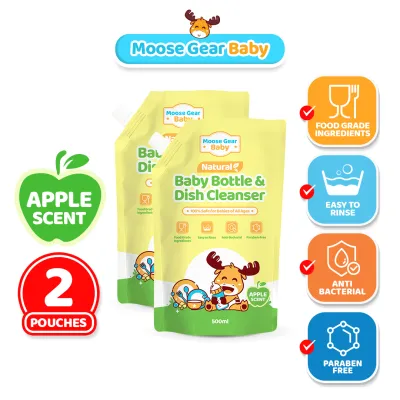
Prices are valid at publication and may change. Please refer to the product page for the latest price.
Plastic bottles—typically made from polypropylene (PP), polyethersulfone (PES), or polyphenylsulfone (PPSU)—are lightweight and durable but have a much softer surface than glass. This makes plastic highly vulnerable to micro-scratches from abrasive cleaning tools and harsh chemical surfactants. Once plastic is structurally degraded or scratched, it can begin to leach chemical byproducts and create microscopic pockets where bacteria can multiply, which is particularly hazardous in humid environments.
Silicone, commonly used for bottle nipples, valves, and flexible silicone bottles, is a highly flexible, heat-resistant elastomer. However, silicone has a highly porous molecular structure. Because it is naturally lipophilic (fat-loving), it easily absorbs oils, milk fats, and synthetic fragrances from its surroundings. If you use a heavy-duty cleaning agent, the silicone can trap chemical residues inside its pores, leaving a persistent soapy taste and aroma.
Your baby dishwashing liquid must achieve a delicate balance: it must be strong enough to break down complex breast milk or formula fats and proteins, yet gentle enough to rinse away completely without leaving a toxic film. Using a standard, one-size-fits-all adult dish soap can cause premature wear on expensive bottles, cloud plastic components, and expose your baby to hidden chemical residues.
Safe Ingredients to Look For in Baby Dishwashing Liquid
To clean feeding gear safely, look for specialized formulations that prioritize gentle, biodegradable ingredients. These components clean effectively through targeted chemical action rather than harsh, abrasive stripping.

Plant-Based Surfactants
Surfactants are the active cleaning agents that lower the surface tension of water, allowing it to bind with oils and wash them away. In a high-quality baby dishwashing liquid, these surfactants are derived from renewable plant sources like coconuts, corn, or palm kernels. Common examples include Coco-Glucoside, Decyl Glucoside, and Lauryl Glucoside.
These plant-based, non-ionic surfactants are highly effective at emulsifying milk fats and lifting them off bottle surfaces without degrading plastic polymers or penetrating the porous structure of silicone. Because they have a low irritation potential, they are exceptionally gentle on the hands of caregivers who wash bottles multiple times a day. When shopping, do not rely solely on front-label marketing claims like “100% natural”; instead, turn the bottle over and verify that these specific glucoside-based surfactants are listed in the ingredients.
Milk-Digesting Enzymes
Breast milk and infant formula contain complex mixtures of proteins, lipids, and carbohydrates that leave a stubborn, greasy film on bottle walls. Standard soaps require aggressive physical scrubbing to dislodge these residues. In contrast, enzyme-enriched baby dishwashing liquids use targeted biological action to break down these residues.
Look for formulas containing proteases (which target and digest milk proteins) and lipases (which break down milk fats and lipids). These enzymes act as molecular scissors, dissolving the organic bonds of milk residue so they can be easily rinsed away with minimal friction. By reducing the need for aggressive scrubbing, enzyme-based cleaners help prevent the cloudy buildup of milk film on plastic bottles and stop sour odors from settling into silicone nipples, preserving the smooth inner surfaces of your feeding gear.
Ingredients to Avoid to Prevent Damage and Residue
Many conventional cleaning agents contain aggressive chemicals designed for heavy kitchen grease. When used on baby bottle materials, these ingredients can cause lasting physical damage and leave behind stubborn chemical residues.
Harsh Sulfates (SLS/SLES)
Sodium Lauryl Sulfate (SLS) and Sodium Laureth Sulfate (SLES) are strong, high-foaming anionic surfactants commonly found in standard dishwashing liquids and household cleaners. While they produce a satisfying lather, they are far too aggressive for baby feeding gear.
Over time, harsh sulfates can chemically degrade softer plastics like polypropylene (PP), leading to micro-scratches and surface erosion. This degradation causes plastic bottles to look permanently cloudy and creates microscopic crevices that harbor bacteria, which can be incredibly difficult to sterilize. Furthermore, because of silicone’s porous nature, strong sulfates can be extremely difficult to rinse off completely, leaving an invisible, soapy film on nipples and valves.
Synthetic Fragrances and Certain Preservatives
Synthetic fragrances—often listed generically on ingredient labels as “parfum,” “fragrance,” or “aroma”—are complex mixtures of synthetic chemicals, including phthalates, designed to cling to surfaces. Because silicone is highly porous, it readily absorbs these volatile synthetic compounds. When a silicone nipple retains a synthetic perfume scent, it alters the taste of the milk, which can lead to feeding refusal.
Additionally, many conventional dish soaps rely on aggressive preservatives to extend shelf life, such as parabens (methylparaben, propylparaben) or methylisothiazolinone (MIT). These preservatives are known contact allergens and can leave chemical residues that may irritate a baby’s sensitive digestive tract or skin. To prevent these risks, opt for fragrance-free formulations. If you prefer a scented product, ensure the scent is derived from mild, food-grade botanical extracts (such as organic citrus) and that the product is thoroughly rinsed.
Material-Specific Washing and Care Guidelines
To ensure the safety of your baby and maximize the lifespan of your feeding gear, always prioritize the bottle manufacturer’s specific care and cleaning instructions. If instructions conflict, or if you are unsure of the material’s compatibility, stop use and consult the manufacturer or a qualified healthcare professional.
Glass Bottles
Because glass is chemically inert, it does not react with surfactants or absorb synthetic fragrances. This gives you more flexibility when choosing a baby dishwashing liquid, though you should still prioritize easily rinsable, residue-free formulas to prevent water spots and streaks.
When cleaning glass, your primary focus should be on physical handling and thermal care:
- Use soft tools: Always clean with a soft-bristled silicone brush or a soft nylon brush. Avoid brushes with exposed metal tips, which can scratch the glass or damage the surrounding plastic collars and silicone seals.
- Prevent thermal shock: Glass can crack or shatter if exposed to sudden, extreme temperature changes. Always check the manufacturer's temperature limits before boiling, sterilizing, or moving glass bottles directly from the refrigerator to hot water.
- Inspect regularly: Examine glass bottles before every use for hairline cracks, chips, or deep scratches. Discard any damaged bottles immediately.
Plastic Bottles (PP, PPSU, PES)
Plastic bottles require gentle chemical and physical handling to prevent surface degradation and cloudiness. Standard PP bottles are softer and more sensitive to heat and scratching, while high-performance plastics like PPSU and PES offer higher heat and chemical tolerance but are still vulnerable to wear.
To maintain your plastic bottles, follow these guidelines:
- Avoid sulfates and abrasives: Wash plastic bottles using a sulfate-free, enzyme-based baby dishwashing liquid and a soft sponge or silicone brush. Never use abrasive scouring pads, steel wool, or stiff-bristled brushes.
- Monitor sterilization heat: Harsh chemical residues combined with high heat can accelerate plastic degradation. Always follow the bottle manufacturer's specific instructions regarding boiling times, steam sterilization, and UV sterilizer compatibility.
- Watch for wear: If a plastic bottle becomes permanently cloudy, deeply scratched, or sticky to the touch, it is time to replace it.
Silicone Components
Silicone nipples, collars, and valves require the gentlest care because of their highly porous structure and tendency to retain odors.
To keep your silicone components clean and odor-free:
- Use fragrance-free formulas: Clean silicone parts exclusively with fragrance-free, plant-based baby dishwashing liquids to ensure no chemical scents or soapy tastes are absorbed.
- Wash by hand: Gently clean silicone nipples by hand using your fingers or a specialized, soft nipple brush. Avoid pushing brush tips forcefully through the nipple hole, as this can tear the silicone and alter the milk flow rate.
- Address odors safely: If silicone components develop a stubborn, sour milk smell, do not use harsh chemical degreasers or bleach. Instead, if the manufacturer's care instructions permit, soak the parts in a mild solution of warm water and baking soda for 15 to 30 minutes, then rinse thoroughly with your baby dishwashing liquid.
- Monitor for safety: If a baby shows signs of oral irritation, persistent feeding refusal, or allergic reactions, immediately stop using your current dishwashing liquid, thoroughly rinse all feeding gear with clean water, and consult a qualified pediatrician.
How to Read Labels and Verify Product Claims
Navigating the baby care aisle can be overwhelming, especially when front labels are covered in appealing marketing buzzwords. To make an informed choice, you must look past the front of the packaging and critically evaluate the product’s back label.
First, ignore vague terms like “natural,” “organic,” or “pediatrician-approved,” which are often used for marketing and are not strictly standardized. Instead, read the actual ingredient list. Verify that the primary cleaning agents are mild, plant-based surfactants (such as Coco-Glucoside or Decyl Glucoside) and that the formula contains beneficial milk-clearing enzymes like protease or lipase.
Second, understand the difference between “fragrance-free” and “unscented.” A “fragrance-free” label means that no fragrance chemicals or masking scents have been added to the product. An “unscented” label, however, means the product may contain chemical masking agents designed to neutralize the natural smell of the raw ingredients, leaving you with a neutral scent that can still transfer chemical residues to porous silicone.
Finally, always cross-reference the usage instructions on your baby dishwashing liquid with the care guide provided by your baby bottle manufacturer. Ensuring that your cleaning products and feeding gear are fully compatible is the best way to maintain the structural integrity of your bottles, protect your baby’s health, and preserve any active product warranties.
Frequently Asked Questions (FAQ)
Can I use regular dish soap if I rinse it thoroughly?
Using regular adult dish soap on baby feeding gear is highly discouraged. Regular dish soaps are formulated with powerful degreasers, synthetic dyes, and heavy perfumes designed to strip grease from ceramic, glass, and metal cookware. These aggressive chemicals are very difficult to rinse completely from porous silicone nipples and can degrade softer plastic bottles over time. This can leave behind harmful chemical residues and soapy tastes that can cause your baby to refuse feeds. For the safety of your baby and the longevity of your bottles, stick to dedicated baby dishwashing liquids formulated specifically for infant feeding gear.
How do I remove milk fat buildup from silicone without harsh chemicals?
To safely remove stubborn milk fat buildup and sour odors from silicone components, always check your manufacturer’s care guidelines first. If the manufacturer permits, you can soak the silicone parts in a mixture of warm water and a small amount of baking soda or white vinegar for 15 to 30 minutes. This natural soaking process helps break down stuck-on milk lipids and neutralizes odors without damaging the silicone elastomer. After soaking, gently clean the parts with a soft brush and rinse them thoroughly with a gentle, plant-based baby dishwashing liquid.

Community discussion
Share your experience or ask a question. Comments are reviewed before publication.