
When preparing a nursery for a newborn baby, the safest bedding is a firm, flat, and completely clear sleep surface covered only by a tight-fitting sheet. While it is tempting to decorate a crib with soft blankets, plush pillows, and colorful bumpers, these items pose severe safety risks to an infant. In a warm and humid tropical climate, keeping the sleep space clear and well-ventilated is not just a safety rule but a practical necessity to prevent overheating and maintain hygiene.
Understanding how to select and arrange your baby’s bedding is one of the most important decisions you will make as a parent. By focusing on minimalist, high-quality essentials, you can create a secure environment that supports healthy sleep. This guide outlines the essential safety rules, mattress selection criteria, and bedding choices to help you make informed decisions for your nursery.
Core Safety Rules for Newborn Baby Bedding
The foundational principle of infant sleep safety is often summarized as “bare is best.” A newborn baby lacks the motor skills, head control, and strength to move away from hazards. If a soft object covers their nose or mouth, or if they roll into a plush surface, they can quickly become trapped without air. Keeping the crib entirely free of loose items is the most effective way to eliminate these physical hazards.
Products mentioned in this guide

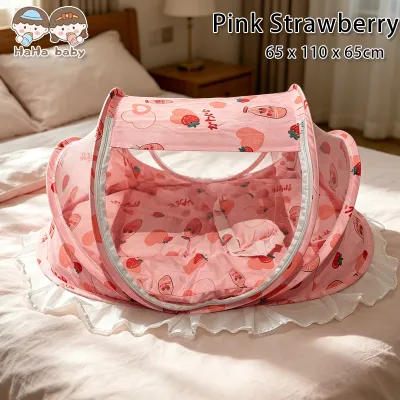
Prices are valid at publication and may change. Please refer to the product page for the latest price.
Soft bedding materials are dangerous because they can easily conform to the shape of a baby’s face. When an infant presses their face against a soft mattress, pillow, or heavy blanket, they may breathe in their own exhaled carbon dioxide or experience a complete airway obstruction. A firm, unyielding surface ensures that the baby’s airway remains open and unobstructed, even if they accidentally turn their head to the side.
Managing the sleep environment also requires careful attention to temperature. In tropical climates, parents often worry about their newborn baby getting cold from air conditioning or electric fans. However, adding loose blankets to the crib is a dangerous solution. Instead, regulate the room temperature to a comfortable level and dress your baby in a single layer of lightweight, breathable cotton clothing or a secure, lightweight swaddle. This approach keeps the baby comfortable without introducing loose fabrics into the sleep space.
How to Choose a Safe Mattress for Your Newborn Baby
The mattress is the most critical component of your baby’s bed, serving as the foundation for safe sleep. When shopping, your primary focus should be on firmness rather than adult comfort. A safe infant mattress must feel rigid to the touch. You can perform a simple physical check by pressing your hand firmly into the center and corners of the mattress; when you release the pressure, the surface should snap back immediately without leaving any indentation or handprint.

Proper fit within the crib frame is equally vital to prevent entrapment. To verify this, use the two-finger rule: assemble the crib and place the mattress inside, then attempt to slide your fingers between the edge of the mattress and the crib wooden slats. If you can fit more than two fingers into this gap, the mattress is too small. A gap wider than this poses a serious risk where a baby’s limbs, torso, or head could become wedged.
Given the high humidity in tropical regions, mattress materials require careful evaluation. Look for mattresses with water-resistant or waterproof covers that prevent moisture from sweat, spit-up, and diaper leaks from seeping into the core. Moisture trapped inside a mattress can quickly become a breeding ground for mold, mildew, and bacteria. Ensure the outer cover is easy to wipe clean and made from breathable, non-toxic materials that do not trap body heat.
Before making a purchase, always check the product labels for safety compliance and manufacturer age recommendations. Verify that the mattress is specifically designed for infants rather than toddlers, as toddler mattresses are often softer. Additionally, take a moment to search official regulatory databases for any active product recalls to ensure the model you choose has not been flagged for safety defects.
Selecting Safe Fitted Sheets and Protectors
Once you have a safe mattress, the only bedding accessory that should accompany it is a high-quality fitted sheet. This sheet must fit the mattress perfectly, with strong, continuous elastic borders that wrap deeply underneath the mattress corners. When installed, the sheet should be completely taut across the surface, with no loose fabric, wrinkles, or bunching that a baby could pull up or get caught in.
Flat sheets, loose fabrics, and adult-sized bedding are entirely unsafe for a newborn baby. These items are not secured to the mattress and can easily shift as the baby moves, creating a dangerous tangle of fabric. Even a small, lightweight flat sheet can cover a baby’s face and restrict their breathing, making it essential to stick exclusively to properly sized fitted sheets.
If you choose to use a mattress protector to shield against spills and leaks, select a thin, breathable, waterproof protector designed specifically for crib mattresses. Avoid thick, quilted mattress pads or zippered covers that add a layer of cushioning, as these can soften the sleep surface and compromise the firmness of the underlying mattress. The protector must fit just as tightly as the fitted sheet.
Maintaining hygiene is crucial, especially in warm climates where dust mites and bacteria thrive. Check the care labels on your sheets and protectors to ensure they can withstand frequent washing in warm water. Over time, repeated washing can degrade the elastic in fitted sheets; regularly inspect the corners to ensure the elastic remains strong and holds the sheet firmly in place without slipping off the mattress.
Bedding Accessories to Strictly Avoid
Many products marketed for infant sleep are not actually safe for a newborn baby. Pillows, pillowcases, and cushioned headboards should be kept out of the crib entirely. A newborn’s body structure is naturally aligned to sleep flat on their back without neck support. Propping a baby’s head up on a pillow can chin-to-chest fold their neck, which can easily restrict or close off their narrow airway.
Loose blankets, quilts, and heavy duvets are major hazards in the crib. If a baby pulls a loose blanket over their head, they may not have the coordination to remove it, leading to overheating or suffocation. For warmth, wearable sleep sacks or swaddles are much safer alternatives because they stay securely zipped or fastened around the baby’s body, keeping their face completely clear.
Crib bumpers and padded liners are another category of accessories to avoid. While they are often sold to prevent babies from bumping their heads against the crib slats, modern safety standards require crib slats to be spaced closely together, making bumpers unnecessary. Bumpers pose a severe risk of suffocation if a baby presses their face against the padding, and they can also block fresh air from circulating through the crib.
Finally, keep the sleep surface completely clear of stuffed toys, comforters, and sleep positioners. Sleep positioners or wedges, which are sometimes marketed to keep babies on their sides or help with acid reflux, are highly dangerous. A baby can easily slip down or roll off these devices, trapping their face against the soft bolsters. A bare, flat crib is always the safest choice.
Setting Up a Safe Sleep Environment
Creating a safe sleep environment goes beyond choosing the right bedding; it also involves how you place your baby in the crib. Always position your newborn baby flat on their back for every sleep, whether it is a daytime nap or nighttime rest. If you are using a lightweight, breathable swaddle, ensure it is snug around the chest but allows plenty of room for the baby’s hips and legs to move naturally.
In air-conditioned rooms, wearable blankets or sleep sacks are excellent tools to keep your baby warm. These garments act like a blanket but are worn over the baby’s clothes, eliminating the risk of loose fabric shifting near the face. Choose a sleep sack with a thermal overall grade (TOG) rating suitable for your room’s temperature, opting for lightweight cotton options in warmer climates.
Establish a routine of checking the crib and bedding for wear and tear. Inspect the fitted sheets for loose threads that could wrap around a baby’s fingers or toes, and check the mattress cover for any tears in the waterproof lining. Ensure that all crib hardware is tight and that there are no loose screws or brackets that could cause the frame to sag or create gaps.
As your baby grows, their sleep needs and physical abilities will change. Be prepared to transition away from swaddling as soon as your baby shows any signs of attempting to roll over, which can happen as early as a few weeks of age. Once they can roll, they need their arms free to help position themselves safely. Regularly adjust the crib mattress to a lower setting as your baby learns to sit up, pull themselves up, or stand, ensuring they cannot climb or fall out of the crib.
Frequently Asked Questions (FAQ)
Can I use a second-hand mattress for my newborn baby?
Using a second-hand mattress is generally not recommended unless you are certain of its history and condition. In humid climates, older mattresses can harbor hidden mold, mildew, and dust mites deep within the core, even if the outer surface looks clean. Over time, mattresses can also lose their structural firmness, creating soft spots that do not provide adequate support for a newborn baby’s developing body.
If you must use a second-hand mattress, ensure it comes from a trusted source where you can verify its age and usage. The mattress must be completely firm, flat, and free of any sagging. Inspect the waterproof cover thoroughly to ensure there are no cracks, tears, or holes, and cross-reference the manufacturer and model number with current safety recall databases to ensure it is safe to use.
When is it safe to introduce a pillow or blanket?
Pediatric experts generally recommend waiting until a child is at least 12 months old before introducing a pillow, loose blanket, or soft toy into their sleep space. Before this age, the risks of suffocation and airway obstruction remain high. Even after one year, many toddlers continue to sleep safely and comfortably in wearable sleep sacks without the need for traditional bedding.
When you do decide to introduce these items, look for signs of motor development, such as the ability to easily roll over, sit up, and push objects away from their face. Start with a very thin, firm toddler pillow and a small, lightweight blanket. Avoid large, heavy adult blankets or fluffy pillows, and continue to monitor your child’s sleep environment regularly.
Are breathable mesh crib liners safe to use?
Although mesh liners are marketed as a safer, breathable alternative to traditional padded crib bumpers, they are still not recommended for a newborn baby’s crib. While they do allow more airflow than thick padding, they still introduce unnecessary fabric into the sleep space and pose risks of entanglement or strangulation if they become loose.
As your baby grows and becomes more mobile, they may also use the mesh liner as a step to help them climb out of the crib, increasing the risk of falls. The safest approach is to rely on properly spaced crib slats—which should be no wider than 6 centimeters apart—to keep your baby secure inside the crib without the need for any aftermarket liners or bumpers.

Community discussion
Share your experience or ask a question. Comments are reviewed before publication.