
Finding the right blanket for a child with sensitive skin requires looking beyond how soft a fabric feels to the touch. A truly safe blanket must combine high breathability, non-irritating fibers, and an absence of harsh chemical residues. While selecting the right base material is a critical first step, ensuring long-term skin comfort also depends heavily on verifying product labels and establishing a proper washing routine before the blanket ever touches your child’s skin.
Understanding Sensitive Skin Triggers in Bedding
In tropical climates like the Philippines, high humidity and heat make breathability the most crucial factor in children’s bedding. When a blanket traps warm air, sweat quickly accumulates on the skin, which can rapidly trigger heat rashes, prickly heat, or flare-ups of eczema. A safe blanket must allow air to circulate freely and wick moisture away from the body to keep the skin dry and cool throughout the night.
Physical texture is another common source of discomfort. Coarse fibers, tight but stiff weaves, and fabrics that are prone to pilling can create friction against delicate skin. This mechanical irritation can disrupt the skin barrier, leading to redness and itching even if the material itself is natural.
Products mentioned in this guide
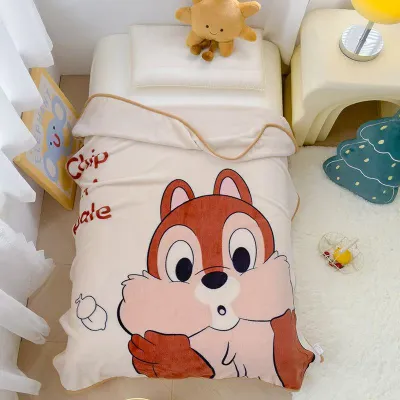
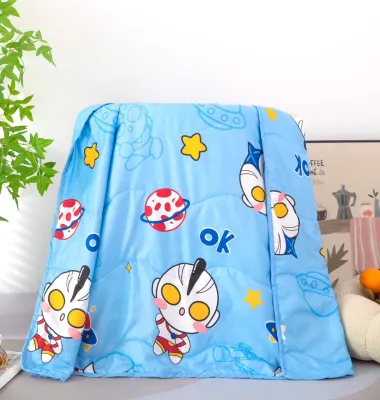
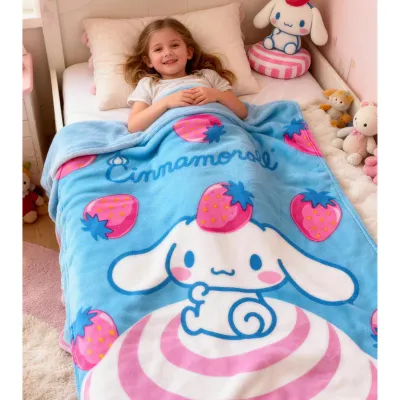
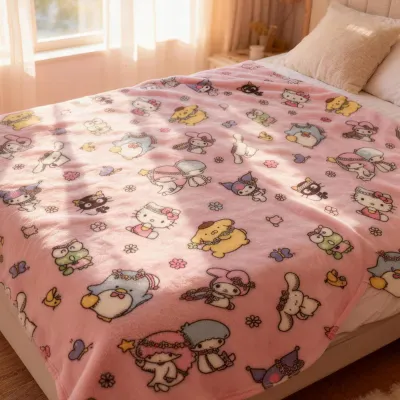
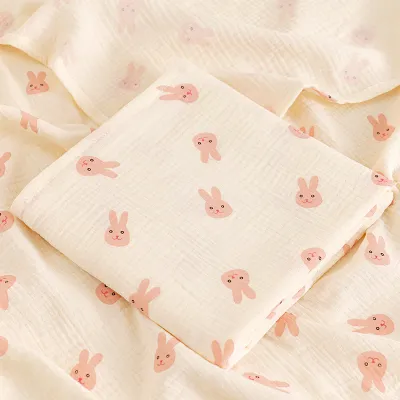
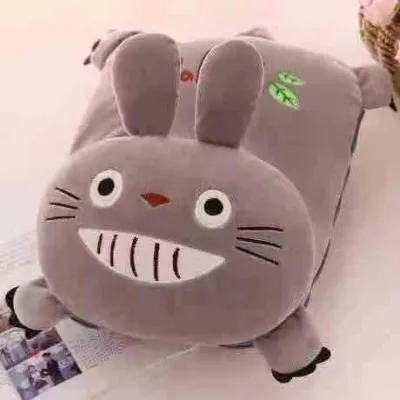
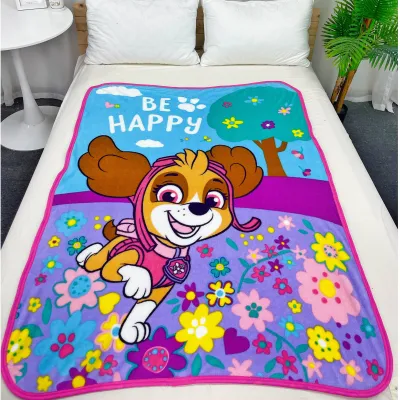
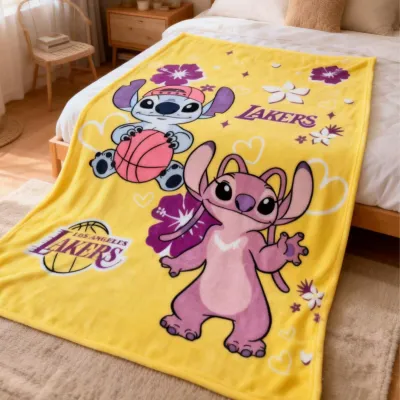
Prices are valid at publication and may change. Please refer to the product page for the latest price.
Additionally, manufacturing processes often leave behind invisible triggers. Residual dyes, chemical sizing agents used to keep fabrics stiff on store shelves, and even certain fabric softeners can remain embedded in the fibers. For a child with sensitive skin, these chemical residues can cause contact dermatitis, making it essential to look for minimally processed textiles.
Evaluating Common Blanket Materials for Sensitive Skin
Choosing the right fabric involves balancing comfort, breathability, and chemical safety. It is important to remember that a “natural” label does not automatically guarantee that a blanket is hypoallergenic or free from irritating chemical treatments.

Natural and Plant-Based Fibers
Cotton remains a popular choice for children’s bedding due to its natural softness and excellent breathability. When choosing cotton, organic varieties are generally preferable to conventional cotton because they are grown without synthetic pesticides and are often processed without harsh chemical dyes or bleaching agents. This reduces the risk of chemical residues lingering in the finished blanket.
Bamboo-derived fabrics, such as bamboo viscose or rayon, are highly valued for their silky texture and moisture-wicking properties, which help keep children cool in warm weather. However, parents should understand that transforming raw bamboo into a soft fabric requires intensive chemical processing. While the final product is often smooth and gentle, it is not inherently superior to organic cotton in its environmental or chemical footprint.
To ensure you are getting a safe product, always check the physical product tag rather than relying on front-of-package marketing. Look for a clear breakdown of the fiber percentages, such as 100% organic cotton or 100% bamboo viscose, to verify exactly what will be touching your child’s skin.
Synthetic and Blended Fabrics
Synthetic materials like polyester fleece and microfiber are widely available and highly durable, but they present distinct challenges for sensitive skin. In warm or humid environments, these petroleum-based fibers have very limited breathability compared to natural options. They tend to trap body heat and moisture close to the skin, creating a warm, damp environment that can easily trigger eczema flare-ups or heat rashes.
If you choose a synthetic blanket, reserve its use for air-conditioned rooms where temperatures are consistently cool. Avoid using heavy polyester fleece in uncooled spaces, as the lack of airflow can quickly cause discomfort and skin irritation.
When considering blended fabrics, such as cotton-polyester mixes, carefully inspect the weave and composition. Ensure that the layer directly contacting your child’s skin is predominantly made of gentle, natural fibers. If a blend feels stiff or rough, it is best to avoid it, as synthetic blends can sometimes pill easily, increasing mechanical friction against the skin.
Materials and Features to Avoid
To protect your child’s skin barrier, certain textures and fabric treatments should be avoided entirely. Coarse traditional wool is a primary culprit for mechanical irritation, as its thick, scaly fibers can scratch and inflame sensitive skin. Similarly, blankets with loose, open knits should be avoided because they can easily snag on tiny fingers or toes, and they often shed fibers that can irritate the eyes, nose, and skin.
Avoid blankets with heavy embroidery, rough decorative trims, or raised plastic prints, as these textured elements can rub against the skin during sleep. Chemical finishes are another major concern. Be wary of blankets marketed as “wrinkle-resistant,” “stain-repellent,” or “flame-retardant,” as these features are often achieved through chemical coatings that can off-gas or irritate sensitive skin.
A strong, chemical “new fabric” odor upon opening a package is a clear warning sign of residual processing agents. Additionally, avoid blankets that shed excessively or have loose, fluffy fibers, as these particles can be inhaled or trap dust mites, further aggravating both respiratory and skin allergies.
How to Read and Verify Safety Labels
Navigating the bedding aisle requires looking past creative marketing terms and focusing on verifiable product details. Always locate the physical care label sewn into the blanket to confirm the exact fiber content percentages. Marketing terms like “bamboo soft” or “cotton-feel” often disguise 100% polyester or synthetic blends, which may not offer the breathability your child needs.
Look for reputable, independent textile safety certifications on the packaging or the manufacturer’s official website. Certifications such as OEKO-TEX Standard 100 indicate that the fabric has been tested for a wide range of harmful substances and chemical residues. While these labels provide peace of mind, parents should still treat them as items to verify rather than absolute guarantees of safety.
Cross-reference any claims made on the outer packaging with the physical care tag. If the box promises “100% organic cotton” but the sewn-in tag lists a polyester blend, trust the physical tag. If a manufacturer does not provide clear fiber content or care instructions, it is safer to choose a different product.
Washing and Preparing New Blankets for Sensitive Skin
Even the highest quality, organic blanket must be properly prepared before it is introduced to your child’s bed. New blankets often carry invisible dust, dirt from shipping, and residual sizing agents used during manufacturing to keep the fabric looking crisp. Washing the blanket before its first use is essential to strip away these potential irritants and soften the fibers.
Always consult the manufacturer’s care label for specific washing instructions, including recommended water temperatures and drying methods. Using the correct temperature helps preserve the integrity of the fibers and prevents premature pilling, which can cause mechanical skin irritation over time.
When washing, select a mild, hypoallergenic, and fragrance-free liquid detergent formulated specifically for sensitive skin. Avoid using traditional fabric softeners or dryer sheets, as these products work by leaving a thin chemical film over the fabric fibers to make them feel softer. This residue can trap heat, reduce the blanket’s natural breathability, and directly irritate your child’s delicate skin.
Frequently Asked Questions (FAQ)
Can I use wool blankets if my child has eczema?
Traditional, coarse wool blankets are generally not recommended for children with eczema because the thick fibers can cause significant mechanical irritation and scratching. However, ultra-fine wool varieties, such as high-quality merino wool, are much softer and may be tolerated by some children. Because skin sensitivity varies greatly from child to child, it is important to monitor your child’s skin closely for any signs of redness or discomfort. If irritation occurs, discontinue use immediately and consult a pediatrician or dermatologist for guidance.
Are weighted blankets safe for kids with sensitive skin?
Weighted blankets can be used for children with sensitive skin, provided you carefully evaluate both the inner filling and the outer cover. Ensure the outer cover is made from a highly breathable, non-irritating fabric like organic cotton, and verify that the inner weighted beads are non-toxic and securely sealed. Always check the manufacturer’s guidelines to ensure the blanket’s weight is appropriate for your child’s age and body weight. Never use a weighted blanket for infants, and always ensure its use is supervised according to safety standards.

Community discussion
Share your experience or ask a question. Comments are reviewed before publication.