
When searching for a baby walker for girl designs, safety and developmental health must always lead your decision-making process. It is highly common for parents to be drawn to adorable pastel pinks, floral patterns, or princess-themed gear when preparing their nursery. However, your primary focus must remain on how these devices impact your child’s physical progression. Infant motor skills develop in a highly sequential, natural pattern that requires a foundation of core strength, balance, and spatial awareness.
An improperly designed walker or incorrect usage can disrupt this natural physical development. If a seat does not support your baby’s weight correctly, or if the height is poorly adjusted, it can force them to walk on their tiptoes. This unnatural posture can strain developing ankle joints, shorten the Achilles tendon, and lead to persistent toe-walking habits that may require pediatric intervention later.
“Girl-themed” marketing often highlights visual charm to appeal to parents. However, structural integrity, stability, and ergonomic support must be confirmed before any aesthetic features are considered. A beautifully designed walker is only beneficial if it provides a secure environment that actively supports healthy physical growth.
Products mentioned in this guide
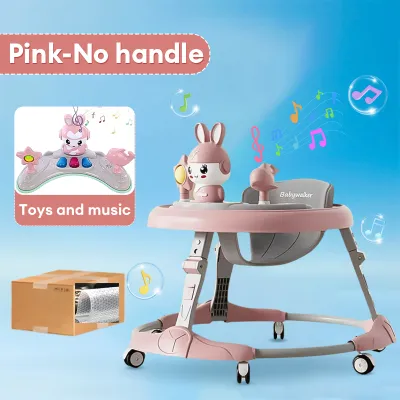
![[Easy To Walke] Bobbi Baby Walker walker for baby boy baby walker for girl SuitableFor 6-18 Months Infant Foldable walker for baby with Wheel Toddler Walk Learning Anti Rollove walker baby girl walker for baby With Music and Handle](https://img.lazcdn.com/g/p/fccee499d29a7bf50ee21c4b22facbed.jpg_400x400q80.jpg_.webp)
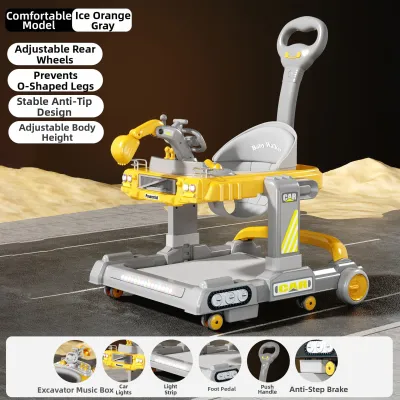
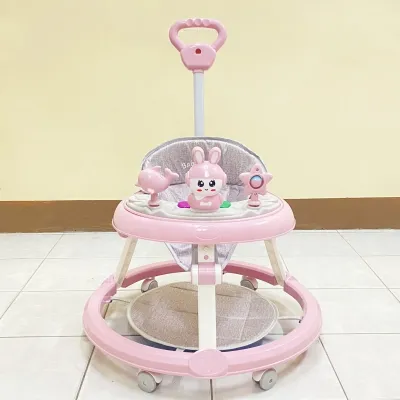
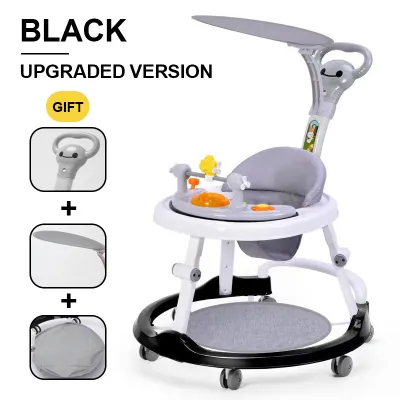
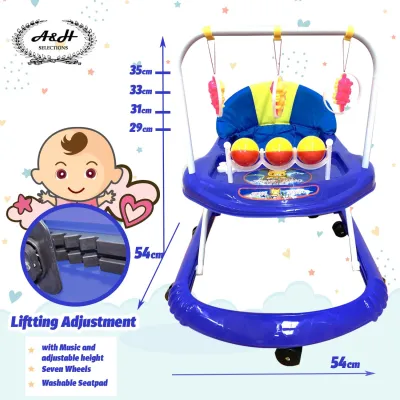
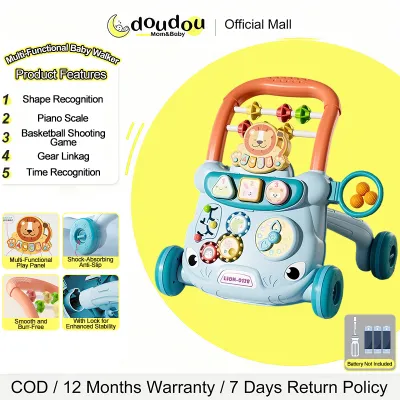
Prices are valid at publication and may change. Please refer to the product page for the latest price.
This selection guide is designed to help you filter through popular cute designs using a strict safety and developmental lens. By understanding what makes a walker structurally sound and ergonomically correct, you can make an informed choice that keeps your baby safe while matching your style preferences.
Core Safety and Ergonomic Features to Verify Before Buying
Before you evaluate any color scheme or toy configuration, you must examine the mechanical build of the walker. A high-quality walker must serve as a secure space that adapts to your baby’s rapid physical changes. You must verify several critical structural and ergonomic specifications from the manufacturer’s documentation before making a purchase.
Structural Stability and Fall Prevention
A safe walker must feature a wide, stable base that is significantly larger than the upper frame. This wide wheelbase lowers the center of gravity, which prevents the walker from tipping over when your baby leans sideways or reaches for objects. When a baby leans over the edge to look at a toy, a narrow base can easily tip, leading to head injuries.
You must verify that the walker is equipped with stair-climbing prevention mechanisms on the underside of the base. Look for models featuring rubber stoppers, friction strips, or specialized wheel locks that grip the floor and halt movement if a wheel loses contact with a flat surface. These safety features are essential for preventing accidental falls, especially in homes with transitions between different flooring types or small steps.
Always check the manufacturer’s specified maximum weight and height limits to ensure the product is appropriate for your baby’s current size. The frame must also feature a secure locking mechanism that prevents the walker from folding or collapsing accidentally while your baby is active inside. A sudden collapse can pinch delicate fingers or trap a baby’s legs under the metal frame.
Ergonomic Seating and Healthy Posture
To support healthy physical development, a sit-in walker must offer multiple adjustable height settings. When your baby is seated, their feet must be able to rest flat on the floor with their knees slightly bent. This alignment allows them to push off with their whole foot, which prevents toe-walking and reduces joint strain.
The seat itself must feature a supportive, high-back design with firm padding. A high backrest helps maintain proper spinal alignment, preventing your baby from slouching or leaning excessively to one side, which can fatigue their developing core muscles. Without adequate back support, a baby’s spine can curve unnaturally during extended periods of sitting.
Avoid seats that are excessively loose, overly deep, or lack structured thigh support. A poorly designed seat can cause your baby’s hips to slide into unnatural angles, putting harmful pressure on their developing hip joints and potentially contributing to developmental hip dysplasia. Proper seat depth ensures the baby’s thighs are supported without restricting blood circulation.
Non-Toxic Materials and Easy Cleaning
Babies frequently explore their environment with their mouths, meaning they will inevitably chew on the walker’s tray, toy attachments, and frame. You must verify that all plastic and fabric components are certified as BPA-free, phthalate-free, and non-toxic by checking the product labels and manufacturer documentation. Cheap plastics can release harmful chemicals when exposed to saliva and warm temperatures.
Given that girl-themed designs often feature light colors like blush pink, lavender, or white, managing stains and spills is a constant task. Look for walkers that feature a removable, machine-washable seat cover to make cleanup straightforward. Fabrics that cannot be easily removed often accumulate food crumbs and liquid spills, leading to unhygienic conditions.
In warm, humid climates like the Philippines, sweat, spilled milk, and baby food can quickly lead to mold or bacterial growth on fabric surfaces. A seat cover that is easy to detach and wash ensures you can maintain a hygienic environment for your little one. Breathable, mesh-lined fabrics are also highly recommended to prevent heat rash and keep your baby cool during play sessions.
Navigating Baby Walker for Girl Designs: Aesthetics vs. Practicality
Aesthetic themes for baby girls are diverse, ranging from elaborate princess castles to minimalist wooden designs. While these styles can make the walker a charming addition to your home, each design category comes with specific practical and safety trade-offs that you must carefully weigh.

Character and Princess-Themed Walkers
Walkers featuring popular cartoon characters, crowns, or elaborate 3D embellishments are highly appealing to toddlers. However, these designs often include small, detachable parts or decorative accessories that can pose a severe choking hazard if they break off. Decorative wands, plastic gems, and small mirrors must be checked regularly for cracks or loose fittings.
Overly bulky 3D attachments, such as plastic castle towers or large toy steering wheels, can obstruct your baby’s downward view. If a baby cannot see their own feet or the ground immediately in front of them, they are more likely to collide with household obstacles or experience anxiety while moving. Clear visibility is crucial for developing spatial awareness and coordination.
Before buying a character-themed model, physically inspect or verify that all decorative elements, such as plastic tiaras or wands, are securely molded into the frame or fastened with heavy-duty screws rather than weak adhesives that can degrade over time. Adhesives can quickly fail when exposed to humid air and regular cleaning solutions.
Pastel, Floral, and Minimalist Styles
Blush pink, light floral patterns, and minimalist white aesthetics blend beautifully with modern home decor. The primary trade-off with these light-colored fabrics is their high susceptibility to visible dirt, food stains, and general wear. A single spilled snack or diaper leak can leave permanent, unsightly marks on delicate pastel materials.
If you choose a pastel or white design, look for fabrics treated with stain-resistant coatings or models that feature darker, contrasting inner linings where the baby’s body makes direct contact. This design choice helps mask daily grime and extends the neat appearance of the walker between washes. Additionally, ensure the fabric can withstand frequent machine washes without fraying or losing its shape.
Minimalist designs often feature fewer bright colors and distracting toys. This simplified aesthetic can be highly beneficial for babies who are easily overstimulated by flashing lights and loud sounds, allowing them to focus on developing their motor skills in a calm manner. A simpler design also encourages the baby to look outward and engage with their physical surroundings rather than staring down at a busy toy tray.
Walkers With Interactive Activity Trays
Many walkers double as interactive activity centers, complete with electronic toy trays that produce lights, music, and sound effects. While these features can keep your baby entertained, they carry a risk of auditory overstimulation, making it essential to choose models with adjustable volume controls or a dedicated mute switch. Constant high-volume sounds can also be stressful for both the baby and the caregiver.
You must verify that the electronic battery compartment is securely fastened with screws and completely inaccessible to children. Loose batteries pose an extreme chemical and choking hazard if swallowed. Regularly check the compartment for signs of corrosion, especially in high-humidity environments where battery leaks are more common.
Opt for a walker with a removable activity tray. This feature allows you to quickly convert the walker into a clean, flat surface for snack time or a simple push-toy, giving the product greater versatility as your baby’s daily needs change. A flat tray is also much easier to sanitize after meals or messy play sessions.
A Step-by-Step Checklist for Evaluating Market Options
When browsing online marketplaces or physical baby boutiques, it is easy to make an impulsive purchase based on a cute design. To ensure you choose a product that is both safe and ergonomically sound, use this step-by-step filtering strategy before checking out.
First, ignore generic search tags like “baby girl walker” and look directly at the manufacturer’s specified age, weight, and height limits. Your baby’s physical proportions must match these specifications precisely; never assume a walker is suitable simply because of its color or marketing label. Measure your baby’s height and weight beforehand to cross-reference them with the product’s manual.
Second, read user reviews critically, looking past simple star ratings. Search specifically for feedback regarding wheel locking failures, seat tearing, tipping incidents, or difficulties with the height adjustment mechanism. Real-world feedback from other parents often reveals structural flaws, such as weak stitching or wheels that scratch hardwood floors, which are not visible in polished marketing photos.
Third, verify the presence of recognized safety certification marks. In the Philippines, look for official quality and safety marks, or check for international standards such as ASTM (American Society for Testing and Materials) or EN (European Standard) certifications on the packaging or product listing. If a seller cannot provide proof of these safety standards, choose a different product.
Fourth, check the seller’s return and exchange policy before completing your purchase. Because every baby’s torso and leg length are unique, you may find that the walker’s height settings do not fit your baby’s current proportions upon arrival, making a flexible return policy essential. Trying the walker at home is often the only way to confirm a perfect ergonomic fit.
Finally, remember that a high price point or a famous brand name does not automatically guarantee ergonomic suitability or superior safety. Evaluate every walker on its physical build, material quality, and adjustability rather than relying on brand prestige alone. A mid-priced walker with excellent structural stability and adjustable height is always a better choice than an expensive, non-adjustable model with a designer logo.
Safe Usage Guidelines and When to Transition Away
Even the safest, most ergonomically advanced walker requires strict operational guidelines to prevent accidents. To protect your baby, you must establish clear rules for how and when the walker is used in your home.
Never leave your baby unattended in a walker; constant, active adult supervision is mandatory at all times. Restrict the walker’s use to flat, level, and completely hazard-free zones, ensuring your baby is kept far away from stairs, swimming pools, kitchens, doorways to balconies, and hot surfaces like stoves or floor heaters. Tiled floors, which are common in many Philippine households, allow walkers to roll much faster than carpeted floors, reducing your reaction time if an accident occurs.
Limit your baby’s daily time in the walker to short intervals, such as 15 to 20 minutes per day. Over-reliance on a sit-in walker can lead to muscle fatigue, cause unnatural leg-muscle development, and potentially delay the onset of independent crawling and walking milestones. Use the walker as a brief activity tool rather than a long-term baby-sitting solution.
You must define clear exit criteria to know when it is time to stop using the walker permanently. Discontinue use immediately when your baby shows signs of walking independently, displays frustration or attempts to climb out of the seat, or reaches the manufacturer’s maximum weight or height limits. If you notice any unusual gait patterns or physical discomfort, stop using the walker and consult a qualified pediatrician.
Frequently Asked Questions (FAQ)
At what age and developmental stage should a baby start using a walker?
A baby’s physical readiness is far more important than their chronological age. Before using a sit-in walker, your baby must be able to hold their head up steadily without assistance, sit upright independently, and show a clear desire to bear weight on their legs. Because developmental timelines vary widely, you should always consult your pediatrician before introducing a walker to ensure your baby’s muscles and joints are sufficiently developed.
Are baby walkers banned or restricted in some regions due to safety concerns?
Yes, several countries and medical associations have heavily restricted or banned traditional sit-in baby walkers due to the high risk of falls, head injuries, and developmental delays. If you have concerns about the safety profile of a sit-in model, consider a sturdy push-walker (also known as an activity walker) as a safer, development-friendly alternative. Push-walkers allow babies to practice natural balance and weight-bearing while keeping their hips in a completely natural, unconstrained position.

Community discussion
Share your experience or ask a question. Comments are reviewed before publication.