
Choosing the right toddler milk for your child between the ages of one and three is a highly individualized decision. With prominent options like S-26 Promil, Nido, NAN, and Enfagrow lining supermarket shelves, parents often feel overwhelmed by competing nutritional claims and price points. The right choice is not a universal winner, but rather the specific formulation that matches your toddler’s digestive tolerance, aligns with your pediatrician’s advice, and fits comfortably within your family’s monthly budget.
As toddlers transition from infant formula or breast milk to a wider variety of solid foods, their nutritional requirements change. Toddler milk drinks, often labeled as Stage 3, are designed to bridge potential nutritional gaps during this picky eating phase. By understanding how to read labels, calculate actual serving costs, and safely introduce new formulas, you can make an informed decision that supports your child’s growth and development.
Understanding Toddler Nutritional Needs (Ages 1-3)
During the toddler years, rapid physical growth and cognitive development demand a steady supply of essential nutrients. However, this stage is also notorious for picky eating habits, which can make it difficult for parents to ensure a balanced diet through solid foods alone. Toddler milk drinks are formulated to act as a nutritional safety net, supplementing whole cow’s milk and a varied solid food diet rather than replacing them.
Products mentioned in this guide
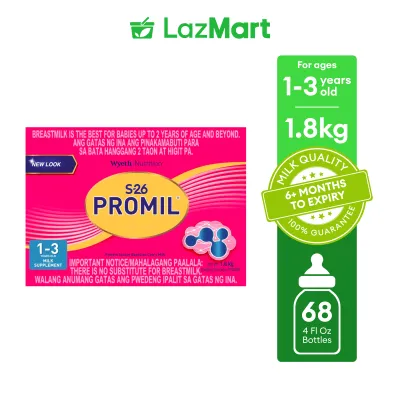
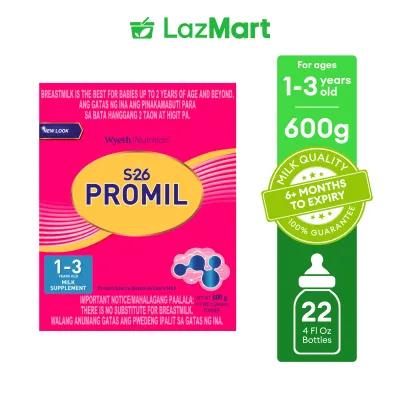
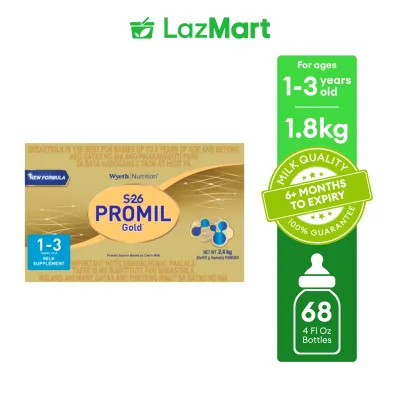
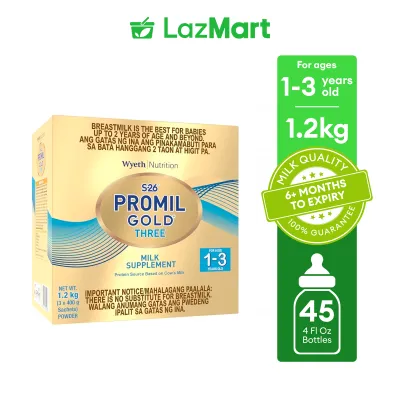
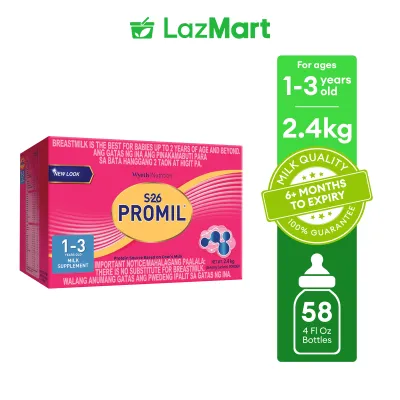



Prices are valid at publication and may change. Please refer to the product page for the latest price.
When evaluating toddler milk options, several key nutrients deserve close attention on the product labels. Iron is critical for healthy brain development and preventing anemia, especially since toddlers often reject iron-rich foods like meats and leafy greens. Calcium and Vitamin D are essential for building strong bones and teeth during active growth spurts. Additionally, docosahexaenoic acid (DHA), an omega-3 fatty acid, supports ongoing brain and visual development, while essential vitamins like A, C, and E support a developing immune system.
Introducing any new milk product requires careful observation of your child’s physical response. Toddlers have sensitive digestive systems that may react to changes in protein structures or carbohydrate sources. Watch closely for observable signs of intolerance, allergies, or digestive discomfort, such as excessive gas, bloating, skin rashes, vomiting, or sudden changes in bowel movements like diarrhea or severe constipation. If any of these signs occur, it is important to stop using the product and consult your pediatrician immediately.
Comparing S-26 Promil, Nido, NAN, and Enfagrow Labels
To make an objective comparison, parents must look past front-of-pack marketing and examine the ingredient lists and nutrition information panels on the back of the packaging. The ingredient list is organized in descending order of weight, meaning the first few ingredients make up the bulk of the product. Look closely at these primary ingredients to identify the protein sources, which typically include skimmed milk powder, whey protein concentrate, or whole milk powder.

Carbohydrate sources are another crucial element to verify on the label. While lactose is the naturally occurring sugar in milk, some toddler formulas may include added sugars, flavorings, or alternative carbohydrates like sucrose, corn syrup solids, or maltodextrin to alter taste or texture. If you prefer to limit added sugars in your child’s diet, check the label carefully to ensure lactose is the primary carbohydrate source and that there are no unnecessary artificial flavorings.
Always verify that the packaging features age-appropriate labeling, typically designated as Stage 3 or explicitly marked for children aged 1 to 3 years. Formulations for older children or infants have different nutrient ratios that may not suit a toddler’s developmental stage. Additionally, note whether a brand offers specific dietary formulations on its label, such as gentle, partially hydrolyzed, or lactose-reduced options, which can be beneficial if your child has a history of mild digestive sensitivity.
Because formulations can change periodically, make it a habit to check the physical packaging of S-26 Promil, Nido, NAN, and Enfagrow during your regular shopping trips. Comparing the exact milligram measurements of DHA, iron, and prebiotic fibers per serving will give you a clear picture of what each brand offers. This hands-on verification ensures you are always making decisions based on the most current product specifications.
Evaluating Cost and Value for Your Budget
Toddler milk is a recurring monthly expense that can significantly impact your household budget. To determine the true value of S-26 Promil, Nido, NAN, and Enfagrow, avoid comparing only the retail price of the tin or box. Instead, calculate the price per serving to understand how much you are actually spending over time.
To calculate the cost per serving, use this simple formula: divide the retail price of the package by the total weight in grams, then multiply that number by the manufacturer’s recommended grams per serving. You can find the recommended serving size in grams on the preparation instructions on the back of the pack. For example, if a tin costs ₱1,200, contains 900 grams, and requires 36 grams of powder per serving, the calculation would look like this:
- ₱1,200 / 900 grams = ₱1.33 per gram
- ₱1.33 * 36 grams per serving = ₱47.88 per serving
When comparing packaging formats, keep in mind that tins generally offer better protection against tropical humidity and pests, but they often carry a higher price per gram. Cardboard boxes containing foil pouches are usually more economical, though they require careful storage once opened. Be sure to check the shelf life and the number of servings per container to ensure your child can consume the product before it expires.
Finally, factor in the manufacturer’s recommended daily servings to estimate your monthly household expenses. If a brand recommends two or three servings per day, multiply your calculated cost per serving by that daily frequency, and then by thirty days. This monthly estimate provides a realistic financial picture, helping you choose a formula that you can comfortably afford to purchase consistently without straining your finances.
Decision Framework: Matching the Formula to Your Child
Because every toddler’s nutritional needs and digestive tolerances are unique, there is no single formula that works perfectly for every child. A structured decision framework can help you match the specific characteristics of S-26 Promil, Nido, NAN, and Enfagrow to your child’s individual profile and your family’s priorities.
You might choose S-26 Promil if your child responds well to its specific nutrient blend and the price point aligns with your household budget. Parents who select this brand often prioritize its historical focus on cognitive-supporting nutrients and find that their toddlers tolerate its taste and texture without digestive issues.
You might choose Nido if you are looking for a widely available, budget-friendly option that focuses on overall growth, immune support, and digestive comfort. It is a popular choice for families who want a reliable, everyday milk drink that offers essential fortifications at a highly accessible price per serving.
You might choose NAN if your nutritional priorities lean toward advanced protein technologies or specific probiotic strains, provided your child accepts the taste and the cost fits your budget. This option is often favored by parents who place a high value on digestive ease and premium ingredient sourcing.
You might choose Enfagrow if your primary dietary goal is to provide high levels of DHA and specific prebiotic blends explicitly stated on the label. This brand is frequently selected by parents who are focused on supporting brain development and gut health through targeted nutritional fortifications.
Regardless of which brand seems to fit best on paper, always verify your choice with a pediatrician before making a final decision or switching formulas. This is especially critical if your child has specific medical conditions, known allergies, growth concerns, or a history of severe digestive sensitivity. A healthcare professional can provide personalized guidance tailored to your toddler’s unique health profile.
Safe Preparation and Transitioning
Proper preparation and handling of toddler milk are essential to protect your child’s health. Always follow the specific manufacturer instructions printed on the packaging, paying close attention to the recommended water temperature and the exact powder-to-water ratios. Using too much powder can lead to dehydration and constipation, while diluting the milk too much deprives your child of necessary nutrients.
In warm, humid tropical climates, food safety requires extra vigilance. High humidity and warm temperatures accelerate bacterial growth, making prepared milk highly perishable. Always wash your hands thoroughly and ensure all preparation utensils, cups, and bottles are clean and dry before use. Keep opened tins or pouches tightly sealed in a cool, dry place, and never store them in the refrigerator, as the temperature change can introduce moisture and cause the powder to clump or spoil.
When transitioning your toddler to a new milk brand, a gradual approach is highly recommended to minimize digestive upset. Start by replacing one feeding a day with the new formula for a couple of days, then gradually increase the proportion of the new milk over a week. During this transition period, monitor your child closely for any changes in stool consistency, skin rashes, or unusual fussiness. If you observe any persistent signs that the formula is not working well, stop use immediately and consult a qualified healthcare professional.
Frequently Asked Questions (FAQ)
Can I mix two different toddler milk brands together?
No, manufacturers generally advise against mixing different toddler milk powders in the same serving. Each brand is formulated with a precise balance of nutrients, vitamins, and minerals designed to be dissolved in a specific volume of water. Mixing different powders can disrupt this delicate balance, potentially leading to an overconcentration or underconcentration of nutrients that can strain your toddler’s kidneys and digestive system. If you are transitioning your child from one brand to another, it is safer to offer separate feedings of each brand at different times of the day rather than blending the powders together.
How long can I keep prepared toddler milk at room temperature?
Prepared toddler milk should not be left at room temperature for more than one to two hours. In warm and humid tropical climates, bacteria can multiply rapidly in prepared milk, increasing the risk of foodborne illness. If your child does not finish a cup of milk within an hour of starting it, discard the leftover portion rather than saving it for later, as bacteria from your child’s saliva can contaminate the remaining liquid. If you need to prepare milk in advance, store it immediately in the refrigerator and use it within twenty-four hours, ensuring you discard any unused portion after that time.
Is toddler milk necessary if my 1-3 year old eats solid foods well?
Toddler milk is not strictly necessary if your child is growing well and consumes a highly varied, nutrient-dense diet of solid foods alongside whole cow’s milk. However, many toddlers experience phases of picky eating, where their intake of iron, calcium, and essential vitamins may fall short of daily recommendations. In these scenarios, toddler milk serves as a convenient and reliable supplement to fill those nutritional gaps. If you are unsure whether your child’s solid food intake is sufficient, consult your pediatrician to evaluate their growth and determine if a fortified toddler milk drink is beneficial for their specific dietary needs.

Community discussion
Share your experience or ask a question. Comments are reviewed before publication.