
Selecting the right milk for your child is one of the most critical decisions you will make as a parent. In the Philippines, walking down the baby care aisle of any major supermarket presents a dizzying array of options, with prominent brands like S-26, Nido, NAN, and Enfagrow competing for your attention. Each brand boasts unique formulations, proprietary nutrient blends, and distinct age-stage recommendations designed to support your child’s growth.
Because every child’s digestive system, developmental pace, and taste preferences are unique, there is no single “best” milk brand for everyone. The ideal choice depends on your child’s exact age, specific nutritional requirements, digestive tolerance, and your family’s budget. Before making any changes to your child’s diet, especially for infants under 12 months, always consult your pediatrician to ensure the chosen formula aligns with their developmental needs.
Quick Answer: Which Formula Milk Brand Should You Choose?
To help you navigate these choices, it helps to understand the primary focus of each brand. While all these options provide essential vitamins and minerals, they target different developmental priorities and age groups.
Products mentioned in this guide
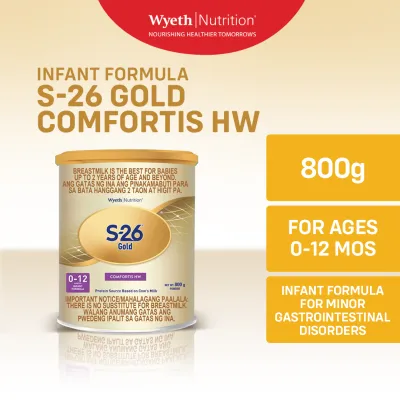
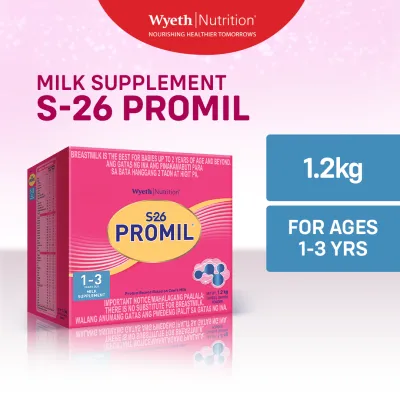
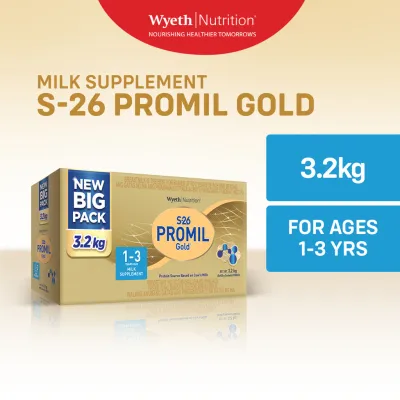
Prices are valid at publication and may change. Please refer to the product page for the latest price.
- Choose S-26 if your primary goal is supporting early cognitive and visual development. This brand emphasizes nutrients like DHA, lutein, and choline, which are highly associated with brain connections and eye health during critical early milestones.
- Choose NAN if your child has a sensitive tummy or is prone to digestive discomfort. NAN focuses on gentle digestion, featuring optimized proteins to ease kidney load and active probiotics to support a healthy gut microbiome.
- Choose Enfagrow if you are looking for a premium growing-up milk for toddlers and preschoolers. It places a heavy emphasis on cognitive advancement and immune system support, utilizing advanced ingredients like Milk Fat Globule Membrane (MFGM) and high levels of DHA.
- Choose Nido if you are transitioning an older toddler or school-aged child to a fortified daily milk. Nido is designed for children aged one and older, offering a budget-friendly, nutrient-dense powdered whole milk that supports physical growth, bone strength, and immunity.
Regardless of which brand seems to fit your goals, you must verify the specific product label for age appropriateness. Infant formulas are highly specialized, whereas growing-up milks are formulated for older, more active children who already consume solid foods.
Brand Overview and Age Stage Availability
When comparing these options, it is important to recognize that each brand name represents a broad portfolio of products rather than a single formula. Manufacturers design specific product lines to match distinct developmental stages, which are typically indicated by numbers or specific names on the tin.

S-26 (Wyeth Nutrition)
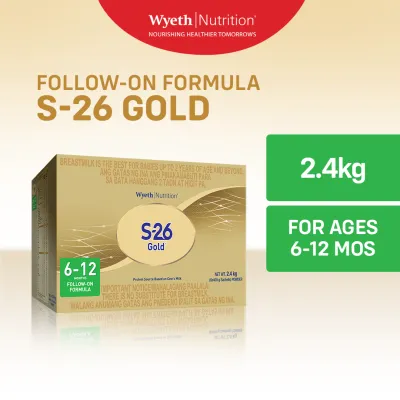
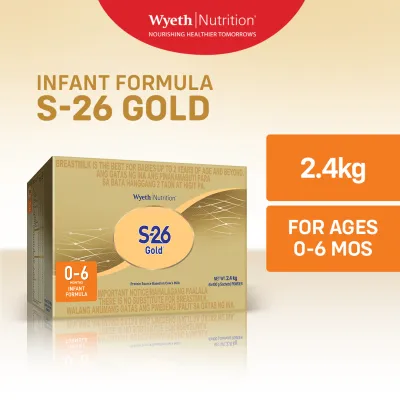
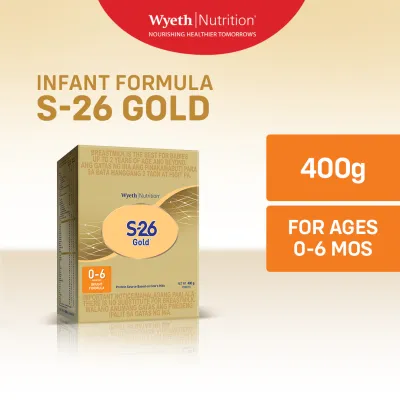
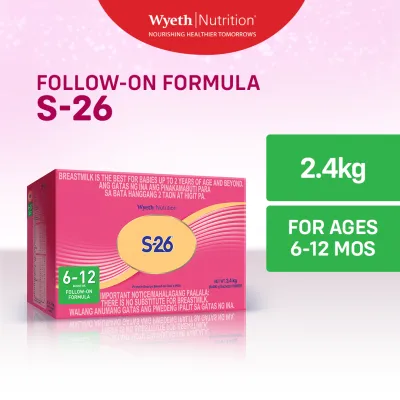
S-26 has built a strong reputation in the Philippines for its focus on early childhood brain development. The brand offers a structured progression of products designed to support children from birth through their preschool years. For infants, the lineup includes S-26 Gold One (0–6 months) and S-26 Gold Two (6–12 months). As children transition into toddlerhood, the brand transitions to Promil Gold Three (1–3 years) and Promil Four (3 years and above). Wyeth also offers standard versions, such as S-26 Progress and S-26 Promise, providing parents with options across different price points while maintaining a focus on cognitive nutrients.
Nido (Nestlé)
Nido is a household staple in many Filipino homes, but it is crucial to understand its target age group. Unlike the other brands in this comparison, Nido does not manufacture infant formulas for babies under 12 months. Instead, the brand focuses entirely on toddlers, preschoolers, and school-aged children. The most common variants found in local supermarkets are Nido 1+ (for toddlers aged 1–3), Nido 3+ (for children aged 3–5), and Nido 5+ (for children aged 5 and older). Nido is formulated as a fortified powdered whole milk, making it an excellent transition milk once a child is eating a varied diet of solid foods.
NAN (Nestlé)
NAN is Nestlé’s premium line of infant and toddler formulas, recognized globally for its scientific approach to digestive comfort and protein quality. The product range covers all early developmental stages, including NAN Optipro One (0–6 months), NAN Optipro Two (6–12 months), and NAN Optipro Three (1–3 years). For children with specific digestive sensitivities, Nestlé also offers specialized variants such as NAN Supreme, which features partially hydrolyzed whey proteins designed to reduce the risk of allergies and ease digestion. This makes the NAN portfolio highly attractive to parents of infants who experience frequent gas, colic, or mild spitting up.
Enfagrow (Mead Johnson)
Enfagrow is the toddler and preschooler extension of the popular Enfamil infant formula line. In the Philippines, the Enfagrow A+ Four range is highly sought after for children aged three and older. Mead Johnson positions this brand as a premium option that supports both cognitive development and immune defense. Because Enfagrow is designed as a growing-up milk, it is formulated to complement the solid food intake of active toddlers, ensuring they receive key brain-building nutrients that might be lacking in their daily meals.
Nutritional Profiles and Key Ingredients Compared
While all commercial milk formulas sold in the Philippines must meet strict national and international nutritional standards, manufacturers differentiate their products by adding proprietary nutrient blends. Understanding these key ingredients can help you decide which brand aligns best with your child’s health priorities.
S-26: Brain and Eye Development
S-26 formulas, particularly the Gold and Promil ranges, are heavily marketed around cognitive development. The key differentiator in S-26 is the inclusion of sphingomyelin, a complex lipid that plays a vital role in myelination, which is the process of insulating nerve fibers to support faster brain connections. Additionally, S-26 contains a combination of DHA, lutein, and choline. Lutein is an antioxidant that concentrates in the retina, supporting visual health, while DHA and choline are essential structural components of the brain. If you want to prioritize early cognitive milestones and visual acuity, S-26 focuses its formulation heavily in this area.
NAN: Digestive Health and Protein Quality
NAN stands out for its focus on gut comfort and metabolic health through its OPTIPRO technology. OPTIPRO refers to Nestlé’s patented process of delivering an optimized protein blend that provides the right quantity and quality of proteins needed for your baby’s growth without overloading their immature kidneys. Furthermore, NAN formulas are enriched with active probiotics, specifically ***Bifidobacterium lactis* (B. lactis)**, alongside prebiotics. These beneficial bacteria help establish a healthy gut microbiome, which is crucial for strengthening your child’s natural defenses and ensuring smooth, comfortable digestion with softer stools.
Enfagrow: Cognitive and Immune Support
Enfagrow A+ highlights the inclusion of Milk Fat Globule Membrane (MFGM) alongside high levels of DHA. MFGM is a natural membrane that surrounds fat droplets in milk; scientific observations suggest it supports both cognitive development and behavioral regulation in young children. By pairing MFGM with DHA, Enfagrow aims to provide double support for brain growth. To aid the immune system, Enfagrow also includes a blend of beta-glucan, vitamin C, and zinc, which helps protect active toddlers from common childhood illnesses as they begin exploring preschool environments.
Nido: Physical Growth and Immunity
Because Nido is designed for older toddlers and children who are already eating solid foods, its nutritional profile focuses on physical growth and overall vitality. It features a blend of nutrients often referred to as “Nutri-Trio” or “Todo Protectus,” which includes high levels of calcium, vitamin D, iron, and zinc. Calcium and vitamin D are essential for developing strong bones and teeth during rapid growth spurts, while iron and zinc support immune function and cognitive energy. Nido provides a robust, calorie-dense option that ensures older children maintain their energy levels throughout the day.
Crucial Nutritional Disclaimer
Always read the actual nutritional information panel printed on the specific product tin before purchasing. Formulations are updated frequently by manufacturers, and the nutrient concentrations can vary significantly between premium lines (such as “Gold” or “Supreme” variants) and standard lines. Do not assume a specific nutrient is present in a formula simply because the brand is generally known for it; verify the ingredients list to make an informed choice.
Price and Value Assessment in the Philippines
Managing the household budget is a reality for Filipino parents, and the cost of milk can quickly become a significant monthly expense. When comparing prices, looking only at the retail price of a single tin can be highly misleading due to differences in packaging sizes and preparation instructions.
Understanding the True Cost
Milk products in the Philippines are packaged in various sizes, ranging from small 370g boxes to large 1.8kg or 2.4kg economy tins. Furthermore, different brands require different scoop sizes and water ratios to prepare a single glass. To find the true value, you should calculate the cost per serving rather than comparing sticker prices.
To do this, check the manufacturer’s feeding table on the back of the packaging to see how many grams of powder are required per serving. Divide the total weight of the package by the serving size to determine how many cups of milk a single package will yield, then divide the retail price by that number of servings.
General Market Positioning in the Philippines
- Premium Tier (S-26 Gold, NAN, Enfagrow A+): These products sit at a higher price point, typically ranging from ₱1,000 to over ₱2,000 per tin depending on the size. Specialized variants, such as hypoallergenic (H.A.) or lactose-free formulas, carry an additional premium due to the complex manufacturing processes required.
- Mid-to-Budget Tier (Nido, Standard S-26/Promil): Nido is highly accessible and budget-friendly, making it an economical choice for daily consumption for children over one year old. Standard versions of S-26 and Promil also offer a more affordable alternative to their "Gold" counterparts while still delivering essential nutrition.
Where to Buy and Save
These brands are widely available across the Philippines in major supermarkets (such as SM Supermarket, Robinsons, and Puregold), local drugstores (like Mercury Drug and Watsons), and official brand stores on major e-commerce platforms. To manage your monthly expenses, consider purchasing larger economy packs or box bundles, which generally offer a lower cost per gram. Many official online stores also offer subscription discounts, loyalty points, and seasonal promotional vouchers during major monthly sales events.
Decision Framework: How to Choose the Right Formula for Your Child
To make the final decision with confidence, you can follow this structured, step-by-step framework tailored to your child’s specific situation.
Step 1: Verify Age and Stage
Your child’s age is the absolute starting point. Infant formulas (Stage 1 and Stage 2) are highly regulated and designed to be easily digestible for delicate, developing organs. Never give toddler milk, growing-up milk, or fortified powdered whole milks like Nido to an infant under 12 months, as their digestive systems cannot process the complex proteins and mineral concentrations.
Step 2: Identify Specific Needs
Observe your child’s physical responses to their current milk.
- If your child experiences frequent constipation, hard stools, or excessive gas, a formula focused on digestive comfort like NAN may be highly beneficial.
- If your child is meeting their physical milestones but you want to focus on cognitive development and early learning support, S-26 or Enfagrow are strong candidates.
- If your child is over a year old, eats a well-balanced diet of solid foods, and you need an affordable, nutrient-dense daily milk to support physical growth, Nido is an excellent, practical choice.
Step 3: Consult a Professional
Before switching formula brands or moving up a stage, consult your pediatrician. This step is especially critical if your child has a family history of food allergies, exhibits signs of cow’s milk protein allergy (such as eczema, chronic diarrhea, or vomiting), or has any underlying health conditions. Your pediatrician can provide tailored recommendations and advise you on whether a specialized formula is necessary.
Step 4: Trial and Observation
When introducing a new milk, do so gradually and monitor your child’s response over a period of one to two weeks. Look for positive signs of tolerance, such as consistent energy levels, steady weight gain, good feeding acceptance, and soft, regular bowel movements.
At the same time, watch for red flags that indicate digestive intolerance or an allergic reaction. These include skin rashes, hives, persistent vomiting, severe watery diarrhea, blood in the stool, or excessive, inconsolable fussiness after feeding.
Safety Boundary: If you observe any adverse reactions or signs of severe digestive distress, stop using the new milk immediately and seek professional medical advice from your pediatrician or nearest healthcare facility.
Storage Tips for the Philippine Climate
Because the Philippines has a hot and humid tropical climate, proper milk powder storage is essential to prevent spoilage, clumping, and insect infestation. Always store opened tins or foil packs in a cool, dry place away from direct sunlight. Do not store milk powder in the refrigerator, as the moisture can cause the powder to clump and spoil faster. Ensure the lid is tightly sealed after every use, and use the contents within the manufacturer’s recommended timeframe—typically four weeks after opening.
Frequently Asked Questions (FAQ)
Can I mix S-26 and Enfagrow in the same bottle?
It is highly recommended that you do not mix different formula brands or different stages of milk in the same feeding bottle. Each brand uses a specific scoop size and a unique water-to-powder ratio designed to achieve a safe concentration of nutrients. Mixing different powders can alter the osmolarity of the feed, making it either too concentrated or too diluted. This can put unnecessary strain on your child’s kidneys, cause severe digestive upset, or lead to nutrient imbalances. If you need to transition between brands, do so by replacing entire feeding sessions gradually rather than mixing the powders together.
Is Nido considered a formula milk or powdered milk?
Nido is classified as a fortified powdered whole milk or a growing-up milk, rather than an infant formula. Infant formulas are strictly regulated breastmilk substitutes designed to provide complete, sole-source nutrition for babies under one year old. Nido, on the other hand, is formulated for toddlers and older children who are already eating a varied diet of solid foods. It is fortified with specific vitamins and minerals to help fill nutritional gaps, but it is not suitable for infants under 12 months of age.
How do I safely transition my child from NAN to S-26?
To transition your child safely, use a gradual replacement method over several days to allow their digestive system to adapt. Start on day one by replacing just one of their daily feeds with the new S-26 formula, keeping all other feeds as NAN. On day three, replace two feeds, and continue this pattern until your child has fully transitioned to the new brand. Throughout this process, monitor your child’s stool consistency, skin, and overall comfort. Always consult your pediatrician before initiating a transition to ensure it is appropriate for your child’s current development.
Community discussion
Share your experience or ask a question. Comments are reviewed before publication.