
Choosing the right formula milk for your child is one of the most significant decisions you will make as a parent. With prominent brands like S-26 Promil, Nido, NAN, and Enfagrow filling the shelves of local supermarkets and pharmacies in the Philippines, the sheer volume of options can feel overwhelming. There is no single “best” formula for every child, as each brand designs its product lines to meet different developmental stages, digestive tolerances, and nutritional priorities.
To make an informed choice, you must look beyond marketing claims and focus on objective factors such as age grading, ingredient lists, and cost efficiency. Because infant and toddler nutrition is highly specialized, always consult your pediatrician before introducing or switching formula milks. This guide provides a practical framework to help you compare these leading brands, read their labels accurately, and calculate their true cost to find the best fit for your family.
Matching Formula to Your Baby's Age and Needs
Before comparing specific brands, you must identify the correct product line based on your child’s exact age and developmental stage. Manufacturers carefully calibrate the nutrient levels in each stage to match a child’s growing digestive capacity and metabolic needs. Feeding a child a formula designed for a different age group can lead to nutritional deficiencies or digestive strain.
Products mentioned in this guide

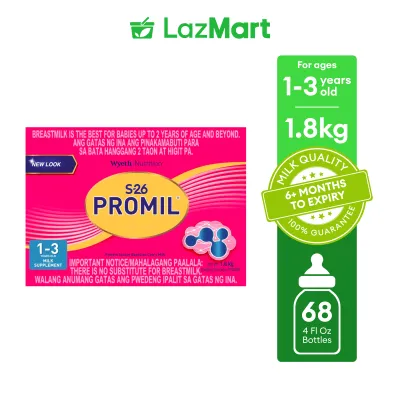
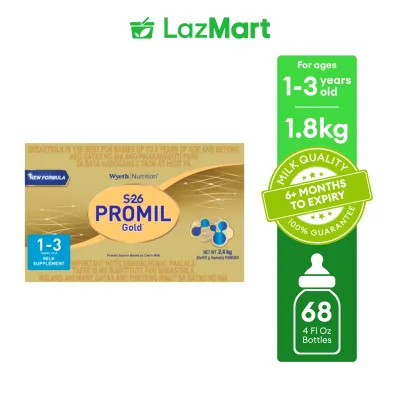
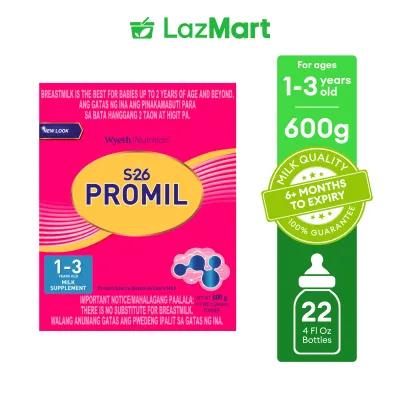
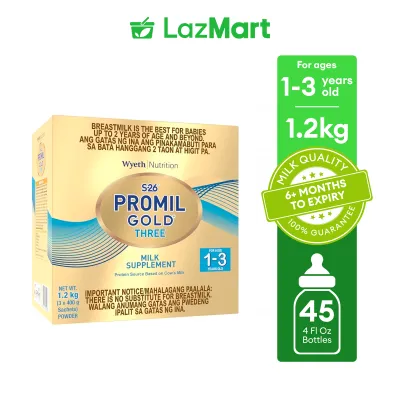
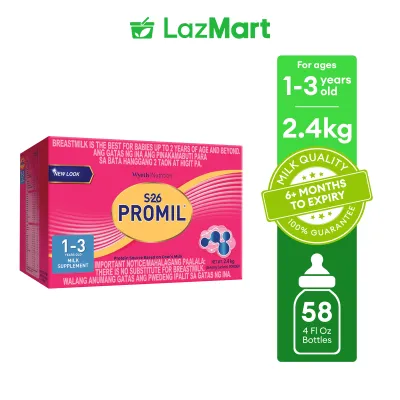

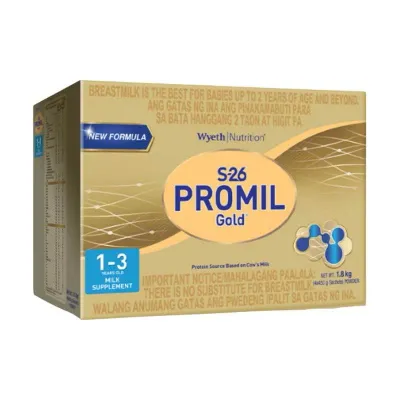
Prices are valid at publication and may change. Please refer to the product page for the latest price.
Always check the front of the packaging for the explicit age grading, which is typically categorized by stages. Stage 1 formulas are generally formulated for infants from birth to six months, Stage 2 for older infants from six to twelve months, and Stage 3 for toddlers aged one to three years. Some brands also offer Stage 4 options for preschoolers aged three years and older. Never assume suitability based on the brand name alone; always verify the age range printed on the label.
Beyond standard age stages, you will encounter specialized formulations designed for specific digestive needs. These include lactose-free options, gentle or partially hydrolyzed protein formulas for sensitive tummies, and formulations with added iron or specific fiber blends. These specialized products should only be used under the direct supervision and recommendation of a pediatrician, rather than as a preventive measure based on marketing promises.
Understanding the general market positioning of each brand can help narrow your search. Nido is primarily positioned as a fortified milk drink for older toddlers and school-aged children, typically starting from age one or three and above. S-26 Promil, NAN, and Enfagrow offer comprehensive product suites that span from early infancy through the toddler years, providing highly structured stages that transition as your child grows.
How to Compare Nutritional Profiles on the Label
Evaluating the nutrition facts panel and the ingredient list on the physical packaging is the most reliable way to compare what each formula actually offers. Marketing terms on the front of the tin can be distracting, but the back label provides the exact quantities of nutrients per 100 grams of powder or per serving.

Start by comparing the declared amounts of brain-support nutrients and immune-support ingredients. Look for docosahexaenoic acid (DHA) and arachidonic acid (ARA), which are essential fatty acids. Note the exact milligrams of DHA per serving across the brands you are considering. Similarly, check for the presence and amounts of prebiotics (such as galacto-oligosaccharides or fructo-oligosaccharides) and nucleotides, which support gut health and immune function.
Next, examine the protein sources and carbohydrate types listed in the ingredients. For younger infants, the ratio of whey to casein protein is crucial, as whey is generally easier to digest. For older toddlers, look closely at the carbohydrate sources; some formulas use lactose as the primary carbohydrate, while others may include added sugars such as corn syrup solids, sucrose, or maltodextrin. If you prefer to limit added sugars in your child’s diet, prioritize formulas that rely primarily on lactose.
Finally, verify the levels of essential vitamins and minerals, particularly iron, calcium, and vitamin D, which are critical for bone development and oxygen transport. Always check the allergen warnings at the bottom of the ingredient list. Formula milks frequently contain allergens such as milk, soy, and fish oil, which you must identify if your child has a known sensitivity or a family history of allergies.
Calculating the True Cost per Serving
Comparing the retail price of different milk tins can be highly misleading. A larger, more expensive tin may actually be more economical than a cheaper, smaller tin if it yields more servings. To manage your household budget effectively, you must calculate the true cost per feed rather than relying solely on the shelf price.
To perform this calculation, locate the preparation instructions on the back of the tin. Find the recommended serving size, which is usually expressed as a specific number of scoops of powder mixed with a set volume of water. Next, find the net weight of the tin (such as 400 grams, 800 grams, or 1.2 kilograms) and look for the manufacturer’s indication of the total number of servings the tin contains. If the total servings are not explicitly listed, you can estimate them by dividing the total net weight of the powder by the weight of a single scoop multiplied by the number of scoops per feed.
Once you have the total number of servings, use this simple formula to determine the cost per feed:
Cost per Feed = Retail Price of the Tin (in ₱) / Total Servings per Tin
By calculating this figure, you can project your long-term expenses more accurately. Multiply the cost per feed by your child’s daily feeding frequency, and then multiply that by thirty to estimate your monthly expenditure. In the warm, humid climate of the Philippines, proper storage is also a financial factor; buying excessively large tins to save money can backfire if the powder spoils or clumps due to humidity before you can finish it. Ensure you can safely consume the entire tin within the manufacturer’s recommended timeframe after opening, which is typically three to four weeks.
Decision Guide: Choosing the Right Formula for Your Family
Selecting the right formula requires balancing your child’s physical tolerance, their specific nutritional requirements, and your family’s financial reality. Use the following conditional framework to guide your final decision based on observable factors and product specifications:
- Consider S-26 Promil if your primary goal is to provide a formula with a highly structured blend of brain-support nutrients, your child tolerates standard cow's milk protein well, and the product fits comfortably within your monthly budget.
- Consider NAN if your child has a sensitive digestive system and would benefit from specialized options, such as partially hydrolyzed proteins or active probiotic cultures, as verified on the specific product label and approved by your pediatrician.
- Consider Enfagrow if you are looking for a widely accessible toddler formula that offers a balanced profile of essential vitamins, minerals, and DHA to support the transition from infancy to the active toddler years.
- Consider Nido if your child has already reached the older toddler or preschool stage, is eating a diverse diet of solid foods, and simply requires a cost-effective, fortified milk drink to supplement their daily nutritional intake rather than a highly specialized infant formula.
Regardless of the brand you choose, monitor your child closely after introducing a new formula. Stop use immediately and consult your pediatrician if your child exhibits signs of intolerance or allergic reactions, such as persistent vomiting, severe diarrhea, blood in the stool, excessive gas, skin rashes, or poor weight gain. Your pediatrician is your best partner in navigating these choices safely.
Frequently Asked Questions (FAQ)
Can I mix S-26 Promil with Nido or Enfagrow?
No, you should not mix different formula brands, types, or stages together in a single bottle. Each formula is scientifically calibrated to have a specific concentration of nutrients, proteins, and minerals when mixed with water according to the manufacturer’s exact instructions. Combining different powders alters this delicate balance, which can lead to digestive upset, constipation, or even severe dehydration. Additionally, mixing formulas makes it extremely difficult to identify the source of any allergic reaction or digestive intolerance your child might experience.
How do I know if my baby needs to switch from NAN to another brand?
You should consider switching brands only if your child shows clear, consistent signs of formula intolerance or if your pediatrician advises a change. Observable signs that may warrant a switch include excessive spitting up, projectile vomiting, chronic diarrhea, severe constipation, hard stools, persistent crying from abdominal pain or colic, or unexplained skin rashes. If your child is active, gaining weight appropriately, and producing normal stools, their current formula is likely suitable, and there is no medical need to switch brands.

Community discussion
Share your experience or ask a question. Comments are reviewed before publication.