
Choosing the right formula milk for your child in the Philippines is a highly personal decision that depends on your child’s unique developmental stage, growth milestones, and digestive tolerance. With prominent options like Ascenda, Nido, NAN, and Enfagrow lining the shelves of local supermarkets and pharmacies, navigating the nutritional claims can feel overwhelming. The key to making an informed choice lies in understanding how to read and compare their nutrition labels, evaluating their cost-effectiveness, and aligning their specific formulations with your pediatrician’s recommendations.
While marketing campaigns often highlight distinct benefits—such as height support, cognitive development, or digestive comfort—every child’s nutritional requirements are unique. A formula that works exceptionally well for one toddler might cause digestive discomfort for another. By focusing on verifiable label facts, ingredient lists, and structured transition methods, you can confidently select a formula that supports your child’s growth while respecting your household budget.
Understanding the Contenders: Brand Positioning and Core Focus
Each major formula brand in the market targets specific developmental priorities, which helps parents narrow down their initial choices based on their child’s immediate needs. Ascenda is widely recognized for its focus on supporting physical growth, bone health, and height development. It is often recommended for children who may need catch-up growth or those who require a calorie-dense option to meet their daily energy demands, subject to verification of the age-specific label.
Products mentioned in this guide
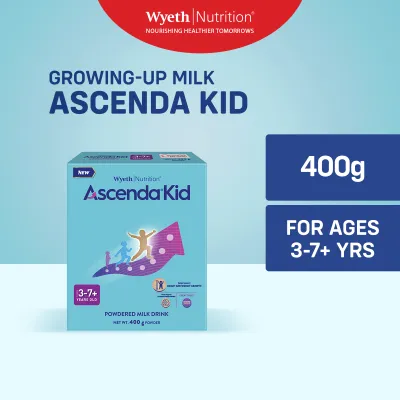
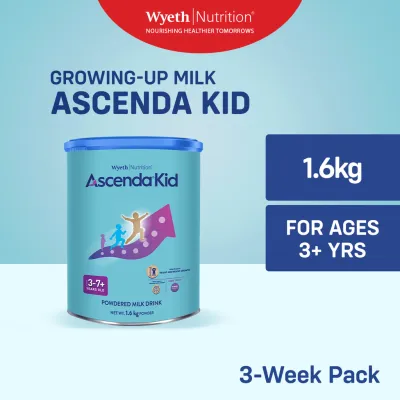
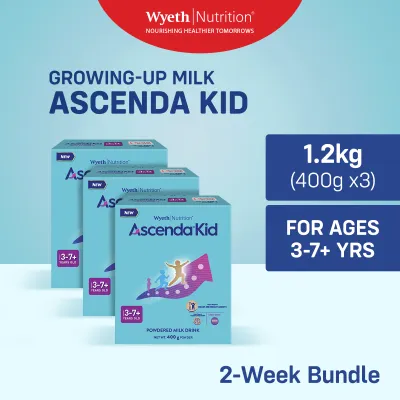
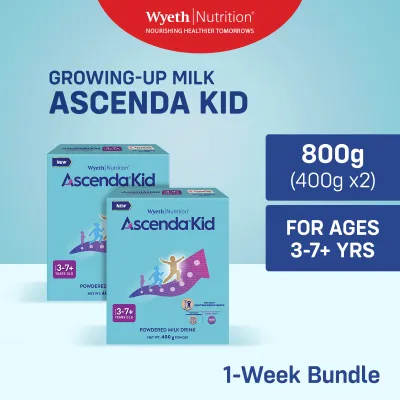
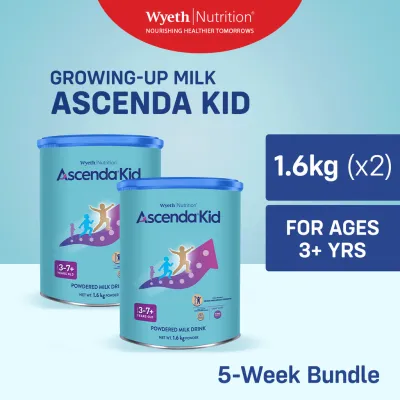
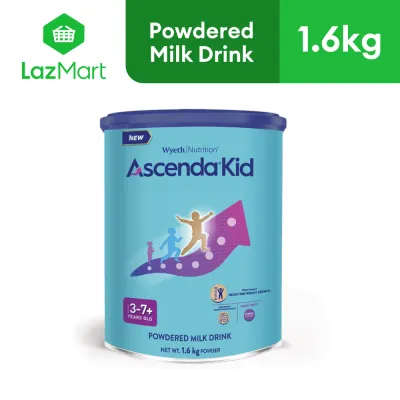
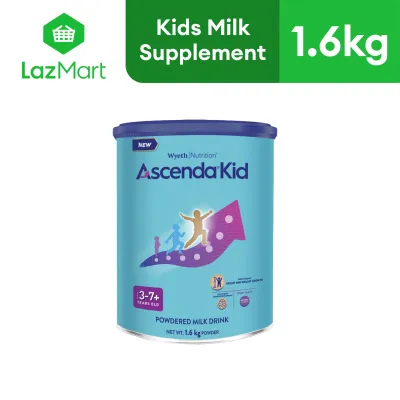
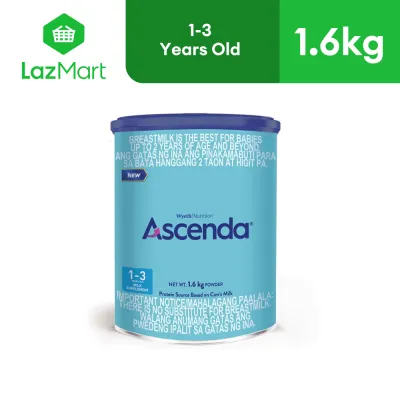
Prices are valid at publication and may change. Please refer to the product page for the latest price.
In contrast, Nido is generally positioned as a comprehensive, everyday nutritional supplement designed to support overall growth and daily immunity. It is a popular choice for parents seeking a balanced, family-friendly option that provides essential vitamins and minerals for active, school-aged children and toddlers. Its formulations typically emphasize a blend of micronutrients aimed at maintaining daily health and vitality.
NAN focuses heavily on digestive health, gut comfort, and gentle protein options. Many of its product lines feature specialized protein technologies, such as partially hydrolyzed proteins, which are designed to be easier on sensitive young tummies. This brand is often favored by parents whose children experience mild digestive issues, gas, or fussiness during feeding.
Enfagrow is highly associated with cognitive development and brain-supporting nutrients. Its marketing and formulations frequently highlight ingredients like DHA and ARA, which are essential building blocks for brain and eye development during the critical early years of growth. Parents who prioritize cognitive milestones and mental development often look to this brand’s product lines.
It is crucial to remember that these brand positions are general market focuses, and actual formulations vary significantly across different product lines and age stages. A brand’s toddler formula will have a completely different nutritional profile than its preschool version. Always check the specific packaging of the product stage that matches your child’s current age and weight before making a purchase.
Key Comparison Dimensions on the Nutrition Label
To make an objective comparison between Ascenda, Nido, NAN, and Enfagrow, you must look past the front-of-pack marketing claims and examine the nutritional facts panel and ingredient list on the back of the tin. This panel provides the exact quantities of macronutrients, vitamins, and minerals per serving, allowing you to compare products on an equal footing. Understanding how to interpret these numbers is the most reliable way to assess what your child is actually consuming.

When reviewing the ingredient list, pay close attention to the order of ingredients, as they are listed in descending order by weight. Look for the presence of functional additions such as specific prebiotic fibers, probiotic strains, and essential fatty acids. Additionally, check for potential allergens and the types of carbohydrates used, noting whether the formula contains added sugars like sucrose or corn syrup solids, which you may wish to limit based on pediatric advice.
Macronutrients and Essential Vitamins
Evaluating the baseline nutritional adequacy of a formula starts with comparing its protein, fat, and carbohydrate content per serving against standard pediatric dietary guidelines. Protein is essential for muscle development and tissue repair, while healthy fats provide the concentrated energy required for rapid growth. Ensure that the macronutrient ratios align with the recommendations for your child’s specific age group, as excessive protein intake or insufficient healthy fats can impact development.
Next, check the percentage of daily values for critical micronutrients, particularly calcium, iron, and zinc, on the packaging. Calcium is vital for developing strong bones and teeth, iron supports healthy blood cell production and cognitive function, and zinc plays a key role in immune system maintenance. If your child is a picky eater or has been identified as having specific nutritional gaps, look for a formula that offers a higher percentage of these essential minerals per serving.
If your child has specific nutritional deficiencies, a history of slow growth, or unique dietary requirements, always consult a pediatrician before choosing a high-calorie or specialized formula. A healthcare professional can help you determine the exact nutrient levels your child needs and prevent the risk of over-supplementation, which can strain a young child’s kidneys and digestive system.
Added Functional Ingredients
Many premium formulas differentiate themselves by including specialized functional ingredients designed to support specific aspects of development. Docosahexaenoic acid (DHA) and arachidonic acid (ARA) are omega-3 and omega-6 fatty acids, respectively, that support brain and visual development. When comparing brands, verify the exact quantities of DHA listed on the nutrition panel rather than relying solely on front-of-pack claims, as levels can vary widely between products.
Digestive support ingredients, such as prebiotics (like fructooligosaccharides or galactooligosaccharides) and specific probiotic strains, help cultivate a healthy gut microbiome. Other specialized additions, such as arginine and lutein, may be included to support bone growth and eye health. It is important to verify the specific strains and quantities of these ingredients on the label, as different strains offer different health benefits.
Keep in mind that the necessity of these added functional ingredients depends heavily on your child’s overall diet and health status. A child who regularly consumes a diverse diet rich in fish, vegetables, and fermented foods may not require highly fortified formulas. Assess your child’s daily food intake to determine whether these premium additions provide genuine value or unnecessary duplication.
Digestibility and Allergen Profiles
For children with sensitive stomachs or suspected food sensitivities, digestibility is a primary consideration when choosing a formula. Standard formulas are typically based on intact cow’s milk protein, which some children find difficult to digest. If your child experiences frequent gas, bloating, or mild spit-up, look for labels indicating partially hydrolyzed proteins, where the milk proteins have been broken down into smaller, easier-to-digest pieces.
It is also essential to scan the ingredient list for common allergens, including soy, wheat, gluten, and cow’s milk protein. If your child has a diagnosed lactose intolerance, you will need to verify the presence of lactose-free labeling on the packaging. Always check the manufacturer’s allergen warnings, which are typically printed near the ingredient list, to ensure the product was not processed on shared equipment with other allergens.
Please note that any suspected food allergy, severe digestive issue, persistent vomiting, or blood in the stool requires immediate medical evaluation by a qualified professional. You should never attempt to self-diagnose a milk protein allergy or switch to highly specialized hypoallergenic formulas without a pediatrician’s direct prescription and supervision, as improper management can lead to severe nutritional deficiencies.
Evaluating Price, Availability, and Value
While nutrition is the top priority, practical factors like cost and availability play a significant role in long-term feeding sustainability. To compare the financial value of Ascenda, Nido, NAN, and Enfagrow accurately, do not rely on the retail price of the tin alone. Instead, calculate the cost per serving in Philippine Pesos (₱) using a simple formula: divide the retail price of the tin by the total number of servings it yields, which is typically listed on the nutrition panel.
For example, if a tin costs ₱1,200 and provides 24 servings, the cost per serving is ₱50. Comparing this figure across different brands and tin sizes (such as 400g, 900g, or 1.2kg) will reveal which option offers the best value for your household budget. Often, larger tins or multi-packs offer a lower cost per serving, but you should verify that your child tolerates the formula well before purchasing bulk quantities.
Availability is another critical factor, especially in tropical regions where supply chains can occasionally experience disruptions. Ensure the formula you choose is consistently stocked at major local supermarkets, pharmacies, or official brand stores on reputable online marketplaces. Avoid purchasing formula from unauthorized third-party sellers or unverified online shops, as this increases the risk of acquiring counterfeit, improperly stored, or expired products that could compromise your child’s health. Always inspect the tin to ensure the safety seal is intact and the expiration date is clearly legible and valid.
Decision Framework: Matching the Formula to Your Child's Needs
To help you synthesize this information, use the following conditional framework to match a formula brand to your child’s specific profile, keeping in mind that all choices should be verified against the product label and discussed with your pediatrician:
- Choose Ascenda if: Your primary goal is to support physical growth, bone development, or catch-up growth for a child who has been identified as underweight or a picky eater, and you have verified that the calorie-dense formulation aligns with your pediatrician's recommendations.
- Choose Nido if: You are looking for a reliable, cost-effective, and comprehensive daily nutritional supplement to support overall growth, daily immunity, and active play for a child with no specific digestive sensitivities or growth delays.
- Choose NAN if: Your child has a sensitive stomach, experiences mild gas, fussiness, or digestive discomfort, and would benefit from a formula designed with easy-to-digest proteins and gut-supporting probiotics.
- Choose Enfagrow if: You want to focus on supporting cognitive milestones, brain development, and visual acuity during critical early learning stages, and you prefer a formula with verified levels of DHA and ARA.
- Verify first if: Your child was born prematurely, has a diagnosed medical condition, suffers from severe allergies, or exhibits signs of cow's milk protein allergy. In these cases, standard commercial formulas may not be suitable, and you must seek a specialized prescription from your pediatrician.
Safe Transitioning and Monitoring Guidelines
When switching your child from one formula brand to another, a sudden change can shock their digestive system, leading to temporary constipation, diarrhea, gas, or refusal to drink. To prevent digestive upset, always use a gradual transition method over several days. This involves mixing the old and new formula powders in separate bottles or gradually adjusting the ratio of old to new formula within the same feed, depending on your pediatrician’s preferred method.
A standard transition schedule typically spans four to six days. On days one and two, offer a mixture of 75% of the old formula and 25% of the new formula. On days three and four, move to a 50/50 split. On days five and six, transition to 25% of the old formula and 75% of the new formula, before moving entirely to the new brand on day seven. This slow adjustment allows your child’s digestive enzymes and taste buds to adapt comfortably.
During the transition, closely monitor your child for observable signs of a successful adjustment, which include a consistent appetite, normal stool consistency (soft and formed), and the absence of skin rashes or unusual fussiness. If you observe stop conditions—such as persistent vomiting, severe diarrhea, blood in the stool, hives, facial swelling, or extreme lethargy—halt the transition immediately, revert to the previous safe feeding method, and consult your pediatrician right away.
Frequently Asked Questions (FAQ)
Can I mix different formula milk brands in one bottle?
Mixing two different formula milk brands or different product stages in a single bottle for a single feed is generally discouraged by pediatricians and manufacturers. Each formula is scientifically calibrated with a specific ratio of powder to water to ensure proper hydration and nutrient absorption. Combining different powders can alter the concentration of nutrients, potentially overloading your child’s kidneys or causing severe digestive distress. If you are transitioning between brands, it is safer to offer the old and new formulas in separate, distinct feeding sessions throughout the day rather than mixing them in the same bottle, unless specifically instructed otherwise by a healthcare professional.
How do I know if my child is allergic to a specific formula?
It is important to distinguish between mild, temporary digestive adjustments and a true allergic reaction, such as cow’s milk protein allergy (CMPA). A true allergic reaction typically involves systemic symptoms, which may include immediate hives, swelling of the lips or face, wheezing, persistent vomiting, severe eczema, or blood and mucus in the stool. In contrast, mild gas, temporary changes in stool color or consistency, or slight fussiness are often normal signs of a child’s digestive system adapting to a new formula. If you observe any systemic or severe symptoms, do not attempt to switch to another commercial formula on your own; instead, seek an immediate professional medical diagnosis from a pediatrician to ensure your child’s safety.
Community discussion
Share your experience or ask a question. Comments are reviewed before publication.