
Choosing the right formula milk for your baby is one of the most significant decisions you will make as a parent. With prominent options like S-26 Promil, Nido, NAN, and Enfagrow lining the shelves of local supermarkets and pharmacies, the sheer volume of choices can feel overwhelming. The truth is that no single brand holds a universal title as the absolute ideal option for every infant.
Instead, the ideal choice depends entirely on your baby’s specific age, digestive tolerance, and unique developmental milestones. Because manufacturers frequently update their formulations and offer distinct product lines, you must learn how to read physical label specifications, observe your baby’s daily reactions, and partner closely with your pediatrician. This guide provides a practical framework to help you compare these options systematically.
Understanding Your Baby's Specific Formula Needs
Before comparing the ingredient lists of S-26 Promil, Nido, NAN, or Enfagrow, you must first establish a clear picture of your baby’s current developmental and physiological state. The most fundamental starting point is your baby’s exact age in months. Formula milk is meticulously designed to match specific growth phases, and using a stage that does not align with your child’s age can lead to nutritional imbalances.
Products mentioned in this guide
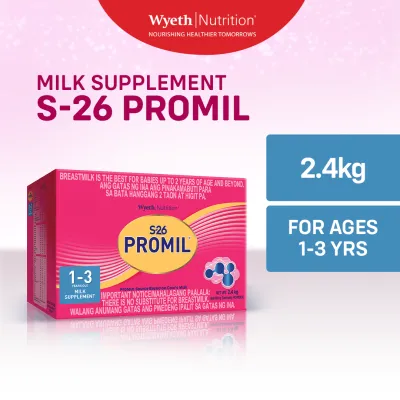
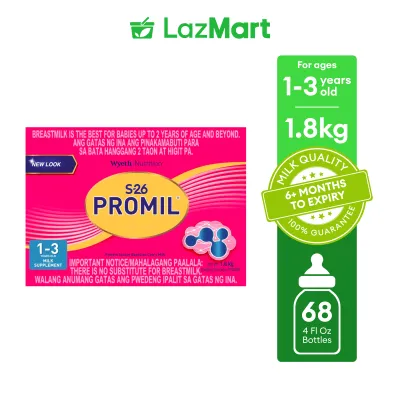
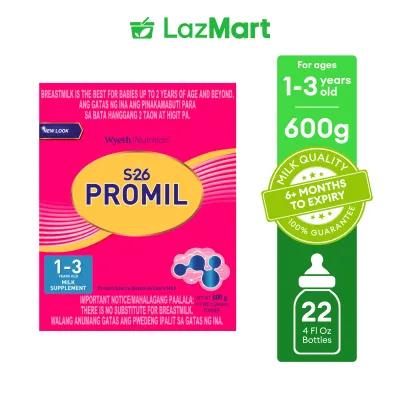
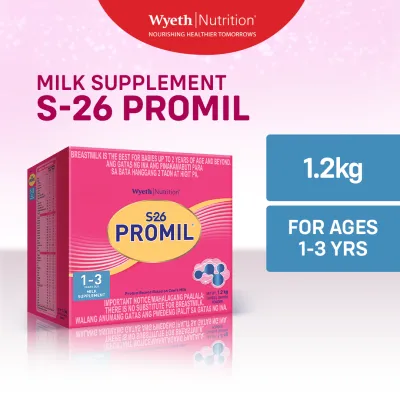

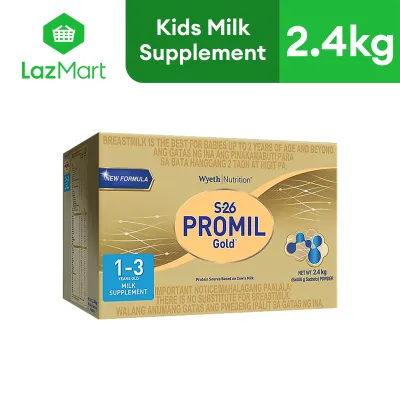

Prices are valid at publication and may change. Please refer to the product page for the latest price.
Next, observe your baby for any signs of digestive sensitivities. Common issues such as lactose intolerance, cow’s milk protein allergy, or frequent acid reflux require careful consideration. Standard formulas may exacerbate these conditions, meaning your child might require a specialized or partially hydrolyzed alternative rather than a mainstream product.
Always remember that a pediatrician’s professional recommendation must override general brand comparisons or marketing claims. If your baby has specific medical needs, a history of allergies, or struggles with steady weight gain, your doctor will prescribe a targeted formulation. Use this comparative guide as a tool for healthy, typically developing babies, while relying on medical experts for any therapeutic feeding plans.
Comparing Key Nutritional Profiles on the Label
When you stand in the baby care aisle, the nutrition facts panel on the back of the tin is your most reliable source of truth. Exact milligram amounts of vitamins, minerals, and bioactive compounds vary significantly by stage and specific product line. Rather than relying on front-of-pack marketing slogans, you must examine the physical label to verify what your baby is actually consuming.

When comparing S-26 Promil, Nido, NAN, and Enfagrow, look closely at the core additions rather than just the base milk content. While all standard formulas provide essential proteins, fats, and carbohydrates, brands differentiate themselves through proprietary blends of prebiotics, fatty acids, and structured lipids.
Keep in mind that a higher quantity of a specific nutrient does not automatically translate to better development. The human body requires a delicate balance of nutrients, and the bioavailability—how easily your baby’s digestive system can absorb and utilize these compounds—is far more critical than raw numbers. Focus on balanced formulations that support overall wellness rather than chasing the highest milligram count.
Brain, Eye, and Cognitive Development
To evaluate how a formula supports your baby’s neurological and visual progress, turn the can to the ingredient list and search for key fatty acids. Specifically, look for Docosahexaenoic Acid (DHA), Arachidonic Acid (ARA), and Lutein. These compounds are integral structural components of the developing brain and retina, particularly during the first few years of rapid growth.
Check whether the manufacturer specifies the source of these fatty acids on the packaging. High-quality sources and stable processing methods help preserve these delicate lipids from oxidation.
Additionally, verify that the DHA and ARA levels listed on the panel align with standard pediatric recommendations for your baby’s specific age group. Different stages require different ratios of these cognitive building blocks, so ensure the product you select matches the developmental demands of your child’s current month or year.
Immunity, Gut Health, and Digestion
A baby’s immune system is closely linked to their gut microbiome, making digestive support a primary consideration when comparing brands. Scan the ingredient list for prebiotics, such as Galacto-oligosaccharides (GOS) and Fructo-oligosaccharides (FOS), as well as specific probiotic strains like Bifidobacterium lactis or Lactobacillus reuteri. These beneficial components help cultivate healthy gut bacteria, which in turn supports natural defenses.
Beyond prebiotics, check the label for nucleotides and examine the whey-to-casein protein ratio. A higher ratio of whey protein is generally easier for young infants to digest, mimicking the protein structure of natural breast milk and promoting softer stool consistency.
Regardless of the impressive scientific terms printed on the packaging, you must monitor your baby’s actual digestive response. Watch for signs of comfort, such as regular, soft bowel movements and minimal gassiness, as these physical cues are the ultimate test of whether a specific formulation agrees with your baby’s unique digestive tract.
Bone, Muscle, and Overall Physical Growth
Physical growth requires a steady supply of essential macronutrients and minerals. When comparing S-26 Promil, Nido, NAN, and Enfagrow, locate the mineral section on the nutrition facts panel and compare the listed amounts of Calcium, Iron, Zinc, and Vitamin D per serving. These elements work synergistically; for instance, Vitamin D is crucial for the efficient absorption of Calcium into growing bones.
Next, evaluate the protein content to ensure it aligns with your baby’s age-appropriate daily requirements. Too little protein can hinder muscle development, while an excessive amount can place unnecessary strain on a young infant’s developing kidneys.
Look also for added vitamins, such as Vitamin C, which supports cellular health and significantly enhances the absorption of dietary iron. Ensuring these micronutrients are present in balanced, age-appropriate ratios supports steady height and weight progression.
Evaluating Stage Options and Age Appropriateness
Formula brands categorize their products into sequential stages to match a child’s evolving nutritional needs. While S-26 Promil, Nido, NAN, and Enfagrow all offer staged options, their numbering systems and target age ranges can differ. For example, Stage 1 is typically formulated for newborns up to six months, Stage 2 covers six to twelve months, and Stage 3 and Stage 4 cater to toddlers and older children. You must carefully read the front label of each brand to ensure you are purchasing the correct stage for your baby’s exact age.
As babies transition to solid foods, their nutritional requirements shift dramatically. Stage 2 and Stage 3 formulas adjust their nutrient concentrations—often increasing iron and calcium levels—to complement a mixed diet of solids and milk. Using an incorrect stage can result in your baby receiving too much or too little of these critical nutrients.
Always consult your pediatrician before transitioning your baby to the next stage, or if you observe signs of developmental readiness earlier or later than the age guidelines printed on the tin. A professional assessment ensures your baby’s digestive system is mature enough to handle the altered nutrient densities of the next stage.
Assessing Price, Preparation, and Availability
Managing the household budget requires a practical approach to calculating the true cost of formula feeding. Instead of simply comparing the retail price of different can sizes, you should calculate the cost per serving. To do this, divide the price of the can by the total number of scoops it contains, which gives you a clearer picture of your ongoing daily expenses.
Pay close attention to the preparation instructions, specifically the required water-to-powder ratio and the physical size of the measuring scoop. Some brands utilize larger scoops or require more powder per fluid ounce of water, meaning a single can will be consumed much faster than a similarly sized can from a competitor.
Additionally, consider the long-term availability of the brand in your local area. Ensure the specific formula you choose is consistently stocked in nearby supermarkets, pharmacies, or authorized online marketplaces. Abruptly switching brands because of local stock shortages can upset your baby’s digestive system, making a reliable, easily accessible supply chain a vital factor in your decision.
Decision Framework: Which Brand Fits Your Baby?
To narrow down your choices among S-26 Promil, Nido, NAN, and Enfagrow, apply a systematic decision framework based on observable product characteristics and your baby’s specific profile. If your primary focus is on supporting a sensitive digestive system, prioritize formulas that feature a high whey-to-casein ratio, partially hydrolyzed proteins, or specific probiotic strains on their ingredient lists.
If your family has a history of allergies, eczema, or asthma, adopt a strict verification structure. Look for hypoallergenic or specialty options within these brand families, and do not introduce them without explicit medical clearance.
Ultimately, the most expensive or highly marketed formula is not guaranteed to be the best fit for your household. Your final decision must be validated by your baby’s actual physical response: consistent, age-appropriate weight gain, active and alert behavior, comfortable digestion, and the formal approval of your pediatrician during regular check-ups.
Frequently Asked Questions (FAQ)
Can I mix two different formula brands in the same bottle?
You should avoid mixing two different formula brands or different stages within the same bottle. Each brand and stage utilizes a unique scoop size and a specific water-to-powder ratio designed to achieve a precise concentration of nutrients. Mixing them can alter the osmolarity of the feed, potentially leading to severe digestive distress, dehydration, or unnecessary strain on your baby’s developing kidneys. If you need to transition your baby from one brand to another, do so gradually by replacing entire feeds one bottle at a time over several days, rather than blending the powders together in a single serving.
How do I know if my baby needs a specialized formula instead of these standard brands?
Standard cow’s milk-based formulas are suitable for most healthy infants, but some babies require specialized alternatives. Watch for clear physical indicators such as severe eczema, blood or mucus in the stool, persistent projectile vomiting, excessive gassiness accompanied by inconsolable crying, or a flatlining growth curve. These symptoms can indicate a cow’s milk protein allergy or severe lactose intolerance. Specialized formulas, such as hypoallergenic, soy-based, or lactose-free options, require a formal medical diagnosis and a doctor’s prescription. If you observe any of these warning signs, stop using the standard formula immediately and consult your pediatrician.
Is a more expensive formula always better for my baby's development?
A higher price tag does not guarantee superior nutritional quality or better developmental outcomes for your baby. All commercially available infant formulas sold in authorized retail outlets must comply with strict national and international food safety and nutritional standards. The price differences you observe on supermarket shelves often stem from extensive marketing campaigns, premium packaging designs, or proprietary, patented ingredient blends rather than essential nutritional superiority. When choosing a formula, focus on how well your baby tolerates the product, their steady physical growth, and the specific ingredients recommended by your pediatrician, rather than the retail price.

Community discussion
Share your experience or ask a question. Comments are reviewed before publication.