
Choosing the right toddler milk for your growing child can feel overwhelming when standing in the supermarket aisle. As children transition from infancy to early childhood, their nutritional needs shift dramatically, and milk becomes a supplement to an increasingly solid-food-based diet rather than the primary source of nourishment. If you are comparing S-26 Promil, Nido, and Enfagrow, you are likely looking for the ideal balance of cognitive support, physical growth nutrients, and digestive comfort.
While there is no single “best” formula for every child, the right choice depends on your toddler’s specific dietary gaps, physical development, and how well they digest different formulations. When looking at options like s26 promil 1 to 3 years old, parents must evaluate key ingredients, sugar content, and preparation instructions directly on the physical packaging. Always consult your pediatrician before introducing or switching toddler formulas to ensure the choice aligns with your child’s health profile.
Quick Guide: Which Formula Fits Your Toddler Best?
To help you navigate the options available in local supermarkets and online marketplaces, it is helpful to look at the general market positioning of each brand. These classifications are not absolute guarantees of performance, but they show where each manufacturer focuses its nutritional formulation.
Products mentioned in this guide
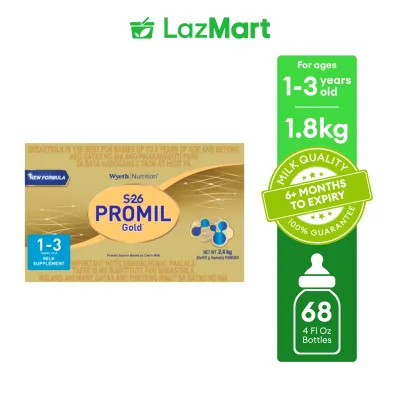
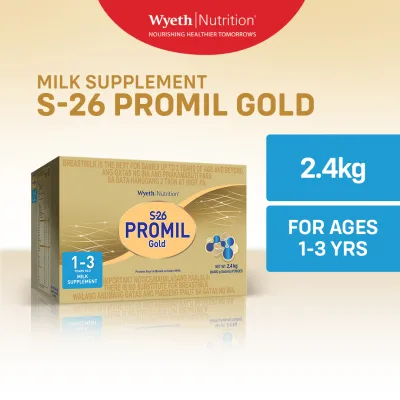
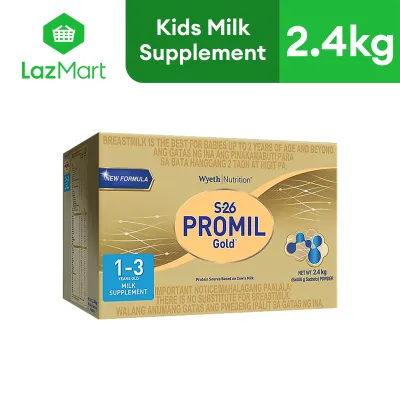
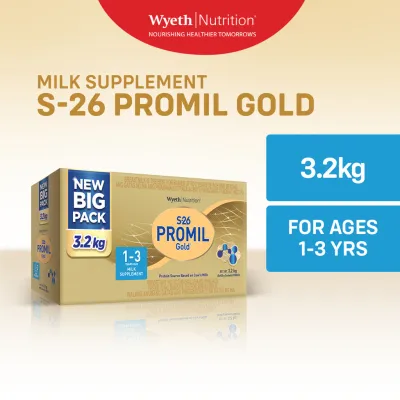
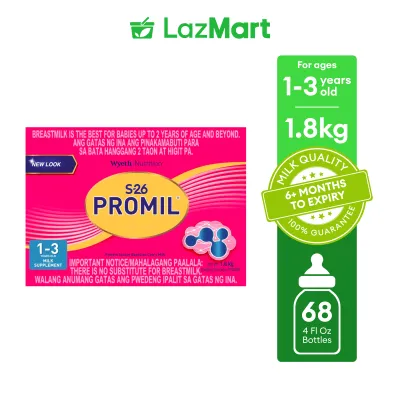
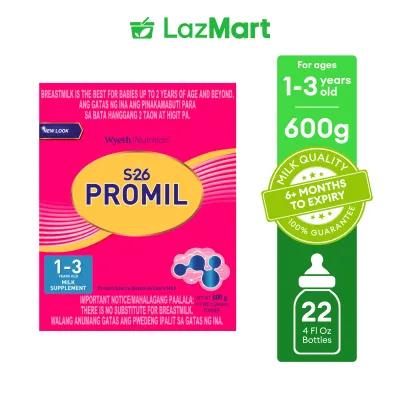
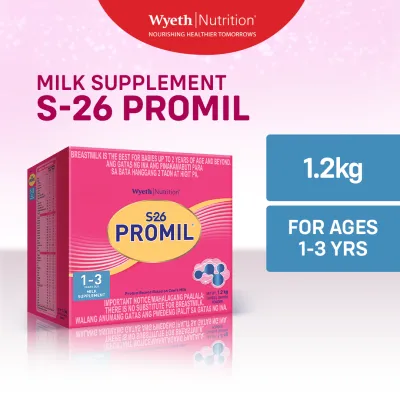
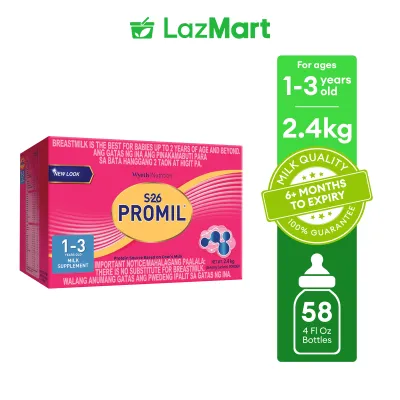
Prices are valid at publication and may change. Please refer to the product page for the latest price.
- Choose S-26 Promil if you are looking for a formula that heavily emphasizes cognitive and visual development nutrients. This brand is widely recognized for its focus on ingredients like DHA, lutein, and choline, which support brain and eye health during these highly active learning years.
- Choose Nido if you want a reliable, daily fortified milk drink that prioritizes bone development, immune support, and everyday physical growth. It is often positioned as an accessible, family-friendly option that provides essential vitamins and minerals like calcium, vitamin D, and iron for active, growing toddlers.
- Choose Enfagrow if you are seeking a premium formulation that combines advanced brain-support nutrients with immune-system-boosting ingredients. Enfagrow frequently highlights components like DHA and specialized lipid structures, such as Milk Fat Globule Membrane (MFGM), alongside prebiotics to support both cognitive milestones and gut health.
Ultimately, your child’s unique dietary gaps, taste preferences, and digestive tolerance will determine the ideal fit. Because manufacturers update their formulations periodically, you must always verify the current nutritional facts, ingredient lists, and age recommendations on the physical product label before making a purchase. Remember that toddler milk is designed to supplement a balanced diet of solid foods, not to replace regular meals.
Core Nutritional Needs for 1 to 3 Year Olds
Between the ages of one and three, toddlers undergo rapid physical and cognitive changes. During this stage, their primary source of nutrition should transition from breast milk or infant formula to a varied diet of solid foods. Toddler milk drinks serve as a nutritional safety net, helping to fill common dietary gaps that can occur during picky eating phases or rapid growth spurts.

When evaluating any toddler formula, you should look beyond the marketing claims on the front of the tin and examine the nutritional information panel for several critical components:
- Calcium and Vitamin D: Essential for building strong bones and teeth, which is particularly vital as toddlers begin walking, running, and exploring their environment.
- Iron: Crucial for healthy brain development and preventing iron-deficiency anemia, a common concern in growing toddlers who may not consume enough iron-rich solid foods.
- DHA and ARA: Omega-3 and Omega-6 fatty acids that play a key role in the ongoing development of the brain and retinas.
- Prebiotics and Probiotics: Specialized fibers and live beneficial bacteria that support a healthy gut microbiome, which is essential for comfortable digestion and overall immune function.
Another vital factor to monitor is the presence of added sugars and flavorings. Many toddler milks contain sucrose, corn syrup solids, or added flavors like vanilla or honey to appeal to young palates. However, pediatricians generally recommend choosing plain, low-sugar, or no-added-sucrose options to prevent your child from developing an early preference for overly sweet beverages, which can impact their long-term dietary habits and dental health.
Evaluating S-26 Promil 1 to 3 Years Old: Focus Areas and Label Checks
When researching s26 promil 1 to 3 years old, you will find that its market positioning is deeply rooted in supporting early cognitive and visual milestones. The brand frequently emphasizes its specific blend of nutrients designed to work together during this critical stage of rapid brain growth.
When holding a tin of S-26 Promil, turn the package to inspect the specific ingredient list and nutritional values. Look closely at the levels of DHA, lutein, and choline per serving. Lutein is an antioxidant that filters blue light and supports retinal health, while choline is essential for memory and cognitive function. Rather than relying on general advertising, compare the exact milligrams of these nutrients per 100 grams of powder to see how they align with your child’s daily needs.
In addition to cognitive nutrients, check the carbohydrate sources listed on the label. Verify whether the formula uses lactose as its primary carbohydrate or if it includes other sugars like maltodextrin or sucrose. If your toddler has a sensitive stomach or a known sensitivity, checking the protein source and allergen warnings is critical. S-26 Promil labels will clearly state if the product contains potential allergens such as milk, soy, or fish oil (the source of DHA).
Practical usage is also an important factor to consider. Read the manufacturer’s mixing instructions carefully, as scoop sizes and water-to-powder ratios vary. In the warm, humid climate of the Philippines, it is vital to store the opened tin in a cool, dry place and use the contents within the manufacturer’s recommended timeframe (usually four weeks) to prevent spoilage or clumping.
Evaluating Nido: Focus Areas and Label Checks
Nido is a household name in the Philippines, widely recognized as an accessible and practical option for growing children. It is typically categorized as a fortified powdered milk drink rather than a specialized toddler formula, making it important to understand its specific role in your child’s diet.
When assessing Nido variants designed for toddlers aged 1 to 3, look closely at the fortification levels on the label. These products are generally formulated to support physical growth and immune defense, often featuring a blend of vitamins A, C, and E, along with zinc and selenium. The calcium and vitamin D content per serving is usually robust, aiming to support the rapid skeletal development that occurs during these active years.
It is essential to read the fine print on the packaging to understand the product’s classification. A “powdered milk drink” may have different regulatory standards and nutritional profiles compared to a specialized “toddler formula.” For instance, the protein and fat ratios might resemble whole cow’s milk more closely than a highly modified formula.
Additionally, pay close attention to the sugar and flavoring profile on the Nido label. Some variants may contain added sucrose, maltodextrin, or flavorings to enhance taste. If you prefer to limit your child’s intake of added sugars, search for plain, unflavored options, or consult your pediatrician to determine if the sugar level in a specific variant is appropriate for your toddler’s daily diet and dental health.
Evaluating Enfagrow: Focus Areas and Label Checks
Enfagrow is positioned as a premium toddler milk option, with a strong emphasis on scientific research regarding brain development and immune system support. When evaluating Enfagrow for your 1-3 year old, you will notice a significant focus on its DHA levels and its inclusion of specialized lipid components.
One of the key ingredients often highlighted in Enfagrow is Milk Fat Globule Membrane (MFGM), a complex structure of proteins and lipids that surrounds fat droplets in milk. Some clinical observations suggest that MFGM, when combined with DHA, supports cognitive development and immune health. When reviewing the label, verify the presence and exact concentration of MFGM and DHA per serving to ensure you are getting the specific formulation you expect.
Check the protein and carbohydrate profile on the Enfagrow label as well. Many premium toddler formulas utilize a blend of prebiotics, such as polydextrose and galactooligosaccharides (GOS), to promote soft stools and support gut-associated immunity. If your toddler experiences frequent digestive discomfort, constipation, or loose stools, these prebiotic fibers are important elements to verify on the physical packaging.
To make an accurate comparison, always check the recommended serving size and the exact water-to-powder ratio on the Enfagrow tin. Because scoop sizes can vary significantly between brands, comparing the nutrient density per 100ml of prepared milk, rather than just per scoop, will give you a much more accurate picture of what your toddler is consuming with each feed.
How to Compare Labels, Servings, and Daily Costs
To make an informed and economical decision, parents need a practical, systematic way to compare these three brands beyond their marketing claims. Because packaging sizes, scoop volumes, and preparation instructions differ, comparing prices per tin can be highly misleading. Instead, you should calculate the true cost per serving and the actual nutrient density of each option.
To calculate the daily cost of each formula in the Philippines, follow these steps:
- Find the net weight of the tin (e.g., 800g, 1.2kg) and its current retail price in Philippine Pesos (₱).
- Determine the weight of a single scoop of powder, which is always listed in the preparation instructions on the back of the tin.
- Calculate the number of scoops required per serving (usually 3 to 5 scoops, depending on the brand).
- Multiply the scoop weight by the number of scoops per serving to find the total grams of powder used per bottle.
- Divide the total net weight of the tin by the grams per serving to find the total number of servings per container.
- Divide the retail price of the tin by the total number of servings to get the cost per serving.
- Multiply the cost per serving by the number of servings your child drinks daily (typically 2 to 3) to find your daily feeding cost.
When comparing nutrient density, do not simply compare the nutrient values per 100g of powder. Instead, look at the nutrient levels per 100ml of prepared formula. This accounts for the different water-to-powder ratios required by each brand. For example, a formula that appears to have higher DHA per 100g of powder might actually deliver less DHA per cup if it requires a more diluted preparation ratio.
Keep in mind that prices in the Philippines can fluctuate based on promotions, bulk buying options, or whether you purchase from local supermarkets or authorized online flagship stores. While budget is a highly practical consideration for Filipino families, the best value is ultimately the product that effectively addresses your toddler’s specific nutritional needs without causing digestive issues or introducing excessive added sugars.
Frequently Asked Questions (FAQ)
Can I mix different brands of toddler formula?
It is highly recommended that you do not mix different brands of toddler formula in the same bottle. Each brand is formulated with a specific scoop size designed to be dissolved in a precise volume of water to achieve the correct nutrient and water balance. Mixing powders can lead to improper dilution, resulting in a drink that is either too concentrated, which strains your toddler’s kidneys and digestive system, or too diluted, which deprives them of essential nutrients. If you are transitioning your child from one brand to another, do so gradually by alternating separate feeds of the old and new formula over several days, while closely monitoring your child for any signs of digestive discomfort.
Is toddler formula necessary if my child eats solid foods well?
Toddler formula is not strictly necessary if your child is healthy, growing well, and consuming a diverse, nutrient-dense diet of solid foods. If your toddler regularly eats a balanced variety of fruits, vegetables, proteins, healthy fats, and iron-rich foods, and drinks whole cow’s milk (with your pediatrician’s approval), they are likely meeting all of their nutritional requirements. Toddler formulas are primarily designed as a convenient nutritional safety net. They are highly beneficial for picky eaters, children going through growth spurts with high energy demands, or those with specific dietary restrictions that make it difficult to get adequate vitamins and minerals from solid foods alone.
How do I know if my toddler is allergic to a specific formula?
Identifying a formula intolerance or allergy requires careful observation of your child after feeding. Common signs of an adverse reaction or sensitivity include persistent skin rashes or hives, frequent vomiting, chronic diarrhea, excessive gas, severe abdominal pain (often presenting as intense fussiness or crying after meals), or respiratory symptoms like wheezing. If you observe any of these signs, stop using the formula immediately and consult your pediatrician. They can help diagnose whether the reaction is due to a milk protein allergy, lactose intolerance, or another dietary sensitivity, and recommend a safe, suitable alternative.

Community discussion
Share your experience or ask a question. Comments are reviewed before publication.