
Selecting the right milk for a growing child is a pivotal step during the transition from infancy to early childhood. When evaluating popular options such as Nido, NAN, Enfagrow, or even a promil 1 to 3 years old formula, parents must navigate a complex landscape of nutritional claims and dietary needs. There is no single “best” formula for every toddler, as each brand targets distinct developmental priorities.
To simplify the decision, parents can match the formula to their child’s specific physical and digestive profile:
- Choose Nido if your toddler requires a budget-friendly, calorie-dense milk with a familiar, creamy taste to support active physical play and general weight gain.
- Choose NAN if your child has a sensitive digestive system, is prone to mild colic or gas, and benefits from specialized protein blends designed for easy digestion.
- Choose Enfagrow if your primary focus is supporting cognitive development, visual acuity, and language skills through highly fortified DHA and phospholipid blends.
While these brand profiles serve as a practical starting point, individual pediatric advice and your child’s unique health history must always guide your final choice. A pediatrician can assess your child’s growth curve, identify potential food sensitivities, and recommend the exact nutritional path required. The following sections break down how these formulas compare across key areas like nutrition, gut health, mixability, and long-term cost.
Products mentioned in this guide
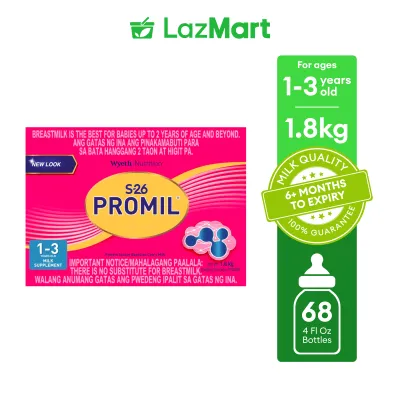
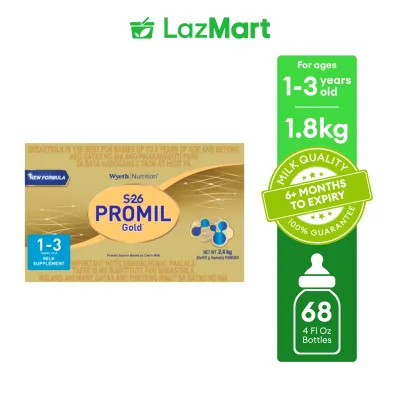
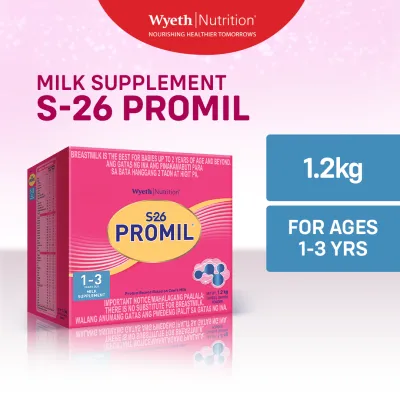

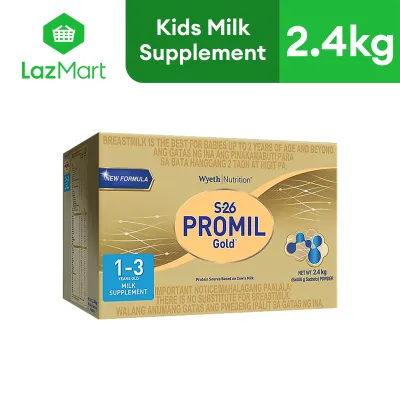


Prices are valid at publication and may change. Please refer to the product page for the latest price.
Nutritional Breakdown: Brain, Immunity, and Physical Growth
As toddlers transition from a primarily liquid diet to solid foods, their nutritional requirements change dramatically. Toddler formulas, often categorized as stage 3 or growing-up milks, are designed to fill the nutritional gaps that can occur when a child becomes a picky eater. Examining the core nutritional philosophy of each brand helps clarify how they support different aspects of development.
Brain and Eye Development Cognitive growth during the first three years of life is exceptionally rapid, prompting many brands to focus heavily on brain-supporting nutrients. Enfagrow is widely recognized for its emphasis on Docosahexaenoic Acid (DHA) and Milk Fat Globule Membrane (MFGM), which are structural components of brain cells. When comparing this to NAN and Nido, parents will find that while NAN also includes DHA, Nido typically offers a more standard, baseline level of essential fatty acids. Parents should examine the nutrition facts panel on each tin to verify the specific sources of DHA and check if the ratios align with their pediatrician’s recommendations for cognitive support.
Immunity and Defense A toddler’s immune system faces constant challenges as they begin to explore their environment and interact with other children. NAN focuses its nutritional strategy on gut-associated immunity, often incorporating specific probiotic strains and prebiotic fibers designed to strengthen the natural intestinal barrier. In contrast, Nido approaches immune support through robust fortification with classic micronutrients, including high levels of Vitamin C, Zinc, and Iron. These minerals are essential for maintaining healthy blood oxygen levels and supporting the body’s natural defense mechanisms during active daily play.
Bone and Muscle Growth Physical milestones like walking, running, and climbing require a steady supply of energy and structural building blocks. Nido is traditionally formulated to support these rapid physical changes, offering a higher caloric density per serving along with substantial levels of calcium, vitamin D, and protein. This makes it a popular choice for children who are highly active or those who need to maintain steady physical growth. NAN and Enfagrow also provide essential bone-building nutrients, but their formulations are often more balanced toward overall systemic development rather than pure physical bulk.
To ensure the chosen formula complements your child’s daily meals, always read the nutrition label carefully. Look at the serving size, the sugar content, and the percentage of daily recommended values for key vitamins. If your toddler is already eating a diverse selection of meats, vegetables, and fruits, a highly fortified milk may not be as critical as it would be for a child who refuses solid foods.
Digestion and Tummy Comfort: Prebiotics and Gut Health
Digestive comfort is a primary concern for parents, as transitioning to a new toddler milk can sometimes trigger temporary digestive changes. Constipation, loose stools, and abdominal gas are common issues when a toddler’s gut adapts to different protein structures and carbohydrate sources. Understanding how each brand handles digestive health can prevent unnecessary discomfort.

Prebiotics and Probiotics The presence of dietary fibers and beneficial bacteria plays a crucial role in maintaining bowel regularity and soft stools. NAN often features specialized probiotic cultures, such as Bifidobacterium lactis, alongside prebiotic oligosaccharides designed to mimic the beneficial effects found in natural gut flora. Enfagrow frequently includes prebiotic blends like polydextrose and galactooligosaccharides (GOS) to support the growth of healthy gut bacteria. Nido, depending on the specific product variant, may rely on more basic prebiotic fibers or focus primarily on standard vitamins without active live cultures, making it essential to verify the exact ingredient list on the packaging.
Lactose and Sweeteners The type of carbohydrates used in a formula significantly impacts both digestion and long-term taste preferences. Lactose is the primary natural sugar found in milk and serves as an excellent energy source for most toddlers. However, some toddler milks incorporate additional sweeteners, maltodextrin, or flavorings like vanilla and honey notes to enhance palatability. While these additions can make the milk highly appealing to picky eaters, they can also influence stool consistency and potentially encourage a preference for overly sweet foods. Parents should check the label to see if sucrose or corn syrup solids are listed near the top of the ingredient deck.
Observation Guide When introducing a new formula, monitor your child’s digestive response over a two-week period. Keep a daily log of the following signs:
- Stool Consistency: Look for soft, formed stools; persistent hard pellets or watery diarrhea indicate that the formula may not agree with their system.
- Abdominal Bloating: Note any unusual firmness in the tummy, excessive flatulence, or crying during or shortly after feeding.
- Spit-up and Reflux: Watch for frequent spitting up or signs of acid discomfort, which could suggest a sensitivity to the protein size or fat blend.
Taste, Mixability, and Toddler Acceptance
Even the most nutritionally advanced formula is of little use if a toddler refuses to drink it. Taste preferences become highly pronounced between the ages of one and three, making flavor and texture critical factors in brand selection. Additionally, the ease of preparation affects the daily routine of busy caregivers.
Flavor Profiles Nido is widely known for its rich, creamy, and traditional dairy flavor, which closely resembles whole cow’s milk. This familiar taste profile generally makes it highly acceptable to toddlers who enjoy rich dairy flavors. NAN, particularly its specialized or partially hydrolyzed variants, can have a slightly more neutral or distinct taste that some toddlers may take time to accept. Enfagrow often features a mild vanilla flavor or a slightly sweetened profile designed to appeal directly to toddlers, which can be highly effective for children who reject plain milk.
Mixability and Solubility In the warm and humid climate of the Philippines, milk powders can absorb moisture quickly, leading to clumping during preparation. Nido generally dissolves easily in warm water, though it can leave a slight residue if mixed in cold water. NAN powders are typically very fine and dissolve rapidly with minimal shaking, leaving little to no clumps. Enfagrow powders can sometimes require more vigorous shaking or slightly warmer water to dissolve completely, occasionally leaving a small amount of foam or undissolved particles at the bottom of the bottle.
Transition Tips To minimize the risk of rejection or digestive upset, transition between formulas gradually over several days.
- Days 1 to 3: Mix 75% of the old formula with 25% of the new formula in the same bottle.
- Days 4 to 6: Use a 50/50 ratio of the old and new formulas.
- Days 7 to 9: Mix 25% of the old formula with 75% of the new formula.
- Day 10 onward: Transition completely to the new formula.
Always prepare each portion according to its specific scoop-to-water ratio before mixing them together, and never add unauthorized sweeteners, cereals, or thickeners to the bottle without explicit pediatric approval.
Price and Value: Calculating Cost per Serving in the Philippines
Managing household expenses is a key priority for Filipino families, and toddler milk represents a recurring monthly cost. Comparing the financial impact of these brands requires looking beyond the shelf price of a single tin and calculating the actual cost per serving.
Packaging Formats Toddler formulas in the Philippines are widely available in two main formats: rigid metal tins and cardboard boxes containing foil refill pouches. Refill pouches are highly popular because they are generally more economical and generate less packaging waste. You can find these formats across local supermarkets, neighborhood drugstores, and major online marketplaces. To maintain freshness in tropical humidity, always transfer the contents of opened foil pouches into clean, airtight containers immediately.
Cost per Serving Guide To determine which brand offers the best value for your budget, use this simple formula to calculate the exact cost per 200ml serving based on current local shelf prices:
- Find the Cost per Gram: Divide the total price of the pack (₱) by the net weight in grams. For example, a ₱900 pack weighing 900 grams costs ₱1.00 per gram.
- Determine Grams per Serving: Check the preparation instructions on the back of the pack to find the weight of one scoop and the number of scoops required for a standard 200ml glass.
- Calculate Serving Cost: Multiply the cost per gram by the total grams of powder needed for one serving.
Using this method allows you to compare the true economic impact of Nido’s budget-friendly options against the premium pricing of NAN and Enfagrow.
Value Assessment While specialized formulas like NAN and Enfagrow carry a higher price tag due to their advanced processing and proprietary nutrient blends, they may be necessary if your child requires specific digestive support or targeted cognitive nutrients. If your toddler is a robust eater who easily meets their developmental milestones through regular family meals, a standard, budget-friendly growing-up milk like Nido provides excellent value without unnecessary strain on the household budget.
Where Promil 1 to 3 Years Old Fits in the Toddler Milk Landscape
When discussing toddler nutrition in the Philippines, Wyeth’s Promil line is a prominent name that frequently enters the conversation alongside Nido, NAN, and Enfagrow. Understanding where a promil 1 to 3 years old option fits within this landscape helps parents make a more comprehensive comparison.
Naming Conventions and Stages It is crucial for parents to distinguish between different product stages to ensure they are purchasing an age-appropriate formulation. For toddlers aged one to three, the relevant products are typically labeled as Stage 3 or Stage 4, such as Promil Four or Progress Gold, depending on the specific line. Purchasing an incorrect stage can result in an nutrient imbalance, as infant formulas contain different protein and mineral ratios than those required by active toddlers.
Nutritional Positioning Promil has traditionally positioned itself around cognitive and visual development, often highlighting its inclusion of DHA, lutein, and choline. This makes its nutritional philosophy highly comparable to Enfagrow, which also prioritizes brain-supporting compounds. However, Promil also incorporates essential vitamins and minerals designed to support overall physical growth, placing it in a middle ground between the highly specialized cognitive focus of Enfagrow and the robust physical growth support of Nido.
Choosing Promil Parents might consider transitioning to a Promil toddler milk if their child was already successfully consuming Wyeth infant formulas during their first year, as this can make the taste and digestive transition smoother. It is also an excellent option if your pediatrician specifically recommends a formula with a strong focus on visual and cognitive nutrients to support early learning milestones.
Final Verdict: Decision Framework for Parents
Choosing the right toddler formula involves balancing your child’s health needs, digestive tolerance, taste preferences, and your household budget. This summary framework helps finalize your decision:
Choose Nido if:
- Your toddler has no digestive sensitivities and enjoys a rich, creamy milk flavor.
- Your primary goal is supporting physical growth, bone density, and weight gain.
- You want a highly accessible, cost-effective milk option available in various pouch sizes.
Choose NAN if:
- Your child experiences frequent gas, bloating, or mild constipation.
- You want a formula with a strong focus on gut-associated immunity and easy-to-digest proteins.
- You prefer a highly soluble powder that mixes cleanly without clumping.
Choose Enfagrow if:
- You want to prioritize fortified brain-supporting nutrients like DHA and MFGM.
- Your toddler prefers a mild, slightly sweet vanilla flavor.
- Your budget comfortably accommodates a premium, specialized toddler milk.
Verify first if:
- Your child has a diagnosed cow's milk protein allergy or lactose intolerance, which requires specialized hypoallergenic or lactose-free formulas rather than standard growing-up milks.
- The product packaging matches your child's exact age bracket, weight range, and developmental stage to avoid nutritional deficiencies.
Always consult a licensed pediatrician in the Philippines before making a permanent switch or introducing a new formula, especially if your child has faltering growth, chronic digestive issues, or underlying medical conditions.
Frequently Asked Questions (FAQ)
Can I mix two different toddler formula brands in one bottle?
Mixing two different toddler formula brands directly in a single bottle is generally not recommended unless specifically advised by your pediatrician. Each brand is formulated with a precise balance of proteins, fats, carbohydrates, and minerals, and combining them can alter the overall concentration and osmolarity. This imbalance can strain your toddler’s developing kidneys and digestive system. If you are transitioning between brands, it is safer to prepare each formula in separate bottles and alternate feeds, or gradually transition using the ratio method over several days.
How long should I wait to see if a new formula agrees with my toddler?
It typically takes about 10 to 14 days for a toddler’s digestive system to fully adapt to a new milk formulation. During this transition period, mild changes in stool color or frequency are common and usually resolve on their own. However, you should stop using the formula immediately and consult your pediatrician if you observe severe red flags such as persistent vomiting, severe skin rashes, blood in the stool, or extreme irritability after feeding.
Is it necessary to give formula if my 1-year-old is already eating solid foods?
Toddler formula is not strictly mandatory if your one-year-old is consuming a well-balanced, diverse diet of solid foods that includes adequate amounts of iron, calcium, and vitamins. For many healthy toddlers, pasteurized whole cow’s milk alongside nutritious meals is sufficient. However, toddler formula serves as an excellent nutritional safety net for picky eaters, children with dietary gaps, or those experiencing slow weight gain. A pediatrician can help evaluate your child’s specific dietary intake to determine if a growing-up milk is necessary.
Community discussion
Share your experience or ask a question. Comments are reviewed before publication.