
Choosing the right follow-on formula for your baby between six and twelve months of age is a significant decision for parents in the Philippines. During this rapid growth phase, your baby’s nutritional needs shift dramatically as they transition from a milk-only diet to one that includes solid foods. While breastmilk remains the ideal source of nutrition for infants, parents who use formula often find themselves comparing prominent brands like S-26 Gold, Nido, and Enfagrow to determine which option aligns best with their child’s development, digestive tolerance, and the family budget.
There is no single formula that is universally perfect for every infant. The ideal choice depends on how well your baby digests the specific protein and carbohydrate sources in a given brand, their acceptance of the taste, and how easily you can source and prepare the product. By understanding what to look for on the ingredient list and nutrition facts panel, you can make an informed decision that supports your baby’s growth during this crucial transitional stage.
Understanding Stage 2 Nutritional Needs
At six months of age, a baby’s natural stores of essential minerals, particularly iron accumulated during gestation, begin to deplete. This depletion coincides with a period of rapid physical and cognitive development, making adequate dietary intake of iron and calcium critical. Stage 2 formulas, often referred to as follow-on formulas, are specifically structured to provide higher concentrations of these key minerals compared to Stage 1 starter formulas.
Products mentioned in this guide




Prices are valid at publication and may change. Please refer to the product page for the latest price.
During the 6-12 month window, formula transitions from being the sole source of nourishment to a complementary source alongside solid foods. As you introduce purees and soft family foods, the formula continues to fill nutritional gaps, ensuring your baby receives consistent levels of vitamins and fatty acids. It is important to view formula feeding as a supportive partner to solid foods rather than the primary driver of calorie intake by the end of the first year.
When evaluating any Stage 2 formula label, caregivers should look for specific nutrients that support this stage of development. Docosahexaenoic acid (DHA) and arachidonic acid (ARA) are polyunsaturated fatty acids commonly included to support brain and visual development. Additionally, prebiotics such as galacto-oligosaccharides (GOS) and fructo-oligosaccharides (FOS) are frequently added to encourage the growth of beneficial gut bacteria, which is especially helpful as the baby’s digestive system adapts to solid foods.
Comparing S-26 Gold, Nido, and Enfagrow
Navigating the formula aisle in local supermarkets or pharmacies can be overwhelming due to the variety of branding and nutritional claims. S-26 Gold, Nido, and Enfagrow are household names in the Philippines, but they serve different roles and age groups. Understanding how each brand positions its products helps clarify what you are actually purchasing for your 6-12 month old baby.

S-26 Gold Stage 2
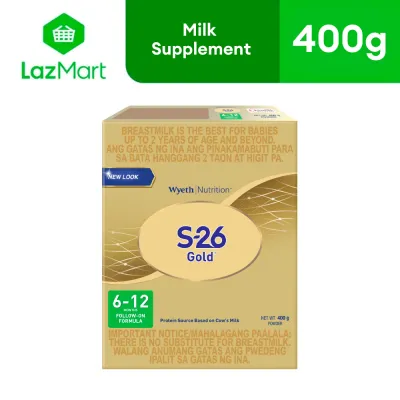
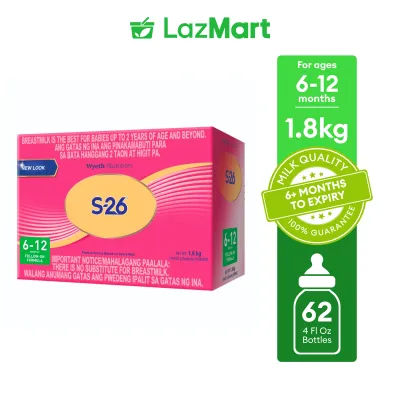
S-26 Gold Stage 2 is formulated specifically for infants from 6 to 12 months of age. When examining the packaging of this product, parents will find a strong emphasis on nutrient blends designed to support cognitive development and cellular growth. The manufacturer typically highlights specific lipid profiles and protein structures on the label, which are intended to align with the developmental milestones of older infants.
One of the primary aspects to verify on the S-26 Gold label is the protein composition. This formula often utilizes a specific whey-to-casein ratio designed to facilitate easier digestion for infants transitioning to solids. The carbohydrate source is primarily lactose, which matches the natural sugar found in breastmilk, providing a steady source of energy without relying on sweeter, highly processed sugars.
Caregivers frequently note that S-26 Gold has a relatively neutral, standard milk flavor that is well-accepted by infants. When preparing this formula, it is essential to follow the exact water-to-powder ratio indicated on the tin. Because the tropical climate in the Philippines can introduce high humidity, ensuring the powder is measured with a dry scoop and mixed in lukewarm, previously boiled water helps prevent clumping and preserves the integrity of the temperature-sensitive nutrients.
Nido for Older Infants
When considering Nido, parents must exercise caution regarding the target age group of the product. In the Philippines, the most widely available Nido products, such as Nido 1+ or Nido Protectus, are formulated specifically for toddlers aged one year and older. Standard Nido formulations are not suitable as a primary milk source for infants under 12 months of age due to their protein and mineral concentrations, which can strain an infant’s developing kidneys.
For the 6-12 month age bracket, Nestlé offers other dedicated follow-on formulas under different brand names, such as NAN or Nestogen Stage 2. If you encounter a Nido product marketed for older infants, you must carefully inspect the packaging to confirm it explicitly states suitability for the 6-12 month range. Always check the age recommendation on the front of the tin rather than assuming all products under a trusted brand family are interchangeable.
If a verified infant-appropriate Nestlé follow-on formula is selected, the label will typically highlight fortification with iron, zinc, and vitamins A and C to support the immune system. These formulas are designed to ease the transition from breastmilk or Stage 1 formula, offering a flavor profile that is mild and palatable for older infants who are beginning to explore diverse tastes through solid foods.
Enfagrow Stage 2
Enfagrow is another highly prominent brand, though parents should note a common naming distinction in the market. Mead Johnson typically brands its 6-12 month follow-on formula as Enfamil A+ Stage 2, while the “Enfagrow” name is generally reserved for Stage 3 and Stage 4 products aimed at toddlers and preschoolers. When shopping, look for the specific Stage 2 designation on the tin to ensure the nutrient ratios are correct for your 6-12 month old.
On the label of this Stage 2 formula, you will find a prominent focus on cognitive development ingredients, particularly DHA and milk fat globule membrane (MFGM). The manufacturer emphasizes these components to support brain connection pathways. Parents should verify these ingredients on the nutrition facts panel to compare the exact milligrams provided per serving against other options.
In addition to cognitive support, this formulation often includes a proprietary prebiotic blend, such as a mix of polydextrose (PDX) and GOS. This blend is designed to mimic the bifidogenic properties of breastmilk, promoting soft stools and digestive comfort. The preparation instructions require careful attention, as the serving sizes and scoop measurements may differ from other brands you have previously used.
Key Decision Factors for Your Baby
When choosing between these options, your baby’s digestive tolerance is the most critical factor. A formula can have an impressive list of ingredients, but if it causes your baby discomfort, it is not the right choice. Watch closely for signs of digestive distress, such as persistent gas, hard stools, unusual spitting up, or unexplained fussiness after feeding. Each baby’s gut microbiome is unique, meaning a formula that works perfectly for one infant might cause mild constipation in another.
Budget and long-term accessibility are equally important practical considerations for Filipino families. Follow-on formula is a recurring expense, so it is wise to calculate the cost per serving (₱) rather than simply comparing the retail price of the tins. Additionally, ensure the brand you choose is consistently stocked in your local supermarkets, neighborhood pharmacies, or reputable online official stores. Running out of formula and being forced to make sudden, unplanned brand switches can upset your baby’s digestive system.
Taste acceptance can also influence your decision, especially as babies develop distinct preferences around the six-month mark. Some formulas have a slightly sweeter taste, while others are more neutral or have a distinct iron aroma. If you are transitioning your baby from breastmilk or a different brand, introduce the new formula gradually to allow their palate and digestive tract to adapt to the new flavor and nutrient density.
How to Read and Compare Formula Labels
To make an objective comparison, parents should learn to read the nutrition facts panel rather than relying on front-of-pack marketing claims. Start by locating the values for iron, calcium, and DHA. Because serving sizes can vary between brands, the most accurate way to compare these nutrients is by looking at the amount provided per 100 kilocalories (kcal) or per 100 grams of powder. This standardizes the comparison, allowing you to see which product actually offers higher concentrations of key developmental nutrients.
Next, examine the ingredient list to identify the primary carbohydrate and protein sources. Ingredients are listed in descending order of weight, meaning the first few items make up the bulk of the formula. Look for lactose as the primary carbohydrate source, and check if the formula contains added sugars such as sucrose, corn syrup solids, or glucose syrup. While these sugars provide energy, many pediatric experts recommend prioritizing formulas where lactose is the primary carbohydrate to avoid exposing infants to highly sweet flavors early in life.
Finally, check the protein source listed on the label. Look for terms like “demineralized whey,” “nonfat milk,” or “whey protein concentrate.” A higher ratio of whey protein is generally easier for young infants to digest, whereas casein takes longer to break down. Understanding these terms empowers you to look past colorful packaging and make a choice based on solid nutritional facts.
When to Consult a Pediatrician
While comparing labels is helpful, parental observation must always be guided by professional medical advice. Before making any changes to your baby’s diet, especially when transitioning from breastmilk to formula or switching between formula brands, consult your pediatrician. They can provide personalized recommendations based on your baby’s growth chart, developmental milestones, and medical history.
There are several red flag symptoms that require immediate medical attention rather than a simple formula switch. If your baby experiences persistent diarrhea, visible blood or mucus in their stool, severe vomiting, rapid weight loss, or a sudden flare-up of severe eczema, contact your doctor right away. These symptoms can indicate a cow’s milk protein allergy or another underlying medical condition that standard Stage 2 formulas cannot address.
If your baby does have a diagnosed allergy or severe digestive sensitivity, your pediatrician can recommend specialized formulas. These include extensively hydrolyzed formulas, where the proteins are broken down into tiny pieces for easy digestion, or amino acid-based options. Attempting to manage severe digestive issues by repeatedly switching between standard over-the-counter Stage 2 formulas can prolong your baby’s discomfort and delay proper medical management.
Frequently Asked Questions (FAQ)
Can I mix two different Stage 2 formula brands in one bottle?
Mixing two different formula brands in the same bottle is generally discouraged. Each brand has a unique scoop size and specific reconstitution instructions designed to deliver a precise balance of nutrients and water. Mixing powders can alter the caloric density and mineral concentration of the feed, which can strain your baby’s kidneys or lead to dehydration. If you need to transition from one brand to another, it is safer to do so gradually by replacing one full feeding bottle per day with the new brand over the course of a week.
How do I know if my baby needs a sensitive or lactose-free formula?
Most infants experience occasional gas, mild spitting up, or brief periods of fussiness as their digestive systems mature, which is entirely normal. True lactose intolerance is rare in infants, though temporary sensitivity can occur after a bout of stomach flu. Signs of a genuine milk protein sensitivity or allergy include persistent loose stools, vomiting, skin rashes, and poor weight gain. You should never switch to a sensitive, hypoallergenic, or lactose-free formula without a formal diagnosis and recommendation from your pediatrician.

Community discussion
Share your experience or ask a question. Comments are reviewed before publication.