
Quick Answer: Which XL Diaper Brand Is Right for Your Baby?
Selecting the right extra-large (XL) diaper for your active toddler is a balancing act between leak protection, skin comfort, and household budget. In the Philippines, where high humidity and warm temperatures are daily realities, this decision becomes even more critical to prevent diaper rash and ensure your child can move freely. Rascals and Friends XL is widely recognized for its premium, sensitive-skin-friendly materials and generous fit. Pampers XL focuses heavily on a slim profile and even liquid distribution to prevent sagging. Huggies XL is known for robust leak barriers and a highly secure fit, while Equator XL serves as a highly practical, budget-conscious option for frequent daytime changes.
There is no single “best” diaper for every baby. The ideal choice depends on your child’s specific body shape—such as whether they have chunky thighs or a tall waist—along with their skin sensitivity and your target spending. Because XL dimensions and cuts vary significantly between manufacturers, starting with a small trial pack is the safest way to evaluate fit and performance before committing to a bulk purchase.
Key Factors to Compare in XL Diapers
Absorbency and Leak Protection
As babies grow into the toddler stage and transition to XL sizes, their urine volume increases significantly. Evaluating absorbency requires looking beyond basic marketing claims to inspect the physical features of the diaper. Check the product packaging for details on the core construction, such as whether it utilizes superabsorbent polymers (SAP) designed to lock moisture away from the skin rapidly. A reliable wetness indicator is also a valuable feature, changing color to signal when a change is due without requiring you to open the diaper.
Products mentioned in this guide
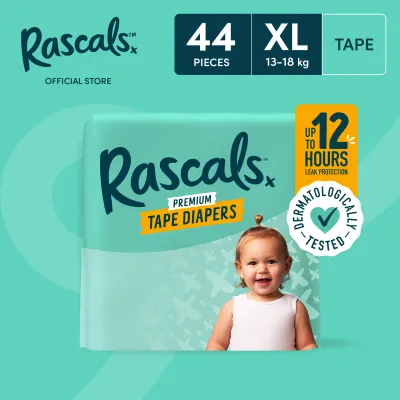
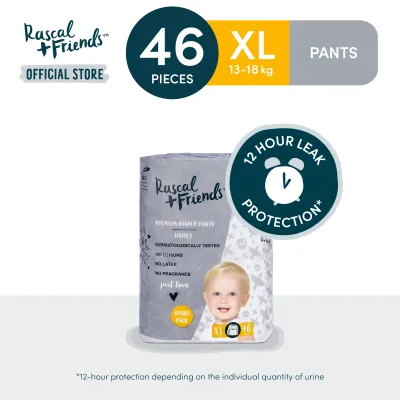
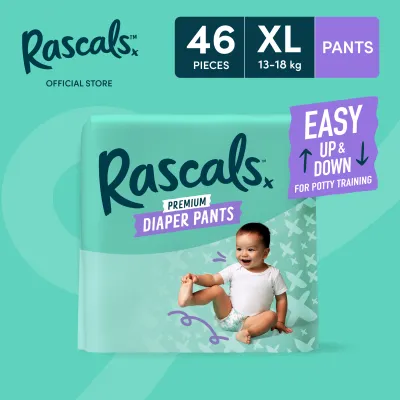
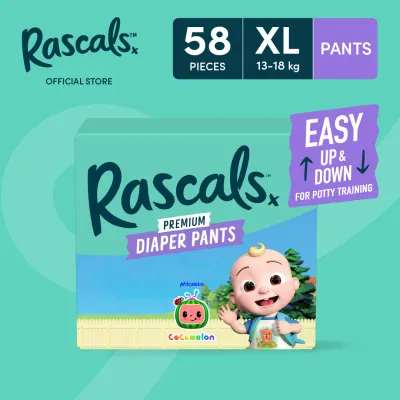
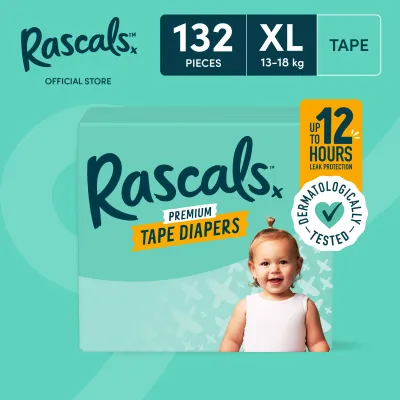
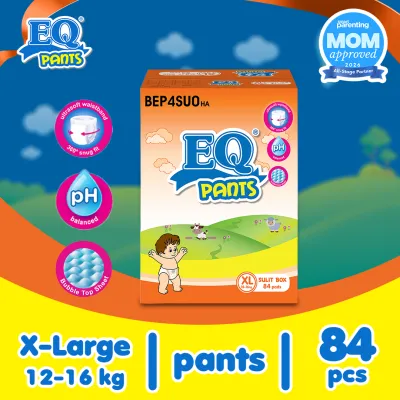
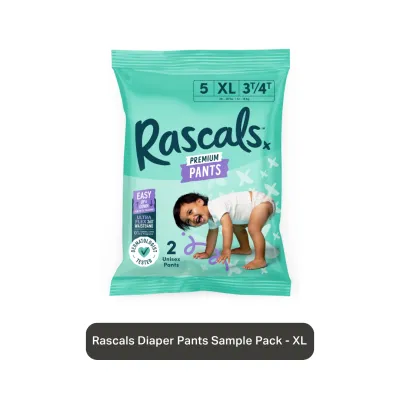
Prices are valid at publication and may change. Please refer to the product page for the latest price.

Equally important are the physical barriers designed to contain messes. Look for double-layered leg cuffs and high, standing leak guards that run along the inner thighs. These elasticated barriers are crucial for preventing side leaks when your toddler is crawling, climbing, running, or sleeping in unusual positions.
Real-world performance often differs from laboratory absorbency tests. While a diaper may claim to hold a high volume of liquid, it must also be able to handle rapid, large-volume voids without overflowing. Observing how the diaper performs during a long afternoon nap or overnight will give you the most accurate picture of its true capacity.
Fit, Sizing, and Elasticity
Sizing is not standardized across diaper brands, meaning an XL in one brand might fit like a Large or an XXL in another. Manufacturers design their sizing bands around weight ranges, but your baby’s physical build—such as waist circumference and thigh thickness—plays a much larger role in finding the correct fit. A diaper with a cut that is too narrow may cause leaks, while a cut that is too wide can leave gaps where moisture can escape.
To ensure comfort and prevent leaks, evaluate the elasticity of the waistband and the flexibility of the side panels. For pant-style diapers, the waistband should stretch easily to accommodate a full belly after meals without digging into the skin. For tape-style diapers, the fastening tabs should stretch securely and remain anchored even when your toddler is highly active.
After your baby wears a diaper for a few hours, perform a quick physical check. Look for deep red marks around the thighs or waist, which indicate the elastic is too tight and you may need to size up. Conversely, check for sagging in the crotch area or gaps around the leg openings, which suggest the diaper is too loose or lacks the structural support your baby needs.
Comfort, Breathability, and Skin Health
In hot, humid tropical climates, breathability is a non-negotiable factor for maintaining healthy skin. When moisture and body heat are trapped inside a diaper, it creates a warm environment that can easily lead to diaper rash or sweat rash (locally known as bungang-araw). Look for diapers that feature microporous back-sheets, which allow hot air to escape while keeping liquid safely contained.
The texture of the top-sheet—the layer in direct contact with your baby’s skin—should feel exceptionally soft and cloth-like. If your baby has sensitive skin, a history of eczema, or contact dermatitis, prioritize diapers that carry explicit labels such as hypoallergenic, fragrance-free, chlorine-free, or lotion-free. These designations help minimize the risk of chemical irritation.
Keep in mind that a highly absorbent diaper is not automatically a breathable one. A thick diaper might hold a large amount of liquid but trap significant heat, whereas a thinner, highly engineered diaper might offer the perfect balance of rapid absorption and continuous airflow. Prioritizing skin dryness and temperature regulation will keep your toddler comfortable throughout the day. If your baby develops persistent redness, severe diaper rash, or signs of infection, stop using the product immediately and consult a qualified healthcare professional or pediatrician.
Brand-by-Brand Breakdown: What to Expect
Rascals and Friends XL
Rascals and Friends has established a strong reputation in the premium diaper segment, particularly among parents who prioritize skin-friendly materials. When examining their XL offerings, look for packaging claims such as OEKO-TEX certification or specific dermatological testing, which are important indicators of material safety that parents should verify directly on the label. The brand typically highlights being completely free from chlorine, latex, and artificial fragrances.
The physical design of Rascals and Friends XL diapers is characterized by a deep pocket and a high, wide waistband. This structure provides excellent coverage for active toddlers, making it highly effective at containing heavy wetness and preventing back blowouts. The materials used are exceptionally soft and cloth-like, reducing friction against your baby’s skin during movement.
Because of these premium features and materials, Rascals and Friends generally carries a higher price point per piece in the local market. If your baby has highly sensitive skin or is prone to severe diaper rash, the investment in these premium materials is often highly justified. However, families on a strict budget may want to reserve these diapers for overnight use or long outings where skin protection is paramount.
Pampers XL
Pampers is a household name globally and in the local market, recognized for its focus on slim-fit designs and advanced absorption technology. Their XL diapers frequently feature specialized absorption channels that distribute liquid evenly across the core. This design prevents the diaper from swelling into a heavy, concentrated lump between your baby’s legs, which can restrict their natural movement.
The slim profile of Pampers XL is highly beneficial for toddlers who are actively walking, running, and exploring. It fits neatly under clothing without adding excessive bulk, allowing for maximum freedom of movement. The brand’s proprietary gel technology is engineered to lock wetness away quickly, keeping the surface layer dry even after multiple voids.
While the slim cut is excellent for mobility, parents of babies with rounder bellies or thicker thighs should pay close attention to the fit. The slimmer dimensions mean you may need to monitor the leg elastic closely to ensure it does not pinch or leave red marks. If your baby is at the upper end of the weight limit for the XL size, you might find it necessary to transition to the next size up sooner than expected to maintain a comfortable fit.
Huggies XL
Huggies is widely favored by parents who require robust leak protection and secure containment for highly active toddlers. Their XL diapers are engineered with heavy-duty elastic leg cuffs and, in many product lines, a pocketed elastic waistband designed specifically to catch liquid and solid waste before it can escape up the back. This makes Huggies a popular choice for overnight use and long car rides.
The overall construction of Huggies XL tends to feel slightly more structured and substantial compared to ultra-slim alternatives. This robust build provides excellent peace of mind, especially if your baby is an active sleeper who rolls and turns frequently throughout the night. The secure fit ensures that the diaper remains properly aligned with your baby’s body, minimizing the risk of shifting and subsequent leaks.
The trade-off for this secure containment is that the diaper can feel slightly bulkier, particularly when it begins to fill. While this bulk does not typically hinder a toddler’s movement, parents who prefer a completely seamless look under thin clothing might find it more prominent. Nevertheless, for heavy wetters and children prone to side leaks, the structural integrity of Huggies is a major advantage.
Equator XL
Equator positions itself as a highly practical, value-oriented diaper brand that caters directly to cost-conscious families in the local market. By focusing on essential diapering needs, Equator offers XL diapers at a significantly lower cost per piece than premium competitors. This makes it an incredibly attractive option for daytime use, when diapers are changed frequently regardless of how full they are.
When using Equator XL, it is important to manage your expectations regarding overnight performance and advanced features. The materials and core construction are simpler, meaning they may not offer the same 12-hour dry feeling or rapid absorption speeds as premium brands. The packaging typically outlines standard absorbency limits, indicating that the diaper is best suited for regular, daytime intervals rather than extended wear.
Using Equator XL strategically can lead to substantial household savings. It is highly effective for short daytime windows, outdoor play sessions where you plan to change your baby frequently, or during the early stages of potty training when your toddler is learning to identify wetness. By changing the diaper every two to three hours, you can maintain excellent skin hygiene without stretching your budget.
Decision Framework: Which Brand Should You Choose?
To make the best choice for your family, consider how your baby’s daily routine, skin sensitivity, and your household budget align with the strengths of each brand.
- Choose Rascals and Friends XL if: Your baby has highly sensitive skin or a history of diaper rash, you prefer eco-conscious materials free from fragrances and chlorine, and your budget comfortably accommodates a premium cost per piece.
- Choose Pampers XL if: Your toddler is highly active, you prefer a slim-fitting diaper that does not sag or bunch up under clothing, and your baby has a relatively lean or average physical build.
- Choose Huggies XL if: Your baby is a heavy overnight wetter, an active sleeper who experiences frequent side or back leaks, and you require highly secure, structured leg and waist barriers.
- Choose Equator XL if: You are looking for a highly economical diaper for frequent daytime changes, short outings, or potty-training practice, and you do not require long-lasting overnight absorbency.
- Verify first if: Your baby is currently transitioning between sizes or has specific skin sensitivities. Before purchasing a large box or bulk carton of any brand, always buy a small trial pack first. This allows you to test the actual fit on your baby's unique body shape and monitor their skin for any adverse reactions over a 48-hour period.
Where to Buy and What to Check Before Stocking Up
When purchasing diapers in the Philippines, it is highly recommended to buy directly from official brand flagship stores on major online marketplaces, established local supermarkets, or recognized baby specialty stores. Purchasing from unverified third-party sellers carries a risk of acquiring counterfeit products. Fake diapers often bypass critical safety standards, utilizing inferior materials that can cause severe skin irritation, chemical burns, or poor absorbency.
Additionally, always check the manufacturing or packaging date printed on the diaper pack before buying. Diaper materials, including the elastic polymers and superabsorbent cores, can degrade over time if they are stored in hot, humid, or poorly ventilated warehouses. Ensuring you are buying relatively fresh stock guarantees that the elastics will retain their stretch and the absorbent core will perform exactly as designed.
Frequently Asked Questions (FAQ)
How do I know if my baby needs to move up to an XL diaper?
While the weight guidelines printed on the packaging serve as a helpful starting point, they do not account for your baby’s unique body shape. You should consider moving up to an XL diaper if you observe consistent physical signs of poor fit. These signs include frequent side or back leaks during normal use, deep red marks left by the elastic on your baby’s thighs or waist, or a waistband that sits too low on the hips. Additionally, if you find yourself struggling to fasten the tapes securely or if the diaper sags excessively after only a short period of wear, it is time to transition to the larger size to ensure adequate coverage and absorbency.
Can I mix different diaper brands for day and night use?
Mixing different diaper brands is an exceptionally practical and cost-effective strategy used by many parents. You can optimize your budget by using a value-oriented brand like Equator XL during the day, when your toddler is active and changes occur every few hours. For overnight sleep or long travel periods where frequent changes are not possible, you can switch to a premium, high-absorbency brand like Huggies XL or Rascals and Friends XL. This approach ensures your baby remains dry and comfortable during long stretches of sleep while keeping your overall diapering expenses manageable. Just monitor your baby’s skin to ensure they tolerate both brands without irritation.

Community discussion
Share your experience or ask a question. Comments are reviewed before publication.