
Finding the right small diaper for your baby involves balancing absorbency, fit, and comfort. When comparing Rascal, Pampers, Huggies, and Equator, the “best” choice depends on your baby’s unique body shape, skin sensitivity, and your household budget. Since performance can vary from baby to baby, this guide focuses on comparing verifiable design features, sizing standards, and material claims to help you make an informed, condition-based decision for your little one.
Choosing a diaper for a growing infant requires looking past marketing claims and focusing on how a diaper actually performs under daily conditions. In tropical climates like the Philippines, factors such as humidity, heat, and frequent feeding cycles make diaper selection even more critical. A diaper that works wonderfully for one baby might cause leaks or skin irritation for another due to differences in thigh circumference, waist shape, or skin sensitivity. By understanding the structural differences between Rascal, Pampers, Huggies, and Equator, you can systematically evaluate which option aligns with your baby’s current developmental stage and your family’s daily routine.
Verifying the Right Fit: Sizing Standards Across Brands
Achieving a proper fit is the first line of defense against leaks and skin irritation. While most brands label their diapers as “Small,” physical dimensions and weight recommendations vary. Typically, small diapers are designed for babies weighing 4 to 8 kilograms, but you must verify the specific weight range printed on each brand’s packaging. A baby at the upper limit of one brand’s small size might already need a medium in another brand to avoid discomfort.
Products mentioned in this guide
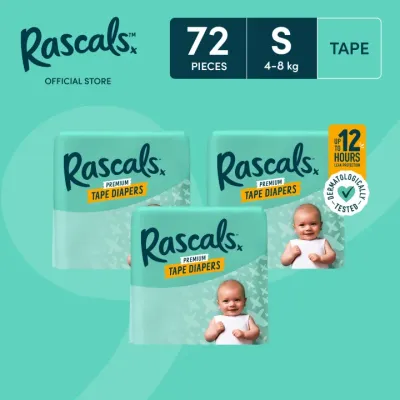
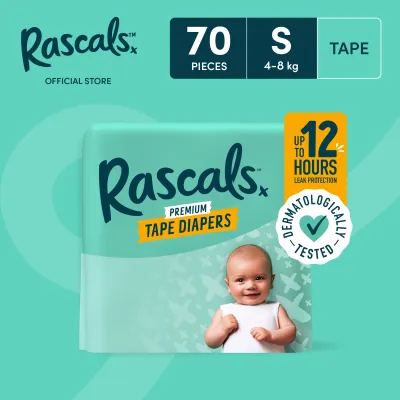
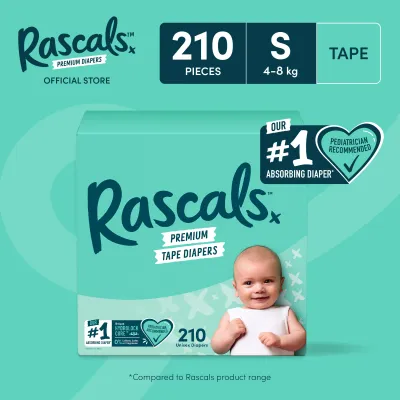
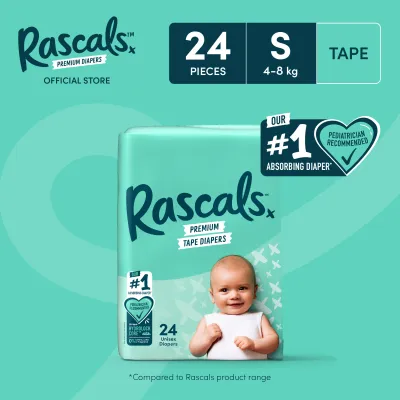
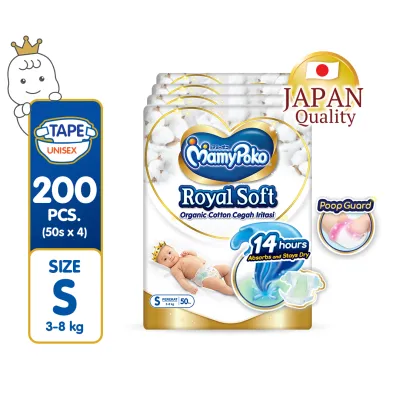
Prices are valid at publication and may change. Please refer to the product page for the latest price.
Beyond weight, physical design elements dictate how a diaper conforms to your baby’s body. Look closely at waistband elasticity and leg cuff height. Rascal diapers often feature a high waistband that provides generous coverage up the back, containing sudden blowouts. Pampers typically utilizes stretchy sides for a flexible fit around the waist, accommodating rounder bellies. Huggies is known for its pocketed waistband at the back, engineered to catch runny messes. Equator diapers generally offer a traditional, straightforward cut with standard elastic side tabs, suiting babies with an average build.
To determine if a small diaper fits correctly, monitor for observable signs of a poor fit. Check your baby’s thighs and waist for red marks or deep indentations, which indicate the elastic is too tight. Conversely, look for gaps around the leg cuffs or sagging in the crotch, which suggest the diaper is too large. If you experience frequent waistline blowouts or if the fastening tabs must be secured at the outer edges of the landing zone, it is time to reassess the size.
Comparing Absorbency and Leak Protection Designs
A diaper’s primary job is to keep moisture away from your baby’s skin, and each brand approaches this with different core technologies. When evaluating Rascal, Pampers, Huggies, and Equator, examine the manufacturer’s claims regarding absorbent cores and distribution layers. Most disposable diapers utilize superabsorbent polymers (SAP) mixed with wood pulp, but absorption speed and wetness distribution differ. Pampers often highlights its air channels and distribution layers designed to spread wetness evenly, preventing sagging. Rascal emphasizes a highly absorbent, 3D core design aimed at keeping the top sheet dry.

Wetness indicators are another valuable feature to verify on the packaging. A wetness indicator—typically a line that changes color when wet—helps caregivers time diaper changes accurately without unfastening the tabs. This is particularly useful for small babies who require frequent monitoring to prevent prolonged contact with moisture. While Pampers, Huggies, and Rascal commonly include this visual aid on small sizes, check the packaging of Equator diapers to confirm if this feature is present on their entry-level options.
The structural design of leak guards and waistband barriers is equally important for active, growing infants. Double-layered leg cuffs that stand upright help create a secure seal around the thighs. Huggies diapers often feature a specialized leak lock system with deep pocketed barriers. Rascal utilizes extra-high double leak guards designed to provide security for side-sleepers. When comparing these to Equator, observe whether the leg elastics feel robust, as weaker elastics can collapse under pressure, leading to leaks.
Evaluating Material Comfort and Skin Sensitivity Features
Delicate baby skin requires soft, breathable materials to minimize diaper rash, especially in warm and humid environments. When comparing top sheet materials, look for descriptions of texture and composition on the packaging. Premium brands like Rascal focus on delivering a cloth-like, feather-soft top sheet that minimizes friction. Huggies incorporates textured liners designed to pull runny mess away from the skin quickly. Pampers uses a soft, non-woven top sheet that balances comfort with rapid absorption. Equator utilizes standard synthetic non-woven fabrics that provide basic softness.
Breathability is critical in managing heat and moisture buildup, a primary trigger for diaper rash in tropical climates. The back sheet must allow air to circulate while keeping liquid contained. Check product specifications for mentions of breathable outer layers or micro-pores that facilitate airflow. A diaper with poor breathability can trap sweat and urine vapor, creating a warm, damp environment. If your baby is prone to heat rashes, prioritizing highly breathable materials is essential.
Caregivers must also review packaging for added substances like lotions, fragrances, or specific hypoallergenic claims. Added perfumes and botanical extracts can cause allergic contact dermatitis in babies with sensitive skin. Huggies and Rascal emphasize fragrance-free and elemental chlorine-free manufacturing processes. Pampers offers both scented and unscented varieties, so read the specific pack label carefully. If your baby develops persistent redness or a rash, stop using the brand, switch to a fragrance-free alternative, and consult a qualified pediatrician.
Calculating Price, Value, and Availability in the Philippines
Managing household expenses requires looking beyond the initial price tag and calculating the actual cost per piece (in ₱). In the Philippines, diaper prices vary depending on whether you purchase convenience packs, standard bags, or bulk boxes. Generally, premium brands like Rascal carry a higher price per piece, reflecting specialized materials. Pampers and Huggies offer multiple product tiers, allowing parents to choose a price point that fits their budget. Equator is positioned as a budget-friendly alternative, offering a lower cost per piece.
To evaluate the true cost-to-performance ratio, consider how frequently the diaper must be changed. A cheaper diaper that leaks frequently may require more frequent changes, leading you to use more diapers overall and erasing initial savings. Conversely, a slightly more expensive diaper that keeps your baby dry longer can reduce the total number of diapers used daily. Keep a simple log of daily diaper usage to determine which brand offers the best practical value.
Availability is another practical factor, as running out of diapers unexpectedly is highly stressful. Pampers and Huggies enjoy widespread distribution across the Philippines, making them easily accessible in local supermarkets, neighborhood pharmacies, and convenience stores. Rascal and Equator may have more selective distribution networks. You can reliably find these brands through official online mall stores on major ecommerce platforms or within specific department store chains. Always verify that you are buying from an authorized distributor to ensure product authenticity.
How to Choose the Best Small Diaper for Your Baby
Selecting the right small diaper is a process of matching your baby’s physical needs with your household’s practical constraints. There is no single diaper that works perfectly for every infant, so a conditional decision framework is the most reliable way to find your ideal match.
Consider choosing Rascal if you prioritize a premium, ultra-soft feel, high waistband coverage to prevent back blowouts, and are comfortable with a slightly higher price point and selective online availability. Choose Pampers if you prefer a highly flexible, stretchy waistband design, widely trusted moisture-distribution channels, and the convenience of purchasing replacements at almost any local supermarket. Choose Huggies if your baby has a body shape that benefits from a pocketed waistband to contain runny stools, and you want a reliable, widely available diaper with robust leak guards. Choose Equator if your primary goal is to minimize daily diapering costs with a straightforward, functional design that handles standard daytime wetness.
Regardless of the brand, always verify your baby’s skin compatibility first. When trying a new brand, purchase the smallest available pack size to test the fit and material safety before investing in bulk boxes. Monitor your baby’s skin closely during the first few days. If you notice any signs of irritation, redness, or persistent diaper rash, check the ingredient list on the packaging, discontinue use, and consult a pediatrician to identify potential triggers.
Frequently Asked Questions (FAQ)
How do I know when it is time to move up from a small diaper?
Consider moving up to a larger size when your baby’s weight approaches the upper limit printed on the packaging. Physical indicators include persistent red marks or elastic indentations around your baby’s thighs or waist. Additionally, if you notice a sudden increase in leaks or blowouts, or if the fastening tabs can no longer be secured comfortably near the center of the landing zone, these are clear signs that your baby has outgrown the small size.
Can I mix different diaper brands for day and night use?
Yes, mixing different diaper brands for day and night use is a highly practical strategy. You might choose a highly absorbent, premium diaper with advanced leak barriers for overnight use to help your baby sleep comfortably for longer stretches. During the day, when you change diapers more frequently to maintain hygiene, you can switch to a more cost-effective, breathable diaper to manage your household budget. Ensure both brands fit your baby correctly to prevent unexpected leaks.

Community discussion
Share your experience or ask a question. Comments are reviewed before publication.