
Finding the right diaper for your baby often requires testing a few options, as the most effective choice depends entirely on your baby’s unique body shape, skin sensitivity, and movement level. While Rascal, Pampers, Equator, and Huggies are all popular choices, they differ significantly in their cut, core materials, and waistband designs. In a tropical climate like the Philippines, where high humidity and heat can quickly lead to skin irritation, selecting a diaper that balances breathability with reliable leak protection is essential. Rather than declaring a universal winner, this guide provides a practical framework to help you evaluate these four brands across absorbency, fit, and comfort, allowing you to make an informed decision based on your baby’s observable needs and daily reactions.
Every baby has a different physical build, meaning a diaper that fits one infant perfectly might cause leaks or red marks on another. By understanding the specific design elements of each brand—such as the high-back waistband of Rascal, the flexible channels of Pampers, the value-focused construction of Equator, and the pocketed waistband of Huggies—you can systematically identify which features align with your child’s current developmental stage. This comparative approach ensures you do not spend money on bulk packs that may ultimately fail to keep your baby dry and comfortable.
Key Factors for Evaluating Diaper Performance
To make an objective comparison between diaper brands, you must establish clear, observable metrics during daily use. Absorbency is not just about how much liquid a diaper can hold, but how quickly it draws moisture away from your baby’s skin and locks it inside the core. When evaluating absorbency, look closely at the inner lining immediately after a change; the skin should feel dry to the touch, and the diaper core should not feel excessively soggy or heavy in a single spot. Additionally, check for the presence of a wetness indicator on the packaging, which is a helpful visual cue that changes color when wet, though some larger sizes or specific product lines may omit this feature.
Products mentioned in this guide
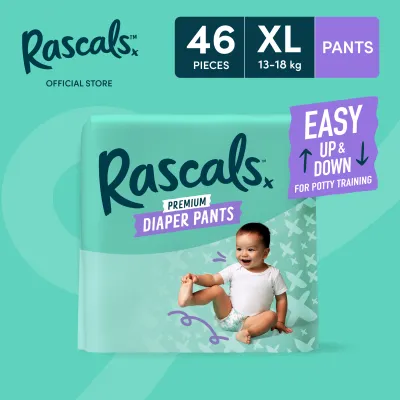
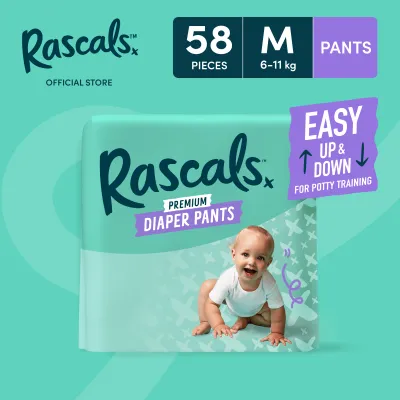
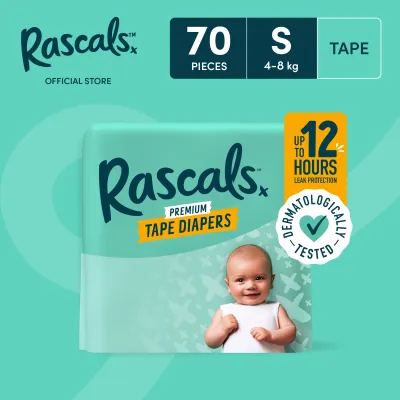
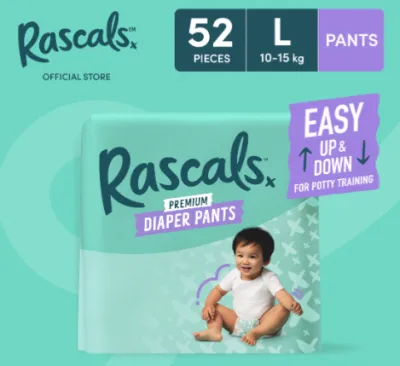
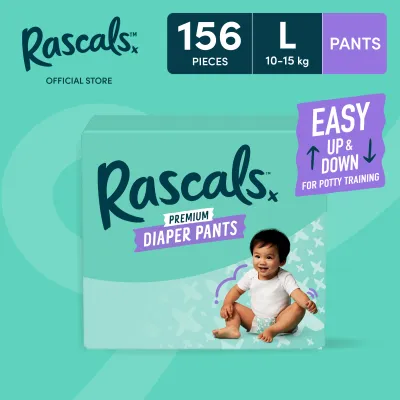
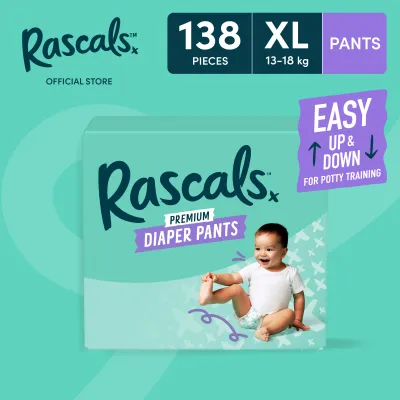
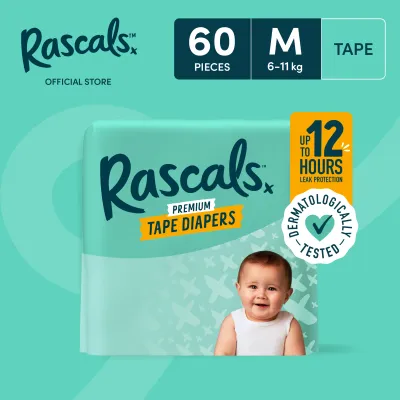
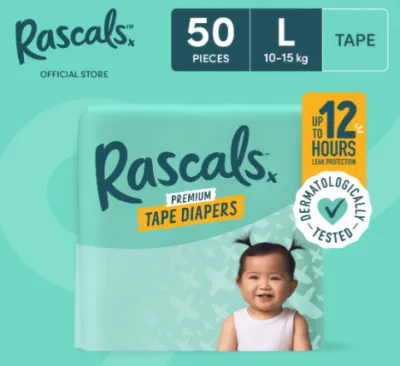
Prices are valid at publication and may change. Please refer to the product page for the latest price.
Fit is the second critical pillar and is highly dependent on your baby’s unique proportions. A proper fit requires a balance between waistband elasticity and leg cuff security. The waistband must stretch comfortably to accommodate a full tummy after feeding without slipping down during play, while the leg cuffs must seal gently around the thighs without digging in. Always refer to the manufacturer’s weight-based sizing charts as a starting point, but remember that these ranges often overlap, and a baby with chubby thighs may need to size up sooner than a leaner baby of the same weight.
Comfort and skin health are closely tied to the materials used in the diaper’s construction. When comparing brands, evaluate the softness of both the inner sheet and the outer cover by feeling them yourself. Look for packaging labels that indicate dermatological testing, hypoallergenic properties, or the absence of added fragrances and chlorine bleaching. In warm, humid environments, breathability is paramount; a diaper with poor air circulation traps heat and moisture, creating an ideal environment for diaper rash to develop.
Comparing Absorbency and Leak Protection
When testing Rascal, Pampers, Equator, and Huggies, overnight performance is the ultimate test of absorbency. During long sleep stretches, a diaper must manage multiple wetting episodes without leaking or causing discomfort that wakes your baby. Observe how each diaper handles these heavy-use periods. A high-performing core will distribute liquid evenly throughout the absorbent material rather than allowing it to pool in one area, which can cause the diaper to sag heavily and pull away from the waist.

To assess the inner lining and core distribution, gently press a dry paper towel against the inside of a moderately wet diaper during a change. If the paper towel remains dry, the diaper’s top sheet is successfully keeping moisture away from the skin. You should also feel the wet diaper to check for clumping; some diaper cores use superabsorbent polymers (SAP) mixed with fluff pulp, which can break apart or clump when saturated, while others use structured channels that keep the absorbent material locked in place even when fully loaded.
Active play provides the perfect opportunity to evaluate the effectiveness of standing leak guards around the legs. These inner cuffs should stand upright when the diaper is put on, forming a physical barrier against sudden, high-volume wetness. If you notice frequent leaks during crawling, rolling, or walking, observe whether the leak guards are flaring outward as intended or if they are collapsing inward, which allows moisture to bypass the absorbent core entirely.
Assessing Fit, Sizing, and Flexibility
During diaper changes, pay close attention to the elasticity of the waistband and the durability of the fastening tabs. Rascal diapers are characterized by a high-back waistband designed to contain blowouts, which can be particularly useful for younger infants. Pampers often features highly stretchable side panels that conform closely to the hips, while Huggies frequently includes a pocketed waistband at the back to catch runny messes. Equator typically offers a more straightforward, traditional cut that may require more precise positioning of the tabs to secure a snug fit.
Navigating size transitions can be challenging, especially when your baby’s weight falls in the overlapping zone between two sizes on the manufacturer’s chart. If you notice that the fastening tabs must be secured at the very outer edges of the landing zone, or if the diaper sits low on the belly, it is usually time to transition to the next size. Conversely, if the diaper rises too high toward the chest or if there are visible gaps around the thighs, the current size is still too large, which increases the risk of leaks.
Observing your baby during active movement is crucial for preventing chafing and skin irritation. Watch your baby crawl or walk while wearing each brand to see if the diaper shifts out of place or bunches up between the thighs. A diaper that lacks flexibility can rub against the delicate skin of the inner thighs, leading to painful red friction marks. The ideal diaper should move naturally with your baby, maintaining its shape and seal even during vigorous physical activity.
Evaluating Comfort, Breathability, and Skin Health
Immediately after removing a diaper, inspect your baby’s skin for any red marks or indentations around the waist and thighs. These marks are a clear sign that the elastic is either too tight, the diaper is too small, or the cut is incompatible with your baby’s body shape. A diaper should leave no lasting impressions on the skin; if it does, adjust the fastening tabs to be looser or try a brand with softer, more compliant elastic bands.
Review the packaging of each brand to verify their specific skin-health claims. Many premium brands highlight dermatological testing, hypoallergenic materials, or liners infused with soothing lotions to protect the skin barrier. While these claims are helpful indicators, you must still monitor your baby’s individual reaction. A diaper that is labeled hypoallergenic can still cause irritation if your baby has an undocumented sensitivity to a specific material or manufacturing process used in that particular brand.
In the tropical climate of the Philippines, monitoring for heat buildup inside the diaper is essential for preventing diaper rash. If the skin feels unusually hot or clammy during a diaper change, the diaper may lack sufficient breathability. If a rash does develop, increase the frequency of diaper changes, allow for diaper-free air time, and apply a barrier cream. If the rash persists, spreads, or appears painful, stop using the current diaper brand immediately and consult a pediatrician for professional medical advice.
Assessing Price and Value for Money
To determine the true cost of each diaper brand, you must look beyond the upfront retail price of the package and calculate the cost per individual piece. Because pack sizes and piece counts vary widely between brands and sizes, comparing the total package price can be misleading. Use this simple formula to find the unit cost: divide the total price of the pack in Philippine Pesos (₱) by the number of diapers inside. This calculation allows you to compare the financial impact of each brand on your monthly household budget accurately.
When evaluating value, balance the upfront cost against real-world performance. A lower-priced diaper that requires frequent changes due to poor absorbency or causes regular leaks may end up costing you more over time than a slightly more expensive diaper that keeps your baby dry for longer periods. For example, if a premium diaper allows your baby to sleep through the night with a single change, while a budget option requires two or three changes to prevent leaks, the premium option may actually offer better overall value and convenience.
Always verify current pricing, promotions, and availability before making a decision, as diaper prices fluctuate frequently. Check official brand stores, authorized online retailers, and local supermarkets to find the most consistent supply and competitive rates. Purchasing in bulk or subscribing to regular delivery services through reputable ecommerce platforms can often lower your cost per piece, but ensure you have fully tested the brand and size on your baby before committing to a large order.
Decision Framework: Which Brand Suits Your Baby?
To help you make a final decision, use this condition-based framework to match a diaper brand to your baby’s specific physical and behavioral characteristics:
- For Chubbier Builds: If your baby has a rounder tummy or thick thighs, prioritize brands with high-stretch waistbands and wider, more flexible leg cuffs to prevent red marks and chafing.
- For Heavy Wetters and Long Sleepers: If your baby sleeps for long stretches or is a heavy wetter, choose a brand with an enhanced overnight absorbent core and a high-back waistband to prevent leaks while lying down.
- For Active Crawlers and Walkers: If your baby is constantly on the move, look for a diaper with highly secure fastening tabs and a contoured fit that stays in place during active play.
- For Sensitive Skin: If your baby is prone to redness or diaper rash, start by purchasing the smallest available pack of a brand that features hypoallergenic, fragrance-free materials to test skin compatibility before buying in bulk.
If you experience persistent leaks despite proper fastening and positioning, do not assume the brand is faulty. First, check if your baby is approaching the upper limit of the current size’s weight range, as sizing up is often the simplest way to resolve recurring leak issues.
Frequently Asked Questions (FAQ)
Can I mix different diaper brands for daytime and nighttime use?
Yes, mixing diaper brands is a highly practical and cost-effective strategy for many parents. You can use a more budget-friendly diaper during the day when changes are frequent and easily managed, and transition to a highly absorbent, premium diaper at night to ensure your baby stays dry and sleeps comfortably without leaks. Always monitor your baby’s skin to ensure both brands are well-tolerated.
What should I do if my baby gets a rash from a new diaper brand?
If your baby develops a rash after switching to a new diaper brand, stop using that brand immediately and revert to a diaper you know does not cause irritation. Clean the area gently with warm water and a soft cloth, avoid scented wipes, apply a thick layer of zinc oxide barrier cream, and allow the skin to air-dry completely during changes. If the rash does not improve within a few days, or if it blister, bleeds, or is accompanied by a fever, consult a pediatrician promptly.
Community discussion
Share your experience or ask a question. Comments are reviewed before publication.