
Finding the right diaper for your baby in the Philippines involves balancing tropical humidity, active movement, and overnight protection. While Rascal, Pampers, and Huggies are household names, no single brand offers a universal victory for every infant. The ideal choice depends on your baby’s unique body shape, skin sensitivity, and daily activity levels. By understanding how these brands design their waistbands, absorbent cores, and leg cuffs, you can make an informed decision that keeps your little one dry and comfortable throughout the day and night.
Understanding Diaper Performance: What to Look For
Evaluating diaper performance requires looking past colorful packaging and focusing on structural specifications. The primary engine of any modern disposable diaper is its absorbent core, typically composed of fluff pulp and Super Absorbent Polymers (SAP). When reading manufacturer packaging, look for mentions of channel technology or pocketed designs. These features are engineered to distribute liquid evenly rather than allowing it to pool in one spot, which is especially critical for preventing sag and maintaining comfort during long hours of play. Always verify the manufacturer’s recommended weight and size range on the packaging before purchasing, as diaper sizing can vary significantly between brands.
Beyond the core, physical barriers serve as the second line of defense against leaks. High leg cuffs, often referred to as double leak guards, must sit snugly in the groin creases without digging into the skin. The waistband should offer a balance of elasticity and tension; a waistband that is too loose invites blowouts, while one that is too tight traps moisture and sweat against the skin. In a warm, humid climate, a trapped layer of sweat can quickly lead to friction and heat rash, making the breathability of the outer cover a vital specification to verify on the label.
Products mentioned in this guide
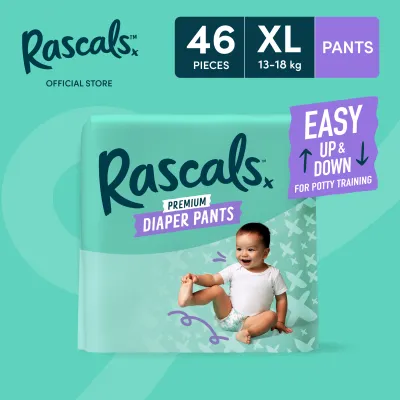
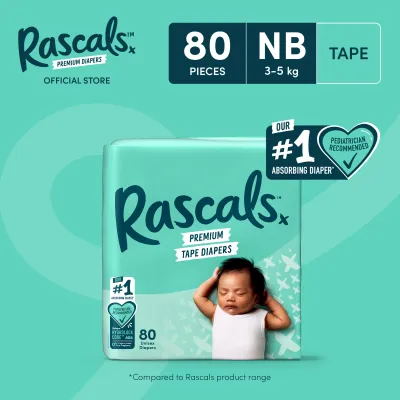
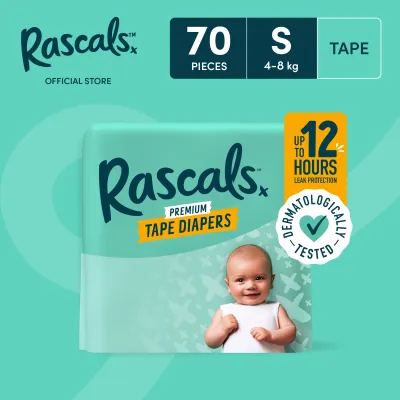
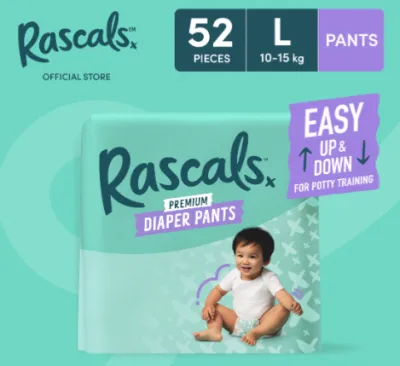
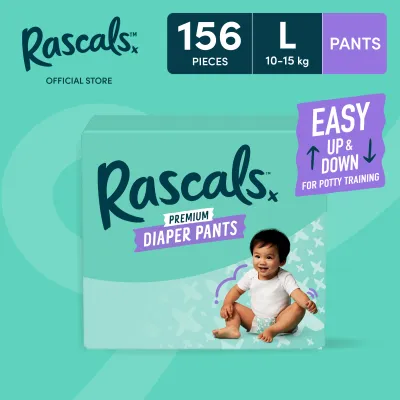
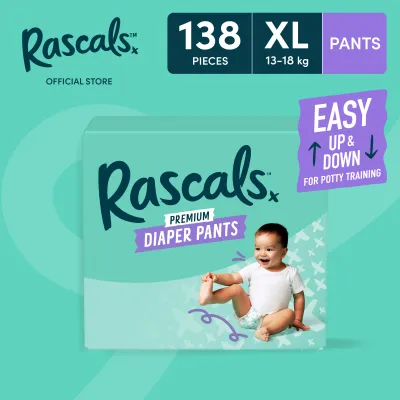
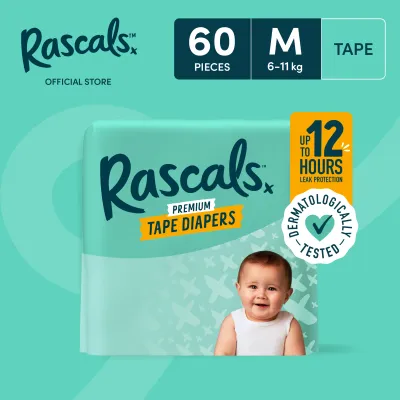
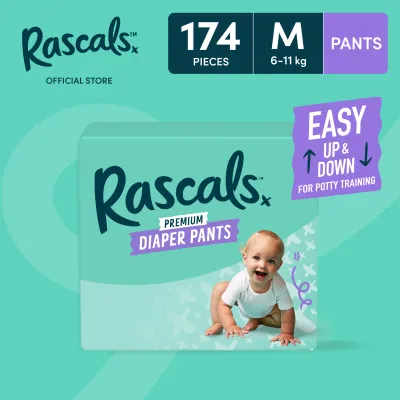
Prices are valid at publication and may change. Please refer to the product page for the latest price.
Ultimately, a diaper’s real-world performance is highly subjective because babies do not come in standard shapes. A diaper that fits a long, lean baby perfectly might cause leaks on a baby with chunky thighs, even if both infants weigh the same. Your baby’s movement patterns—whether they are crawling, rolling, or taking their first steps—will shift the diaper’s position constantly. Therefore, assessing performance requires observing how the diaper adapts to your baby’s physical anatomy and liquid output over several consecutive days.
Comparing Absorbency and Leak Protection Designs
When comparing the absorbency of Rascal, Pampers, and Huggies, parents should closely observe how each brand handles liquid distribution during use. Some diaper designs feature a thicker, more traditional pulp-based core, while others utilize ultra-thin cores packed with high-density SAP. During diaper changes, feel the wet diaper to see if the liquid is concentrated in a single heavy lump or spread evenly from front to back. A well-distributed core keeps the wetness away from your baby’s skin, reducing the risk of irritation in tropical weather.

Wetness indicators are another helpful feature to monitor, though their accuracy can sometimes be affected by high ambient humidity. These color-changing lines run along the outside of the diaper, shifting from yellow to blue as moisture accumulates. In highly humid environments, you may notice the indicator changing color slightly even before the diaper is fully saturated. Rely on a physical touch check alongside the visual indicator to determine if a change is truly necessary, ensuring you do not discard a mostly dry diaper prematurely.
Side leaks are a common frustration, particularly during naps or active play. To evaluate leak protection, check the height and elasticity of the leg barriers on each brand. Rascal is known for its high waistband and deep pocket design, which can be highly effective at containing liquid and solid waste for babies with high-volume outputs. Pampers often features a thinner, more streamlined profile that conforms closely to the body, which may suit babies who prefer less bulk. Huggies frequently utilizes pocketed waistbands and robust leg elastic designed to catch runny messes before they escape.
Overnight performance presents the ultimate test for any diaper’s saturation limits. Manufacturers often claim up to twelve hours of dryness, but actual performance depends on your baby’s sleep duration and nighttime feeding habits. If you notice leaks occurring consistently in the early morning hours, check the diaper’s physical saturation. If the core is completely swollen and heavy, it may be time to size up for nighttime use or look for a brand with a higher designated absorbency capacity on the packaging label.
Evaluating Fit, Comfort, and Skin Compatibility
A diaper’s fit is determined by its cut, waistband stretch, and the durability of its fastening tabs. Rascal typically features a wider, more generous cut with a high waistband, making it a popular option for babies with rounder bellies or chunky thighs. Pampers often presents a narrower, more contoured cut with highly stretchable sides, which can provide a secure fit for leaner babies. Huggies generally offers a balanced, snug fit with strong, re-fastenable tabs that hold their grip even when exposed to baby oil or lotion during changes.
Skin compatibility is a critical consideration in the Philippines, where heat and humidity can exacerbate skin sensitivity. When reviewing diaper labels, look for specific material claims such as fragrance-free, hypoallergenic, or chlorine-free. Some brands incorporate lotion-infused liners designed to create a mild barrier between the skin and moisture. However, because every baby’s skin chemistry is unique, a liner that soothes one baby might trigger sensitivity in another. Always verify these ingredient claims on the packaging if your baby has a history of eczema or reactive skin.
To assess comfort, monitor your baby’s skin for observable signs of friction and pressure marks. Red lines around the thighs or waist indicate that the elastic is too tight or that the diaper’s cut does not align with your baby’s proportions. If you notice these marks persisting for more than a few minutes after removing the diaper, it is a clear sign to adjust the fastening tabs, try a different brand’s cut, or transition to the next size up. Regular skin checks during changes will help you catch these minor fit issues before they develop into painful chafing.
Decision Framework: Choosing Between Rascal, Pampers, and Huggies
Selecting the right diaper involves matching your baby’s physical build and daily routine to the specific design strengths of each brand. Because there is no universal winner, your choice should be guided by observable performance and fit on your baby’s body.
Choose Rascal if your baby has a rounder, chunkier build and you prefer a diaper with a wider cut, high waistband, and deep pocket design. This structure is particularly beneficial for containing high-volume blowouts and providing a loose, comfortable fit around the thighs. It is also an excellent option if you prioritize fragrance-free, hypoallergenic material claims on the packaging and prefer a thicker, highly absorbent core for overnight use.
Choose Pampers if your baby has a leaner, more slender proportion and you prefer a thin, lightweight diaper that allows for maximum freedom of movement. The highly elastic side panels and contoured cut conform closely to active babies, reducing bulk under lightweight tropical clothing. This brand is highly suitable if your baby responds well to its specific liner texture and you value a streamlined fit that minimizes sagging during daytime play.
Choose Huggies if your baby is highly active, crawling, or walking, and requires a snug, secure fit that stays in place during vigorous movement. The robust leg cuffs and pocketed waistband are designed to prevent leaks from shifting positions, making it a reliable choice for babies who transition frequently between sitting, crawling, and standing. It is ideal if you want a balanced diaper that offers strong fastening tabs and dependable wetness distribution.
Regardless of the brand you choose, always prioritize your baby’s skin health and comfort. If you observe persistent diaper rashes, severe friction marks, or continuous fit failures that do not resolve with sizing adjustments, discontinue use immediately. Consult a pediatrician or qualified healthcare professional to address skin irritation or to rule out allergic reactions to specific diaper materials.
Frequently Asked Questions (FAQ)
How often should I change my baby's diaper regardless of the brand's absorbency claims?
As a general hygiene guideline, you should check your baby’s diaper every two to three hours during the day, and change it immediately if it is wet or soiled. Always perform a change right after a bowel movement to prevent stool from irritating the skin. Do not rely solely on wetness indicators or maximum absorbency claims on the packaging; physical checks are the most reliable way to ensure your baby’s skin remains dry and healthy.
Can I mix different diaper brands for daytime and nighttime use?
Yes, mixing diaper brands is a practical strategy used by many parents to balance cost and performance. You might choose a thinner, more flexible diaper for active daytime play and a highly absorbent, wider-cut diaper for overnight sleep. When doing so, ensure that both brands fit your baby securely at their current weight range, and monitor their skin closely to ensure they do not react negatively to the different materials.
What should I do if my baby gets a rash even when using hypoallergenic diapers?
If your baby develops a rash while using a hypoallergenic diaper, increase the frequency of diaper changes to minimize skin contact with moisture. Ensure the diaper area is completely dry before putting on a new diaper, and consider letting your baby have some diaper-free time to allow the skin to breathe. Check for other potential environmental irritants, such as baby wipes or laundry detergents, and consult a pediatrician if the rash persists, worsens, or shows signs of infection.

Community discussion
Share your experience or ask a question. Comments are reviewed before publication.