
Finding the right daytime diaper for an active toddler requires balancing absorption speed, physical fit, and structural leak barriers. When your baby transitions into larger sizes, selecting the correct brand becomes even more critical because the volume of daytime voids increases, and their physical movements become more vigorous. Comparing Rascal + Friends XL with other major options like Pampers, Equator, and Huggies reveals that there is no single, universally superior diaper. Instead, the most reliable daytime protection depends on how a brand’s specific design matches your baby’s physical build, skin sensitivity, and activity levels.
While marketing campaigns often promise absolute dryness, real-world performance is highly conditional. A diaper that fits a round-bellied toddler perfectly may gap and leak on a leaner, long-torsoed baby of the exact same weight. Furthermore, the “XL” size label is not a standardized industry measurement. Each manufacturer uses its own proprietary sizing block, meaning the physical dimensions, rise, and elastic tension can vary significantly from one brand to another. To prevent daytime leaks, you must look past the letter sizing and carefully verify the weight ranges, structural features, and materials printed on each package.
Key Dimensions for Comparing Daytime Absorbency and Leak Prevention
Evaluating daytime diaper performance requires looking at specific engineering elements rather than general brand reputation. Daytime wear presents unique challenges compared to overnight use. During the day, babies are sitting, crawling, climbing, and running, which subjects the diaper to localized pressure. This pressure can cause a phenomenon known as “rewet,” where liquid is squeezed back out of the absorbent core and onto the baby’s skin or through the leg seams. Understanding the structural components of a diaper helps you identify which model will perform best under these active conditions.
Products mentioned in this guide
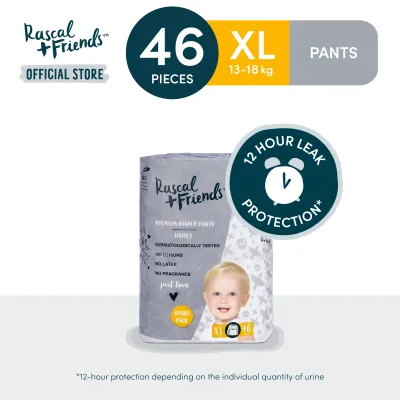
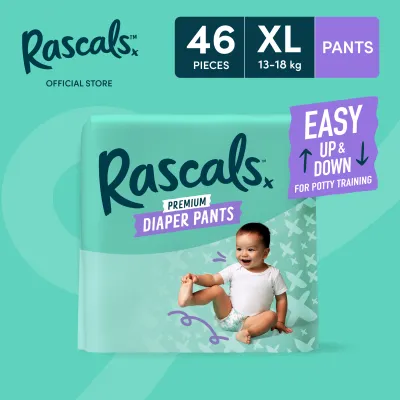
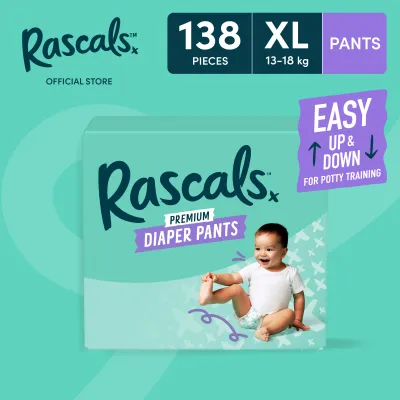
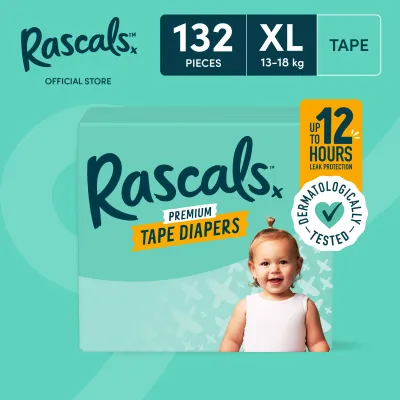
Prices are valid at publication and may change. Please refer to the product page for the latest price.
Absorbent Core Technology and Moisture Distribution
The heart of any diaper is its absorbent core, which is typically composed of a blend of fluff pulp and superabsorbent polymer (SAP) particles. When evaluating a diaper package, look for terms that describe how moisture is distributed throughout this core. Modern daytime diapers often feature specialized channel designs or multi-layer cores that actively draw liquid away from the point of impact and spread it evenly along the length of the diaper. This prevents the core from sagging or clumping in one spot, which can restrict your baby’s movement and compromise leak protection.
Unlike overnight diapers, which are engineered with a high volume of SAP to store large amounts of liquid over ten to twelve hours, daytime diapers prioritize rapid acquisition and surface dryness. Because toddlers urinate more frequently but in smaller volumes during their waking hours, the diaper must absorb each void almost instantly to prevent pooling. When selecting an XL diaper, check the manufacturer’s stated weight limits on the packaging. Ensure your baby’s current weight sits comfortably within the middle of that range, as a core designed for a heavier weight class may be too bulky and stiff for a lighter baby, while a core meant for a lighter range will saturate too quickly.
Leak Guard Construction and Leg Cuffs
Even the most absorbent core will fail if the diaper’s physical barriers do not contain liquid long enough for the SAP to lock it away. This is where standing leg cuffs, also known as leg gathers, play a vital role. These cuffs are made of hydrophobic non-woven fabrics that repel water, acting as flexible walls along the leg openings. When you open a diaper package, physically inspect the height and elasticity of these inner cuffs. They should stand upright and have enough tension to hug your baby’s thighs without digging into the skin.
A proper seal depends entirely on the cuff sitting flat against the baby’s thigh without any gaps. If your baby has chubby thighs, very tight elastic cuffs can cause painful red marks and skin irritation. Conversely, if your baby has a leaner build, loose cuffs will create gaps when they bend their legs, leading to immediate side leaks during active play. The waistband elasticity also contributes to this seal; a secure, stretchy back waistband prevents liquid from escaping up the back when your baby sits down immediately after urinating.
Fit, Breathability, and XL Sizing Consistency
Sizing consistency is one of the most common sources of confusion for parents. An XL diaper from Rascal + Friends may have a completely different physical cut, waist height, and leg opening circumference compared to an XL from Pampers, Equator, or Huggies. To find the right fit, you must compare the exact kilogram ranges printed on the packaging. For instance, some brands design their XL size for babies weighing 12 to 17 kilograms, while others may target 13 to 18 kilograms or even 15 kilograms and above.
In warm, humid tropical environments, breathability is just as important as fit for daytime leak prevention. When a diaper lacks adequate ventilation, heat and sweat build up quickly inside the chassis. This trapped moisture can lead to sweat rash, chafing, and overall discomfort. A fussy, uncomfortable baby will constantly pull at their diaper, shifting it out of alignment and creating gaps that lead to leaks. Look for packages that explicitly mention microporous backsheets or breathable outer covers, which allow hot air and water vapor to escape while keeping liquid safely contained.
Brand-by-Brand Structural Breakdown: What to Check on the Package
To make an informed decision, you need to know what specific design choices each brand utilizes in their XL daytime diapers. By understanding these structural differences, you can match the diaper’s physical shape to your baby’s unique anatomy.

Rascal + Friends XL
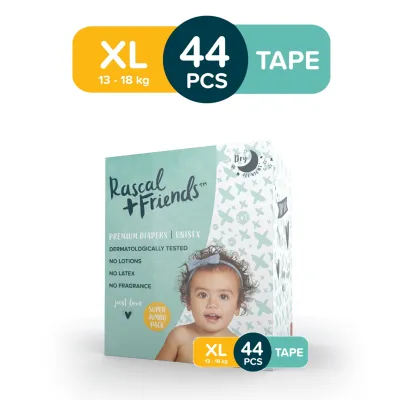
When inspecting a package of rascal xl diapers, the first thing to verify is the specific weight threshold and the physical cut of the waistband. This brand is structurally characterized by an exceptionally high waistband and a deep pocket design, which is intended to provide extensive coverage up the baby’s back. Look at the packaging for details regarding their 3D core technology and wide pocket construction.
Upon opening the pack, visually check the width of the side panels and the fastening tabs. Rascal + Friends typically utilizes wide, strong grip tabs that secure the diaper firmly around the waist. The topsheet often features a embossed pattern designed to quickly draw liquid into the core. If your baby is highly active and prone to climbing or twisting, check that the side panels stretch sufficiently to accommodate their waist expansion when sitting down, ensuring the high waistband does not gap at the lower back.
Pampers (e.g., Premium Care or Baby Dry)
When evaluating Pampers XL options, you must first verify which specific product line you are purchasing, such as Premium Care or Baby Dry, as their structural designs differ. Pampers daytime lines generally focus on a very thin, lightweight profile. Look on the packaging for references to their proprietary absorbent channels, which are engineered to distribute wetness evenly and prevent the diaper from sagging between the legs.
Inspect the physical dimensions of the Pampers XL diaper against your baby’s current measurements. The brand typically features highly stretchable side elastics that wrap snugly around the waist. If you are choosing the Premium Care line, check the packaging for descriptions of their soft, micro-porous topsheet designed for skin protection. For active daytime wear, verify that the leg cuffs are soft and flexible, as the thinner profile of Pampers relies heavily on a precise, body-hugging fit to prevent leaks during rapid movement.
Equator
Equator diapers are often chosen for their practical, straightforward construction. When looking at an Equator XL package, verify the stated weight range and compare it directly to your baby’s current weight. You should physically inspect the diaper’s core density; some utility-focused brands utilize a slightly thicker core composition that relies more on traditional pulp distribution rather than highly segmented channel systems.
Check the height of the standing leg cuffs on the Equator diaper. Ensure that the elastic gathers have sufficient tension to create a reliable barrier without being overly stiff. Examine the waistband’s elasticity at both the front and back. Because these diapers may have a more traditional, boxier cut, they are often best suited for babies whose body shapes align closely with the standard sizing grid, requiring careful adjustment of the fastening tapes to ensure there are no gaps around the thighs during active play.
Huggies (e.g., Dry or Ultra Comfort)
Huggies daytime diapers, such as the Dry or Ultra Comfort lines, are known for their structured, contoured fit. When examining a Huggies XL package, look for features like a pocketed waistband, which is specifically designed to trap runny messes and prevent back blowouts. Verify the weight limits on the package to ensure they align with your toddler’s current growth stage.
Physically check the Huggies diaper for its overall elasticity. The brand frequently uses a highly elastic waistband combined with contoured leg gathers that curve naturally around the baby’s thighs. This design is engineered to minimize bunching between the legs as your baby walks or crawls. Inspect the side panels to confirm they offer enough stretch to keep the diaper secure during high-impact daytime activities, such as jumping or bending.
How to Test and Verify Daytime Performance at Home
Instead of relying solely on package claims, you can conduct a safe, practical, and completely reversible evaluation of these diapers in your own home. This hands-on approach allows you to identify fit and absorbency issues before committing to a bulk purchase.
- The "Dry Surface" Check: To evaluate how quickly a diaper absorbs liquid and prevents rewetting, monitor your baby during daytime play. Approximately 15 to 30 minutes after you suspect your baby has urinated, gently slide a clean, dry finger inside the diaper and touch the inner topsheet. Alternatively, press a small piece of dry toilet paper against the topsheet during a diaper change. If your finger or the paper comes away noticeably wet, the diaper's core is not absorbing quickly enough, or the topsheet is failing to keep moisture locked away from your baby's skin.
- The Fit Inspection: Every time you put a new diaper on your baby, perform a quick physical fit check. Apply the two-finger rule: you should be able to slide two fingers comfortably between the diaper's waistband and your baby's stomach when they are in both a standing and a sitting position. If you cannot fit your fingers, the diaper is too tight and may cause chafing. Next, run your index finger along the inside of the leg openings to ensure the standing inner leg cuffs are fully upright and the outer ruffled cuffs are flared completely outward, rather than tucked inward.
- The Leak Audit: If a leak occurs, do not immediately discard the brand. Instead, analyze the specific location of the wetness. A leak that occurs at the front waistband when a baby is crawling or sitting suggests the diaper's rise is too low or the front elastic is loose. A leak originating from the side leg openings typically indicates that the leg cuffs were either tucked in, the elastic has lost its tension, or the diaper's overall size is too large for your baby's thigh circumference. Keeping track of these patterns will tell you whether you need to adjust your application technique, change sizes, or switch to a different brand's cut.
Always prioritize your baby’s skin health during any testing process. If you notice persistent redness, red marks that do not disappear within 15 minutes of removing the diaper, or signs of diaper dermatitis, stop using that specific diaper immediately. Clean the area gently with water, allow the skin to air dry completely, and consult a pediatrician if the irritation persists or worsens.
Decision Framework: Choosing the Right Daytime Diaper
To simplify your decision, use this structured framework to match your baby’s physical traits and your daily requirements to the most compatible diaper design.
- Choose Rascal + Friends XL if: Your baby has a rounder belly, chubby thighs, or a long torso, and you require a diaper with an exceptionally high waistband and wide side panels to prevent back leaks during active climbing and play.
- Choose Pampers if: Your baby has a leaner, more slender build, and you prefer an ultra-thin, lightweight diaper with fast-absorbing channels that keep the core slim and prevent sagging during active daytime hours.
- Choose Equator if: You want a straightforward, traditionally structured diaper and your baby's physical dimensions align perfectly with the standard weight range printed on the packaging, allowing for a secure fit without excess material.
- Choose Huggies if: Your baby is highly active, prone to sudden large voids while sitting, and you need a highly contoured fit with a pocketed waistband to contain messes during vigorous daytime movement.
- Verify first if: Your baby is currently transitioning between sizes or has highly sensitive skin. If their weight overlaps with multiple sizes (such as being at the upper limit of L and the lower limit of XL), always purchase a small pack first to conduct a physical fit test before buying in bulk.
Frequently Asked Questions (FAQ)
Why does my baby's XL diaper leak during the day even when it is not full?
Daytime leaks in a diaper that is not fully saturated are almost always caused by fit or application issues rather than a failure of the absorbent core. If the outer leg ruffles are accidentally tucked inward during a diaper change, liquid will bypass the inner standing cuffs and leak onto clothing. Additionally, if your baby has lost baby fat or has a leaner thigh profile, the leg openings of an XL diaper may gap when they crawl or run, allowing urine to escape before it can reach the absorbent core. Always ensure the diaper is centered, the tabs are fastened symmetrically, and the leg cuffs are fully flared outward.
Can I use overnight diapers for daytime leak protection?
While overnight diapers offer excellent absorbency, they are generally not recommended for active daytime wear. Overnight diapers are engineered with a higher concentration of superabsorbent polymers and thicker fluff pulp to hold large volumes of liquid over long, stationary periods. This makes them significantly bulkier and less breathable than daytime-specific designs. In warm, humid climates, wearing a thick overnight diaper during active daytime hours can trap body heat and sweat, leading to severe skin irritation, chafing, and restricted mobility for your toddler.

Community discussion
Share your experience or ask a question. Comments are reviewed before publication.