
Choosing between Rascal + Friends, Pampers, and Huggies depends on your baby’s unique body shape, skin sensitivity, and your family’s daily budget. There is no single diaper brand that works perfectly for every infant; instead, the right choice is the one that matches your baby’s current weight range, prevents observable leaks under tropical humidity, and keeps their skin dry and comfortable. Parents in the Philippines often navigate high heat and moisture, making diaper fit and breathability critical factors for daily comfort. By evaluating the physical design, absorbency indicators, material certifications, and cost-per-piece value of each brand, you can establish a reliable diapering routine that supports your baby’s active development.
Comparing Fit, Cut, and Design Features
The physical structure of a diaper determines how well it contains messes during active play and sleep. Rascal + Friends is widely recognized for its high waistband and deep pocket design. This structural cut is engineered to sit higher on the baby’s back, which can be highly effective for babies with rounder bellies or those prone to up-the-back leaks. The waistband features wide, elastic gathers that provide a secure grip around the torso. Caregivers should regularly inspect the baby’s skin after removing the diaper to ensure these elastic bands do not leave deep red marks, which would indicate the fit is too tight.
In contrast, Pampers diapers generally feature a slimmer, more contoured profile. This design aims to minimize bulk between the thighs, allowing for easier movement as babies begin to crawl, cruise, and walk. The fastening tabs on Pampers tape diapers are highly stretchable, allowing for a customized fit around the waist. However, parents of babies with exceptionally chunky thighs should carefully inspect the leg cuffs of this slimmer cut to ensure the elastic gathers sit flat against the skin without pinching or restricting circulation.
Products mentioned in this guide
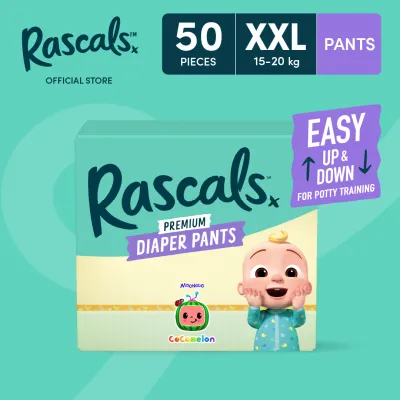
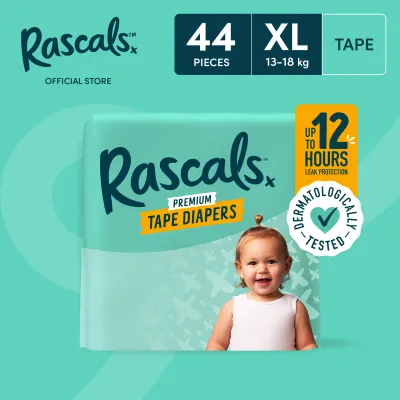
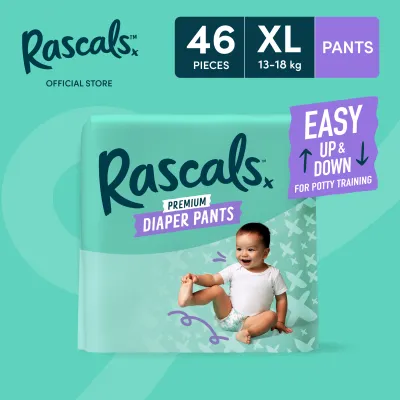
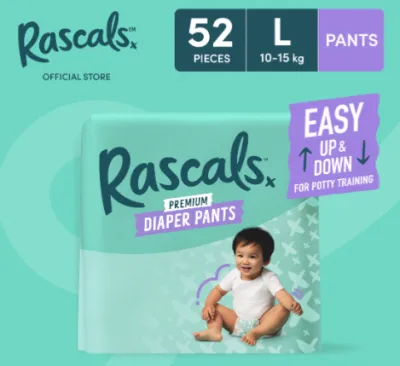
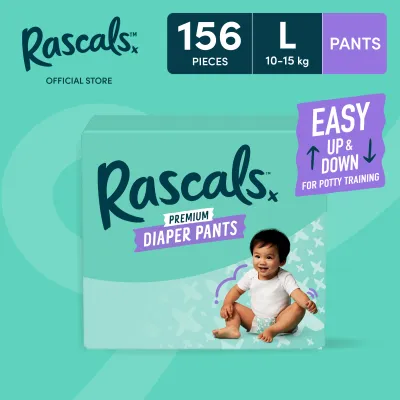
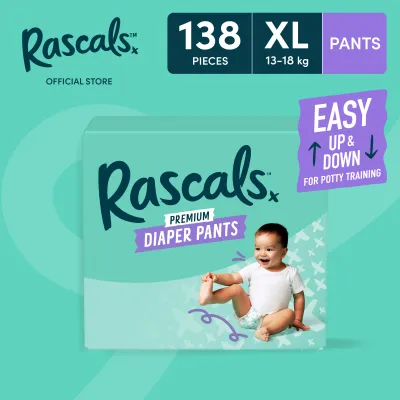
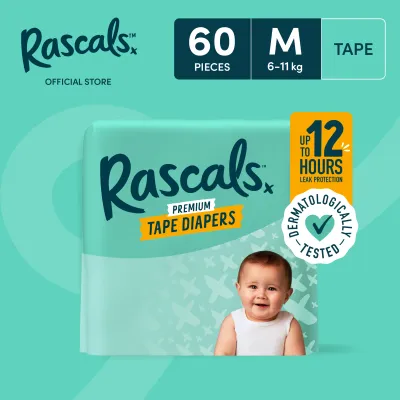
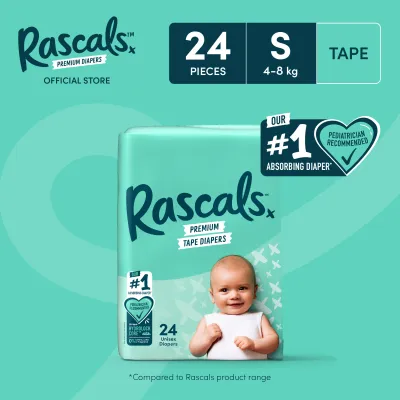
Prices are valid at publication and may change. Please refer to the product page for the latest price.
Huggies diapers frequently incorporate a pocketed waistband at the back, specifically designed to trap runny messes before they escape. Their overall cut tends to be structured and robust, with sturdy fastening tabs that resist peeling during active movement. When fitting any of these brands, parents must manually run a finger along the inner leg cuffs to flare them outward, creating an active barrier against side leaks.
Wetness indicators vary across these brands and specific product lines, such as tape versus pants variants. A visible color-changing line along the center of the diaper helps caregivers monitor saturation without opening the diaper. During active daytime movement, check if the fastening tabs remain securely anchored or if they begin to curl and lose grip, which indicates the diaper may be carrying too much weight or the size needs adjustment.
Assessing Absorbency and Leak Protection
Diaper packaging often highlights proprietary core technologies, such as 3D core designs, liquid-channeling layers, or superabsorbent polymers. While these specifications describe how moisture is distributed throughout the diaper, they do not guarantee absolute leak prevention under all conditions. The actual performance depends heavily on the diaper’s alignment with your baby’s current weight, movement patterns, and wetting habits.

In the tropical climate of the Philippines, high humidity can make diaper saturation more apparent. Parents should monitor for physical signs of sagging, which occurs when the absorbent core becomes heavy and pulls away from the baby’s body. This sagging can create gaps around the thighs, leading to compression leaks when the baby sits down, rolls over, or plays actively. A diaper that sags excessively may require more frequent changes, even if the wetness indicator shows it is not fully saturated.
If you experience frequent leaks, it is important to evaluate the diaper’s fit and your changing schedule before assuming the brand is ineffective. A diaper that leaks consistently during overnight sleep may simply be saturated beyond its capacity, requiring a transition to a dedicated overnight variant or a larger size. Additionally, verify that the diaper’s weight guidelines on the packaging align with your baby’s actual weight, as an undersized diaper lacks the physical volume needed to contain heavy wetting.
Navigating Skin Sensitivity and Material Comfort
The texture of the diaper’s inner lining plays a significant role in preventing friction-induced irritation. Rascal + Friends typically features a feather-soft top sheet with a pocketed design to keep moisture away from the skin. Pampers often utilizes a soft, breathable top sheet designed to channel wetness rapidly into the core, while Huggies focuses on cottony-soft materials that minimize chafing during continuous movement.
When selecting a diaper for sensitive skin, parents should carefully inspect the product packaging for specific manufacturing standards. Look for labels indicating the product is fragrance-free, elemental chlorine-free, or dermatologically tested. Because certifications can change over time, verifying these details on the current packaging of your chosen pack is a reliable way to ensure the materials meet your baby’s skin requirements.
Despite advanced materials, diaper rash and redness can still occur due to prolonged exposure to moisture, friction, or individual skin sensitivities. Caregivers should establish a routine of frequent diaper changes, thorough cleaning with gentle wipes or water, and allowing the skin to air dry completely. If redness, bumps, or skin irritation persist despite changing diaper brands and maintaining clean habits, stop using the product and consult a qualified pediatrician for professional medical advice.
Evaluating Price, Value, and Local Availability
Managing diaper expenses requires a clear understanding of cost-per-piece value rather than simply comparing the retail price of a single pack. To calculate this, divide the total price of the pack by the number of diapers inside. Larger packaging options, such as jumbo boxes or promotional bundles available on local e-commerce platforms and physical supermarkets, often offer a lower cost per diaper, but this value is only realized if the diaper fits your baby well.
Availability can vary significantly across regions in the Philippines. Standard sizes and popular lines from Pampers and Huggies are widely accessible in local grocery stores, drugstores, and neighborhood supermarkets. Rascal + Friends, while increasingly available, may sometimes be easier to source through official online flagship stores. Parents should check the consistent availability of their preferred size—especially when transitioning from newborn tape diapers to active toddler pants—to avoid sudden brand switches.
A common pitfall is purchasing bulk boxes of a new brand or a larger size prematurely. Babies grow at unpredictable rates, and a diaper that fits perfectly this week may become too tight next month. Furthermore, a brand that works well for another baby might cause skin irritation or leaks for yours. Always purchase a small trial pack first to verify the fit, absorbency, and skin compatibility before investing in large quantities.
Decision Framework: Which Diaper Brand Fits Your Baby?
To simplify your selection, consider this conditional framework based on your baby’s current physical needs and your household budget:
Choose Rascal + Friends if your baby has a rounder belly or chunky thighs, as the high waistband and deep pocket design provide generous coverage. This brand is also suitable if you prioritize fragrance-free, dermatologically tested materials and prefer purchasing through online flagship stores.
Choose Pampers if you prefer a slim, contoured diaper that minimizes bulk under clothing and allows for highly flexible movement. This option is ideal if you value widespread availability in local physical supermarkets and want a highly stretchable fastening system.
Choose Huggies if your baby is prone to up-the-back blowouts and you want a dedicated pocketed waistband to contain messes. This brand is highly suitable for parents who want a structured, durable diaper that is easily accessible in almost any local drugstore or grocery store.
Verify first if your baby has diagnosed medical skin conditions, highly sensitive skin, or unusual body proportions that do not align with standard weight charts. In these cases, consult a pediatrician or pediatric dermatologist before committing to a specific brand. Additionally, if your baby is an exceptionally heavy wetter, you may need to verify the performance of specialized overnight lines rather than relying on standard daytime diapers.
Ultimately, your baby’s physical comfort and skin health should guide your decision rather than marketing claims or general popularity. Utilizing small trial packs allows you to observe how each diaper performs during daily play and overnight sleep, ensuring you find the perfect match for your baby’s unique needs.
Frequently Asked Questions (FAQ)
How do I know if I need to size up in Rascal + Friends, Pampers, or Huggies?
Regardless of the weight guidelines printed on the packaging, several physical signs indicate it is time to size up. Look for red marks or elastic indentations around your baby’s thighs or waist, which suggest the diaper is too tight. Frequent blowouts, constant sagging even when the diaper is fresh, and difficulty stretching the adhesive tabs to fasten them securely in the designated landing zone are clear indicators that your baby has outgrown the current size.
Can I mix different diaper brands for daytime and overnight use?
Yes, mixing diaper brands is a highly practical and cost-effective strategy for many families. You can use a more budget-friendly brand for frequent daytime changes when you can monitor and replace the diaper quickly. For long overnight stretches, you can transition to a brand or specific product line known for higher absorbency and a snugger fit to prevent leaks while your baby sleeps. Just ensure both selected brands fit your baby’s current body shape properly to avoid leaks during transitions.

Community discussion
Share your experience or ask a question. Comments are reviewed before publication.