
Finding the right diaper for a larger toddler requires balancing maximum absorbency with a secure, comfortable fit. In a tropical climate like the Philippines, where high humidity and heat are daily realities, this choice becomes even more critical. While Rascal and Friends, Pampers, Huggies, and Equator all offer extended sizing, their cuts, elasticity, and core materials differ significantly. Because diaper performance varies based on a child’s unique body shape and wetting patterns, parents must look beyond the simple “XXXL” label to understand how each brand’s physical features function in practice.
An ill-fitting diaper not only leads to frustrating leaks and blowouts but can also cause skin irritation and discomfort for an active toddler. By evaluating the physical construction, manufacturer specifications, and observable fit signals of each brand, caregivers can make an informed decision that keeps their toddler dry, comfortable, and rash-free.
Verifying XXXL Sizing Across Different Brands
When a toddler reaches the transition phase into XXXL diapers, caregivers often assume that the sizing remains consistent across different manufacturers. However, “XXXL” is not a standardized universal measurement. Each brand establishes its own weight ranges and sizing parameters based on its target demographic and design philosophy. For instance, one brand’s XXXL might cater to toddlers starting at 18 kilograms, while another might design its largest size for children weighing 20 kilograms or more. It is essential to check the specific weight limits printed on each brand’s packaging before making a purchase.
Products mentioned in this guide
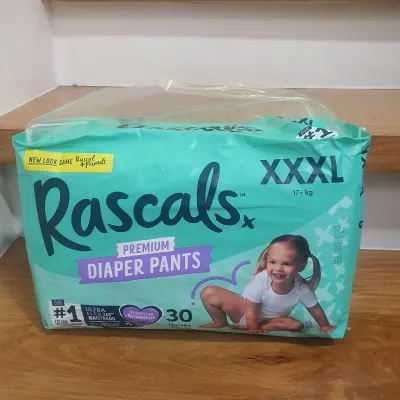
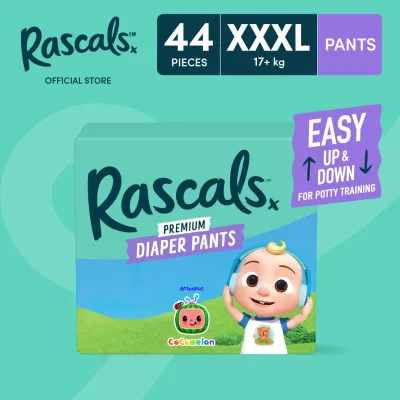
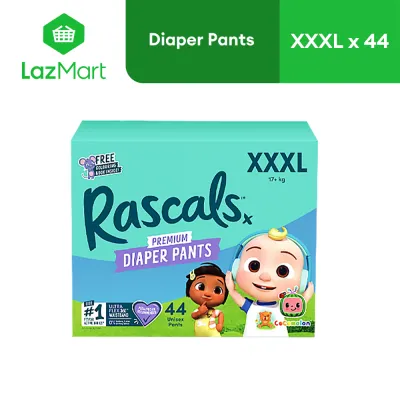
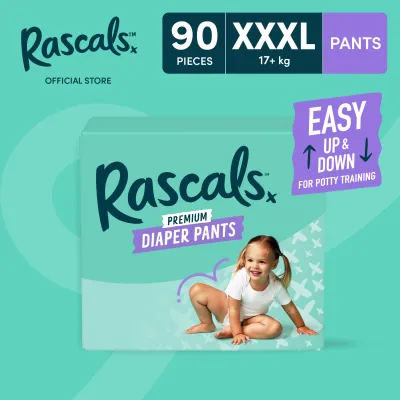
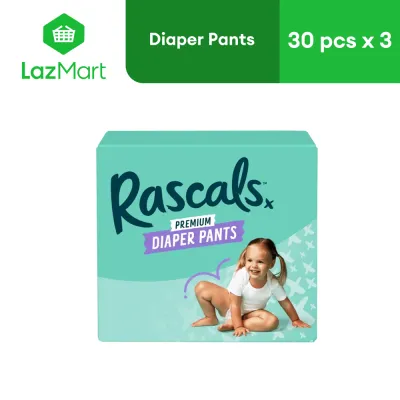
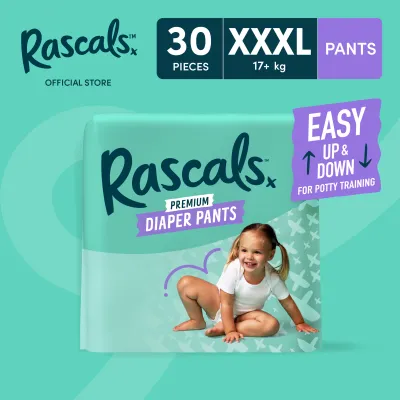
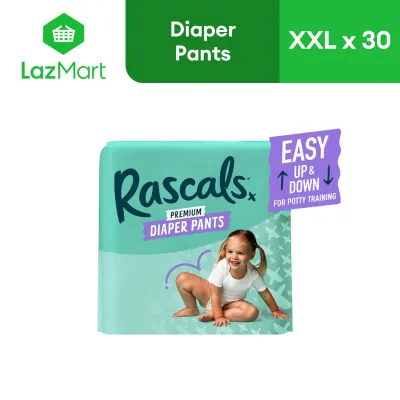
Prices are valid at publication and may change. Please refer to the product page for the latest price.
Relying solely on weight guidelines can still lead to fit issues, as weight does not account for body shape. Caregivers must actively observe physical signs that a toddler has outgrown their current size. Common indicators include deep red marks or indentations on the thighs and waist, which suggest the elastic is too tight. Frequent waistband gaps when the toddler bends or sits also indicate that the diaper’s rise is too short. Additionally, sudden, unexplained leaks in a diaper that previously performed well often signal that the toddler’s urine volume has exceeded the diaper’s physical capacity, necessitating a step up in size.
It is also common for a toddler to fit comfortably in an XXXL diaper from one brand while requiring a completely different size or product line in another. For example, a brand with a narrower cut might feel restrictive on a toddler with a wider torso, even if the child’s weight falls within the recommended range. In such cases, switching to a brand known for a more generous cut or transitioning to specialized overnight-specific variants can resolve the issue.
Evaluating Absorbency Features for Heavy Wetters
For larger toddlers, who naturally produce a higher volume of urine, absorbency is a primary concern. When evaluating diaper packaging, caregivers should look for specific core technology descriptions that indicate high-capacity performance. Modern disposable diapers utilize superabsorbent polymers (SAP) in the form of multi-layer gel beads. These beads absorb liquid and lock it away from the skin, converting it into a gel. Advanced channel designs are also crucial, as they distribute wetness evenly throughout the core rather than allowing it to pool in one spot, which causes the diaper to sag and leak.

Sagging is a common issue in larger diaper sizes, as the weight of the wet core can pull the waistband down, breaking the seal around the legs. To prevent this, premium diaper lines often feature specialized distribution layers or structural channels that keep the core flat and secure even when fully saturated. When comparing Rascal and Friends, Pampers, Huggies, and Equator, look for packaging terms like “absorbent channels,” “3D core,” or “distribution sheets.” These features indicate that the diaper is engineered to maintain its shape and protect against sagging during active play.
Wetness indicators are another valuable feature to consider, especially for busy caregivers. These color-changing strips on the outside of the diaper provide a quick visual cue that the diaper is wet, reducing the need for manual checks. However, some high-capacity or overnight-specific diapers omit wetness indicators in their largest sizes to maximize the breathability of the outer cover. Caregivers must weigh the convenience of a wetness indicator against the potential benefits of a highly breathable outer layer, which is particularly important for preventing heat rash in warm, tropical environments.
Finally, it is important to distinguish between standard daytime absorbency and specialized overnight or “extra dry” product lines. Standard daytime diapers are designed for flexibility and frequent changes, prioritizing a thinner profile. In contrast, overnight variants feature reinforced cores and higher leak guards to handle prolonged wetting over twelve hours. If your toddler is a heavy wetter, especially during sleep, relying on a standard daytime XXXL diaper may result in leaks, regardless of the brand. In such cases, seeking out the brand’s dedicated overnight line is often the most effective solution.
Assessing Fit, Elasticity, and Leak Protection
A diaper’s ability to prevent leaks depends heavily on its physical construction, elasticity, and how well it conforms to a toddler’s movements. The waistband is the first line of defense against back leaks and blowouts. Caregivers should examine the elasticity of the waistband and the stretchability of the side panels. A high-quality XXXL diaper should feature a wide, highly elastic waistband that stretches comfortably to accommodate a toddler’s belly as it expands after meals. The fastening tabs must also be strong and re-adjustable, allowing for a secure, customized fit that does not loosen during active play.
Leg cuffs and leak guards are equally critical for containing wetness, particularly when the toddler is running, climbing, or sleeping on their side. The inner leak guards should stand upright and feel soft to the touch, creating a gentle barrier that prevents liquid from escaping. The outer leg cuffs should feature soft, flexible elastic that hugs the thighs without digging in. If the elastic is too stiff, it can cause painful chafing and red marks, especially in hot and humid weather. Caregivers should physically inspect these cuffs to ensure they are fully extended and not tucked inward when putting the diaper on.
Active toddlers require contoured or ergonomic shaping that adapts to their constant movement. Diapers that are cut too straight or boxy tend to bunch up between the legs, creating gaps at the thighs and waist where leaks can easily occur. A contoured design mimics the natural curves of a toddler’s body, reducing bulkiness and ensuring the diaper remains flush against the skin. When evaluating Rascal and Friends, Pampers, Huggies, and Equator, look for physical design elements like curved leg cutouts and flexible side panels that allow for a full range of motion without compromising leak protection.
Feature Comparison Checklist for the Four Brands
To help you compare Rascal and Friends, Pampers, Huggies, and Equator systematically, it is useful to look at their observable design philosophies and label specifications side-by-side. Because performance can vary, focusing on these verifiable physical traits allows you to match the diaper to your specific needs.
| Feature to Verify | Rascal and Friends XXXL | Pampers XXXL | Huggies XXXL | Equator XXXL |
|---|---|---|---|---|
| Waistband Design | High waistband, deep pocket | Flexible, standard rise | Elastic waistband, snug fit | Straight cut, standard rise |
| Core Technology | Multi-channel liquid dispersion | Thin, channel-based core | Snug-fit absorbent core | Standard absorbent core |
| Side Panel Stretch | Wide, high-stretch panels | Soft, flexible side tabs | Highly elastic side bands | Standard adhesive tabs |
| Wetness Indicator | Verify on packaging | Verify on packaging | Verify on packaging | Verify on packaging |
When using this checklist, keep in mind that features often vary significantly between a brand’s basic and top-tier product lines. For example, a brand’s premium line may feature advanced channel technology and ultra-soft materials, while its budget-friendly line may use a more traditional, thicker pulp core. Always check the specific product line name on the packaging to ensure you are comparing equivalent tiers.
To confirm these details before purchasing, caregivers should look for verified product specifications on the manufacturer’s official website or the product packaging. Pay close attention to the listed materials, breathability ratings, and any specific design certifications. This verification step is particularly important when buying online, as product packaging and features can occasionally be updated by the manufacturer without immediate changes to online product listings.
Decision Framework: Matching Diaper Traits to Your Toddler
Choosing the right XXXL diaper involves matching the specific physical traits of the diaper to your toddler’s body shape, wetting habits, and skin sensitivity. To simplify this process, caregivers can use a structured decision framework based on observable needs.
- Choose a brand with a high waistband and deep back pocket (such as the design philosophy seen in Rascal and Friends) if your toddler has a long torso, is prone to back leaks, or frequently experiences blowouts during active play.
- Choose a brand with highly flexible, thin channel cores (such as the design philosophy seen in Pampers) if your toddler is highly active, dislikes bulky diapers, and requires maximum freedom of movement during the day.
- Choose a brand with robust, wide-stretch side panels (such as the design philosophy seen in Huggies) if your toddler has a rounder belly or chunkier thighs that require a highly elastic, snug fit to prevent red marks.
- Choose a brand with straightforward, high-capacity utility (such as the design philosophy seen in Equator) if you prioritize a budget-friendly option for frequent daytime changes and do not require advanced premium features.
Before committing to large, expensive bulk boxes of XXXL diapers, it is highly recommended to purchase small trial packs or request samples. Testing a diaper in real-world conditions is the only way to verify how its cut and absorbency perform on your child. Observe how the diaper looks after a few hours of play and check for any signs of dampness on the outer cover or the toddler’s skin.
Finally, caregivers must establish clear stop conditions. If your toddler experiences persistent leaks despite correct sizing, severe red marks that do not fade within ten minutes of removing the diaper, or signs of skin irritation like diaper rash, stop using that specific brand immediately. These signs indicate that the diaper’s cut, materials, or breathability are not compatible with your child’s body or skin. In such cases, switching to a different brand or consulting a pediatrician for guidance is the safest course of action.
Frequently Asked Questions (FAQ)
When should I switch from XXXL taped diapers to pull-up pants?
Transitioning from taped diapers to pull-up pants is typically driven by developmental milestones and physical activity levels. Caregivers should consider making the switch when the toddler begins showing interest in potty training, such as expressing a desire to use the toilet or staying dry for longer periods. Pull-up pants are designed to be pulled up and down easily, which encourages independence and helps toddlers practice toilet routines. Additionally, if an active toddler has become highly resistant to lying down for diaper changes, pull-up pants offer a much faster and more convenient changing process. Always verify the weight ranges for XXXL pull-up options, as the fit of pants can differ from taped diapers.
How can I prevent diaper rash when using high-absorbency XXXL diapers?
Preventing diaper rash when using high-capacity XXXL diapers requires diligent hygiene practices, especially in warm and humid climates. Even if a diaper claims twelve-hour absorbency, it should be changed promptly once soiled or when the wetness indicator shows it is full. Prolonged contact with urine and stool breaks down the skin’s natural barrier, leading to irritation. After removing a wet diaper, ensure the toddler’s skin is completely clean and dry before putting on a fresh one. Applying a thin layer of a standard zinc oxide-based barrier cream according to pediatric guidelines can protect the skin from moisture. Caregivers should also monitor for signs of contact dermatitis or allergic reactions to specific diaper materials or fragrances, and stop using the brand if a rash develops.

Community discussion
Share your experience or ask a question. Comments are reviewed before publication.