
Finding a diaper that keeps your baby dry and comfortable throughout the night is one of the most common challenges for parents. A single nighttime leak can disrupt your baby’s sleep, which in turn affects the rest of the family’s rest. When comparing prominent brands like Rascal and Friends, Pampers, and Huggies, the ideal choice is rarely a one-size-fits-all solution.
In humid tropical climates like the Philippines, overnight diaper performance requires a delicate balance of heavy-duty absorbency and exceptional breathability. High humidity levels mean that trapped moisture can quickly lead to skin irritation or heat rash. Therefore, evaluating how these brands manage moisture over a continuous ten- to twelve-hour period is essential for maintaining both sleep quality and skin health.
This comparison analyzes the structural designs, absorption technologies, and fit characteristics of Rascal and Friends, Pampers, and Huggies. By understanding how each brand approaches overnight protection, you can select the diaper design that best matches your baby’s unique sleeping habits, body shape, and skin sensitivity.
Products mentioned in this guide
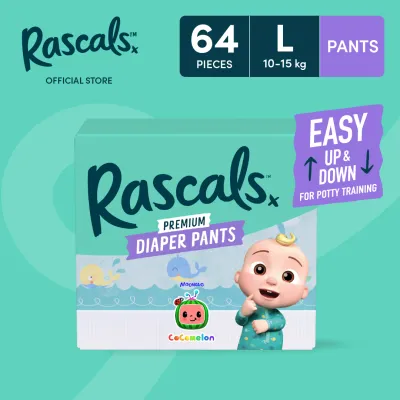
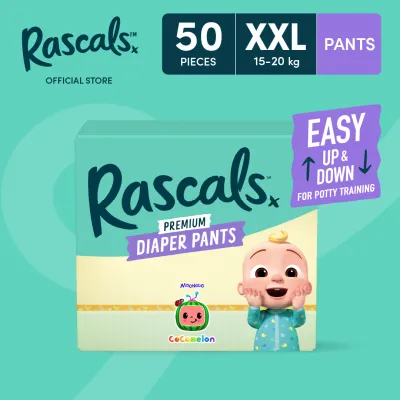
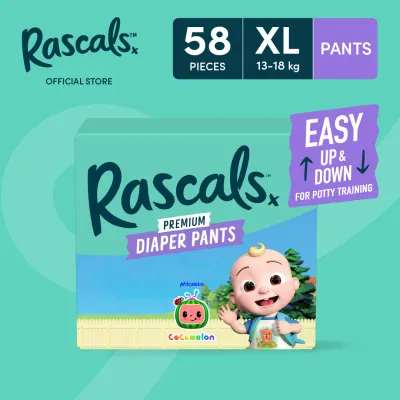
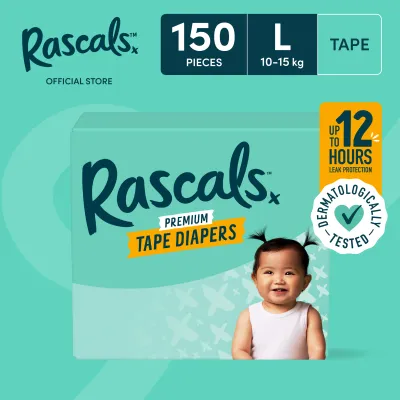
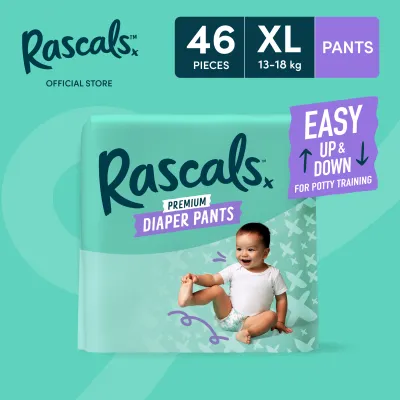
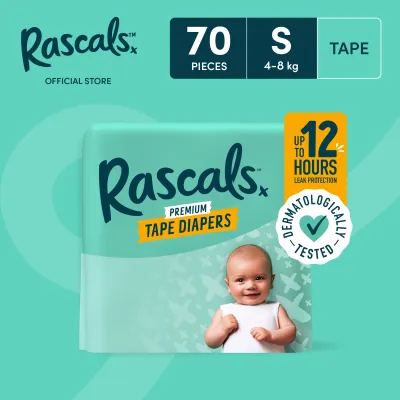
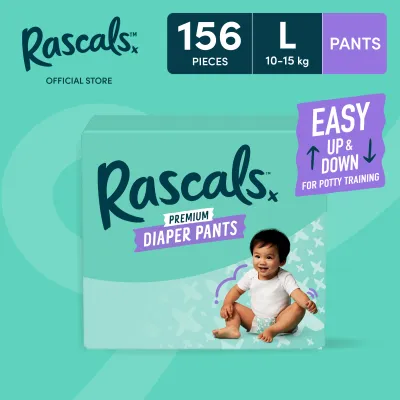
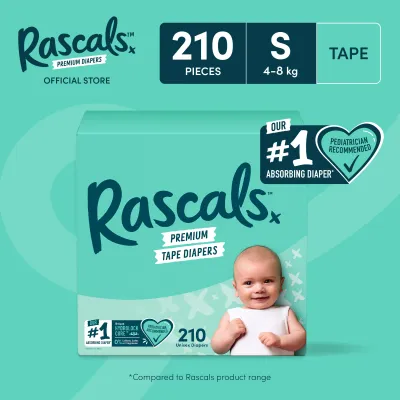
Prices are valid at publication and may change. Please refer to the product page for the latest price.
Quick Answer: Choosing the Right Overnight Diaper
The most effective overnight diaper for your baby depends on their individual body shape, urine volume, and sleeping positions. No single diaper brand can guarantee absolute leak prevention for every infant, as physical builds and movement patterns vary widely. However, each of these three brands excels in distinct design areas that cater to different parental priorities.
Choose Rascal and Friends if your baby is a heavy wetter, has a rounder build with chunky thighs, or is prone to leaks around the leg openings. This brand is designed with a wider chassis, a high-rise fit, and a deep pocket structure that excels at containing large volumes of liquid without spilling over the edges.
Choose Pampers if you prefer a lightweight, contoured diaper that distributes wetness evenly to prevent sagging, or if your baby has highly sensitive skin. Their channel-based absorption design keeps the diaper slim even when wet, and their top sheets often feature mild, skin-protecting barriers to help reduce friction.
Choose Huggies if your baby is an active sleeper who rolls and crawls in their sleep, or if you frequently deal with back blowouts. Their highly elastic pocketed waistbands and snug leg elastics provide a secure, body-hugging seal that moves with your baby while trapping liquid at the rear.
Verify first if the specific pack you are purchasing is designed for extended wear. Always check the packaging and manufacturer specifications, as standard daytime variants differ significantly in absorbency capacity and construction from dedicated overnight product lines.
What Makes a Diaper Effective for Overnight Use?
To understand why some diapers fail during the night while others succeed, it is helpful to look at the core engineering of modern disposable diapers. An effective overnight diaper must perform reliably across four primary pillars: absorption capacity, liquid distribution, structural fit, and breathability.

Absorbency capacity relies heavily on the ratio of Superabsorbent Polymers (SAP) to wood pulp within the diaper’s core. SAP consists of tiny spheres that absorb liquid and lock it away in a gel state, preventing moisture from squeezing back out when the baby rolls over. A high-quality overnight diaper contains a dense concentration of SAP to manage multiple wettings over a ten- to twelve-hour period.
Liquid distribution is just as critical as raw capacity. Without effective distribution channels, liquid pools in the immediate wet zone, causing the diaper to swell in one spot. This localized saturation leads to premature leaks and keeps wet material in direct contact with the baby’s skin. Advanced diapers use specialized top sheets and internal channels to draw liquid away from the point of impact and spread it across the entire length of the core.
Leak protection is maintained by the physical barriers of the diaper, specifically the leg cuffs and the waistband. Leg cuffs should feature double elastic barriers that sit snugly in the groin creases. The waistband must stretch sufficiently to accommodate a full belly when the baby lies down, without creating gaps at the back where liquid can escape.
In warm, humid environments, breathability is the final crucial pillar. If air cannot circulate, the temperature and humidity inside the diaper rise rapidly, creating a breeding ground for bacteria and diaper dermatitis. Parents should look for micro-porous outer covers that allow heat and moisture vapor to escape while keeping liquid safely contained inside. Always read the product label to verify specific breathability ratings and material compositions.
Rascal and Friends: Nighttime Absorbency and Design
Rascal and Friends has gained a strong reputation for its robust, heavy-duty design philosophy. The brand focuses on providing a generous, high-coverage fit that is particularly well-suited for babies who require maximum containment area during the night.
At the heart of the Rascal and Friends design is their 3D core technology. This structural design increases the surface area available for absorption, allowing the diaper to process liquid quickly. The core is engineered to minimize swelling and keep the wetness away from the baby’s skin, making it highly effective for long stretches of nighttime sleep.
Fit is another area where Rascal and Friends differs from more traditional brands. They feature an exceptionally high waistband and wide side wings, which provide a deep pocket to contain liquid. The leg cuffs are designed to be wide and soft, offering a gentle yet secure seal around the thighs. This wide-cut geometry makes the brand a popular choice for babies with rounder bellies and thicker legs, as it reduces the risk of red marks while preventing side leaks.
When purchasing Rascal and Friends, parents should verify the specific sizing guidelines on the packaging. Because their diapers tend to run slightly larger and wider than other brands, choosing the correct size based on your baby’s current weight is essential. A diaper that is too large can leave gaps around the legs, compromising the leak barriers. Additionally, check the packaging to confirm the presence of wetness indicators, as these can vary depending on the specific size and product line.
Pampers: Nighttime Absorbency and Design
Pampers approaches overnight protection with a focus on slim profiles, rapid absorption, and skin comfort. The brand is widely recognized for its proprietary channel designs, which aim to provide a comfortable, non-bulky sleeping experience for the baby.
Pampers overnight variants utilize specialized absorbent channels that run longitudinally through the core. These channels are designed to distribute liquid evenly from front to back as soon as wetting occurs. By preventing the liquid from pooling in a single spot, the diaper maintains its shape and reduces the heavy, sagging feeling that can wake a sleeping baby. This efficient distribution also ensures that the entire capacity of the core is utilized.
Skin health is a prominent focus in Pampers’ design. The inner liner that contacts the baby’s skin is often treated with a mild lotion barrier to help protect against irritation caused by prolonged exposure to moisture. Furthermore, the outer cover is engineered with micro-pores to facilitate air circulation, which is particularly beneficial during warm, humid nights in tropical climates.
Parents considering Pampers should carefully inspect the packaging to ensure they are selecting the appropriate overnight or extended-wear variant, such as their dedicated nighttime pants or high-absorbency lines. Standard daytime diapers may not feature the reinforced core necessary for twelve hours of protection. Always verify the manufacturer’s weight recommendations and check the elastic side panels to ensure they offer a snug, comfortable fit that prevents overnight shifting.
Huggies: Nighttime Absorbency and Design
Huggies designs its overnight diapers with an emphasis on active fit, secure containment, and specialized barrier features. This brand is highly regarded for its ability to prevent leaks during movement, making it a strong candidate for babies who toss, turn, or sleep in unusual positions.
A standout feature of Huggies diapers is the pocketed waistband located at the back of the diaper. This physical pocket is specifically engineered to catch and contain liquid or runny stools that travel upward when a baby lies flat on their back. For parents dealing with persistent nighttime back leaks, this design element provides an extra layer of security.
The absorption core in Huggies overnight variants is designed with multiple layers that draw wetness away from the skin rapidly. The brand utilizes elastic materials not only in the leg cuffs but also extensively throughout the waistband. This comprehensive elasticity allows the diaper to hug the baby’s body closely, maintaining a secure seal even as the baby shifts positions throughout the night.
When evaluating Huggies for overnight use, parents should confirm the specific product line on the packaging, as features like the pocketed waistband and wetness indicators can vary between their standard, premium, and overnight ranges. Check the waistband and leg cuff elasticity to see if the cut aligns well with your baby’s physical build. Babies with slender frames often benefit from the snug, elasticized fit that Huggies provides.
Side-by-Side Comparison of Overnight Features
To help you visualize the structural differences between these three brands, the table below summarizes their key design features, fit characteristics, and target scenarios for overnight use.
| Feature | Rascal and Friends | Pampers | Huggies |
|---|---|---|---|
| Core Design | High-capacity 3D core for heavy wetting | Absorbent channels for even distribution | Multi-layer core with rapid-draw liner |
| Waistband Fit | High-rise, wide wings, gentle stretch | Stretchy side panels, slim profile | Highly elastic pocketed waistband |
| Leg Cuff Design | Wide, soft double-leak guards | Contoured, flexible leg barriers | Snug, body-hugging elastic cuffs |
| Breathability | Breathable backsheet (verify on pack) | Micro-porous outer cover with lotion liner | Breathable outer cover (verify on pack) |
| Wetness Indicator | Varies by size and line (check pack) | Present on most overnight lines | Present on most overnight lines |
| Best Suited For | Heavy wetters, rounder baby builds | Even distribution, sensitive skin | Active sleepers, back-leak prevention |
When utilizing this comparison, consider your baby’s specific sleeping habits. For example, if your baby is a stomach sleeper, they may benefit from a diaper with reinforced front absorbency or a high-rise front waistband like Rascal and Friends. If your baby is a side sleeper, snug leg cuffs like those found on Huggies or Pampers are critical to prevent lateral leaks. Always cross-reference these design strengths with your child’s unique sleeping posture.
Actionable Tips to Prevent Nighttime Leaks
Even the most advanced overnight diaper can leak if it is not applied correctly or if the size is incorrect. Implementing a few practical, low-risk adjustments to your bedtime routine can significantly improve diaper performance and keep your baby dry until morning.
- Pull the Leg Ruffles Out: When fastening the diaper, always run your finger around the leg openings to ensure the outer ruffles are flared outward. If the ruffles are tucked inward, they cannot act as a barrier, and liquid will bypass the elastic easily.
- Apply the Two-Finger Rule: The waistband should be secure but not restrictive. You should be able to slide two fingers comfortably between the diaper waistband and your baby's stomach. This ensures there is enough room for the belly to expand when lying down, without leaving a loose gap.
- Position the Fastening Tabs Strategically: For tummy sleepers, angle the fastening tabs slightly downward to tighten the fit around the waist and prevent front leaks. For back sleepers, keep the tabs straight to ensure a flat, secure seal across the lower back.
- Consider Sizing Up for Nighttime: Many parents successfully prevent leaks by using a diaper that is one size larger than their baby's daytime size. A larger diaper contains more absorbent material and a higher capacity core. However, only do this if the larger size does not create loose gaps around the legs or waist, as gaps will inevitably cause leaks. Always consult the manufacturer's weight guidelines first.
- Manage Evening Fluid Intake: For older infants who have started solid foods, try to offer the majority of their fluids earlier in the evening rather than right before bedtime. This can help reduce the volume of nighttime urination.
- Consult a Professional When Needed: If your baby experiences persistent, heavy nighttime wetting that consistently exceeds the capacity of overnight diapers, or if they develop a severe, stubborn diaper rash that does not improve with dry diapers and breathable materials, consult your pediatrician or a dermatologist for guidance.
Frequently Asked Questions (FAQ)
Can I use regular daytime diapers for overnight use?
Regular daytime diapers are generally designed for mobility, flexibility, and frequent changes, typically every two to four hours. Consequently, they often have thinner absorbent cores and less SAP than dedicated overnight variants.
If you attempt to use a standard daytime diaper overnight, it may saturate quickly, leading to leaks, sagging, and prolonged skin exposure to wetness. If your baby consistently leaks through their daytime diaper at night, it is highly recommended to transition to a dedicated overnight diaper or an extended-wear variant designed for twelve-hour protection.
How do I know if I need to size up for nighttime?
There are several clear physical indicators that your baby may need a larger diaper size specifically for nighttime use. Look for red elastic marks on your baby’s thighs or waist, which indicate the current size is too tight. Frequent leaks despite correct application and proper leg cuff placement are another common sign.
Additionally, if the diaper is completely saturated, heavy, and swollen to its limits by morning, the baby’s urine volume may be exceeding the capacity of that size’s core. When sizing up, always check the brand’s weight chart on the packaging and ensure that the larger size does not leave any visible gaps around the legs or waist.
Are overnight diapers safe for babies with sensitive skin?
Most reputable overnight diapers are designed with breathable materials and dry-touch liners specifically to protect sensitive skin from prolonged wetness. However, skin sensitivity varies greatly from one baby to another, and what works for one child may cause irritation in another.
To ensure safety, parents should check the ingredient and material list on the packaging for any added fragrances, latex, or lotions that their baby might be sensitive to. If your baby has known allergies or a history of severe diaper rash, opt for variants labeled as fragrance-free or hypoallergenic, and consult a pediatrician or dermatologist if persistent skin irritation occurs.

Community discussion
Share your experience or ask a question. Comments are reviewed before publication.