
When choosing between Rascal and Friends, Pampers, and Huggies diaper pants in size XL, the “best” option depends entirely on your toddler’s unique body shape, skin sensitivity, and daily activity level. Rather than relying on generic rankings, this guide breaks down the structural differences, observable performance indicators, and cost factors to help you make an informed, condition-based decision for your child’s comfort and your peace of mind.
In the tropical climate of the Philippines, where high humidity and active play can quickly lead to diaper discomfort, finding the right balance of fit and absorbency is essential. Instead of looking for a universal winner, parents should evaluate how each brand’s specific design features align with their child’s daily routines and physical build.
Decoding Size XL Specifications and Structural Differences
When transitioning your toddler to size XL diaper pants, the first step is verifying the manufacturer’s recommended weight range printed on the packaging. While most brands design XL pants for toddlers weighing approximately 12 to 17 kilograms, these ranges can vary slightly between brands and product lines. It is crucial to remember that weight is only a baseline guide; two toddlers of the exact same weight can have vastly different body shapes, requiring different diaper cuts.
Products mentioned in this guide
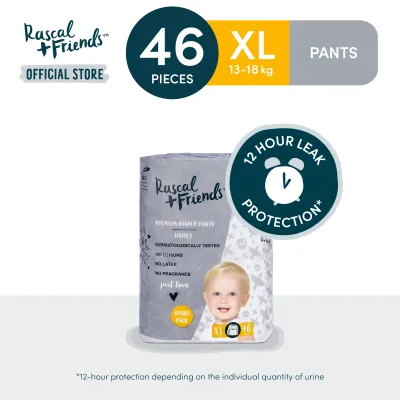
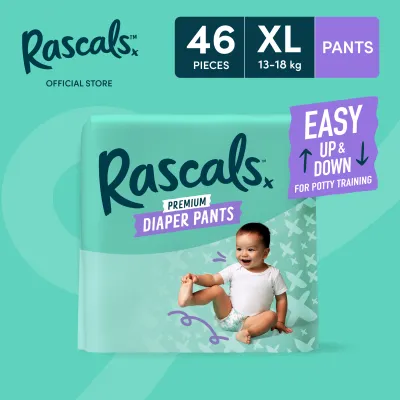
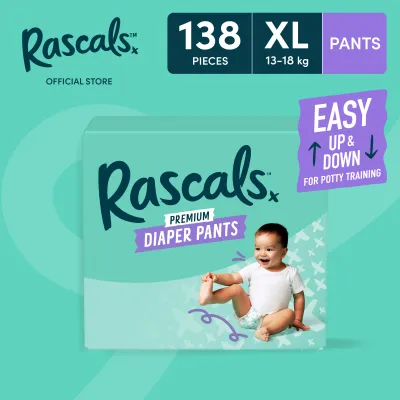
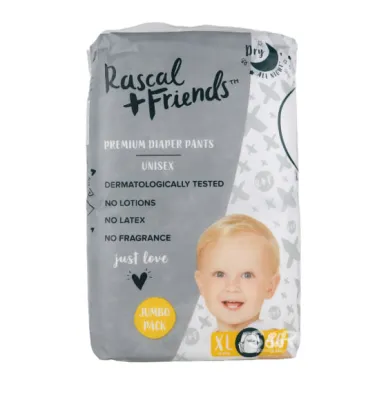
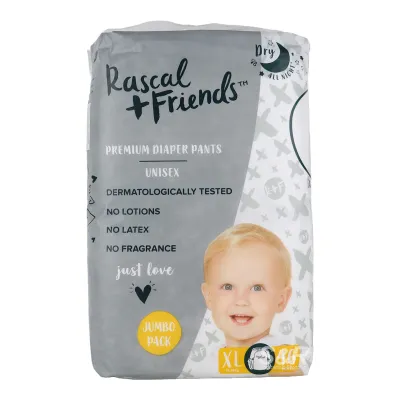
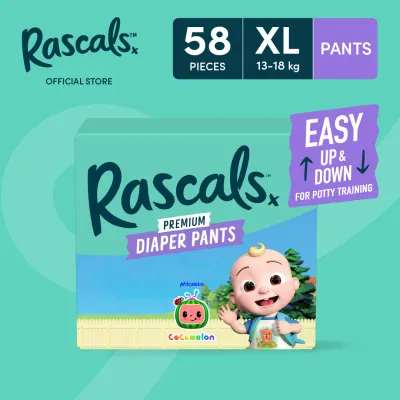
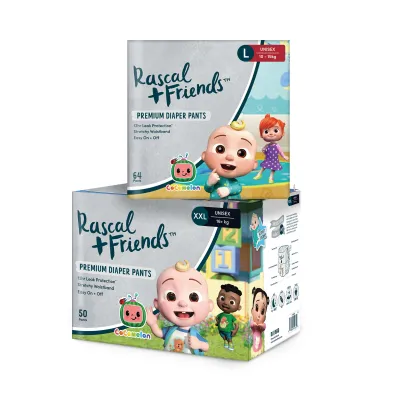
Prices are valid at publication and may change. Please refer to the product page for the latest price.
The physical construction of the waistband and leg cuffs plays a critical role in preventing leaks and ensuring comfort. You will want to examine the elasticity of the waistband; some brands utilize a high-stretch, wide elastic band that sits flat against the stomach, while others feature a more gathered, ruffled design. These differences affect how the diaper distributes pressure around your child’s midsection, especially after a large meal or during active play.
Additionally, look closely at the leg cuffs to observe the height and elasticity of the inner leak guards. Checking the product labels for stated core technologies—such as channels designed to distribute wetness evenly or multi-layer absorbent cores—helps you understand how each diaper is engineered to manage moisture. Some brands emphasize a thinner, more streamlined core, while others focus on a thicker, plush cushion design.
Assessing Fit, Stretch, and Comfort for Active Toddlers
An active toddler requires diaper pants that move with them without causing friction or restriction. After removing a diaper, check your child’s waist and thighs for deep red marks or indentations, which indicate the elastic is too tight or the cut is too narrow for their build. If you notice persistent marks, it may be a sign that the diaper’s elastic tension is too high for your child’s body shape, even if they fall within the recommended weight range.

Observe the diaper pants during active play, walking, or climbing to see if the core begins to sag, bunch, or shift out of place even before it is fully saturated. A diaper that shifts easily can create gaps around the legs, increasing the risk of leaks. The way a diaper responds to movement is a key indicator of whether its stretch profile matches your toddler’s activity level.
You should also compare the front-to-back rise coverage of each brand on your child. Some designs offer a higher waistline that provides more secure coverage for taller toddlers, while others have a lower, trimmer cut that may suit shorter, stockier builds. Proper rise coverage ensures that the diaper remains secure whether your toddler is sitting, crawling, or running.
Observing Absorbency and Leak Protection in Real-World Use
Evaluating absorbency requires observing how the diaper performs during long stretches, such as overnight sleep or extended car rides. Gently feel the inner lining of the diaper during changes to check if the surface feels dry to the touch or if moisture is pooling near the skin. A dry inner surface is essential for preventing skin breakdown and keeping your toddler comfortable throughout the night.
Take note of whether the absorbent gel inside the core clumps together or sags heavily in one spot, which can cause discomfort and limit the diaper’s remaining capacity. Some diaper designs use specialized channels to distribute liquid evenly across the entire core, preventing the heavy “wet bag” effect between the legs.
Monitor for any signs of moisture escaping through the side seams, leg cuffs, or back waistband during high-movement periods or sleep. If your chosen brand features a wetness indicator line on the exterior, observe how quickly and clearly it changes color to signal that a change is needed. Keep in mind that indicator responsiveness can sometimes be affected by high humidity, so physical checks remain the most reliable method.
Evaluating Breathability and Skin Sensitivity Factors
In the warm and humid Philippine climate, diaper breathability is vital for maintaining healthy skin. Carefully read the packaging labels to check for the presence of added fragrances, lotions, or specific hypoallergenic claims that might affect sensitive skin. Some parents prefer completely fragrance-free options to minimize the risk of contact dermatitis, while others do not mind mild scents.
Regularly monitor your toddler’s diaper area for signs of redness, irritation, or heat rash, especially around the waistband and leg gathers where sweat can accumulate. If you observe persistent redness or a rash that does not improve with standard diaper cream, stop using the current brand and consult a qualified healthcare professional or pediatrician.
Feel the texture of the outer cover material to assess its softness and breathability; a fabric-like, micro-perforated outer layer generally allows better airflow than a stiffer, plastic-feeling backing. A highly breathable outer cover helps heat and moisture escape, which is particularly important during the hot summer months or during afternoon naps.
Calculating Cost per Diaper and Local Availability
To manage your household budget effectively, calculate the price per piece (₱) by dividing the total pack price by the number of diapers inside. Keep in mind that larger bulk packs or promotional bundles often offer a lower cost per diaper than smaller convenience packs. Tracking this unit price helps you identify true savings rather than relying solely on retail discounts.
Consider the local availability of each brand in your area, checking whether they are consistently stocked in physical supermarkets or reliable online marketplaces. Some specialty brands may require ordering online, which requires planning ahead for shipping times, while mainstream brands can be easily picked up during a quick trip to the local grocery store.
Evaluating the convenience of bulk-buying options or subscription delivery services can save you both time and money, ensuring you do not run out of diapers unexpectedly. Many online platforms offer recurring delivery discounts, which can significantly lower the overall cost of premium diaper brands over time.
The Final Decision Framework: Which XL Pant Fits Your Needs?
Choose Rascal and Friends if your toddler has highly sensitive skin, a rounder belly, or requires a very high waistband with deep pocket protection to prevent blowouts. This brand is often favored by parents who prefer a thicker, plush feel and a design free from added fragrances. It is particularly well-suited for toddlers who need extra room in the waist without sacrificing leg cuff security.
Choose Pampers if your child is highly active and benefits from a lightweight, thin diaper core that offers a snug, underwear-like fit. This option is suitable if you prioritize a highly flexible waistband that stretches easily with every movement. It is an excellent choice for daytime wear when a trim profile under clothing is preferred.
Choose Huggies if your toddler’s body shape requires a secure, contoured fit around the thighs and legs to prevent gaps. This brand is ideal if you prefer a structured diaper with robust double leg cuffs designed to contain heavy wetness. It works well for toddlers with slimmer legs who often experience leg-gap leaks in other brands.
Verify first if you notice unexpected skin reactions, inconsistent sizing between batches, or persistent leaks despite choosing the correct weight range. If issues persist, consult a pediatrician or pediatric dermatologist to rule out specific material sensitivities. Always check the manufacturer’s packaging for any updated usage instructions or safety warnings.
Frequently Asked Questions (FAQ)
How do I know if my toddler needs to move up from XL to XXL diaper pants?
You should consider moving up to size XXL if you notice frequent leaks even when the diaper is not fully saturated, as this suggests the capacity or coverage is no longer sufficient. Another clear sign is the appearance of deep red marks on your toddler’s waist or thighs that do not fade quickly after removal. Additionally, if the diaper’s rise is too low, failing to cover the belly button or provide adequate coverage at the back, it is time to transition to a larger size.
Can I mix different diaper brands for daytime and overnight use?
Yes, mixing diaper brands is a practical way to balance performance and budget. Many parents use a more affordable, lightweight brand for frequent daytime changes when the diaper is replaced every few hours. They then switch to a higher-capacity, more structured diaper for overnight sleep to ensure uninterrupted rest. Always monitor your toddler’s skin to ensure that switching between different materials and elastic designs does not cause friction or irritation.

Community discussion
Share your experience or ask a question. Comments are reviewed before publication.