
Finding the right diaper for your baby in a warm, humid climate involves balancing skin breathability, secure fit, and household expenses. While brands like Rascal + Friends, Pampers, Huggies, and Equator each offer distinct design philosophies, no single diaper is a universal winner for every infant. The ideal choice depends on your baby’s unique body shape, skin sensitivity, and activity level. By understanding how to read packaging specifications and monitor real-world performance, you can confidently select a diaper that keeps your baby dry and comfortable without overstretching your budget.
How to Evaluate Diaper Performance for Your Baby
Evaluating diaper performance requires looking beyond the brand name to observe how the diaper behaves in daily use. Absorbency and leak protection are the primary defenses against discomfort. When assessing absorbency, monitor how well the diaper locks away wetness and check for sagging after use. A diaper that sags quickly when wet can pull away from the baby’s skin, creating gaps that lead to leaks. Look for wetness indicators on the outer shell, which change color to signal a change is needed, and examine the physical height of the inner leak guards. Higher, double-layered elastic barriers around the legs provide a stronger physical barrier against sudden blowouts.
Fit and sizing are equally critical to prevent leaks and ensure comfort. Evaluate the waistband elasticity by stretching it gently; a good waistband should expand smoothly and retract without feeling stiff or restrictive. Leg cuffs must sit snugly in the groin crease without digging in. If you notice deep red marks on your baby’s thighs or tummy after removing the diaper, the fit is too tight, even if the baby’s weight falls within the package’s recommended range.
Products mentioned in this guide
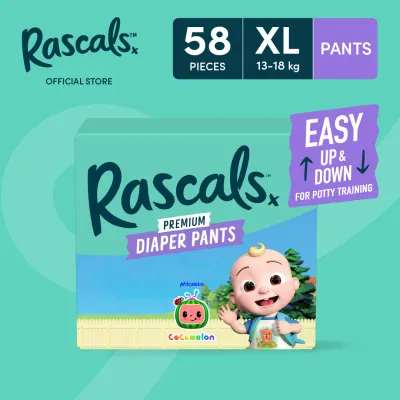
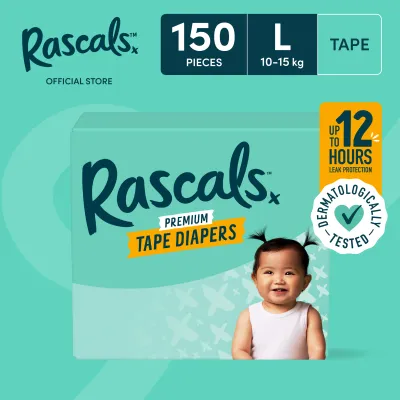
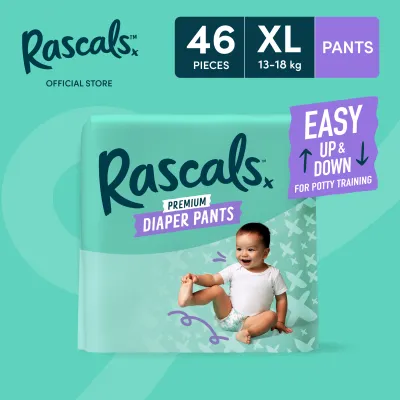
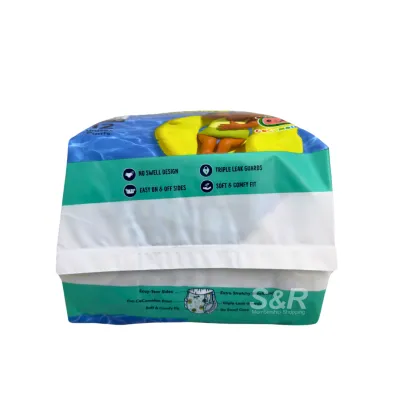
Prices are valid at publication and may change. Please refer to the product page for the latest price.
Softness and skin health are vital, especially in tropical climates where heat and humidity trap moisture quickly. Feel the inner lining of the diaper with your fingertips; it should feel smooth and fabric-like rather than papery or stiff. Monitor your baby’s skin closely during the first few days of using a new brand, looking for localized redness, chafing, or heat rash where the diaper contacts the skin.
Comparing the Contenders: Rascal + Friends, Pampers, Huggies, and Equator
When evaluating rascal and friends diapers, look at the packaging for their signature design features, such as a high waistband and deep pocket. These elements are designed to contain heavy wetness and prevent back blowouts. The brand typically highlights its use of feather-soft materials and no harsh chemicals, which parents can verify by checking the ingredient list on the back of the pack to ensure it aligns with their skin health preferences.

Pampers offers several product lines, such as premium and active dry variants, each tailored to different developmental stages. When choosing a Pampers diaper, check the packaging to see if it features their air channels or breathable backing, which are highly relevant for humid environments. Parents should verify whether the specific variant uses lotion-infused top sheets, as some babies thrive with this added barrier while others with extreme sensitivities may require fragrance-free alternatives.
Huggies is known for its secure-fit designs, and its packaging often details pocketed waistbands and elastic grip tabs. Examine the leg cuff specifications on the label to see if they feature double-barrier protection. This brand’s design focus is highly geared toward preventing leaks during active movement, making it essential to check the stretch limits of the tabs on tape versions to ensure a snug but comfortable fit.
Equator is positioned as a highly accessible and value-focused option, requiring parents to inspect the packaging for core specifications. Since value brands may use simpler core designs, check if the package specifies overnight protection or if it is optimized for frequent daytime changes. Verifying the presence of basic elastic waistbands and leak guards on the package will help you determine if it fits your daily routine and budget.
Key Decision Factors: Absorbency, Fit, and Skin Sensitivity
For babies who sleep through the night or pass large volumes of liquid, look for diapers that specify a multi-layer distribution core. This feature draws liquid away from the surface quickly to keep the skin dry. Check the physical thickness of the dry diaper; however, remember that modern superabsorbent polymers can be thin while dry and expand significantly when wet. High leak guards are critical here to contain liquid before it absorbs.
If your baby is prone to diaper rash, prioritize diapers that explicitly state they are free from elemental chlorine, fragrances, and latex on the packaging. A dry top sheet is crucial; you can observe this by gently pressing a dry tissue against a wet diaper during a change to see if moisture transfers back. If the tissue remains dry, the diaper’s core is successfully locking wetness away from the skin, reducing the risk of irritation.
Once babies start rolling, crawling, or walking, their diaper needs shift toward flexibility. Evaluate the stretchability of the side panels to ensure they allow for natural movement. For active infants, pants-style diapers are often easier to pull on quickly during active moments. Check the flexibility of the leg cuffs; they must move with the baby’s legs without shifting out of place or gaping at the thighs.
Assessing Price and Value Across Diaper Brands
To find the true cost of diapering, do not rely solely on the total price of the bag. Take the total retail price in ₱ and divide it by the number of diapers inside the pack. For example, a pack costing ₱450 with 30 diapers results in a cost of ₱15 per piece. Keep a running log of this unit price to compare different brands and package sizes accurately, ensuring you get the best value for your budget.
While buying jumbo packs or bulk boxes online offers a lower cost per piece, avoid purchasing large quantities of an untested brand. Start with small trial packs to observe how the diaper fits your baby’s unique shape and how their skin reacts. Commit to bulk purchases only after a brand has proven reliable over a full week of use without causing leaks or skin irritation.
As your baby grows, the number of diapers per pack decreases while the price per pack often remains the same or increases. This means the cost per piece rises with each size transition. Factor this shifting unit cost into your monthly budget, and avoid stockpiling smaller sizes when your baby is near the upper weight limit of their current size.
When to Switch Brands or Sizes
If your baby experiences frequent leaks or blowouts, it is rarely a random occurrence. It usually indicates that the diaper’s capacity is exceeded or the fit is incorrect. Check if the leaks happen primarily at the back, which suggests a need for a higher waistband, or around the legs, which suggests the leg cuffs are too loose or the size is too small.
Persistent redness that does not clear up with standard barrier creams may indicate a sensitivity to the diaper’s materials. If you suspect this, check the packaging of your current brand for potential irritants like fragrances or dyes, and consider switching to a brand that specifies hypoallergenic, fragrance-free construction to see if the skin clears.
Do not rely solely on the weight ranges printed on the diaper packaging, as these ranges overlap significantly. A baby who is long and lean may require a different size or brand cut than a baby of the same weight who has chubby thighs. If the diaper sits too low on the waist or leaves deep red marks, it is time to transition to the next size up.
Frequently Asked Questions (FAQ)
Can I use different diaper brands for daytime and nighttime?
Yes, mixing diaper brands is a highly practical way to manage your household budget. Many parents use a highly absorbent, premium diaper for overnight sleep to prevent leaks and support uninterrupted rest. During the day, when changes are much more frequent, you can switch to a more budget-friendly diaper to keep costs down without compromising your baby’s comfort.
How do I know if my baby needs to move up a diaper size?
Your baby likely needs a larger size if you experience frequent leaks, if the diaper fails to cover their backside completely, or if the fastening tabs must be secured at the very edge of the waistband. Additionally, if you notice deep, persistent red marks around your baby’s thighs or tummy, or if the diaper feels damp to the touch on the outside, it is time to size up.
Are pants-style diapers better than tape-style diapers?
Neither style is universally better; they serve different developmental stages. Tape-style diapers are ideal for newborns and younger infants because they allow for a highly customizable fit around tiny waists and make changes easy while the baby is lying down. Pants-style diapers are excellent for older, active babies who wriggle during changes, as they can be pulled on quickly while the baby is standing.

Community discussion
Share your experience or ask a question. Comments are reviewed before publication.