
Choosing the right mobility gear is a major milestone in your baby’s developmental journey. As infants transition from crawling to upright exploration, parents often find themselves comparing push walkers and traditional sit-in walkers. While both devices aim to assist your child during this exciting phase, pediatric physical therapists and child development experts generally favor the push walker. A push walker requires your child to actively balance, engage their core, and practice natural heel-to-toe walking mechanics. In contrast, traditional sit-in walkers suspend the baby in a fabric seat, which can alter pelvic alignment, encourage toe-walking, and present significant safety hazards. Deciding which option is right for your household requires a close look at your baby’s developmental readiness, the physical layout of your home, and the specific safety risks associated with each type of gear.
Signs Your Baby Is Ready for Mobility Gear
Before introducing any mobility toy, you must assess whether your baby has reached the necessary physical and cognitive milestones. Placing a child in mobility gear before their body is structurally ready can strain developing joints and disrupt natural motor progression. The most critical physical indicator is the ability to sit independently without support. When a baby can sit upright on their own, it demonstrates that their core muscles—specifically the abdominals and back extensors—are strong enough to maintain spinal alignment. This core strength is the foundation for all upright movement, providing the stability needed to support the head and torso when standing.
Beyond sitting, your baby should ideally be pulling themselves up to a standing position using sturdy furniture, such as a heavy sofa, a playpen, or a low table. This action builds the necessary quadricep and gluteal strength required for bearing weight. Once standing, many babies begin “cruising,” which involves shuffling sideways while holding onto furniture for balance. Cruising is a vital developmental phase that refines lateral hip stability and prepares the feet and ankles for the shifting weight of independent walking. It also helps develop the vestibular system, which manages balance and spatial orientation.
Products mentioned in this guide
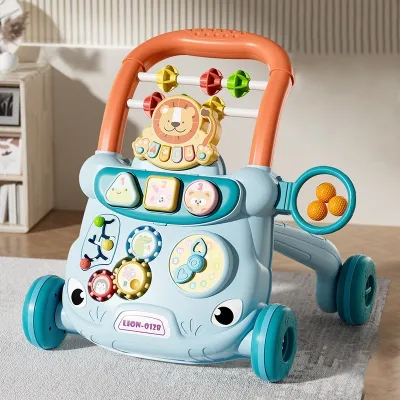
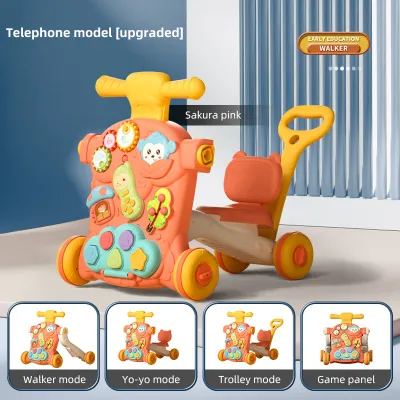
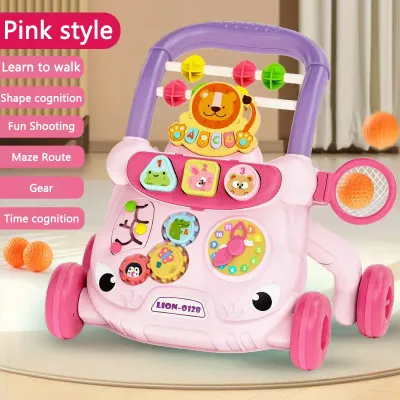
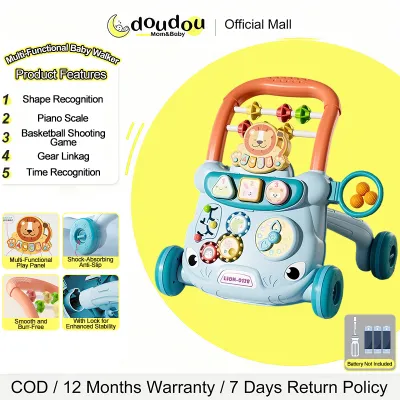
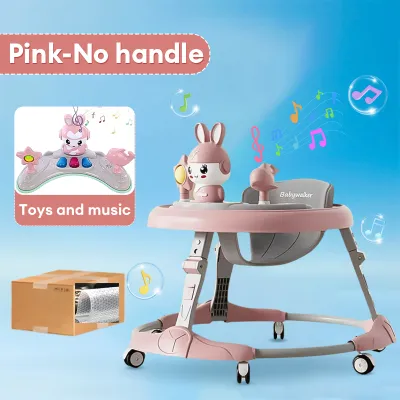
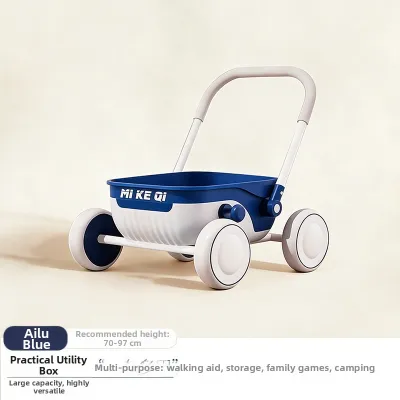
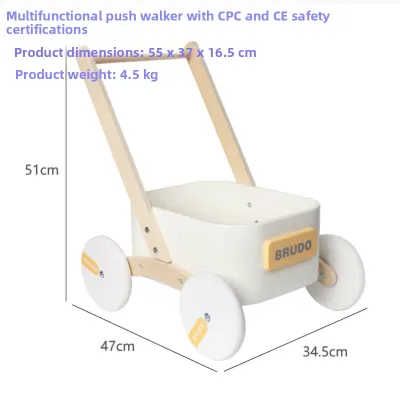
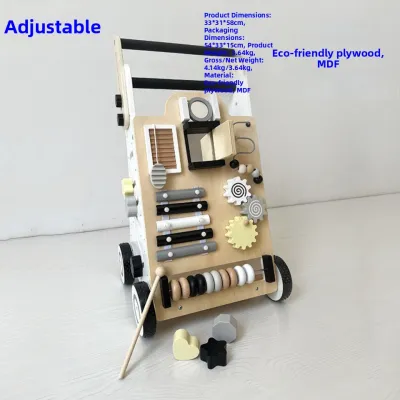
Prices are valid at publication and may change. Please refer to the product page for the latest price.
Cognitive readiness is equally important when evaluating your baby’s preparedness for mobility gear. Look for signs of active curiosity, such as your baby reaching for or looking toward distant toys and showing a clear desire to navigate across the room to retrieve them. This goal-oriented behavior indicates that their cognitive mapping and spatial awareness are developing. They are beginning to understand basic cause-and-effect relationships, realizing that physical movement allows them to interact with their environment. If your baby is content with sitting and crawling, there is no need to force the transition; they will show you when they are ready to explore the vertical world.
It is essential for parents to resist the urge to rush these physical milestones. Every baby develops on their own unique timeline, and forcing upright mobility before the muscles and nervous system are ready can lead to poor postural habits. Letting your baby spend ample time on the floor, crawling and exploring naturally, builds a much stronger foundation for balance and coordination than any commercial device can provide. Wait until your baby actively seeks upright movement before introducing a push walker.
Sit-In Walkers: Safety Risks and Developmental Impact
Traditional sit-in walkers feature a fabric seat suspended inside a rigid, wheeled plastic or metal frame, often equipped with an attached toy tray. While these devices are designed to keep a baby upright and entertained, they have faced extensive scrutiny from pediatric associations worldwide due to safety and developmental concerns. When a baby is placed in a sit-in walker, they are supported by the crotch strap, which keeps their legs in a dangling position where they can easily touch the floor with only their toes.

The primary safety hazard of a sit-in walker is the artificial speed and height it grants to an infant who cannot yet walk. On smooth surfaces, such as polished concrete or tiled floors common in tropical climates, a baby in a sit-in walker can travel at surprisingly high speeds with very little effort. This rapid movement makes it incredibly difficult for supervising adults to react in time. Additionally, the elevated position allows the baby to reach hazards that would otherwise be safely out of range, such as hot coffee cups on low tables, electrical cords, or household chemicals. The risk of tipping over when transitioning between different floor surfaces or falling down un-gated stairs remains a leading cause of walker-related injuries.
From a developmental perspective, sit-in walkers can actually delay the onset of independent walking. Because the suspended seat bears the baby’s weight, the child does not have to engage their core or leg muscles to stay upright. This setup often leads to “toe-walking,” where the baby propels themselves forward by pushing off with their toes rather than practicing a natural heel-to-toe stride. This habit can tighten the Achilles tendons and alter pelvic alignment. Furthermore, sit-in walkers bypass the crucial crawling and pulling-up stages, which are essential for bilateral coordination and building shoulder and hip stability.
Before purchasing or using a sit-in walker, it is highly recommended to check current pediatric guidelines and manufacturer safety warnings. Many medical organizations discourage their use entirely. If you choose to use one, verify that the product complies with modern safety standards, including automatic braking mechanisms designed to stop the walker at the edge of a step, and ensure your baby’s weight and height fall strictly within the manufacturer’s specified limits.
Push Walkers: Supporting Natural Walking Mechanics
A push walker is a sturdy, weighted toy featuring a handle that your baby grips while standing and walking behind it. Unlike sit-in models, push walkers do not support the baby’s weight; instead, they serve as a mobile support system for a child who is already attempting to take forward steps. This design ensures that the baby remains fully responsible for their own balance, posture, and weight distribution.
The developmental benefits of a push walker are substantial because the device aligns with natural human biomechanics. As your baby pushes the toy forward, they must engage their deep core muscles, glutes, and calves to maintain an upright posture. This active engagement promotes proper heel-to-toe walking mechanics, helping to stretch and strengthen the foot and ankle muscles naturally. Additionally, because the baby must navigate steering and controlling the speed of the walker, they develop dynamic balance and spatial awareness, learning how to adjust their center of gravity in real-time.
However, a push walker is not a tool to teach a baby how to stand; rather, it is a tool to practice walking. The key prerequisite for using a push walker is that your baby must already be able to pull themselves up to a standing position and bear their own weight comfortably. If a baby cannot stand independently while holding onto a support, they will likely lean too heavily on the push walker, causing it to roll away and lead to a fall.
When selecting a push walker, look for specific engineering features that prioritize safety and usability. Adjustable wheel resistance is a highly valuable feature, especially on smooth, slippery surfaces like polished wood or ceramic tiles. Tightening the wheel resistance prevents the walker from rolling forward too quickly, keeping it matched to your baby’s slow, tentative steps. A wide, low-slung, and heavy base is also crucial to prevent the toy from tipping backward or sideways when the baby pulls themselves up using the handle. Many high-quality models also feature interactive activity panels on the front, providing cognitive stimulation when the baby is taking a break from walking.
Push Walker vs. Sit-In Walker: Making the Right Choice
To help you decide which gear is best for your family, it is helpful to compare these two options across several key dimensions, including developmental suitability, safety, posture, and the level of supervision required.
- Developmental Stage: Sit-in walkers are often marketed for babies who can sit up (around 6 months), but they do not actively prepare the body for walking. Push walkers are designed for babies who are already standing and cruising (typically 9 to 12 months) and directly support the transition to independent steps.
- Safety Profile: Sit-in walkers carry a much higher risk of serious accidents, including falls down stairs and access to elevated hazards. Push walkers have a lower risk profile because the baby can simply let go and drop safely to their hands and knees if they lose balance.
- Impact on Posture: Sit-in walkers encourage toe-walking and hip misalignment due to the suspended seat. Push walkers foster natural upright posture, core activation, and proper heel-to-toe foot placement.
- Supervision Intensity: Both devices require adult supervision, but sit-in walkers demand hyper-vigilance due to the speed and reach they grant the baby. Push walkers require close supervision to assist with steering and to prevent falls, but the pace is generally more manageable.
You should choose a push walker if your baby is already showing a strong desire to stand and cruise, and you want a toy that actively builds the balance and muscle strength needed for independent walking. Conversely, you should avoid sit-in walkers if your home has split-level floors, un-gated stairs, or if you prefer to follow the precautionary advice of pediatric organizations that warn against suspended seat walkers.
It is also worth remembering that the “no walker” option is a highly beneficial path. Allowing your baby to spend unrestricted time on a clean play mat, crawling on their hands and knees, and cruising along safe furniture is the most natural way to develop motor skills. You do not need to buy commercial mobility gear to help your baby walk; simple floor play, guided obstacle courses made of soft pillows, and holding your baby’s hands as they take steps are excellent, cost-free alternatives.
Essential Safety Rules and Environment Prep
If you decide to introduce mobility gear into your home, preparing a safe environment is non-negotiable. Babies moving with the assistance of gear can cover ground quickly and access areas that were previously out of reach. Start by conducting a thorough environment check at your baby’s eye level. Secure all staircase entryways with hardware-mounted safety gates; pressure-mounted gates can fail if a baby rams into them with a walker. Remove loose rugs, electrical cords, and low-lying clutter that could catch on wheels and cause a tip-over. In tropical homes with open screen doors or transitions to tiled patios, ensure all doors are securely latched to prevent the baby from rolling outside onto uneven concrete or near steps.
Active, continuous adult supervision is mandatory whenever your baby is using mobility gear. Never leave your baby unattended in a walker, even for a moment to answer the door or check a pot on the stove. Walkers are not babysitters or containment devices; they are active toys that require your full attention.
To prevent physical fatigue and postural strain, limit your baby’s sessions in any mobility device. Pediatric experts generally recommend limiting walker use to short intervals of 15 to 20 minutes per session, with a maximum of one or two sessions per day. Spending too much time in a walker can overwork certain muscle groups while leaving others under-stimulated, potentially leading to muscle tightness or developmental imbalances.
Finally, perform a regular gear inspection before every use. Check that the wheels spin smoothly and are free of hair, dust, or pet fur, which can lock the wheels and cause sudden stops. Inspect the brakes, tension adjusters, and locking mechanisms to ensure the structure is completely stable. If you notice any cracked plastic, loose screws, or frayed fabric, discontinue use immediately and consult the manufacturer’s customer service.
Frequently Asked Questions (FAQ)
Do baby walkers cause bow legs or developmental delays?
Many parents worry that using a walker will cause bow legs or delay natural milestones. It is helpful to distinguish between physiological bowing—which is a normal, temporary stage of infant development that typically resolves on its own—and postural issues caused by improper gear. Sit-in walkers can indeed contribute to developmental delays because they bypass the essential muscle-building stages of crawling, pulling up, and balancing independently. By relying on a suspended seat, the baby does not practice the weight-bearing skills required for independent walking. In contrast, push walkers support natural motor progression by allowing the baby to bear their own weight and practice balance. If you have concerns about your baby’s leg alignment or milestone timeline, always consult your pediatrician for a professional evaluation.
At what age should I stop using a push walker?
Babies typically outgrow a push walker once they can walk confidently and independently without any physical support. This transition usually occurs between 12 and 18 months of age, though every child’s timeline varies. Once your baby is walking steadily on their own, the push walker is no longer needed for balance practice. However, many push walkers are designed as multi-functional toys with removable activity panels, shape sorters, or converting features that allow them to be repurposed as toy shopping carts, doll strollers, or ride-on toys. Always check the manufacturer’s weight and age limits to determine when to retire the walker or transition it to a new play format.

Community discussion
Share your experience or ask a question. Comments are reviewed before publication.